How to Dispose of Furniture: Costs by Method (7 Options)
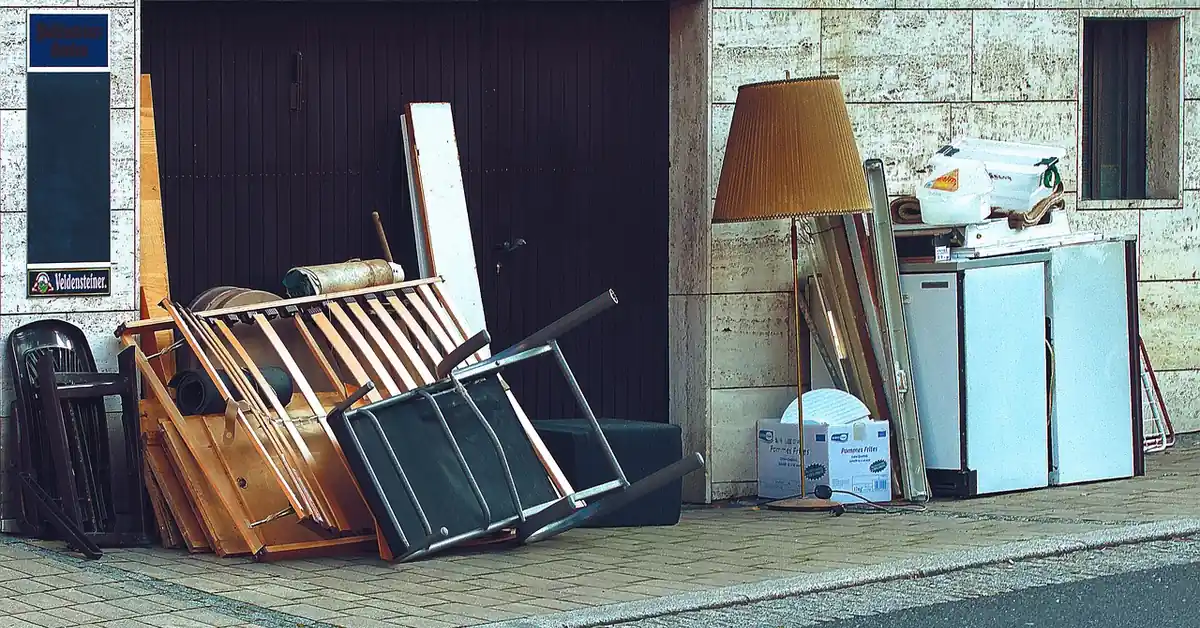
Disposing of furniture costs $75–$250 per item through a haul-away service — but donation, curbside bulk pickup, and furniture swaps are usually free. Choosing the wrong method wastes money or sends a repairable piece to a landfill, where 80% of discarded furniture already ends up. This guide compares 7 disposal methods by cost, covers how to dispose of furniture with bed bugs safely, and shows the quick test for telling solid wood worth saving from particleboard that isn’t.
Quick Answer
The cheapest way to dispose of furniture is donation (often free, with pickup) or a curbside bulk trash day; paid haul-away runs $75–$250 per item. Before tossing a solid piece, pull out a drawer — interlocking dovetail joints and real end grain usually mean it’s worth repairing or reselling instead of hauling to the curb.
📊 Americans discarded 12.1 million tons of furniture in 2018, the EPA’s most recent measured year — 80.1% went straight to a landfill and just 0.3% was recycled. — Source: EPA Durable Goods Data
Assessing Furniture Disposability
Best Wood Repair Kit Pick
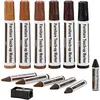
DAIXISM Wood Furniture Repair Kit (13-Piece) – $9.59
Matches the drawer/edge test above — if your piece passes as solid wood, these markers and wax sticks cover scratches and scuffs in the 6 most common furniture wood tones instead of you replacing the piece.
- Best for: Small scratches, nicks, and scuffs on solid wood furniture
- Why we picked it: #1 best seller in its category, 4.3 stars from 23,000+ reviews, covers 6 common wood tones
- Main drawback: Markers blend color but don’t rebuild missing wood on deep gouges
Compare more wood repair kit options
 Option 1 DEWEL Wood Repair Kit (42-Piece) – $19.99
|
 Option 2 SEISSO Wood Repair Kit (12 Colors) – $13.99
|
 Option 3 REALINN Wood Repair Kit (28-Piece) – $20.99
|
As an Amazon Associate we earn from qualifying purchases.
Before choosing a disposal method, assess the furniture’s actual condition — that single decision determines whether it should be donated, sold, repaired, or hauled away. Evaluating wear, estimating reuse potential, and deciding between disposal, donation, or sale up front saves a wasted trip and, often, a piece that didn’t need to be thrown out at all.

Evaluate The Condition Of The Furniture
Before making any decisions about disposing of furniture, evaluate its condition. Check for damage, wear, or structural issues — loose joints, water stains, cracked veneer, or broken frames — that affect usability and appeal to buyers or recipients. This assessment determines the next step in the disposal process.
Estimate Potential For Reuse Or Donation
Determine if the furniture is in good enough condition for someone else to use. For items in good shape, donate to local charities, shelters, or community organizations to extend the piece’s lifespan and keep it out of a landfill.
Decide: Dispose, Donate, Or Sell?
After evaluating condition and reuse potential, make the call: dispose of it if it’s no longer functional, donate it if it’s still usable, or sell it if it holds real resale value. An informed decision here is what keeps the piece from ending up wasted either way — thrown out too early, or donated when it could have paid for itself.
Compare 7 Furniture Disposal Methods by Cost
Cost is usually the deciding factor, and it varies more than most people expect — from free to several hundred dollars depending on the method and how much you’re clearing out. Here’s how the main options compare.
| Method | Typical Cost | Time to Complete | Best For |
|---|---|---|---|
| Donation pickup (Goodwill, Salvation Army, Habitat ReStore) | Free | 2–5 days to schedule | Furniture in good, usable condition |
| Curbside bulk trash day | Free–$20 (some cities charge a tag fee) | Wait for the scheduled day (weekly–monthly) | Broken pieces — check local rules first |
| Junk removal / haul-away service | $75–$250 per item ($180 avg) | Same day–next day | Heavy pieces, no vehicle, tight timelines |
| Dumpster rental | $300–$600 for a 10-yard bin | Dropped off in 1–2 days, kept for several | Clearing out multiple rooms at once |
| Online resale (Facebook Marketplace, Craigslist, Chairish) | Free — you may earn money | Days to weeks, depending on demand | Furniture with real resale value |
| Furniture swap event | Free | Plan 2–4 weeks ahead | Community reuse, no cash needed |
| Metal/wood recycling drop-off | Free–low fee | Same day, if a facility is local | Furniture beyond repair, separable materials |
Is Your Furniture Solid Wood? The Quick Test Before You Toss It
Solid wood furniture is built from real lumber all the way through, not a particleboard or MDF core wrapped in a thin wood-look veneer. The distinction matters because solid wood can be sanded and refinished multiple times, while damaged veneer or particleboard usually can’t — which means the “throw it out” decision should depend on what’s actually underneath, not just how the piece looks today.
- Check the weight. Solid wood is noticeably heavier than particleboard or MDF of the same size.
- Pull out a drawer. Interlocking dovetail joints (fingers cut directly into the wood) point to solid construction; staples, glue, and straight-cut corners point to mass-produced particleboard.
- Look at an edge or the underside. Solid wood shows continuous grain running through the thickness of the board. Veneer shows a thin, sometimes peeling layer with a different material visible underneath or at the seam.
- Check for grain repetition. Real wood grain is irregular with natural knots; veneer patterns often repeat every foot or so because they’re cut from the same sheet.
“In our shop, the fastest solid-wood check is the drawer test — pull one out and look at the joints. Interlocking dovetails almost always mean real wood underneath; staples and glue usually mean it’s veneer over particleboard, and that piece is rarely worth restoring.”
— Our team
If the piece passes the solid-wood test but has surface scratches, dings, or discoloration, refinishing is usually cheaper and faster than replacing it — see our full wood finishing guide for stain, oil, and sealer options by wood type. For smaller surface damage, a touch-up kit can fix the piece well enough to keep, sell, or donate instead of disposing of it:
Choosing The Right Disposal Method
Once you’ve decided a piece can’t be saved, choose a disposal method that follows local waste management rules and minimizes environmental impact.
Local Waste Management Regulations
Check your municipality’s rules before putting furniture out. Many cities set designated collection days, prohibit certain items curbside, and require upholstered furniture or mattresses to be wrapped. Confirming this first avoids fines and a missed pickup.
Eco-Friendly Disposal Options
- Donate: Give usable furniture to local charities, shelters, or thrift stores to extend its life and benefit those in need.
- Upcycle: Repurpose or renovate old furniture into new, functional pieces instead of disposing of it.
- Resell: List furniture in good condition through an online platform or a yard sale.
Finding Furniture Recycling Facilities
If furniture can’t be donated or repurposed, a local recycling facility is the responsible next step. Many municipalities offer drop-off centers or scheduled pickup for furniture recycling, which diverts material from landfills. Wood waste specifically has its own disposal quirks — see our guide on disposing of old deck wood if you’re clearing out pressure-treated lumber alongside furniture, since treated wood can’t go through standard recycling or burning.
How to Dispose of Furniture With Bed Bugs
Bed bug–infested furniture needs different handling than a normal disposal, because moving it carelessly is how an infestation spreads to a new home. You cannot donate infested furniture — charities and resale platforms will refuse it, and passing it along just relocates the problem.
- Seal it first: Wrap the item in heavy-duty plastic sheeting or a certified mattress encasement and tape every seam shut before moving it anywhere.
- Label it clearly: Mark the wrapped item “BED BUG INFESTED – DO NOT TAKE” so no one picks it up thinking it’s a free find.
- Deface upholstered pieces: Many municipalities require cutting or slashing upholstered furniture and mattresses before curbside disposal, specifically to stop dumpster-divers from taking it home.
- Confirm pickup rules: Some cities have separate bulk-pickup procedures for infested items or require drop-off at a specific transfer station — check before setting it at the curb.
Creative Reuse Ideas
When it’s time to part with old furniture, don’t default to the curb. Creative reuse gives a piece a second life instead.
DIY Upcycling Projects
Transforming old furniture into something new is a rewarding, eco-friendly alternative to disposal. Repurpose an old dresser into a kitchen island, or turn an unused coffee table into a pet bed. If the finish is what’s dated rather than the piece itself, cleaning and refinishing — see our guide on how to clean rosewood furniture for one wood-specific example — is usually faster than a full rebuild.
Community Workshops And Classes
Many communities offer workshops focused on furniture upcycling and restoration. Enrolling in a refurbishing class teaches real techniques and connects you with local makers, while keeping usable furniture out of the waste stream.
Online Tutorials And Resources
Online tutorials provide step-by-step guidance on furniture upcycling, from quick touch-ups to full rebuilds. Whether you’re a beginner or experienced, video and written guides offer real starting points for giving old furniture new purpose.
Organize A Furniture Swap Event
A furniture swap event gives your old furniture a new home while you find pieces you actually want — at no cost either way. Beyond the swap itself, these events keep usable furniture out of landfills and build real community connections.
Benefits Of Furniture Swapping
Organizing a swap prevents good furniture from ending up in a landfill, updates your home decor on no budget, and connects you with neighbors who share your interests.
Planning A Community Swap Meet
Hosting a swap meet means coordinating a location, promoting the event, and setting participation guidelines. Choose a spacious, accessible venue and promote through social media, local newspapers, and community bulletin boards to draw a real turnout.
Tips For Successful Furniture Exchange
- Set Clear Guidelines: Establish rules for furniture condition, item limits per participant, and anything not allowed.
- Encourage Diversity: Ask participants to bring varied styles and sizes to appeal to a broader group.
- Provide Refreshments: Light refreshments create a welcoming atmosphere and encourage people to linger and browse.
- Arrange Pickup Services: Partner with a local charity or thrift store to pick up anything left unclaimed after the event.
Selling used furniture clears space and puts cash back in your pocket. Reaching the right buyers just takes picking the right platform.
Local Marketplace Options
- Garage Sales: Attract local buyers looking for affordable furniture — use social media or local ads to draw a crowd.
- Flea Markets: Rent a booth to showcase furniture to a diverse group of shoppers; be ready to negotiate.
- Consignment Shops: Some accept gently used furniture on consignment, so you earn money once it sells.
Online Platforms For Used Furniture
Online platforms reach a larger market, sometimes beyond your immediate area:
- Craigslist: Create local listings and connect with nearby buyers — use high-quality photos and detailed descriptions for each item.
- Facebook Marketplace: Sell to users in your local area and join buy/sell/trade groups to expand your reach.
- Chairish: A better fit for high-quality or designer furniture and buyers who appreciate unique pieces.
Preparations For Sale Or Donation
A few steps before listing or donating make the difference between a quick pickup and a piece that sits for weeks:
- Clean and Repair: Thoroughly clean and repair the furniture to improve its appeal and value.
- Take Quality Photos: Capture clear, well-lit photos from multiple angles.
- Set Fair Prices: Research the market and price based on condition, quality, and current demand. If you’re donating instead of free options like getting rid of furniture for free, this step doesn’t apply — just confirm the charity accepts the item’s condition before scheduling pickup.
Frequently Asked Questions
How much does it cost to get rid of furniture?
Junk removal and haul-away services typically cost $75–$250 per item, averaging around $180. Donation pickup, curbside bulk collection, and furniture swaps are usually free, so cost mainly comes down to how fast you need it gone and whether you’re clearing one piece or a full room.
Can I put furniture out for curbside trash pickup?
Often yes, but only on your municipality’s designated bulk-collection day, and some cities charge a small tag fee or limit how many items you can set out at once. Check local rules first — putting furniture out on a regular trash day in the wrong city can result in a fine or a missed pickup.
Will a charity pick up furniture for free?
Yes — Goodwill, the Salvation Army, and Habitat for Humanity ReStore all offer free pickup for furniture donations in most areas, usually scheduled a few days out online or by phone. They generally require the item to be clean, functional, and free of stains, tears, or pest damage.
How do you dispose of furniture with bed bugs?
Wrap the item in sealed heavy-duty plastic, label it “BED BUG INFESTED – DO NOT TAKE,” and deface upholstered pieces per local rules so no one takes it home. You cannot donate infested furniture, and some cities require a specific transfer station or bulk-pickup procedure rather than a normal curbside day.
Is furniture recyclable?
Partially. Metal frames, hardware, and some fabrics can be recycled, but the EPA reports only about 0.3% of discarded furniture is actually recycled — most of it, including solid wood and upholstered pieces, still goes to a landfill unless it’s donated, resold, or upcycled first.
Conclusion
Disposing of furniture responsibly starts with an honest look at what you actually have — a solid wood piece worth $10 in touch-up markers is a different decision than a particleboard frame that’s beyond repair. From there, match the method to the piece: donate or resell what’s usable, swap what someone else wants, and reserve paid haul-away for what’s genuinely done.
Whichever method you choose, doing it responsibly keeps usable furniture out of a landfill and out of the 80% of discarded pieces that never get a second life.
Sponsored / affiliate links. As an Amazon Associate I earn from qualifying purchases. I may earn additional commission from eligible campaigns.