Fractal Burning Wood at Home: The Lethal Voltage Risk
Fractal burning uses high-voltage electricity to burn branching patterns into wood. The DIY version of this process has killed at least 33 people in the US since 2017 — we don’t publish build instructions; see the safer alternatives below.
⚠️ Serious Safety Warning
Fractal/Lichtenberg wood burning uses lethal voltages (typically 1,000–15,000V from a microwave, neon-sign, or oil-burner transformer). At least 33 people died attempting this at home between 2017 and 2022, most from accidental contact with electrodes, the electrolyte solution, or a live wire. Never touch the wood, electrodes, or solution while the power source is energized — fully disconnect and wait before adjusting anything. Work on a dry, non-conductive floor, never work alone, and keep others away from a live setup. The American Association of Woodturners bans promoting or demonstrating this technique at its events.
Source: Richardson & Johnston, “An unusual case of high-voltage electrical injury involving fractal wood burning,” Journal of Burn Care & Research (PMC7819263); additional warnings from the Electrical Safety Foundation International and the American Association of Woodturners.
Because of that risk, this guide does not include wiring, voltage, or solution steps — only the real safety facts and safer ways to get the same look.
Understanding Fractal Burning
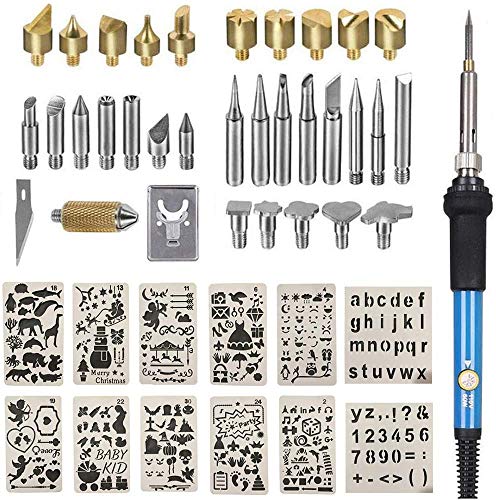
Safe Alternative: Pyrography Pen Kit

YIHUA 930-IV Pyrography Wood Burning Pen Kit
25W adjustable-temperature pen (300-500°F/149-260°C) — no transformer, no capacitor, no lethal current path. Freehand branching, fractal-style patterns at low, safe voltage.
Check Price on AmazonFractal burning (Lichtenberg burning) has become a popular look on social media, but the traditional method is not a beginner-friendly weekend project. Every version of it runs high voltage current through wood soaked in an electrolyte solution, and that exact combination has caused at least 33 documented deaths in the US since 2017. This section explains what the technique is and why it happens — not how to build a rig.
Fractal burning is an art form that has gained popularity among woodworkers in recent years. It uses high voltage electricity to create intricate, mesmerizing patterns on wood surfaces. Understanding how those patterns form is useful context — it is not a substitute for the safety facts later in this guide.
In this section, we’ll explore the concept of fractal burning and delve into the science behind its captivating patterns.
What Is Fractal Burning?
Fractal burning, also known as Lichtenberg burning, is a process of using electricity to create unique, branching patterns on wood. It involves passing an electric current through a conductive solution and conducting it across the wood’s surface. This method can be used to achieve beautiful and intricate designs that resemble lightning bolts or the veins of a leaf.
The Science Behind Fractal Patterns
Fractal patterns, which are the hallmark of fractal burning, are a mathematical concept that describes infinitely complex shapes with intricate self-similarity. When an electric current passes through the wood, it leaves behind a carbonized path, which follows the path of least resistance.
The formation of these patterns is influenced by factors such as the moisture content of the wood, the voltage applied, and the duration of the electrical discharge. The resulting patterns exhibit a mesmerizing blend of order and chaos, making fractal burning a fascinating mix of science and art.
Exploring The Beauty And Intricacy Of Fractal Designs
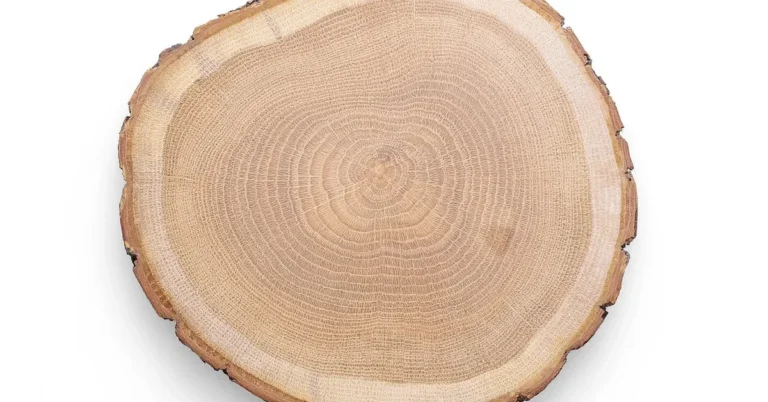
One of the most alluring aspects of fractal burning is the sheer beauty and intricacy of the resulting designs. The branching patterns, reminiscent of lightning bolts or intricate natural formations, offer a visual feast for the eyes. Each piece of wood becomes a canvas for unique and captivating fractal patterns, ensuring that no two pieces are the same.
Fractal burning allows woodworkers to unleash their creativity and create stunning works of art that showcase the inherent beauty of wood.
Now that you understand what fractal burning is and why the branching pattern forms, the next section covers exactly why we don’t publish a tools list, wiring diagram, or step-by-step burn process for this technique — and what to use instead if you want the look.
Why We Don’t Publish The Tools, Setup, Or Burn Steps
Earlier versions of this page included a tools list (transformer, electrodes), wood prep, voltage/timer settings, machine setup, and a full step-by-step burn process, plus troubleshooting for ongoing use. We removed all of it. Since 2017, at least 33 documented deaths in the United States have been linked to homemade Lichtenberg/fractal wood-burning rigs built from microwave oven transformers or neon sign transformers, and the American Association of Woodturners bans demonstrating the technique at its events.
Two facts explain why the safety steps that used to be here (rubber gloves, insulating apron, “prioritize safety”) don’t reliably prevent injury:
- A GFCI outlet does not protect you. It monitors the transformer’s primary (input) wiring. The lethal output comes from the secondary coil, which is galvanically isolated from that circuit — the GFCI cannot detect a fault on the output side and will not trip.
- Unplugging the transformer does not make it safe to touch. The capacitor paired with a microwave oven transformer stores a charge and can deliver a lethal shock long after the unit is disconnected from the wall.
“The slightest contact with the equipment involved may result in death.”
— Electrical Safety Foundation International, warning against the fractal wood burning social media trend
Getting The Branching Look Without The Risk
If the branching, lightning-like pattern is the appeal, these routes get a comparable result without wiring a transformer:

- Pyrography (wood-burning) pen. Freehand a branching pattern at low, safe voltage — slower, but no shock risk.
- CNC laser engraver. Load or design a Lichtenberg-style pattern and let the laser burn it in — no current passes through the workpiece or operator.
- Commercially built, interlocked units. Enclosed Lichtenberg machines with engineered safety interlocks are meaningfully safer than a garage-built rig, but still high voltage — “safer” is not “safe.”
Once you have a burned pattern from a safe method, the usual finishing steps apply: sand lightly to remove any raised grain, wipe away debris, then apply a clear polyurethane, epoxy, or stain to protect and enhance the design. Display finished pieces however you like — framed, on a stand, or built into furniture — the same way you would any other finished woodworking piece.
Frequently Asked Questions Of How To Fractal Burn Wood At Home
What Solution Do You Use For Fractal Burning?
We don’t publish a conductive-solution recipe. Any water-based electrolyte used with a high-voltage transformer carries the same lethal risk — this exact combination has been linked to at least 33 deaths in the US since 2017.
Can Fractal Wood Burning Be Done Safely?
Not reliably, no. At least 33 documented deaths in the US since 2017 have been linked to this technique, and a GFCI outlet does not protect you because the lethal output comes from a secondary coil that’s isolated from the wiring a GFCI monitors. A pyrography pen or CNC laser engraver gets a similar look safely.
What Is The Best Wood For Fractal Burning?
Softwoods like pine are commonly cited due to their higher resin/moisture content, but this is unrelated to the safety of the process itself.
Can You Use A Car Battery For Fractal Burning?
No, a car battery cannot produce the voltage needed. We don’t recommend attempting this technique with any power source.
What’s A Safer Way To Get A Similar Look?
A standard low-voltage pyrography pen or a CNC laser engraver can produce a comparable branching, fractal-style pattern without any transformer, capacitor, or conductive solution involved.
Final Remark
The branching pattern that makes fractal burning so recognizable is genuinely beautiful — that’s not in question. What’s in question is whether a home-built, transformer-based rig is ever an acceptable way to get it. Based on 33+ documented deaths since 2017, the answer from burn surgeons, electrical safety regulators, and the American Association of Woodturners is no.
If you want that look, reach for a pyrography pen or a CNC laser engraver instead. Both can produce a comparable branching design without wiring a transformer, storing a lethal charge in a capacitor, or betting your safety on a GFCI outlet that cannot actually protect you here.
Sponsored / affiliate links. As an Amazon Associate I earn from qualifying purchases. I may earn additional commission from eligible campaigns.