How to Get Rid of Poison Oak Safely
Dealing with poison oak can be tricky, especially if you’re new to it. That itchy rash is no fun, and figuring out the best way to handle it without making things worse is important. Many people worry about touching it or spreading the rash.
Don’t worry, we’ve got you covered. We’ll walk you through simple steps on how to get rid of poison oak safely. Get ready for clear advice that makes dealing with this pesky plant much easier.
Identifying Poison Oak and Its Rash
Knowing what poison oak looks like is the first step to avoiding its itchy effects and understanding how to get rid of poison oak safely. This plant thrives in many areas, from forests to backyards. Learning to spot it helps you prevent contact altogether.
The rash itself is a common reaction to its oil, called urushiol. This oil sticks to skin and anything it touches. It can cause redness, itching, and blisters.
Understanding these basics is key before you even think about removal.
What Poison Oak Looks Like
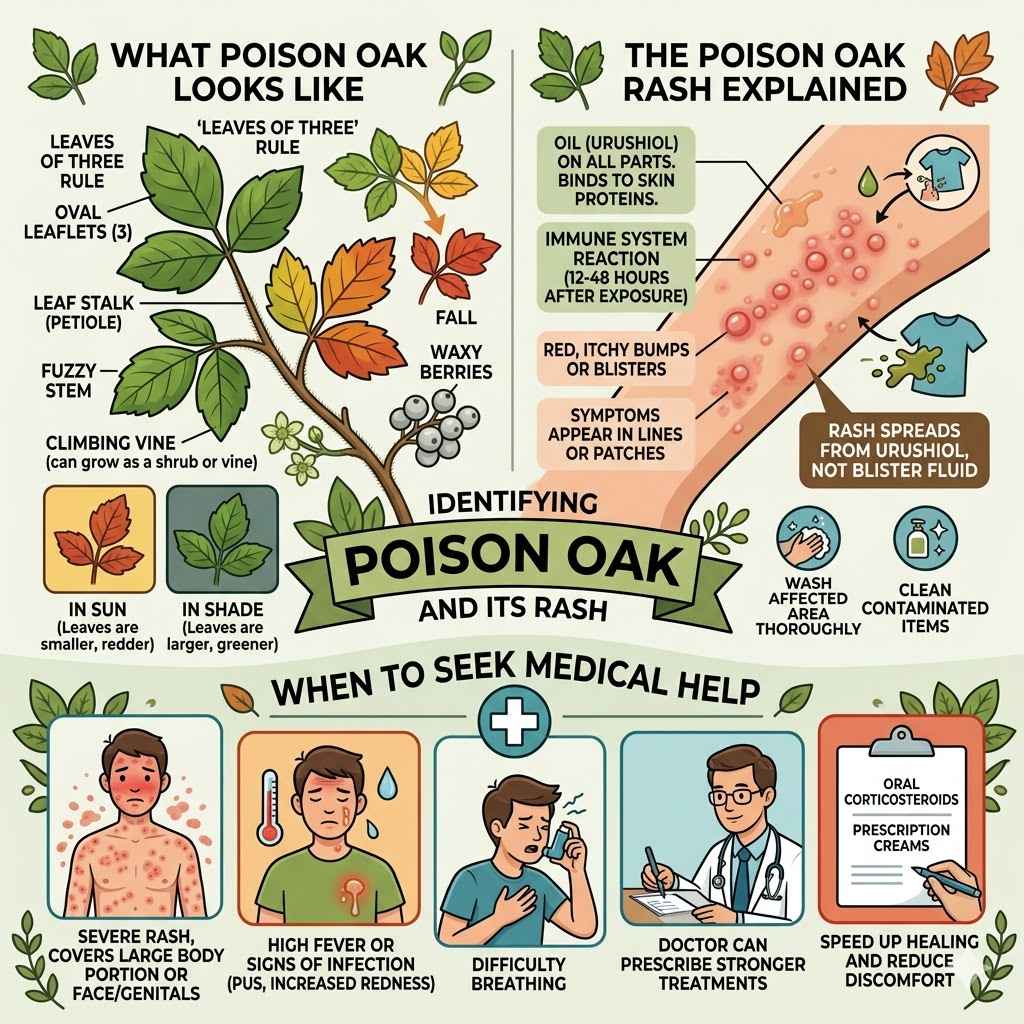
Poison oak typically grows as a shrub, but can also be a climbing vine. It’s famous for its “leaves of three,” meaning each leaf stalk has three leaflets. These leaflets are usually oval-shaped and can have smooth or toothed edges.
The color changes with the seasons. In spring and summer, the leaves are usually green. In fall, they can turn yellow, orange, or red before dropping.
Small, greenish-white flowers bloom in spring, followed by clusters of waxy, grayish-white berries in the fall.
The plant’s appearance can vary, making it a bit challenging to identify sometimes. For example, the leaves might look different depending on where it’s growing. In sunny spots, leaves can be smaller and more reddish.
In shady areas, they might be larger and greener. This variability is why knowing the “leaves of three” rule is so important, along with looking for its general growth habit. Keep an eye out for its fuzzy stem, which is another common characteristic.
The Poison Oak Rash Explained
The rash from poison oak is an allergic reaction to urushiol, the oily sap found in all parts of the plant. When your skin touches urushiol, it binds to skin proteins. Your immune system then reacts to this foreign substance, causing inflammation.
This inflammation is what leads to the tell-tale rash. It typically appears as red, itchy bumps or blisters. The rash doesn’t spread from the blisters themselves; it only spreads if urushiol oil is still on the skin or clothing.
Symptoms usually appear 12 to 48 hours after exposure. The itching can be intense and may last for several weeks. The rash can show up in lines or patches, showing where the plant brushed against your skin.
Blisters may form and sometimes ooze clear fluid. This fluid is not contagious and doesn’t contain urushiol, so it won’t spread the rash to other people or other parts of your body. However, it’s crucial to wash the affected area thoroughly and clean any contaminated items.
When to Seek Medical Help
While most poison oak rashes can be managed at home, some situations require professional medical attention. If the rash is severe, covers a large portion of your body, or is on your face or genitals, it’s best to see a doctor. You should also seek help if you have a high fever, difficulty breathing, or signs of infection like pus or increased redness around the blisters.
Severe allergic reactions can happen, though they are rare.
A doctor can prescribe stronger treatments, such as oral corticosteroids or prescription creams, to help reduce inflammation and itching. They can also provide advice on managing the rash and preventing future exposure. Early medical intervention can often speed up healing and reduce discomfort, making the process of dealing with poison oak much more manageable for those with severe reactions.
Steps for Safely Removing Poison Oak
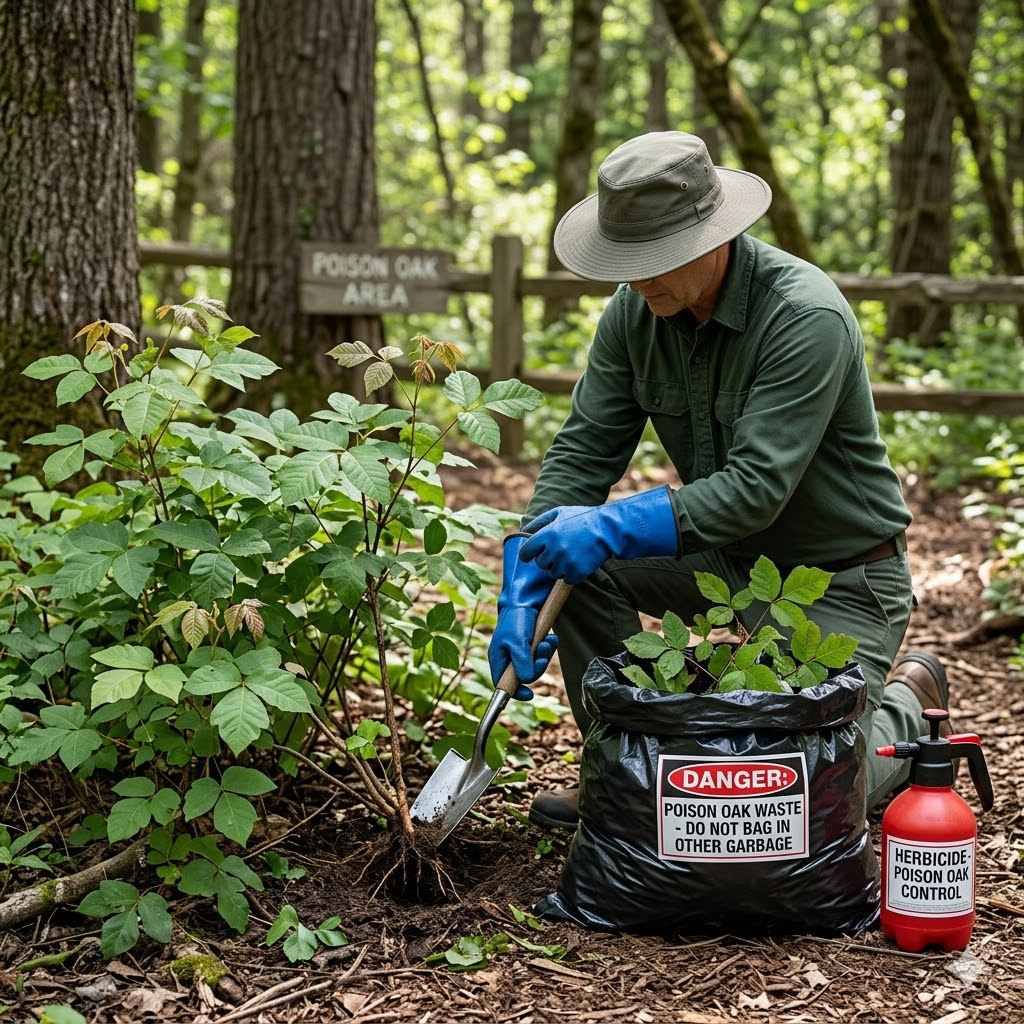
Knowing how to get rid of poison oak safely is crucial for preventing painful rashes. This involves careful planning and the right protective gear. You don’t want to touch the plant directly or spread the urushiol oil.
Follow these steps to tackle poison oak without any lasting effects. It’s all about being prepared and acting smart when you encounter this plant.
Preparing for Removal
Before you even think about touching poison oak, proper preparation is key. This means gathering all necessary protective gear. You’ll need long sleeves, long pants, gloves, and eye protection.
Make sure your clothing is thick enough to prevent the urushiol oil from reaching your skin. Rubber or nitrile gloves are better than cloth ones, as the oil can soak through fabric.
It’s also wise to have a plan for what you will do with the plant material once it’s removed. Proper disposal is vital to prevent re-exposure. Ensure you have sturdy bags for collecting the plant.
Think about how you’ll clean your tools and clothing afterward, as urushiol can linger. Having all these items ready before you start makes the entire removal process much safer and more effective.
Protective Gear Essentials
Wearing the right clothing is your first line of defense. Opt for thick, woven fabrics that cover your entire body. This includes long-sleeved shirts, long pants, and closed-toe shoes.
Tuck your pants into your socks to create a barrier. Consider disposable coveralls if you’re dealing with a large infestation. These offer excellent protection and can be thrown away after use, reducing the risk of spreading urushiol.
Eye protection, such as goggles, is also important. Urushiol can irritate the eyes, and in rare cases, airborne particles can cause respiratory issues. For your hands, wear heavy-duty, chemical-resistant gloves.
Nitrile or neoprene gloves are generally recommended over latex or vinyl because they offer better protection against urushiol. Make sure the gloves extend up your wrists and are taped to your sleeves if possible. This creates a continuous barrier.
Techniques for Removal
When removing poison oak, always work from the outer edges inwards. This helps to prevent spreading the oil. For smaller plants, you can try to pull them out by the roots.
Gently tug on the base of the plant, trying to get the entire root system. Be very careful not to break the stem, as this can release more urushiol. For larger plants or vines, you might need tools like a shovel or loppers.
When using tools, remember that urushiol can stick to them. Always clean your tools thoroughly after use. If you’re dealing with poison oak growing on other plants or structures, try to isolate it as much as possible.
Avoid pulling it off anything where it might be intertwined, as this can damage the other plant or structure and spread the oil. Careful and deliberate actions are key to safe removal.
Disposal of Poison Oak Material
Proper disposal of poison oak is as important as the removal itself. Once you’ve bagged the plant material, seal the bags tightly. Never burn poison oak.
The smoke from burning poison oak can carry urushiol particles through the air and cause severe respiratory problems and skin rashes. This is a serious risk that should be avoided at all costs.
The best method is to place the sealed bags in your regular trash if local regulations allow. Some areas might have specific disposal guidelines for hazardous plant materials, so it’s a good idea to check with your local waste management service. Keep the bagged material away from children and pets until it’s picked up.
This ensures the oil doesn’t get on anything else.
Cleaning Up After Poison Oak Exposure
After you’ve dealt with the poison oak plant itself, the cleanup process is crucial for how to get rid of poison oak safely and prevent future rashes. Urushiol oil can stick to surfaces for a long time, and you don’t want to accidentally touch it later. This cleanup phase is just as important as the removal part.
Making sure everything is clean means a safer environment for everyone.
Washing Your Skin Promptly
If you suspect you’ve been exposed to poison oak, wash your skin immediately. Use lukewarm water and mild soap. Gently lather and rinse your skin thoroughly.
Don’t scrub harshly, as this can spread the oil or irritate your skin. Pay close attention to areas that may have come into contact with the plant, like your hands, arms, and legs.
You have a short window of time, ideally within 10-20 minutes, to remove most of the urushiol oil from your skin. If you can’t wash with soap and water right away, rinsing with plain water is better than nothing. Special poison oak cleansing lotions and wipes are also available and can be very effective if used quickly after exposure.
Cleaning Contaminated Clothing and Tools
Clothing, shoes, gardening tools, and even pets can carry the urushiol oil. Wash contaminated clothing separately from other laundry. Use hot water and detergent.
You may need to wash them twice to ensure all the oil is removed. Wear gloves while handling dirty laundry and empty the washing machine drum afterward.
Tools should be washed with soap and water. For tools with oil that’s dried on, you might need to use rubbing alcohol, as it can help break down urushiol. Wipe down any surfaces you might have touched, like doorknobs, steering wheels, or furniture.
This prevents re-exposure. It sounds like a lot, but it’s a key part of staying safe.
Pet Care Regarding Poison Oak
Pets can carry the urushiol oil on their fur if they brush against poison oak. While most animals are not sensitive to urushiol and won’t develop a rash, they can transfer the oil to you or other people when you pet them. If your pet has been in an area with poison oak, it’s important to wash them.
Use pet-safe shampoo and lukewarm water. Wear gloves while bathing your pet to protect your own skin.
After bathing, rinse your pet thoroughly and dry them with a clean towel. Be sure to wash the towel afterward. Also, clean any pet accessories that may have come into contact with the plant, such as leashes or collars.
This careful approach helps ensure that your furry friends don’t become unintentional carriers of the irritating oil, completing the cycle of how to get rid of poison oak safely for your whole household.
Home Remedies and Treatments for Poison Oak Rash
Once a poison oak rash has appeared, managing the itch and discomfort is the priority. While the rash will eventually heal on its own, various home remedies and treatments can provide relief. These methods focus on soothing the skin and reducing inflammation.
It’s important to remember that these are for managing symptoms, not curing the rash itself.
Soothing the Itch
To combat the intense itching, cool compresses can offer immediate relief. Applying a wet, cool cloth to the affected area for 15-30 minutes can significantly calm the skin. Taking cool baths or showers can also help.
Adding colloidal oatmeal to a bath is a popular remedy. It creates a protective barrier on the skin and has anti-itch properties.
Calamine lotion is another widely recommended over-the-counter treatment. It helps dry out weeping blisters and provides a cooling sensation that can ease itching. Applying it several times a day can offer consistent relief.
Some people also find relief from aloe vera gel, which has natural anti-inflammatory and cooling properties. Always use these remedies on clean skin to avoid introducing bacteria.
Natural Remedies and Their Effectiveness
Several natural remedies are often suggested for poison oak rashes. Baking soda paste, made by mixing baking soda with a little water, can be applied to the rash. It helps to dry out blisters and relieve itching.
Similarly, apple cider vinegar can be used as a compress. Its acidity might help to neutralize the urushiol if applied soon after exposure, or to soothe the skin once a rash has formed.
Jewelweed is a plant that grows in similar areas to poison oak and is traditionally used as a remedy. Crushing its stems and rubbing the juice on the affected skin is thought to help counteract the effects of urushiol. However, scientific evidence for the effectiveness of some natural remedies is limited.
Always test a small area of skin first to ensure you don’t have an adverse reaction to any new treatment.
Over-the-Counter Medications
For moderate to severe itching, over-the-counter antihistamines can be very helpful. Oral antihistamines, like diphenhydramine or loratadine, can reduce itching and help you sleep better, especially at night when itching often worsens. Topical hydrocortisone cream, available in different strengths, can also reduce inflammation and itchiness when applied directly to the rash.
Be sure to read the labels and follow the dosage instructions carefully. If you have any underlying health conditions or are taking other medications, it’s a good idea to consult with a pharmacist or doctor before using OTC treatments. They can help you choose the safest and most effective options for your specific situation.
This ensures you’re treating the rash effectively.
Preventing Future Poison Oak Exposure
The best way to deal with poison oak is to avoid it in the first place. Prevention is a key part of knowing how to get rid of poison oak safely by not encountering it at all. Learning to identify the plant and taking precautions when in areas where it grows are essential.
These preventative measures can save you a lot of discomfort and potential medical bills.
Educating Yourself and Your Family
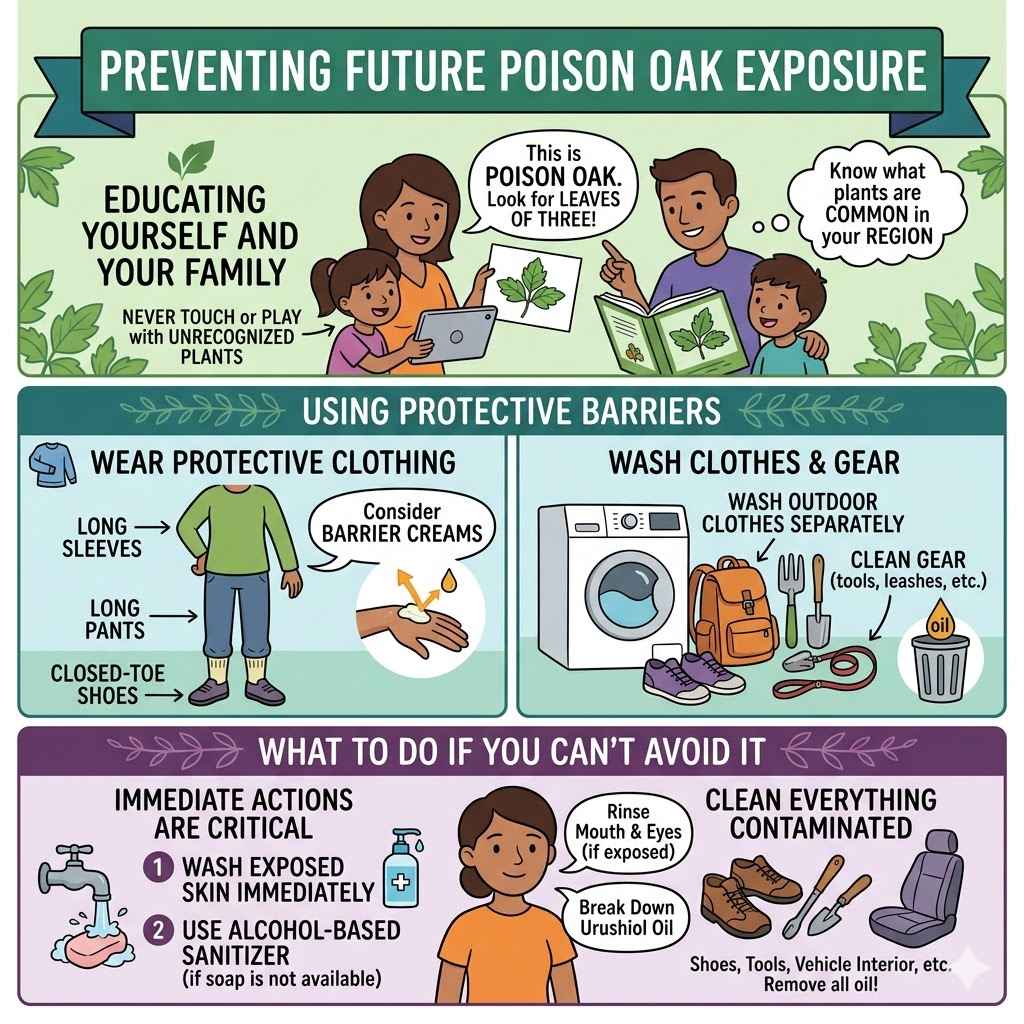
Teach everyone in your household, especially children, how to identify poison oak. Show them pictures and point it out if you see it in safe areas. Explain that touching any part of the plant—leaves, stems, or roots—can cause a rash.
Emphasize that they should never touch or play with plants they don’t recognize.
When you’re planning outdoor activities, especially hiking or camping in wooded areas, do a quick search for common plants in that region. Knowing what to look for in advance can save you from an unwanted encounter. Share this knowledge with your family so everyone is on the same page about staying safe outdoors.
Using Protective Barriers
When you know you’ll be in areas where poison oak is common, wear protective clothing. As mentioned before, long sleeves, long pants, and closed-toe shoes are a must. Consider using barrier creams.
These lotions can be applied to the skin before exposure and are designed to help prevent urushiol from penetrating the skin. While they aren’t foolproof, they can offer an extra layer of defense.
After spending time outdoors, always change out of your outdoor clothes as soon as possible. Wash them separately. Also, wash any gear that might have come into contact with the plant.
This includes backpacks, gardening tools, and even your pet’s leash. This thorough cleaning routine significantly reduces the risk of transferring urushiol oil to your skin later on.
What to Do If You Can’t Avoid It
Sometimes, avoiding poison oak is not possible. If you encounter it and can’t avoid contact, your immediate actions are critical. The most important thing is to wash exposed skin as soon as you can.
Use soap and water. If washing isn’t an option, use an alcohol-based hand sanitizer. It can help break down the urushiol oil.
Remember to rinse your mouth and eyes if you think they might have been exposed.
Also, clean anything you were wearing or carrying that may have touched the plant. This includes your shoes, tools, and even your vehicle’s interior if you sat down without changing. Being vigilant about cleaning these items is vital.
This careful approach ensures that even in unavoidable situations, you minimize your risk and manage how to get rid of poison oak safely and effectively from your surroundings.
Frequently Asked Questions
Question: How long does a poison oak rash typically last
Answer: A poison oak rash usually lasts between one to three weeks. The duration can vary depending on the severity of the exposure and individual sensitivity. Most cases begin to improve significantly after the first week.
Question: Can poison oak oil survive on clothing for a long time
Answer: Yes, urushiol oil from poison oak can remain active and irritating on clothing for a very long time, potentially for months or even years if not properly washed. This is why it’s crucial to wash contaminated clothing in hot water with detergent.
Question: Is it safe to touch poison oak berries
Answer: While the berries themselves might contain less urushiol than the leaves or stems, it is still risky to touch them. The oil can easily transfer from the stem or leaves to the berries, and touching them can lead to a rash.
Question: How can I tell if I’m developing a rash from poison oak
Answer: Symptoms typically appear 12 to 48 hours after exposure. You might notice redness, itching, swelling, and blisters in the areas where your skin touched the plant. The rash can appear in lines or patches.
Question: What is the main oil in poison oak that causes the rash
Answer: The main oil in poison oak that causes the rash is called urushiol. It’s a clear or slightly yellowish oily sap that is found in all parts of the poison oak plant, including the leaves, stems, and roots.
Summary
Dealing with poison oak requires smart steps. Knowing how to identify it, protect yourself, and clean up properly is key. Follow the advice for safe removal and cleanup.
With the right precautions, you can effectively manage poison oak and prevent painful rashes. Stay safe outdoors!