Can I Cut an Oak Tree Down? Permit Rules & Removal Cost
You can cut down an oak tree on your property in most areas, unless it’s a protected species or its trunk exceeds your city’s permit threshold, often 6 to 8 inches in diameter. Removing a protected oak without a permit can bring fines from $500 to $10,000. This guide covers how to check your local rules, what removal typically costs ($275 to $4,500), and how to fell the tree safely or hire a certified arborist.
Is It Legal to Cut Down an Oak Tree?
Best Chainsaw Safety Gear Pick
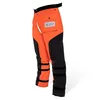
ZELARMAN 8-Layer Chainsaw Chaps
UL-certified, waist-to-ankle leg protection built to ASTM and OSHA chainsaw safety standards.
- Best for: anyone running a chainsaw for felling or bucking, not just occasional pruning
- Why we picked it: 8-layer cut-resistant fabric with 360-degree calf wrap and Class A certification
- Main drawback: only two size options, so check the waist and length measurements before ordering
Compare more chainsaw safety gear options
 Option 1 Forestry Safety Helmet, 3-in-1
|
 Option 2 6-Pack Felling Wedges with Spikes
|
 Option 3 Oregon Chainsaw Safety Gloves
|
As an Amazon Associate we earn from qualifying purchases.
Cutting down an oak tree on your own property is legal in most of the country, but oak species are among the most commonly protected trees in local ordinances because of their slow growth and habitat value. Whether you need a permit comes down to three things: your city or county’s tree ordinance, the tree’s trunk diameter, and whether the specific oak species on your property is listed as protected. If your goal is stopping a stump or unwanted sapling from regrowing rather than felling a standing tree, killing an oak tree without cutting it down is a different process worth reading instead.
How Big Does an Oak Have to Be Before You Need a Permit?
Most cities set a trunk-diameter threshold, measured about 4.5 feet above ground (called “diameter at breast height,” or DBH). Below that size, removal is usually unregulated. Above it, you’ll need a permit and often an inspection.
| Location example | Permit trigger | Notes |
|---|---|---|
| Los Angeles, CA | Coast live oak, 4″+ trunk diameter | Protected Tree Ordinance covers several native oak species citywide |
| Rocklin, CA | 4.5 ft tall AND 6″+ diameter | Smaller oaks can be removed without a permit |
| Typical U.S. city | 6″-8″ trunk diameter (varies) | Many ordinances use an 8″ DBH default for “protected” size |
These are examples, not universal rules — every city writes its own ordinance, and some (particularly in California and Florida) protect specific native oak species regardless of size. Call your city or county planning department before you cut; that one phone call is the fastest way to confirm whether your tree is protected.
What Happens If You Cut Down a Protected Oak Without a Permit?
Removing a protected oak without approval typically triggers a fine, and in some jurisdictions a requirement to plant replacement trees at your own cost. Penalties for unpermitted removal generally range from $500 to $10,000 per tree, though some municipalities allow penalties up to $100,000 for repeat or large-scale violations. A dead, hazardous, or storm-damaged tree is usually exempt from these rules, but you should still document the condition (photos, an arborist’s note) before removing it in case the city asks for proof later.
Browse more oak guides for species identification, lifespan, and wood-use articles if you’re weighing whether removal is even the right call.
Assess the Tree’s Condition
Once permits are sorted, take a close look at the tree itself. Removing a healthy oak should be a last resort — a mature tree that’s been there for decades typically can’t be replaced on any practical timeline (see how old oak trees can get). If the tree is sick or structurally unsound, that changes the calculus.
- Signs of disease: fungus at the base, dead branches in the upper canopy, or unusual bark growths. Oak wilt is the most serious threat — see the timing note below.
- Structural weakness: cracks, splits, or a lean that’s gotten noticeably worse in the last year or two.
- Root damage: heaving soil, exposed or severed roots (often from nearby construction or trenching), or fungal conks growing near the root flare.
If you’re unsure, get a certified arborist to look at it before you commit to removal — a paid consultation ($75-$150 in most areas) is far cheaper than removing a tree you didn’t need to take down, or missing a hazard that drops a limb on your roof. Mature oaks are also a meaningful wildlife food source — see how often an oak produces acorns — which is part of why so many cities weigh removal permits carefully.
How Much Does It Cost to Remove an Oak Tree?
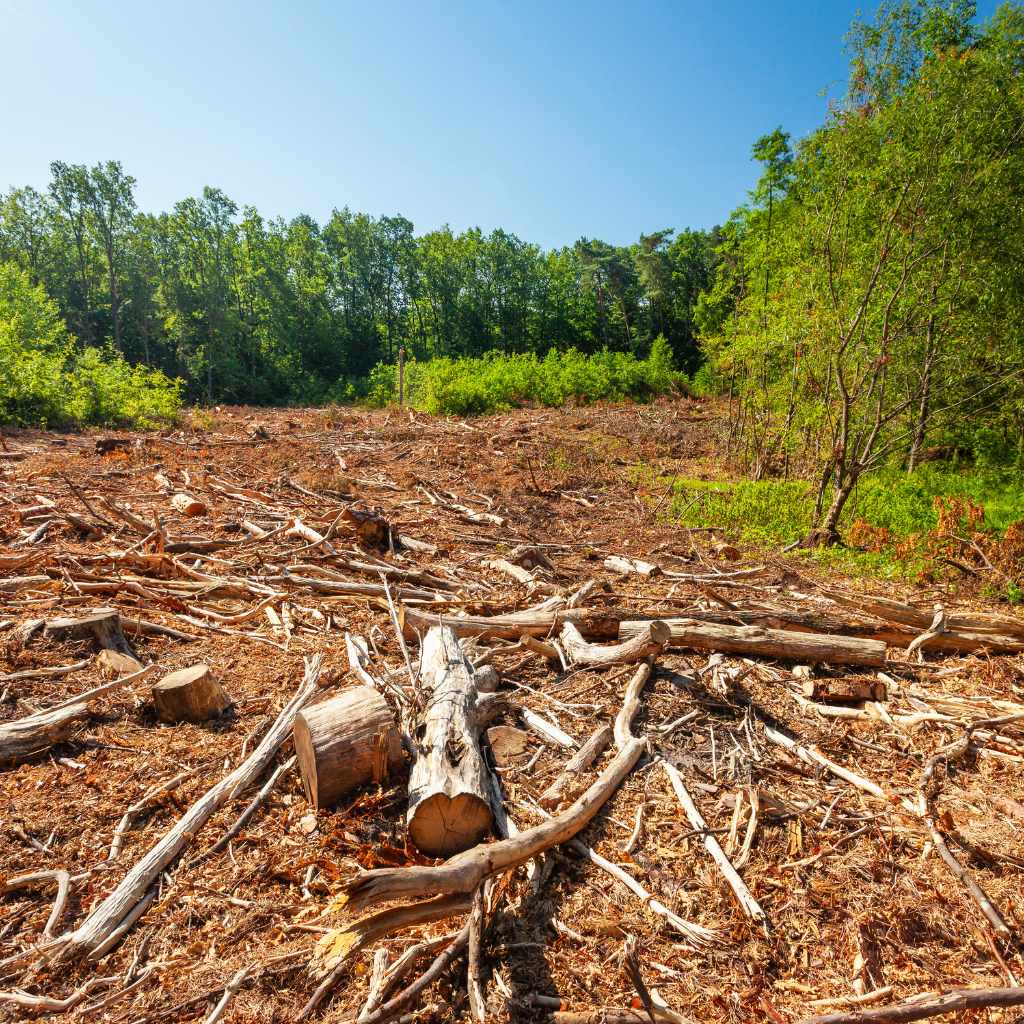
Professional oak removal averages around $1,600, with most jobs falling between $350 and $4,500 depending on the tree’s height, its distance from structures or power lines, and access for equipment. Stump grinding is usually a separate line item.
| Tree height | Typical removal cost |
|---|---|
| 12-15 ft | $275-$450 |
| 20-40 ft | $600-$1,000 |
| 40-80 ft | $1,500-$3,000 |
| 80-100 ft | $3,000-$4,500 |
| Stump grinding (add-on) | $150-$500 |
Does homeowners insurance cover it? Only in specific cases. Insurance typically pays for tree removal when the tree falls due to a covered peril — wind, lightning, or storm damage — and it damages an insured structure like your house, garage, or fence. It generally does not cover proactive removal of a standing tree, and insurers can deny a claim if the tree was already dead, rotten, or poorly maintained. If you’re removing a tree preemptively for safety or permit reasons, budget for it as an out-of-pocket cost.
Safety First: Tools, Gear, and Safe Practices
Cutting down a tree yourself is dangerous work — chainsaw injuries and struck-by-falling-tree accidents are among the most common causes of serious DIY tree-work injuries. Proper gear, sharp tools, and a clear plan cut that risk dramatically.
Essential Safety Gear
Don’t start the chainsaw without this on first. It’s the difference between a close call and a trip to the ER.
- Chainsaw chaps: cut-resistant leg protection rated to slow or stop a moving chain — the single highest-impact piece of gear you can buy.
- Helmet with face shield and ear protection: protects against kickback, flying debris, and hearing damage from prolonged saw noise.
- Cut-resistant gloves: improve grip and protect hands from the chain and from branch snags during limbing.
- Sturdy boots and durable, close-fitting clothing: steel-toe boots and nothing loose enough to catch in the saw.
Choosing the Right Tools
Beyond protective gear, you’ll need the right cutting equipment for the tree’s size. Using an underpowered saw or dull chain on a mature oak is both slower and more dangerous — it forces more force and more reach, both bad ideas near a falling tree.
- Chainsaw: match bar length to trunk diameter and keep the chain sharp. A pole saw handles high branches without a ladder.
- Axe or hatchet: for limbing small branches and splitting rounds once the tree is down.
- Felling wedges: direct the fall and stop the bar from pinching mid-cut.
- Measuring tape: confirm the tree’s height so your clear-fall zone (roughly 1.5x tree height) is actually clear.
- Rope and pulley system: for guiding larger trees or lowering cut sections in tight yards.
Safe Cutting Techniques
Never fell a tree alone, and tell someone your plan before you start. If you haven’t felled a tree before, practice the undercut and back cut on a smaller, less consequential tree first.
- Directional felling: plan the fall path and clear it, accounting for wind and the tree’s natural lean.
- Undercut and back cut: the undercut sets the fall direction; the back cut releases the tree while leaving a controlling hinge.
- Avoid over-reaching: keep both feet planted; never stretch to make a cut.
- Watch for falling branches: “widow makers” — loose dead branches overhead — cause real injuries; look up before and during the cut.
- Emergency plan: know your chain brake and shutoff by feel, and keep your escape path clear at all times.
Step-by-Step: How to Take Down the Tree
Once the area’s prepped and your gear is on, felling comes down to four stages: clear the site, cut the hinge, watch the fall, then process the wood.
- Clear and mark your escape path: remove obstacles from the work area and pick a route roughly 45 degrees behind the planned fall direction.
- Check overhead and notify neighbors: scan for power lines and dead branches, and let anyone nearby know work is starting.
- Make the undercut: cut a 45-degree notch about one-third of the way through the trunk, on the side you want the tree to fall.
- Make the back cut: cut from the opposite side, slightly above the undercut’s horizontal line, leaving an uncut hinge of wood. Insert a wedge as you go to prevent pinching.
- Watch the fall and retreat: once the tree starts to go, move immediately along your escape path — don’t wait to watch it land.
- Limb and buck: remove branches starting from the base, then cut the trunk into manageable rounds for hauling or splitting.
The Home Depot’s chainsaw felling tutorial walks through this same sequence on camera if you want to see the undercut and back cut in motion before trying it yourself.
Oak-Specific Considerations
When to Cut: The Oak Wilt Window
Timing matters more with oaks than with most trees. Oak wilt is spread by sap-feeding beetles that are most active in warm weather, and any fresh wound — including a cut stump or pruning cut — can attract them and let the fungus in.
📊 Avoid cutting or wounding oaks between April 15 and July 15 — the highest-risk window for oak wilt transmission by sap beetles. Late fall through winter dormancy is the safest cutting season. — Source: Wisconsin DNR
If a tree is already infected, cut it before the high-risk window begins (before April) rather than waiting, so the disease doesn’t get a chance to spread to healthy oaks nearby through root grafts or beetle activity.
Common Oak Tree Problems
- Oak wilt: a fungal disease that can kill a tree within weeks of leaf wilting in summer — one of the few tree diseases fast enough to justify urgent removal.
- Structural decay: older oaks develop cavities and cracks that weaken load-bearing limbs and the trunk itself.
- Brittle wood under load: oak is strong but can shear unpredictably along the grain when a limb is under tension, which is part of why professionals recommend a hinge cut rather than just sawing straight through.
Managing Oak Wood After Removal
Oak is dense, valuable wood — worth handling well rather than hauling to the curb. It’s slow to dry and hard to split green, so plan for that before you cut everything into rounds.
- Cutting and splitting: use a sharp chain and a sturdy splitting maul or hydraulic splitter — oak resists hand-splitting more than softer species.
- Seasoning: oak needs 12 to 24 months of proper drying time before it burns cleanly — far longer than pine or other softwoods.
- Storage: stack it off the ground under cover; a wood shed keeps it dry without trapping moisture the way a tarp on the ground does.
- Selling or milling: a large, healthy oak trunk can be worth taking to a local sawmill instead of firewood — see how much an oak tree is worth before you buck it all into firewood rounds.
When to Call a Professional Arborist
Some situations aren’t DIY jobs, regardless of how confident you feel with a chainsaw. Tree size, proximity to structures, and power lines are the deciding factors.
- Large or leaning trees: anything over roughly 40 feet, or a tree already leaning toward a structure, carries risk that outweighs the cost savings of DIY.
- Power line proximity: never cut a tree that could contact a power line — this is exclusively a job for a licensed professional, often coordinated with the utility company.
- Uncertain health: if you can’t confidently diagnose disease or structural weakness yourself, pay for an arborist’s assessment first.
- Tight access: trees wedged between buildings, fences, or other trees often need rigging and a crane — well beyond typical homeowner equipment.
Choosing and Working with a Professional
- Check credentials: look for ISA-certified arborists rather than general landscapers.
- Get multiple quotes: prices vary widely for the same job — get at least two or three bids.
- Confirm insurance: ask for proof of liability and workers’ comp coverage before anyone touches a chainsaw on your property.
- Get the scope in writing: confirm whether the quote includes stump grinding, debris haul-away, and cleanup.
Frequently Asked Questions
Do I need a permit to cut down an oak tree?
It depends on your local ordinance and the tree’s trunk diameter. Many cities require a permit once an oak reaches 6 to 8 inches in diameter (measured about 4.5 feet up), and some, especially in California and Florida, protect specific oak species regardless of size. Call your city or county planning department to confirm before cutting.
What’s the best time of year to cut down an oak tree?
Late fall through winter, while the tree is dormant. Avoid cutting or wounding oaks between April 15 and July 15, the highest-risk window for oak wilt transmission by sap-feeding beetles.
Does homeowners insurance cover oak tree removal?
Only if the tree falls due to a covered peril, like wind or a storm, and damages an insured structure. Insurance generally doesn’t cover proactive removal of a standing tree, or a tree that was already dead or neglected before it fell.
How can I tell if an oak tree is diseased?
Watch for wilting leaves in summer (especially if it happens quickly), fungus or conks at the base, dead branches in the upper canopy, or cracks and cavities in the trunk. If you’re unsure, a certified arborist can confirm it in one visit.
What do I do with the wood after the tree is down?
Oak is dense, valuable wood. Season it 12 to 24 months for firewood, store it off the ground and under cover, or take a large, healthy trunk to a local sawmill instead — it may be worth more milled than burned.
Is it safe to cut down a tree near power lines?
No. Never attempt this yourself. Contact your utility company and hire a licensed professional — this is one of the few situations in tree work where DIY isn’t a reasonable option regardless of skill level.
Final Thoughts
Removing an oak tree comes down to three checks before you touch a chainsaw: confirm the permit rules for your city, assess whether the tree actually needs to come down, and time the cut outside the oak wilt window if you can. From there, it’s proper gear, a planned escape route, and a clean undercut and back cut — or, for anything near power lines or over about 40 feet, a certified arborist instead. Either way, the wood you’re left with is worth handling well, not hauling to the curb.
Sponsored / affiliate links. As an Amazon Associate I earn from qualifying purchases. I may earn additional commission from eligible campaigns.