How to Get Stickers Off Wood Without Damaging the Finish
Heat the sticker with a hairdryer for 20-30 seconds to soften the adhesive, then peel it off slowly at a low, flat angle with a plastic scraper – not straight up. Whatever residue is left behind gets cleaned with a solvent matched to the wood’s finish: a citrus-based remover like Goo Gone for painted or sealed wood, rubbing alcohol or mild soap and water for raw, unfinished wood. Do the steps out of order – solvent before heat, or a metal scraper instead of plastic – and you’re far more likely to end up with a paint scar or a stain than a clean surface.
The Right Order: Heat, Peel, Then Clean
Every method that actually works on wood follows the same three steps, in the same order:
- Warm the sticker. Hold a hairdryer 3-4 inches from the surface on its warm (not high-heat) setting, moving it back and forth for 20-30 seconds. This softens the adhesive without heating the wood or finish enough to damage it.
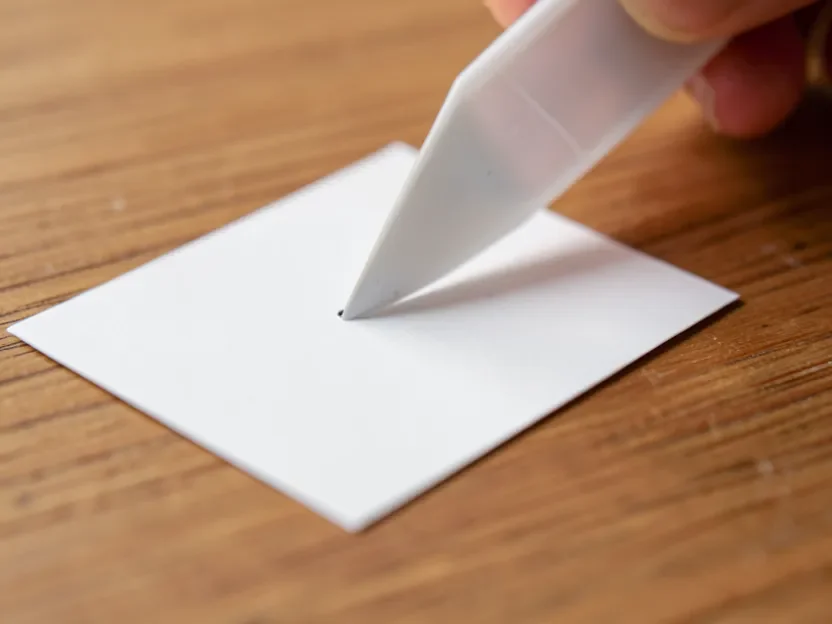
- Peel low and slow. Lift one corner with a fingernail or plastic scraper, then pull the sticker back on itself at a low angle, almost flat against the surface, instead of straight up. Reheat for a few more seconds if it starts to tear or resist.
- Clean the leftover residue. Match the solvent to the wood’s finish (see the table below), apply it to a cloth rather than directly on the wood, and wipe rather than scrub.
Best Citrus Adhesive Remover
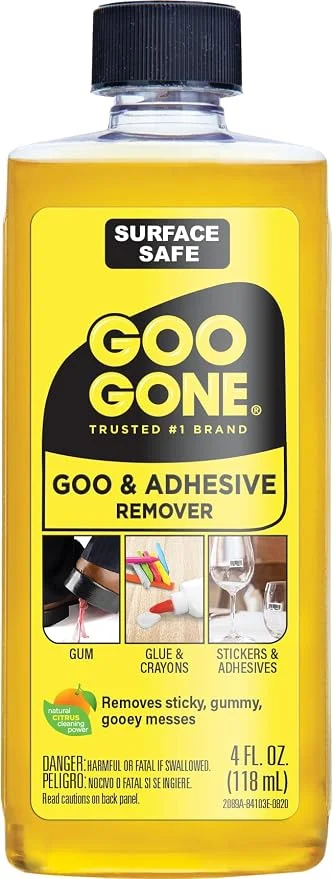 |
Goo Gone Original Adhesive Remover, 4 oz – $8.00 The citrus-based solvent that safely dissolves leftover sticker adhesive on finished, painted, and sealed wood without stripping the finish.
|
Why the Order Actually Matters
Most guides list “heat it, peel it, clean it” without explaining why skipping a step is what causes the damage people are trying to avoid. Adhesive is a polymer that gets softer and less tacky as it warms – that’s the entire reason heat works, and it’s also why pulling a cold sticker straight up tears the paper backing and leaves the adhesive layer bonded to the wood or finish. A low, flat peeling angle matters for a separate reason: it spreads the pulling force across the whole bond line instead of concentrating it at one point, which is what actually protects a painted or lacquered surface. Most reported “sticker removal ruined my finish” cases trace back to one of two things: a metal blade used to scrape at a steep angle, or a solvent applied before the bulk of the adhesive was already lifted with heat – the solvent then has longer contact time with the finish itself, not just the glue.
What You’ll Need
- A hairdryer or heat gun on a low/warm setting
- A plastic scraper, old gift card, or plastic putty knife (never metal – it scratches the finish or raw wood underneath)
- A citrus-based adhesive remover (Goo Gone or similar) for finished or painted wood
- Rubbing alcohol or mild dish soap and water for raw, unfinished wood
- Two clean microfiber cloths
Step-by-Step: Removing a Sticker From Wood
1. Test in a hidden spot first. Dab whatever solvent you plan to use on an inconspicuous area – the underside of a shelf, the back of a door – and wait a few minutes. If the finish softens, dulls, or changes color, switch to a gentler option before touching the visible surface.
2. Warm the sticker. Run the hairdryer over it in a back-and-forth motion for 20-30 seconds. You’ll usually see the edges start to curl or loosen slightly – that’s your cue it’s ready.
3. Peel at a low angle. Get a plastic scraper or the edge of a gift card under one corner, then pull the sticker back over itself, keeping it as flat against the surface as you can rather than lifting straight up. If it starts to resist or tear, stop and reheat for another 10-15 seconds.
4. Deal with the leftover residue. Apply your chosen solvent to a cloth (not directly to the wood), let it sit on the sticky spot for 1-2 minutes, then wipe in the direction of the wood grain. Stubborn spots can be gently worked with a plastic scraper, never a fingernail dragged repeatedly across finished wood.
5. Wipe and dry. Go over the area with a second clean, slightly damp cloth to lift any leftover solvent residue, then dry it immediately – standing solvent left on wood, even a mild one, can cloud a finish over time.
Match the Cleanup Method to the Wood’s Finish
The sticker itself isn’t usually what damages wood – the wrong solvent for that particular surface is. Oil-based products like WD-40 or cooking oil work well loosening adhesive, but they soak straight into raw, unfinished wood and leave a dark stain behind. Strong solvents are the opposite problem on painted or lacquered surfaces – they can soften or lift the finish itself, not just the sticker glue.
| Wood Finish | Safe to Use | Avoid |
|---|---|---|
| Raw / unfinished wood | Rubbing alcohol (light dab), mild dish soap and water | Cooking oil, WD-40, or any oil-based product – it soaks in and stains |
| Painted or lacquered | Citrus-based remover (Goo Gone), applied to a cloth, brief contact time | Acetone, lacquer thinner, or any strong solvent – dissolves the finish |
| Stained or varnished (sealed) | Citrus-based remover or rubbing alcohol, either works on a sealed surface | Prolonged soaking – even mild solvents can cloud a finish over time |
| Veneer | Low heat only, very brief solvent contact, light scraper pressure | High heat or extended solvent contact – can soften the veneer’s own glue line |
Mistakes That Actually Cause the Damage
- Using a metal scraper or knife. It’s more likely to gouge the wood or scratch through a finish than a plastic edge is, and it rarely removes the sticker any faster.
- Pulling straight up instead of at a low angle. This concentrates force on one small area of the finish instead of spreading it across the bond line.
- Skipping the heat step. Going straight to solvent means it has to work harder and sit longer, which increases the odds it affects the finish along with the adhesive.
- Using oil-based products on raw wood. Effective on the sticker, but it soaks into unsealed grain and leaves a stain that’s harder to fix than the original sticker was.
- Scrubbing hard instead of wiping. Repeated scrubbing motion, especially with a rough cloth, can dull a finish’s sheen even when the solvent itself was the right choice.
Preventing Sticker Damage Going Forward
A coat of wax or wood polish on furniture that regularly gets price tags or shipping labels creates a light barrier layer, so the adhesive bonds to the wax rather than the wood or finish underneath – it comes off with the sticker instead of staying behind. For kids’ furniture or toy boxes prone to stickers, keep a hairdryer and a plastic scraper on hand rather than reaching for whatever’s nearby when one shows up; removing a fresh sticker with the right method takes under two minutes, while an old, sun-baked one can take considerably longer and is more likely to need solvent at all.
Frequently Asked Questions
How do you remove a sticker from wood without damaging the finish?
Warm it with a hairdryer for 20-30 seconds, then peel it off at a low, flat angle with a plastic scraper rather than pulling straight up. Clean any leftover residue with a solvent matched to the finish – a citrus-based remover for painted or sealed wood, rubbing alcohol or mild soap and water for raw wood – and always test on a hidden spot first.
Does WD-40 remove stickers from wood?
Yes – WD-40 is an oil-based lubricant that loosens adhesive effectively. It works best on finished or sealed wood; on raw, unfinished wood it can soak into the grain and leave a dark stain, so wipe it off promptly and avoid using it there.
What removes sticker residue from wood without harming the finish?
A citrus-based adhesive remover like Goo Gone is formulated to be safe on finished and painted wood – apply it to a cloth, let it sit briefly, then wipe. On raw, unfinished wood, rubbing alcohol in light amounts or mild dish soap and water is the safer choice since it won’t soak in and stain.
How do you get an old sticker off a wood door?
Doors are almost always painted or finished, so heat the sticker with a hairdryer, peel it back at a low angle with a plastic scraper, then clean residue with a citrus-based remover on a cloth. Old, sun-baked stickers may need two or three rounds of heat before the adhesive fully releases – don’t force it with more scraping pressure instead.
Sponsored / affiliate links. As an Amazon Associate I earn from qualifying purchases. I may earn additional commission from eligible campaigns.