How To Glue Plywood Together: Master the Art of Seamless Bonding
Glue plywood together with a waterproof PVA wood glue and clamps: spread an even coat on both faces, then clamp tight for a bond stronger than the plywood itself — interior glue works indoors, but anything exposed to moisture needs a Type III waterproof formula. Skip the 24-hour cure or under-clamp it, and the joint can fail under load months later. This guide covers surface prep, glue application, clamping pressure, and the sanding steps that make the seam disappear.
Glue Types Compared: Which One to Use on Plywood
Best Wood Glue Pick
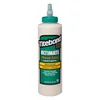
Titebond III Ultimate Wood Glue (16 oz) – $9.58
This is the waterproof PVA glue this guide’s materials list calls for — its longer 8–10 minute open time gives you room to align full plywood sheets before the clamps go on.
- Best for: Outdoor furniture, cutting boards, or any glue-up exposed to moisture
- Why we picked it: Type III waterproof rating, cures stronger than the plywood itself
- Main drawback: Costs more per ounce than an interior-only formula
Compare more plywood glue-up options
 Option 1 Titebond II Premium (16 oz) – $7.57
|
 Option 2 Gorilla Wood Glue (18 oz) – $5.99
|
 Option 3 12-Inch Bar Clamps (4-Pack) – $26.99
|
As an Amazon Associate we earn from qualifying purchases.
Not every glue behaves the same way on plywood’s layered core, and picking the wrong one is a common reason joints fail later. Here’s how the main options stack up:
| Glue Type | Open Time | Water Resistance | Gap-Filling | Best Use on Plywood |
|---|---|---|---|---|
| PVA (Type II/III wood glue) | 5–10 min | Type II water-resistant; Type III waterproof | Poor — needs tight, flush contact | Face-to-face lamination and edge joints where surfaces mate cleanly |
| Polyurethane | 15–25 min | Fully waterproof | Good — foams to fill small voids | Outdoor plywood builds or panels with slightly uneven veneer core gaps |
| Epoxy | Varies by formula, often 20–45 min | Waterproof | Excellent — thickened epoxy bridges real gaps | Marine plywood, boat builds, or repairing voids in cheap plywood before lamination |
| Contact cement | Bonds instantly on contact once tacky — no clamp time | Moderate, varies by formula | None — requires flat, uniform contact | Applying plywood as a substrate for laminate or veneer, not structural sheet-to-sheet bonding |
For most plywood-to-plywood lamination — building up a thicker panel from two or more sheets — a Type II or Type III PVA wood glue is the standard choice because it’s rigid once cured and won’t compress under clamp pressure the way a foaming glue can. Reach for polyurethane or epoxy only when the plywood has warping, uneven core voids, or will see sustained moisture exposure.
Materials You’ll Need
- Plywood sheets
- Wood glue (preferably waterproof)
- Clamps
- Sanding block or sandpaper
- Paintbrush or roller
- Clean cloth
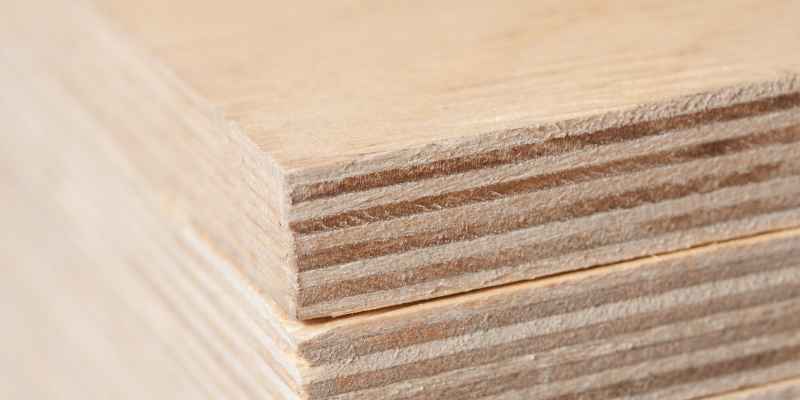
Step 1: Prepare the Plywood Surfaces
Before applying glue, ensure that the surfaces to be glued are clean, dry, and free from any dust or debris. Sand the edges and faces of the plywood to create a smooth surface for better adhesive bonding.
Step 2: Apply Glue
Using a paintbrush or roller, apply a thin and even layer of wood glue to one of the plywood surfaces. Be cautious not to apply too much glue, as excess glue can seep out and create a messy finish.
Step 3: Spread the Glue
Spread the glue evenly using a clean cloth or a disposable brush. Make sure the entire surface is covered without any gaps. This will ensure a strong and uniform bond between the plywood sheets.
Step 4: Align and Join the Plywood Sheets
Carefully align the edges of the plywood sheets that need to be joined together. Press them together firmly to ensure a tight bond. Check for any gaps or misalignments and make necessary adjustments before the glue dries.
Step 5: Apply Pressure
Apply pressure on the glued plywood by using clamps. Position the clamps along the edges, leaving a few inches of space between them. Tighten them evenly to distribute the pressure uniformly.
Step 6: Remove Excess Glue
After securing the clamps, clean off any excess glue that has squeezed out from the joints. Use a damp cloth or sponge to wipe away the excess glue before it dries. This will make the final finish neater and more professional-looking.
Step 7: Let It Dry
Allow the glued plywood to dry completely as per the manufacturer’s instructions. This typically takes 24 hours for the adhesive to set and create a strong bond. Avoid moving or applying stress to the plywood during this drying period.
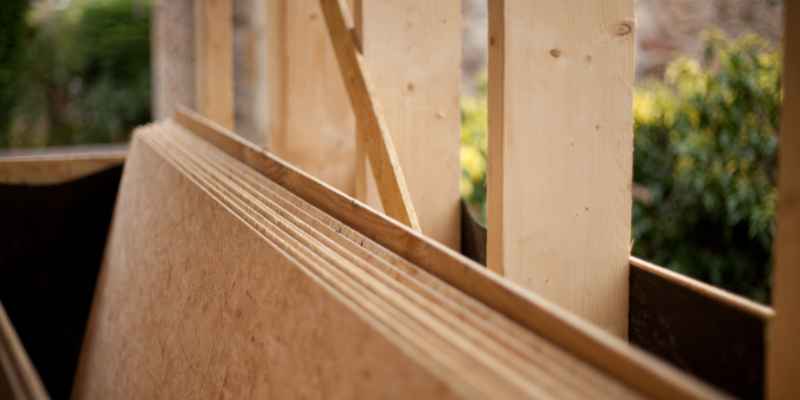
Step 8: Sand and Finish
Once the glue has fully dried, remove the clamps and sand the glued joints to create a smooth and seamless surface. This step will ensure that the transition between the plywood sheets is not visible after finishing.
How to Laminate Plywood Sheets Into a Thicker Panel
Laminating two or three sheets of plywood together is the standard way to build a thicker, more rigid panel for jigs, workbench tops, or shop furniture without buying specialty thick stock. The process is similar to gluing two pieces edge-to-edge, but full-sheet lamination has its own failure points worth planning for.
1. Prep Both Faces
Lightly sand both mating faces with 120–150 grit to knock down mill glaze and open the surface for better absorption. Vacuum or wipe away all dust — any grit left behind creates a high spot that telegraphs through as a gap once clamped.
2. Check for Flatness First
Lay both sheets on a flat surface and check for bow or twist before you ever open the glue. Laminating a warped sheet to a flat one doesn’t fix the warp; it just locks the stress into a permanently bowed panel.
3. Spread Glue at the Right Rate
For a full-sheet glue-up, a notched trowel or a paint roller gives a far more consistent spread than a brush. A 1/16-inch notched trowel puts down roughly enough PVA glue to cover the surface without pooling. Spread only one face — on plywood-to-plywood lamination there’s no need to glue both sides, since that just adds squeeze-out without adding strength.
4. Clamp With Cauls, Not Just Edge Clamps
This is the step most DIY glue-ups get wrong. Clamping only around the perimeter of a full sheet pulls the edges tight while the center stays unsupported, which is exactly how you end up with a “starved” glue joint — a bond that looks fine at the edges but has a thin, weak glue line or even a hairline gap in the middle. Lay straight, flat caul boards (dimensional lumber works fine) across the width of the panel every 12–16 inches, then clamp through the cauls so pressure is distributed evenly across the whole face, not just the perimeter.
5. Use Moderate, Even Pressure
More clamping force is not automatically better. Overtightening PVA glue joints squeezes out too much adhesive and can starve the joint of glue entirely, weakening the bond rather than strengthening it. You want enough pressure to close any gaps and see light, even squeeze-out along the seam — not to flatten the glue line to nothing.
6. Give It Full Cure Time, Not Just Set Time
Most PVA wood glues are handleable in 30–60 minutes but need the full 24-hour cure listed on the bottle to reach full strength. Leave the panel clamped and undisturbed for that full window, especially before running it through a saw or planer.
Common Mistakes When Gluing Plywood
- Over-clamping. Cranking clamps as tight as possible squeezes nearly all the glue out of the joint, leaving a starved bond that can fail under load even though it looked fine going together.
- Clamping only the edges of a full sheet. Without caul boards spanning the width, the center of a large panel gets little to no pressure and can delaminate later.
- Ignoring squeeze-out until it’s dry. Hardened glue squeeze-out won’t accept stain or finish the same way as the surrounding wood, leaving blotchy patches. Wipe it while it’s still wet, or let it skin over and shave it off with a chisel before finishing rather than sanding through it.
- Skipping void repair on cheap plywood. Big-box construction-grade plywood often has internal voids in the veneer core. If you can see or feel a soft spot near an edge you’re gluing, pack it with a thickened epoxy or wood filler first — gluing directly over a void leaves an unsupported pocket that can crush or crack later.
- Using interior glue on an exterior or high-moisture project. A standard Type I/II interior PVA will eventually let go if the piece sees regular moisture. Match the glue’s water-resistance rating to where the finished piece will actually live.
- Rushing the clamp time. Handling a panel too soon — even if the glue feels dry to the touch — can shift the joint before it’s reached working strength.
Frequently Asked Questions
Can you glue plywood without clamps?
You can get away without clamps on very small pieces using a fast-tacking glue like contact cement or by driving a few brad nails to hold alignment while a PVA glue cures, but for anything larger than a small panel, clamps (or heavy, evenly distributed weight) are what actually generate the pressure a PVA glue joint needs to bond at full strength.
How long should you clamp glued plywood?
Most PVA wood glues need at least 30–60 minutes of clamp time before the joint can hold its own shape, but the manufacturer’s full cure time — typically 24 hours — should pass before the panel is put under real load or run through machinery.
Do you need to glue both sides of the plywood?
No. For plywood-to-plywood lamination, spreading glue on one face and pressing the two sheets together is sufficient; gluing both faces just adds excess squeeze-out without improving bond strength.
Why did my glued plywood joint fail?
The most common causes are over-clamping (which starves the joint of glue), an unflat surface that left gaps under clamp pressure, skipping surface prep so dust or mill glaze blocked absorption, or using an interior-rated glue on a piece exposed to moisture it wasn’t rated for.
Conclusion
By following these step-by-step instructions, you can successfully glue plywood together for your woodworking projects. Remember to use the right adhesive — see our comparison of the best glues for laminating plywood by coverage and cost — and ensure clean surfaces for the best results. Taking your time to properly align, join, and apply pressure will result in a strong and durable bond. Happy woodworking!
Sponsored / affiliate links. As an Amazon Associate I earn from qualifying purchases. I may earn additional commission from eligible campaigns.