How to Keep Purple Heart Wood Purple (Light, Finish & Placement)
Purple heart wood (Peltogyne) cannot be kept purple forever, because the same UV light that deepens its color also slowly turns it dark brown. A UV-blocking finish, placement away from direct sun, and clear window film slow the shift, but none of them stop it. This guide covers how the color changes, where to put finished pieces, and what to do once the purple has faded.
How Fast Does Purple Heart Turn Brown, and Can You Stop It?
Best Window UV Film Pick | |
 |
BDF S2M Clear UV Blocking Window Film, 30 in x 12 ft – $43.99 A clear film applied to the inside of the glass, so every purple heart piece near that window gets the same UV cut without touching each finish.
|
As an Amazon Associate we earn from qualifying purchases. | |
You cannot stop it, but you can slow it a lot. According to the Wood Database, purple heart looks dull grayish or purplish brown when freshly cut, shifts to a deeper eggplant purple within days, and with UV exposure becomes dark brown with a hint of purple over time. The same source says the shift can be slowed and minimized with a UV-inhibiting finish.
| Stage | What the wood looks like | What drives it |
|---|---|---|
| Freshly cut or planed | Dull grayish or purplish brown | Pigment has not yet reacted |
| Within days of air and light | Deeper eggplant purple | Exposure to air and light |
| Months to years of UV exposure | Dark brown with a hint of purple | Ongoing UV exposure |
The takeaway is that color loss is a matter of how much UV the surface receives, not a defect in your wood or your finish. Everything in the rest of this guide is a way of cutting that exposure.
Why Light Both Makes and Breaks the Purple
The most common advice, keep it out of the sun, is only half right. A freshly milled board needs some light and air to develop its purple in the first place, which is why fresh boards look dull. The trouble starts after that peak: continued UV exposure keeps changing the surface toward brown.
That gives you a simple order of operations. Let the wood develop its color, then protect it before it sits in strong light for months. If you want the timing details for sealing at peak color, our guide on how to finish purple heart wood without it turning brown covers it, and how to make purple heart more purple covers developing the color on fresh boards. This page is about what comes after: keeping a finished piece looking its best where it lives.
Step 1: Control the Light Where the Piece Lives
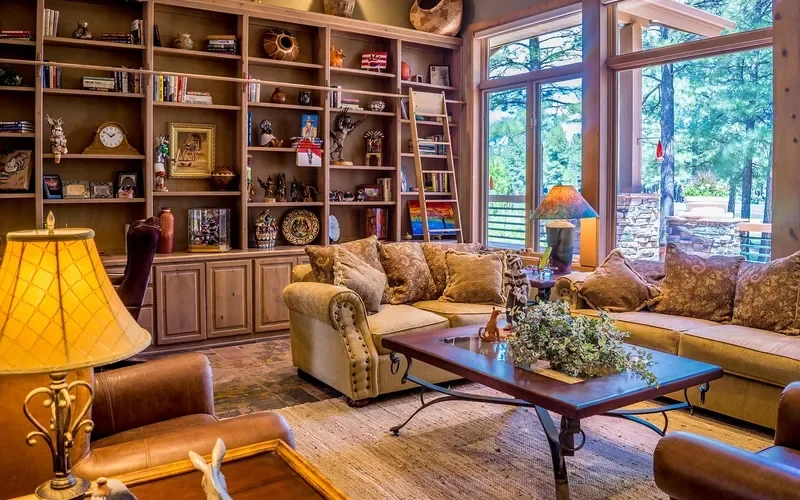
Placement is the cheapest protection you have, and unlike a finish it never wears out. Since UV exposure is what drives the shift to brown, the question for every piece is how much direct daylight reaches it.
| Where the piece sits | UV exposure | What to do |
|---|---|---|
| Interior wall or shelf away from windows | Low | Best case for holding color; a UV-blocking finish is still worth it |
| Bright room, no direct sunbeam | Moderate | Finish with a UV inhibitor; rotate small items now and then |
| In the path of a sunbeam through glass | High | Move it, add curtains or blinds, or apply UV window film |
| Outdoors (deck, bench, planter) | Highest, plus weather | Expect the color to shift toward brown even with a finish |
For a fixed piece like a tabletop or floor you cannot easily move, treat the window instead. Clear UV-blocking film goes on the inside of the glass and protects everything in the room at once, which is why we picked one for the product box above. The listing for that film says it is not intended for heat control, so it is a fade-protection tool, not a cooling upgrade.
Small pieces such as boxes, pens, and cutting boards are easy: turn them so the same face is not always in the light, and keep them off the windowsill. If you are weighing purple heart for a board that will be handled daily, see whether purple heart is good for cutting boards.
Step 2: Use a UV-Blocking Finish, and Know Its Limit
A finish protects purple heart from fading only if it contains a UV absorber or inhibitor. A plain clear coat, or a wax or oil with no UV protection, gives moisture and wear resistance but does little against the light that changes the color. Read the label: look for words like UV blockers, UV inhibitors, or UV absorbers, and treat a product that never mentions UV as unprotected.
Even a good UV finish only delays the shift, as the Wood Database notes when it says the change can be slowed and minimized, not prevented. Spar urethanes made for exterior wood are a common place to find UV inhibitors, and our purple heart finishing guide compares finish types and shows how to apply them. For general background on oil-based options, see our woodworking oil finish guide.
Use both layers where you can: a UV finish protects the surface of the piece itself, while window film cuts the UV before it reaches anything in the room. Neither replaces good placement.
Step 3: Clean and Maintain Without Stripping the Finish
The finish is your UV shield, so cleaning should never wear it away. Dust with a soft, dry cloth, and for grime use a barely damp cloth with a drop of mild dish soap, then dry the surface right away. Skip abrasive pads and harsh cleaners, which can dull or cut through the film that is doing the protecting.
- Dust weekly with a soft cloth; grit dragged across a finish scratches it.
- Wipe spills promptly and dry the surface.
- Once a year, look at the sunniest areas for dull, worn, or thin patches.
- Recoat worn areas following the product label; the recoat interval depends on the finish and how much sun the piece gets.
Storing Unfinished Purple Heart Stock
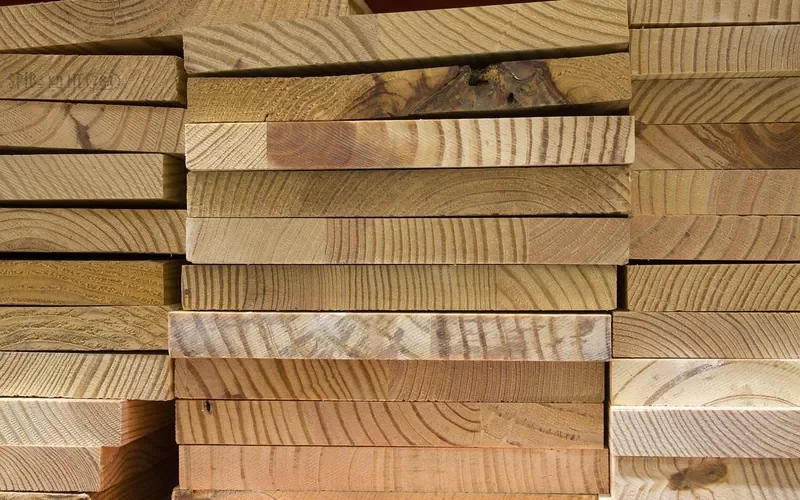
If you are holding boards for a future project, remember that unfinished wood is unprotected and keeps reacting to light. Cover stock you want to keep at its best, store it away from windows, and finish it soon after your final sanding rather than leaving it under shop lights and skylights for weeks.
What Does Not Work
- Relying on wax or plain oil alone. Without a UV inhibitor, they are not a light shield.
- Sealing it and then parking it in a sunny window. Even a UV finish only slows the shift, so direct sun still wins over time.
- Hiding it in the dark before it develops. Fresh wood needs some air and light to reach its purple.
- Expecting outdoor purple heart to stay purple. Full sun and weather make that unrealistic.
If the Purple Has Already Faded
Browned purple heart is not ruined. Sanding away the thin, light-affected surface layer and refinishing with a UV-blocking coat is the usual fix, and our restoration steps walk through it. Because the Wood Database reports purple heart as a sensitizer, wear a dust mask or respirator and eye protection while sanding, and avoid letting the dust sit on bare skin.
Frequently Asked Questions
Will purple heart wood stay purple forever?
No. Purple heart shifts toward dark brown with a hint of purple as UV light acts on it over time. A UV-blocking finish, placement away from direct sun, and UV window film slow that shift, but none of them stop it completely.
Does oil keep purple heart wood purple?
Only if the product contains a UV inhibitor. The color change is driven by UV light, so an oil or wax without UV protection is not a shield against it. Check the label for UV blockers before you count on any finish to hold the color.
Can you keep purple heart purple outdoors?
Not realistically. Outdoor pieces get full sun and weather, so plan on the color shifting toward brown even with a UV-blocking finish. The reason to use purple heart outside is its durability, which the Wood Database rates as very durable, not its color.
Is it safe to sand purple heart to refresh the color?
Take precautions. The Wood Database reports purple heart as a sensitizer, with eye and skin irritation and nausea among the reported reactions. Wear a properly fitted dust mask or respirator and eye protection, and collect the dust as you sand.
Conclusion
Keeping purple heart purple comes down to managing UV: place pieces out of direct sun, add UV film to sunny windows, choose a finish that actually lists UV protection, and clean gently. Expect a slow move toward brown regardless, and refresh the surface by sanding and refinishing when it happens. For the species background behind all of this, see our overview of purpleheart wood.
Sponsored / affiliate links. As an Amazon Associate I earn from qualifying purchases. I may earn additional commission from eligible campaigns.