Keep a Rug from Sliding on Hardwood Floors (5 Methods Ranked)
A natural-rubber rug pad stops most rugs from sliding on hardwood floors, but Velcro anchors and residue-free tape hold runners and stair rugs a pad cannot grip. Using hot glue in a high-traffic hallway can bake adhesive into the finish and cost more to fix than the rug itself. This guide compares five methods by grip strength and floor safety, plus how to flatten curled corners without retaping the whole rug.
What Makes a Rug Slide on Hardwood Floors?
Best Anti-Slip Pick
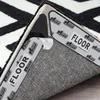
Gorilla Grip Extra Long Rug Grippers, 8-Pack – $11.98
Dual-sided adhesive discs that stick to both the rug’s underside and the floor finish — the same fix this guide’s “Preventing Corner Curling” section below relies on for keeping edges flat.
- Best for: stopping corner curl and edge lift on rugs that already sit flat in the middle
- Why we picked it: cheapest fix in this guide per square foot of rug, and removable without a full re-pad
- Main drawback: won’t stop a whole lightweight rug from sliding — pair with a full pad for that
Compare more rug anti-slip options
 Option 1: Full Pad SAFAVIEH Dual Surface Rug Pad, 4’x6′ – $55.00
|
 Option 2: Tape XFasten Double-Sided Rug Tape, 30yd – $15.99
|
 Option 3: Cushion Only RugPadUSA 100% Felt Pad, 7’4″x9’4″ – $104.95
|
As an Amazon Associate we earn from qualifying purchases.
Rug slippage is friction loss between a rug’s backing and a sealed, smooth hardwood finish that lets the rug shift under foot traffic. It happens most with lightweight, loosely woven, or synthetic-backed rugs, and gets worse on floors with a glossy polyurethane topcoat because the finish itself has almost no texture for the rug to grip. Rugs over radiant-heated floors slide more too, since the warmth can soften cheap rubber backings. It is not just rugs, either — the same friction loss is why furniture legs and bed frames creep across a hardwood floor, and the fix for a bed that slides on hardwood relies on the same rubber-grip principle covered below.
📊 An estimated 37,991 adults aged 65+ are treated in U.S. emergency departments every year for falls tied to rugs and carpets, and mats/rugs/carpet are involved in roughly 30% of all home falls. — Source: National Electronic Injury Surveillance System study, NIH/NCBI
Best Rug Pads for Hardwood Floors
A dedicated rug pad is the most reliable fix because it adds grip on both sides at once: it grabs the floor finish and gives the rug backing something to bite into. A pad also reduces the “sailing” motion that causes corners to curl, since the whole rug is cushioned and stabilized instead of just the edges.
Material Types That Grip Best
- Natural rubber: the strongest grip on sealed hardwood and won’t react with polyurethane finishes; look for pads labeled “safe for hardwood” specifically, since some rubber blends can leave a yellowish stain over time.
- Felt + rubber dual-surface: a felt top layer protects the rug from the rubber underneath, and works on hardwood, tile, and carpet-over-carpet placements.
- 100% felt: adds cushioning and noise reduction but is not anti-slip on its own — pair it with grippers or tape if the rug isn’t already held down by furniture.
Choosing the Right Thickness and Size
A pad around 1/4 inch thick suits most area rugs — thin enough to avoid a noticeable lip at the edge, thick enough to cushion and grip. Cut the pad roughly 1 inch smaller than the rug on all sides so it stays hidden and doesn’t peek out from under the edges.
Rug Tape, Grippers, and Velcro Anchors
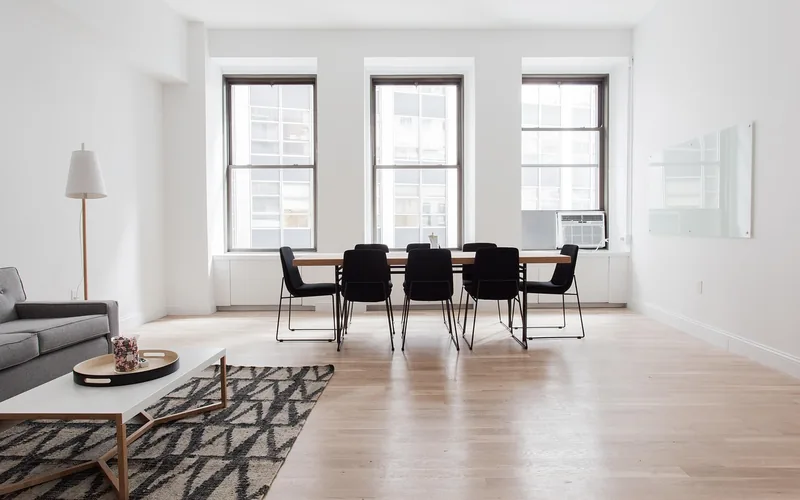
When a full pad is too bulky — under a bathmat, a stair runner, or a rug that already sits on carpet — tape, grippers, and Velcro anchors do the job with almost no added height. Look for a residue-free silicone adhesive rather than a generic double-sided tape; standard adhesives can leave a sticky film or peel up wood finish when removed — if that happens, removing tape residue from wood without damaging the finish takes a gentler approach than scraping.
How to Apply Rug Gripper Tape
- Clean the floor: wipe away dust and any wax residue so the adhesive bonds to the finish, not to a layer of grime.
- Measure and cut: run strips along each edge and one diagonal cross through the middle of larger rugs, leaving a small margin from the very edge.
- Apply and press: peel the backing in short sections and press firmly as you go so no air bubbles form under the strip.
- Recheck seasonally: humidity swings loosen adhesive faster than foot traffic does, so check grip at each season change.
Using Velcro Anchors for Runners and Stair Rugs
Hook-and-loop (Velcro) anchors work especially well where a rug pad can’t sit — hallway runners and individual stair-tread rugs. Cut small squares of the hook side and attach them to the rug’s underside at each corner and at 12–18 inch intervals along a runner’s length, then press the matching loop-side squares onto the clean floor in the same spots. Unlike tape, Velcro anchors separate cleanly for vacuuming and don’t need full reapplication — you just re-press the two halves together.
DIY Solutions: Silicone Caulk vs. Hot Glue
Both methods create a raised, tacky texture on the rug’s underside that grips the floor without a separate pad. Run thin, evenly spaced beads across the back of the rug — concentrate extra lines near the corners, since that’s where lift starts — and let the beads cure completely before setting the rug back down.
Before You Reach for Hot Glue
Hot glue and silicone caulk both leave adhesive residue behind once the rug is removed, and hot glue can soften and smear if a heat source (like sun through a window or under-floor heating) warms it above room temperature. Reserve either method for a rug you plan to leave in one spot long-term and in low-to-moderate foot traffic — for a rug you rotate or clean often, a rug pad or residue-free tape protects the finish better.
Comparing Your Options at a Glance
Grip strength, ease of removal, and cost trade off differently across each method — use this table to match the fix to the rug and room.
| Method | Grip Strength | Removable Without Residue? | Best For |
|---|---|---|---|
| Rubber/felt rug pad | High | Yes | Area rugs of any size |
| Corner grippers | Medium | Yes | Curling corners only |
| Residue-free tape | Medium-High | Yes | Runners, stair rugs |
| Velcro anchors | Medium-High | Yes | Runners, rugs moved often |
| Silicone caulk / hot glue | Highest | No — leaves residue | Long-term, low-traffic placement only |
Fixing Curled or Lifted Rug Corners
Corners curl for a different reason than the whole rug sliding: the middle of the rug is held down by weight and floor contact, but the edges have nothing holding them flat, so they lift and become a tripping hazard. Corner grippers and rug clips fix this without redoing the whole rug’s backing.
Weighted Furniture and Rug Clips
Positioning a coffee table, ottoman, or floor lamp base over each corner adds enough dead weight to stop most curling outright — it’s the simplest fix because it needs no adhesive at all. Where furniture placement won’t reach every corner, rug clips (small non-slip rubber tabs that tuck under the edge) hold the remaining corners flat and are easy to reposition if you rearrange the room.
New Rugs and Factory Curl
A rug fresh from shipping often curls simply from being rolled for transit, not from a slipping problem at all. Reverse-roll the corners tightly for a day or two, or weight them flat with books overnight; if the curl comes back after the rug settles in for a few weeks, treat it as a grip issue and use grippers or clips instead of continuing to fight factory memory.
“The floor damage calls we see aren’t usually from rugs sliding — they’re from whatever someone used to stop the sliding. Hot glue and off-brand double-sided tape are the two most common residue problems we’re asked to buff or refinish out of a hardwood floor. A rubber-backed pad or a silicone tape rated residue-free avoids that call entirely.”
Rug and Floor Maintenance
Grip fails faster when dust builds up between the rug and the pad, since debris acts like tiny ball bearings under the backing. Vacuum the rug weekly and lift it to sweep or vacuum the floor underneath every 1–2 months — more often in a high-traffic entryway. Wipe rubber-backed pads with a barely damp cloth occasionally; a fully soaked pad can trap moisture against the finish. Before you deep-clean, check whether steam cleaning a rug on hardwood floors is safe for your specific rug and pad, and confirm any wood floor cleaner is pet-safe before using it near the edges of the rug.
Rug Grip by Floor Type: Hardwood vs. Tile vs. Vinyl
Sealed hardwood needs a pad or tape labeled specifically “safe for hardwood,” since some general-purpose rubber pads contain plasticizers that can discolor a finish over months of contact. Tile and stone tolerate a wider range of pad materials since there’s no finish to react with, but a felt-only pad works better there for cushioning underfoot. Vinyl and laminate are the most sensitive to adhesive tape — test a small piece in a hidden corner first, since some adhesives can pull up the surface layer on removal.
Frequently Asked Questions
What do you put under a rug so it doesn’t slide?
Put a natural-rubber or felt-and-rubber rug pad under the rug — it grips both the floor finish and the rug backing at once. If a pad is too bulky for the space, residue-free double-sided tape or Velcro anchors under the corners and edges work as a lower-profile alternative.
Can you use rug grippers on hardwood floors?
Yes. Rug grippers made with a water-based or silicone adhesive are safe for sealed hardwood and won’t leave residue when removed. Avoid grippers with a strong permanent industrial adhesive, since those are more likely to pull at the finish on removal.
How do you stop a floor mat from slipping?
Use a thin non-slip rug pad sized to the mat, or apply gripper dots to the four corners and the center of each long edge. Small entryway mats slip more than large area rugs because they have less surface contact and weight, so corner grippers alone are often enough.
Is hot glue safe for hardwood floors long-term?
Hot glue works, but it’s a long-term commitment, not a safe default. It leaves adhesive residue behind once removed and can soften if the spot gets warm from sunlight or under-floor heating. Reserve it for a rug you don’t plan to move, in low-to-moderate foot traffic, and use a rug pad or residue-free tape everywhere else.
Do Velcro strips damage hardwood floors?
Standard hook-and-loop rug anchors use a mild adhesive backing that peels off cleanly from a sealed finish when removed slowly and at a low angle. They’re a safer choice than a strong industrial adhesive, but always test a small piece in an inconspicuous spot first if the floor’s finish is older or already worn thin.
How do you keep a rug corner from curling without tape?
Weight the corner with a piece of furniture, or use a small non-slip rug clip that tucks under the edge without any adhesive at all. If the curl is just leftover shipping roll from a new rug, reverse-rolling it or weighting it flat for a day or two usually resolves it without any product.
Conclusion
A rubber or felt-and-rubber rug pad solves rug slippage for most area rugs, while residue-free tape and Velcro anchors handle runners and stair rugs a pad can’t fit under. Save silicone caulk or hot glue for a rug that’s staying put long-term in a low-traffic spot, since both leave residue that’s harder to undo than the sliding problem itself. For curling corners specifically, start with weight and grippers before reaching for any adhesive at all.
Sponsored / affiliate links. As an Amazon Associate I earn from qualifying purchases. I may earn additional commission from eligible campaigns.