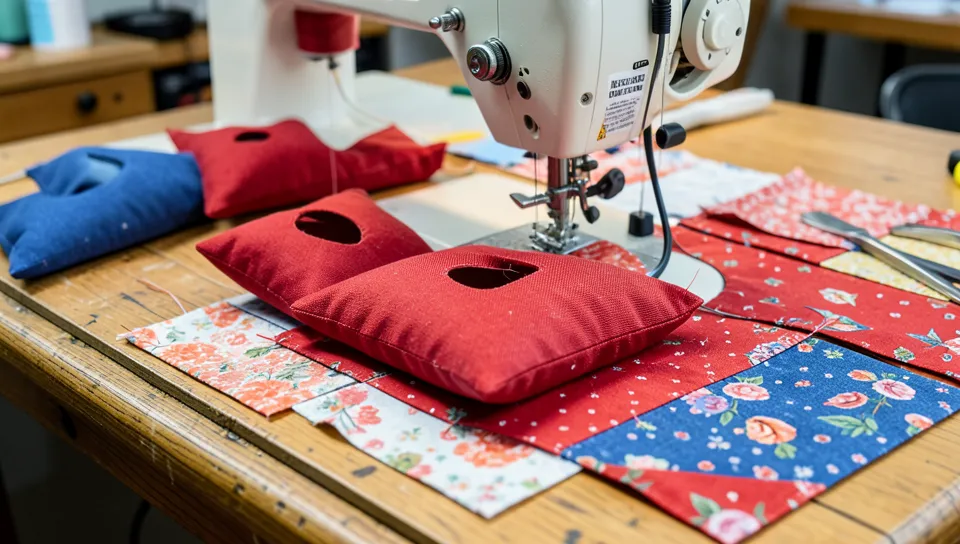
How to Make Cornhole Bags: Regulation Size, and Why Resin Beats Corn Filler Outdoors
Making your own cornhole bags is a simple sewing project, but two decisions determine whether the bags you make actually hold up: getting the size and weight right for real play, and choosing the correct filler for how the bags will be used. Whole corn is the traditional filler and it’s what gives cornhole its name, but it’s a poor choice for a set of bags that live outside.
Here’s the full process, plus the corn-versus-resin filler question answered honestly instead of just defaulting to “use corn” because that’s the traditional name.
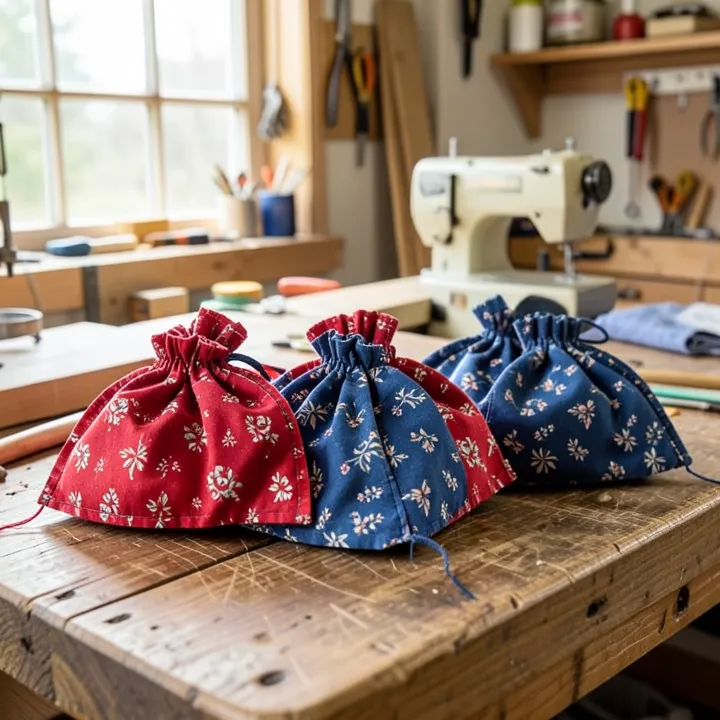
Materials You’ll Need
Best Filler for All-Weather Bags
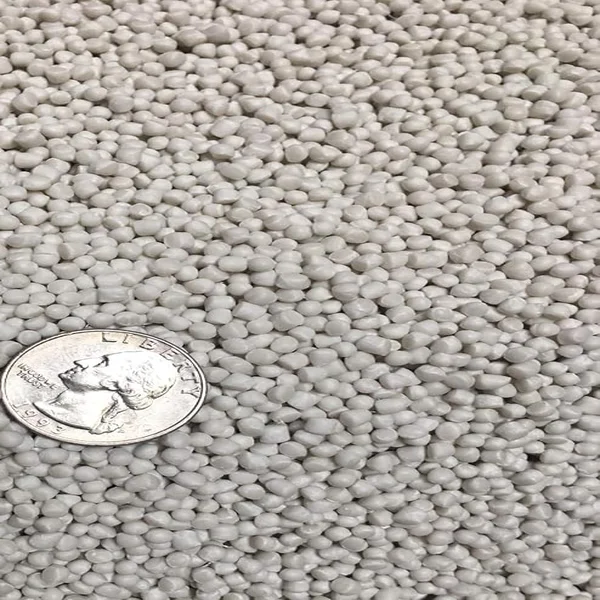 |
Tailgating Pros Resin Fill Pellets (16 lb) – $42.80 The standard filler for bags that will actually live outside, since it won’t absorb moisture, mold, or attract pests the way whole corn can.
|
- Duck cloth or canvas fabric, 10-12 oz weight (lighter fabric tears faster under repeated sliding and impact on the board)
- Matching or contrasting thread — use a heavy-duty polyester thread, not standard all-purpose, since it holds up better to the stress of a bag hitting a board repeatedly
- Sewing machine (hand-sewing works but takes much longer and is harder to make durable)
- Fabric scissors, pins or fabric clips, a fabric marker or chalk
- Filler: either whole kernel corn or plastic resin pellets (see below)
- A kitchen scale, to hit the correct fill weight
Regulation Size and Weight
The American Cornhole Association standard is a 6 inch by 6 inch finished bag, filled to 15-16 ounces. Cut your fabric squares at 6.5 x 6.5 inches to allow for a 1/4-inch seam allowance on all sides, which gives you the correct 6×6 finished size once sewn.
Sewing the Bags
- Cut two 6.5 x 6.5 inch squares of fabric per bag (you need two layers for durability — a single layer of even heavy duck cloth wears through faster).
- Place the two squares right sides together and pin or clip along the edges.
- Sew around three full sides and about an inch in from each corner on the fourth side, using a 1/4-inch seam allowance. Leave a 3-4 inch gap in the middle of the fourth side for turning and filling.
- Backstitch (sew a few stitches forward and back) at the start and end of every seam, and again at each corner — corners take the most repeated stress in play and are where a poorly finished bag blows out first.
- Trim the corners at an angle (without cutting into the stitching) so they turn out sharp instead of bunched.
- Turn the bag right-side out through the gap you left, and push the corners out fully with a blunt point like a chopstick.
- Weigh out 15-16 oz of filler and pour it in through the gap.
- Fold the raw edges of the gap inward and either hand-stitch it closed with a slip stitch, or pin it and run it through the machine carefully, sewing close to the folded edge.
Corn vs. Resin Filler: The Trade-off Most Guides Skip
Whole kernel corn is the traditional filler and it’s inexpensive, but it has a real downside outdoors: corn absorbs moisture from humidity and rain, which leads to swelling, mold, and eventually rot inside the bag. It’s also a food product, which can attract insects or rodents if the bags are stored outside or in a garage long-term. For indoor-only bags used occasionally, corn is fine and it’s the traditional choice for a reason — it has a satisfying weight and feel.
Plastic resin pellets cost more upfront but don’t absorb moisture, don’t mold, and don’t attract pests, which is why they’re the standard filler for “all-weather” bags meant to live on a board set left outside or in a garage. If your bags will ever get rained on, stored in a humid shed, or left out for a season, resin is the better long-term choice even though corn is cheaper at the register.
Making Bags for Both Indoor and Outdoor Play
Many players keep two sets: a corn-filled set for indoor or garage play where moisture isn’t a concern, and a resin-filled set that lives with the boards outside. If you only want to make one set and aren’t sure which way you’ll use them most, default to resin — a resin-filled bag performs fine indoors too, while a corn-filled bag left outside through a rainy week can be ruined.
Frequently Asked Questions
What’s the official cornhole bag size and weight?
The American Cornhole Association standard is a 6 inch by 6 inch finished bag filled to 15-16 ounces. Cutting fabric squares at 6.5 x 6.5 inches accounts for the seam allowance and yields the correct finished size.
Is corn or resin filler better for cornhole bags?
Corn is traditional and cheaper, and it’s fine for bags used indoors or stored somewhere dry. Resin pellets cost more but don’t absorb moisture, mold, or attract pests, making them the better choice for bags that will be used or stored outdoors.
What fabric should I use to make cornhole bags?
10-12 oz duck cloth or canvas is the standard choice. It’s heavy enough to withstand repeated sliding across a cornhole board and direct hits without tearing, unlike lighter cotton fabrics.
Sponsored / affiliate links. As an Amazon Associate I earn from qualifying purchases. I may earn additional commission from eligible campaigns.