How to Put Wood on Walls: Step-by-Step Guide
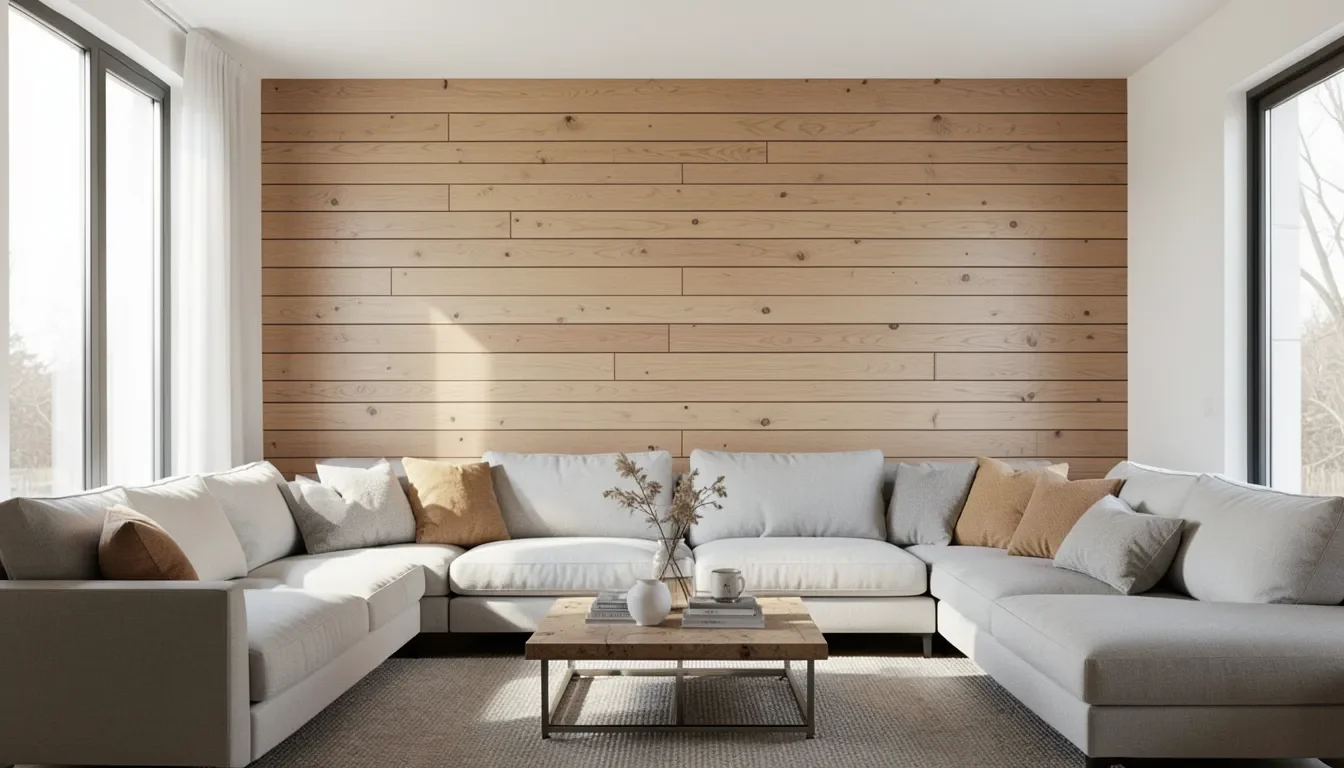
To put wood on a wall, mark your stud locations 16 or 24 inches apart, cut your boards to size and leave a small 1/8-1/4 inch expansion gap between them, then secure each board with a finish nailer into the studs, construction adhesive, or both together for the strongest hold. A wood accent wall can transform a plain room, and the project is manageable for a first-time DIYer with the right prep and the right fastening method for the boards you’re using.
Gathering Materials
Skip The Visible Nail Holes
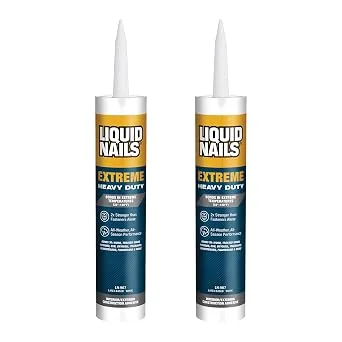 |
Liquid Nails Extreme Heavy Duty Adhesive A construction-grade adhesive strong enough to hold wood planks against studs or drywall without relying on visible fasteners.
|
Choose sturdy, straight wood planks that match the look you want – shiplap, tongue-and-groove, or plain square-edge boards all work, though tongue-and-groove hides seams best on a full wall. You’ll also need a miter saw for clean, precise cuts (especially around outlets and window trim), a tape measure, a 4-foot level, a stud finder, and safety glasses and gloves.
Preparing The Wood
Measure your wall’s height and width, then cut your boards to length, leaving that 1/8 to 1/4 inch expansion gap in mind at the perimeter and between boards. If you’re staining the planks rather than using pre-finished wood, do it now while the boards are flat and easy to handle – apply a thin, even coat with the grain, let it penetrate for the time the product specifies, then wipe off the excess and let the boards dry completely before installing.
Sand the cut edges and any rough faces with fine-grit sandpaper before installation – this matters more than it looks like it would, since rough edges are far more visible once the boards are hung at eye level under room lighting than they were sitting flat on a workbench.
Installing The Wood
Snap or draw a level line near the bottom of the wall as your starting reference – every board after the first one will follow off this line, so getting it level matters more than any single board’s placement later. Locate wall studs with a stud finder and mark their centers in pencil along the top of the wall where the marks will be covered.
| Method | Holding Strength | Best For | Drawback |
|---|---|---|---|
| Nails/finish nailer into studs | Highest – mechanical hold | Full plank walls, heavier boards | Nail holes need filling for a seamless look |
| Construction adhesive only | Good, if wall studs aren’t in a usable pattern | Light to medium boards, no visible fasteners | 24-72hr cure time; needs temporary bracing/tape while curing |
| Adhesive + nails combined | Strongest overall | Most accent wall projects | Slightly more setup than either method alone |
| Peel-and-stick planks | Lowest – light boards only | Small accent areas, renters | Not rated for heavy solid wood boards |
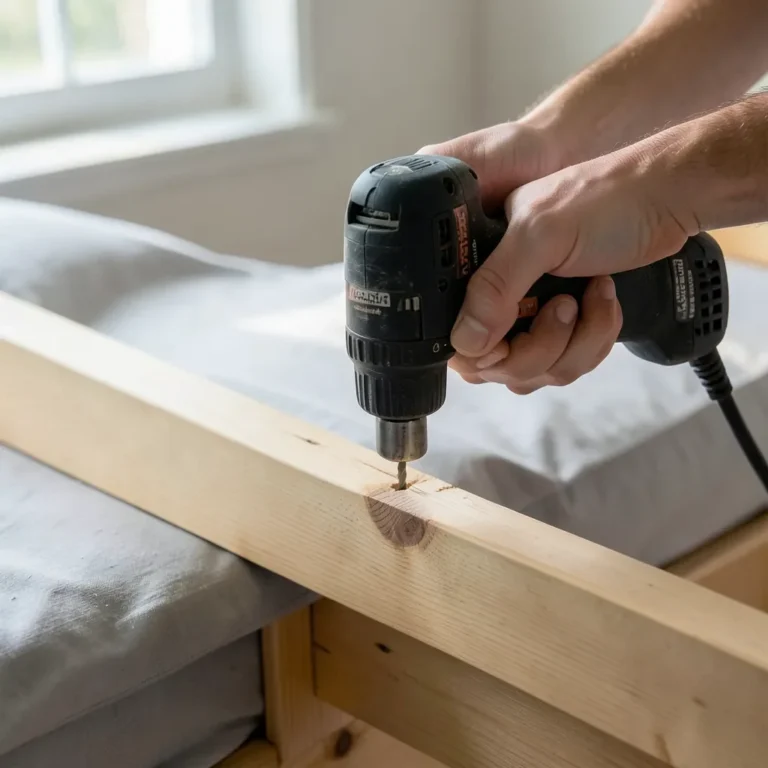
For a nailed installation, drive finish nails through the board and into the center of each stud, keeping nails in a consistent pattern (typically near the top and bottom edge of each board) so the reveal looks intentional. For an adhesive installation, apply construction adhesive in a zigzag pattern across the back of the board, press it firmly into place aligned with your level line, and hold or brace it for the time the adhesive’s label specifies – most reach initial grab within minutes but need a day or more to fully cure, so avoid leaning anything against a freshly glued board. Combining nails with adhesive gives the strongest, most sag-resistant result and is the standard approach for a full accent wall.
If a board is warped, clamp it flat against the wall while the adhesive or nails set, or set it aside for a less visible cut piece – forcing a badly warped board into a wall rarely looks right even after it’s fastened down.
Working Around Outlets And Trim
Before installing a board over an outlet or switch, hold it in position, mark the box’s outline in pencil on the back, and cut the opening with a jigsaw before mounting the board. Outlet boxes typically need to be extended forward with a box extender once the wood adds thickness to the wall, so the outlet still sits flush rather than recessed – check this before your final electrical inspection or use, and consult an electrician if you’re not comfortable with the extension yourself.
Around windows and doors, measure and cut trim pieces to fit tightly against the existing casing, then secure them with finish nails or adhesive the same way as the field boards. A scribing technique – holding a board against an uneven wall or corner, tracing the contour with a compass or level held vertically, then cutting along that line – gives a tight fit against walls that aren’t perfectly flat, which is common in older homes.
Final Touches
Once every board is secure, fill any visible nail holes with wood filler that matches your stain or paint color, let it dry, and sand it smooth. Check the whole wall for gaps or boards that sit slightly proud of their neighbors, and address those now rather than after the final finish coat goes on. A finished accent wall should read as one continuous surface from a few feet back, even though it’s built from dozens of individual boards.
Frequently Asked Questions
How Do You Attach Wood To A Wall?
Locate the wall studs with a stud finder and mark their positions, then either nail the boards into the studs with a finish nailer or brad nailer, apply construction adhesive to the back of each board for a nail-free hold, or combine both methods for the strongest result. Studs in most homes sit 16 or 24 inches apart on center, so plan your board layout around that spacing when possible.
How Do You Get Wood To Stay On The Wall Without Nails?
Construction adhesive is the standard nail-free method – apply it in a zigzag or S-pattern across the back of the board, press the board firmly against the wall, and hold or brace it in place while the adhesive grabs. Most construction adhesives reach handling strength within a few hours but need 24 to 72 hours to fully cure, so tape or a temporary brace keeps the board from shifting during that window.
Do Wood Planks On A Wall Need A Gap Between Them?
Yes, for solid wood boards. Wood expands and contracts with seasonal humidity changes, so leaving a small 1/8 to 1/4 inch gap between boards – and around the perimeter where the wall meets the ceiling or floor – gives the wood room to move without buckling or cracking the finish. Engineered wood panels and MDF planks move less than solid wood and can usually be installed with tighter joints, but check the manufacturer’s spacing recommendation for the specific product.
How Do You Attach Wood To A Wall Without Damaging It?
For renters or walls you don’t want to put holes in, adhesive-backed peel-and-stick wood planks or a removable mounting tape rated for the board’s weight are the least damaging options, though both are limited to lighter boards and smaller accent areas rather than a full wall. For a more permanent installation with minimal wall damage, construction adhesive leaves only the eventual patch-and-paint work of removal, compared to the multiple nail holes a full nailed installation leaves in both the studs and the boards.
Conclusion
A wood accent wall comes down to three things: accurate stud locations, a consistent expansion gap between boards, and a fastening method – nails, adhesive, or both – that matches the weight of your boards. Take the time to level your first reference line and work through outlets and trim carefully, and the result will read as a professional, seamless wall rather than a stack of individual planks.
Sponsored / affiliate links. As an Amazon Associate I earn from qualifying purchases. I may earn additional commission from eligible campaigns.