How to Refinish Wood Furniture: Step-by-Step Guide
Refinishing wood furniture means stripping the old finish down to bare wood, repairing damage, then applying a new stain or paint and a protective topcoat. Most pieces can be done in a single weekend for $40 to $90 in supplies if you already have basic tools. Below is the full step-by-step process, what to buy, and when a faster no-sanding shortcut makes more sense than a full strip.
Step-by-Step: How to Refinish Wood Furniture
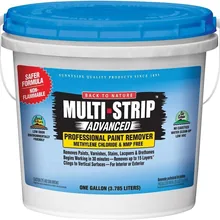
Sunnyside Multi-Strip Advanced Paint & Varnish Remover
- Best for: removing multiple layers of paint, varnish, or lacquer without heavy sanding
- Why picked: heavy-bodied formula clings to vertical surfaces and removes multiple coats of paint or varnish in a single application, leaving a clean surface ready for new finish
- Drawback: strong odor during application; still needs good ventilation
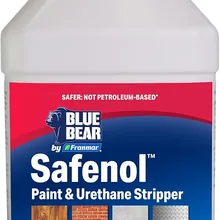
Blue Bear Safenol Stripper Gel
- Best for: antiques and fine furniture
- Why: low-odor, biodegradable gel formula with no methylene chloride, gentle enough for detailed pieces
- Drawback: slower acting than solvent-based strippers on heavy multi-coat buildups
General Finishes Java Gel Stain
- Best for: even color on blotch-prone woods like pine and birch
- Why: gel consistency sits on the surface instead of soaking in unevenly
- Drawback: longer recoat times than liquid stains
Minwax Wipe-On Polyurethane
- Best for: a hand-rubbed look with no brush marks
- Why: wipes on with a cloth, dry to recoat in 2-3 hours
- Drawback: needs more coats than brush-applied poly for equal durability
As an Amazon Associate we earn from qualifying purchases.
- Clean the piece. Wash with warm water and a mild dish soap to remove grease, wax, and grime before you touch a stripper or sander — buildup left on the surface will gum up sandpaper and block stain absorption.
- Repair damage. Fill deep gouges, scratches, and nail holes with wood filler or epoxy putty, then sand flush once dry.
- Strip the old finish. Apply a gel or liquid stripper, following the ventilation and glove guidance on the label, then scrape and wipe away the softened finish.
- Sand the wood. Work through 80-grit, then 150-grit, then 220-grit, always sanding with the grain, not across it. See our full sandpaper grit guide for furniture-specific advice.
- Stain or paint. Apply stain with a rag or brush in even strokes — the longer it sits before wiping off, the darker the color. See our guides on staining technique and thinning stain if it’s going on too thick or blotchy.
- Seal with a topcoat. Polyurethane gives the most durable, water-resistant protection for tables and dressers; furniture wax gives a softer, more natural sheen for lower-use pieces.
What You’ll Need
Dish soap and warm water for cleaning, wood filler or epoxy putty for repairs, a gel or liquid paint/varnish stripper, a plastic scraper, sandpaper in 80/150/220 grit (or an orbital sander for larger pieces), rubber gloves and eye protection, your chosen stain or paint, clean rags or a brush, and a polyurethane topcoat or furniture wax. Work in a well-ventilated space or outdoors when stripping and staining.
How to Refinish Wood Furniture With Paint
Painting follows the same clean-repair-strip-sand sequence, but you can stop sanding at 150-grit since paint doesn’t need to show off the wood grain. Prime with a bonding primer if you’re going over a glossy old finish, then apply two thin coats of furniture-grade paint rather than one thick one — thin coats level out brush marks and dry harder. A clear topcoat over the paint adds scuff resistance for high-use pieces like dining tables and dressers.

How to Refinish Wood Veneer Furniture
Veneer is a thin layer of real wood over a substrate, usually 1/32 to 1/8 inch thick, so heavy sanding can cut straight through it and expose the substrate underneath. Use a liquid or gel stripper instead of aggressive sanding to remove the old finish, sand very lightly by hand with 220-grit paper just to scuff the surface, and check corners and edges carefully — that’s where veneer is thinnest and most likely to sand through. Loose or lifting veneer should be re-glued with wood glue and clamped before refinishing, not sanded over. Learn more about how veneers are made to understand why they behave differently from solid wood.

Can You Refinish Engineered or Pressed Wood Furniture?
Engineered wood (plywood or MDF with a real wood veneer top layer) can be refinished the same way as solid veneer furniture — light sanding only, since the veneer layer is thin. Pressed wood (particleboard or fiberboard with a printed laminate, not real wood) generally cannot be sanded and re-stained at all, because there’s no wood grain underneath the printed layer to reveal. For pressed wood, your realistic options are painting over the laminate with a bonding primer, or applying a wood-look adhesive veneer. Trying to strip or heavily sand pressed wood usually just damages the substrate.
Want to Skip Sanding Entirely?
Chemical-stripper-only methods can remove an old finish without any sanding at all, which is useful for pieces with detailed carving or veneer where sanding risks damage. We cover that full no-sand process, including which strippers work best and how to get a smooth result without a single pass of sandpaper, in our dedicated guide: How to Refinish Wood Furniture Without Sanding.
Is It Worth It to Hire a Professional?
DIY refinishing costs roughly $40-$90 in supplies and one weekend of work for a typical dresser, table, or chair set. Professional refinishing services typically charge per piece based on size and condition, and are worth considering for high-value antiques, pieces with intricate carving, or anything where a mistake would be costly to undo. For everyday furniture in good structural condition, DIY refinishing is the more economical choice and doesn’t require specialized equipment beyond what’s listed above.
Product Recommendations
FAQ
How much does it cost to refinish wood furniture?
DIY refinishing typically costs $40 to $90 in supplies (stripper, sandpaper, stain, topcoat) for a standard dresser, table, or chair. Professional refinishing costs more but is worth it for high-value antiques or intricate pieces.
Can you refinish furniture without stripping or sanding?
Yes, using a chemical-stripper-only approach with no sanding at all. This works well for carved or veneered pieces where sanding risks damage. See our dedicated no-sand refinishing guide for the full process.
Can you refinish engineered or pressed wood furniture?
Engineered wood with a real veneer top layer can be lightly sanded and refinished like solid wood. Pressed wood with a printed laminate generally cannot be sanded and stained, since there’s no real wood grain underneath — painting over it with a bonding primer is the more realistic option.
How long does it take to refinish a piece of furniture?
Most single pieces — a dresser, table, or chair — can be refinished in one weekend, including drying time between coats. Multiple coats of stain or topcoat, and their recoat times, are usually the biggest factor in total project length.
Conclusion
Refinishing wood furniture comes down to six steps: clean, repair, strip, sand, stain or paint, and topcoat — a process most people can finish in a weekend for under $100 in supplies. Veneer and engineered wood need a lighter touch since sanding through the thin top layer can’t be undone, and pressed wood is usually a paint-only candidate. If sanding isn’t an option for your piece, our no-sand refinishing guide covers the chemical-stripper-only method in full detail.
Sponsored / affiliate links. As an Amazon Associate I earn from qualifying purchases. I may earn additional commission from eligible campaigns.