How to Remove Paste Wax From Furniture Before Refinishing
Paste wax dissolves fastest in mineral spirits or naphtha — wipe it on with a soft cloth, let it sit 60 seconds, then wipe the softened wax away and repeat until a clean cloth comes away spotless. This is different from wiping up a fresh candle-wax spill; it’s about stripping a built-up wax finish before you refinish, restain, or stop a hazy surface from attracting dust. Below: solvent choice, step-by-step removal, and how to confirm the wax is really gone before you put anything new on the wood.
Note: this guide is for full paste-wax buildup — the protective wax coat applied over months or years of polishing. If you just dripped candle or crayon wax on a tabletop, that’s a spot job with a different fix; see our guide to removing a wax spill from furniture instead.
Quick Answer
Dip a soft cloth in mineral spirits (or naphtha for faster drying) and wipe the waxed surface in small sections, switching to a clean part of the cloth often. For wax packed into carvings, work in 0000 steel wool first. Heavy multi-coat buildup usually needs a dedicated wax-stripping gel instead of solvent alone.
Is It Wax Buildup, or Is the Finish Failing?
Best Paste Wax Removal Pick
Klean-Strip Odorless Mineral Spirits, 1 Gallon
The solvent every method on this page starts with — dissolves paste wax buildup without stripping the topcoat underneath.
- Best for: Dissolving paste wax buildup on most finishes without stripping the topcoat
- Why we picked it: Low odor, wipes wax off without harsh fumes — the safest first solvent to reach for
- Main drawback: Slower-evaporating than naphtha, so heavy buildup needs a few extra wipe passes
Compare more wax-removal options
 Option 1 VM&P Naphtha, 1 Quart
|
 Option 2 Homax #0000 Fine Steel Wool Pads (12-Pack)
|
 Option 3 Citristrip Stripping Gel, 40 oz
|
As an Amazon Associate we earn from qualifying purchases.
Before you reach for a solvent, confirm what you’re actually looking at. Wax buildup and a failing finish look similar — hazy, dull, sometimes sticky — but they need opposite fixes.
- Wax buildup: the surface feels slightly tacky or grabs a fingernail, dust sticks to it easily, and a cloth dampened with mineral spirits picks up a visible waxy film within seconds.
- Failing finish (lacquer or shellac breakdown): the surface looks cloudy or “blushing” (often from trapped moisture), feels dry rather than tacky, and mineral spirits won’t pull anything off — you’d need a finish repair, not wax removal.
- Both at once: common on furniture that’s been wax-polished for years without ever being stripped. Remove the wax first with the steps below, then reassess the finish underneath.
If wiping a test spot with mineral spirits does nothing, the problem likely isn’t wax — see our guide on repairing a furniture finish instead of stripping wax that isn’t there.
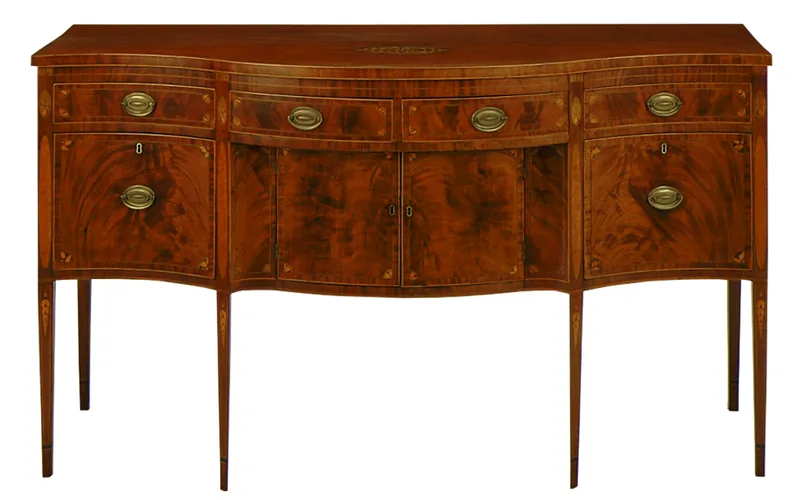
Preparing the Furniture
Wax removal goes faster and cleaner when the surface is prepped first. Two tasks matter here: cleaning off loose dirt and pulling any hardware that solvent could stain.
Clean the Surface First
- Gather materials: a soft, lint-free cloth, warm water, and a mild dish detergent.
- Dampen the cloth: moisten with warm water — not dripping wet.
- Add a drop of detergent: just enough to cut surface dust and grime.
- Wipe the whole piece: this clears loose dirt so the solvent goes straight to work on wax, not grime.
- Dry completely: a wet surface dilutes the solvent in the next step.
Remove Hardware
Pull drawer pulls, hinges, and escutcheons before you start — solvent left sitting against brass or steel hardware can stain or discolor it. Use a screwdriver to back out the mounting screws, keep the hardware in a labeled dish or bag, and set it aside until the wax job is done.
Solvent Comparison: What Actually Dissolves Paste Wax
Every method below starts with a solvent choice. Here’s how the common options actually compare — something most wax-removal guides skip.
| Solvent | Dry Time | Fumes / Ventilation | Best For |
|---|---|---|---|
| Mineral spirits | Slow (10–20 min) | Low odor, still ventilate | Everyday wax buildup, first solvent to try |
| Naphtha (VM&P) | Fast (2–5 min) | Stronger — open windows/fan | Antiques and delicate finishes, less soak-in risk |
| Citrus solvent | Moderate (10–15 min) | Mild, pleasant smell | Indoor work, kids/pets nearby |
| Denatured alcohol | Fast (2–5 min) | Moderate, ventilate well | Shellac finishes — skip on anything you want to keep, it can lift shellac too |
Skip acetone and paint thinner unless you’ve confirmed the finish underneath can take it — both are strong enough to soften lacquer and varnish, not just wax. Mineral spirits stays the safest default for most furniture; reach for naphtha when the finish is fragile and you want the solvent gone fast.
How to Remove Paste Wax From Furniture (Step by Step)
- Work in a ventilated area: open a window or work near a fan — mineral spirits and naphtha both need airflow.
- Dampen a cloth with solvent: mineral spirits for a first pass, naphtha if you want faster evaporation.
- Rub in small sections: apply light, even pressure over a 12”–18” area at a time rather than the whole piece at once.
- Switch cloth sections often: a saturated cloth just smears wax back onto the wood instead of lifting it.
- Work carved or turned details with 0000 steel wool: dip lightly in solvent and rub with the grain to clear wax packed into crevices standard cloth can’t reach.
- Wipe with a clean, dry cloth: remove any remaining solvent residue immediately after each section.
- Repeat on heavy buildup: multiple thin passes remove more wax than one aggressive scrub, and they’re easier on the finish underneath.
Heat Method: Hairdryer or Iron
Heat softens wax without solvent, which helps on pieces where you’d rather not use chemicals. With a hairdryer on medium, hold it a few inches away and move it in circles until the wax turns soft and pliable, then lift it with a soft cloth or plastic scraper — never metal, which will scratch the finish. With an iron, set it to low heat, lay a sheet of brown paper or a paper bag over the wax, and glide the iron over the paper so the wax melts and transfers onto the paper instead of the wood. Move to a clean section of paper as you go.
Wax-Stripping Product (For Heavy, Multi-Coat Buildup)
When solvent wiping alone leaves a hazy film after two or three passes, the piece likely has years of stacked wax coats. A dedicated stripping gel clings to the surface (including vertical panels, where liquid solvent just runs off) and lifts multiple coats in one application. Apply per the label, let it dwell the stated time, then scrape gently with a plastic scraper and rinse per the product’s instructions before moving on to refinishing.
Before You Refinish: The Water-Bead Test
Wax residue left on the surface is the single biggest cause of new finish failing to bond — stain goes blotchy, polyurethane fisheyes, and sanding just grinds leftover wax deeper into the grain instead of removing it. Before you stain or topcoat, run this check:
- Let the surface dry fully after your last solvent pass — at least 30 minutes.
- Place a few drops of water on the wood in two or three spots.
- Watch what happens: water that beads up and sits on the surface means wax residue is still there. Water that soaks in or spreads flat means the wax is gone.
- Re-wipe any spot that beads with a fresh solvent-dampened cloth, then retest.
Never sand over wax to speed this up — sandpaper just packs the wax into the open grain, where it will bleed out later and ruin an even stain job.
Common Mistakes to Avoid
- Using acetone or paint thinner as a first choice: both are strong enough to soften the finish underneath, not just the wax. Start with mineral spirits or naphtha.
- Scrubbing the whole surface at once: working large areas lets solvent dry before you wipe it, smearing dissolved wax back into the wood instead of lifting it off.
- Sanding wax off: this drives wax into the pores instead of removing it, and shows up later as blotchy stain absorption.
- Skipping the water-bead test: refinishing over residual wax is the most common reason a fresh coat of stain or poly fails to bond evenly.
- Metal scrapers on the finish: use plastic scrapers only — metal edges scratch through wax and into the wood or finish underneath.
FAQ
What dissolves paste wax fastest?
Naphtha dissolves and evaporates fastest of the common solvents, usually within two to five minutes of contact. Mineral spirits works nearly as well and is the safer default for most furniture since it has lower odor and is less aggressive on delicate finishes, but it takes longer to dry.
Does vinegar remove wax from wood furniture?
White vinegar can soften light wax buildup diluted with warm water, but it’s noticeably weaker than mineral spirits or naphtha on real paste-wax buildup and can dull some finishes with repeated use. It’s a reasonable spot-test option, not a reliable full solution for years of buildup.
Will sanding remove wax buildup?
No — sanding drives wax deeper into the open grain instead of removing it, and it will resurface later as blotchy, uneven stain absorption. Always dissolve and wipe wax off with solvent before any sanding step.
How many coats of wax before it needs a full strip instead of a quick wipe?
There’s no fixed number, but as a practical guide: if two or three solvent-dampened passes still leave a hazy film or a tacky feel, you’re likely dealing with several stacked coats built up over years of polishing, and a dedicated wax-stripping gel will clear it faster and more evenly than repeated solvent wiping.
Is mineral spirits safe on antique furniture?
Generally yes on shellac, lacquer, and varnish finishes in good condition, but always test on an inconspicuous spot first — antique finishes can be more fragile or already compromised. If the test spot softens the finish itself rather than just the wax, stop and consult a furniture conservator before continuing.
Conclusion
Removing paste wax comes down to the right solvent, small sections, and clean cloth passes — mineral spirits for most furniture, naphtha when you want faster drying on a delicate piece, and a stripping gel when years of coats have stacked up. Test with the water-bead check before you refinish, and you’ll avoid the blotchy stain and adhesion problems that leftover wax residue causes.
Sponsored / affiliate links. As an Amazon Associate I earn from qualifying purchases. I may earn additional commission from eligible campaigns.