How to Stem Sola Wood Flowers (Glue Placement Tips That Actually Hold)
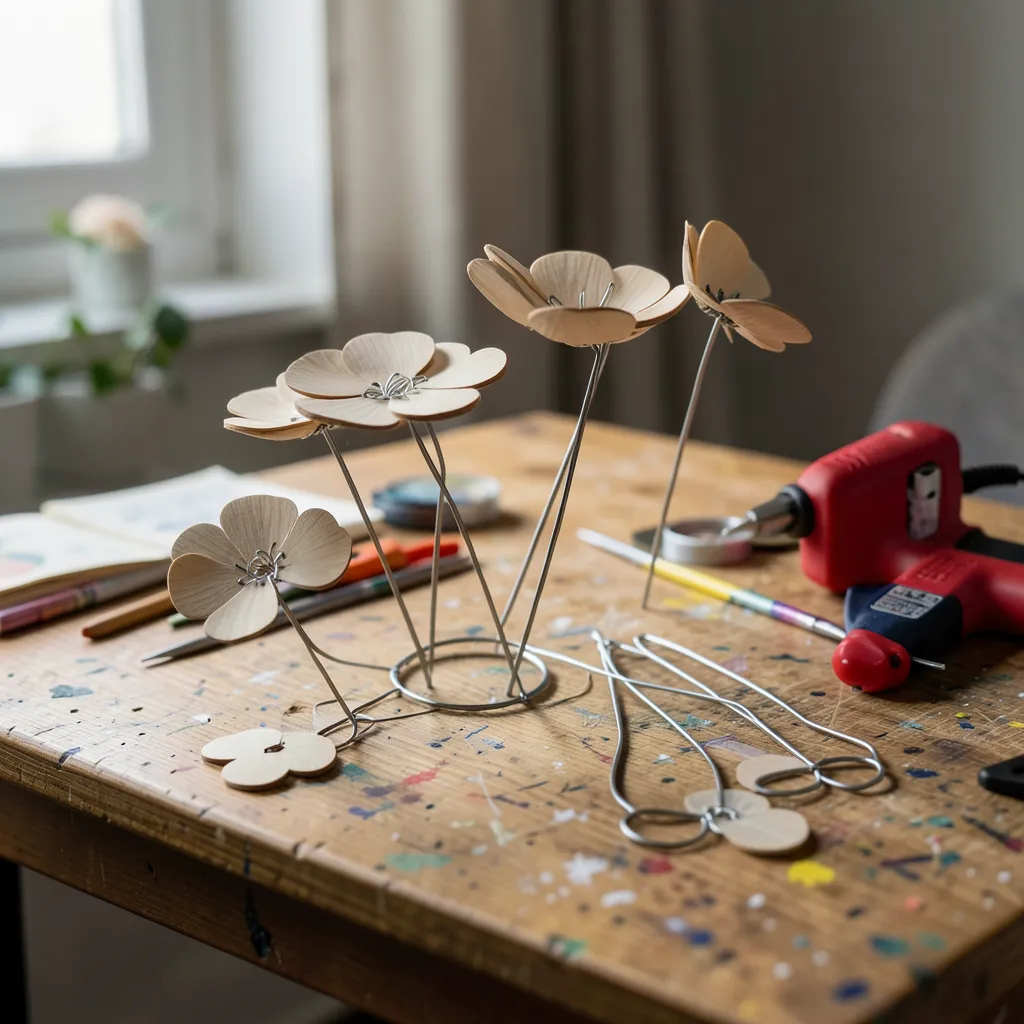
To stem sola wood flowers, apply hot glue to the tip of the prepared stem and carefully push it into the base of the flower. Let the glue dry to firmly attach the flower to the stem.
Another method is to drop a dab of glue underneath the flower before poking through the glue and into the flower. When it comes to stemming sola wood flowers, there are a few simple techniques you can use to ensure a secure attachment.
In this guide, we will explore two popular methods: using hot glue and strategically placing glue underneath the flower. By following these steps, you’ll be able to create stunning floral arrangements with stemmed sola wood flowers.
Supplies Needed
Right Tool for Stemming
 |
AdTech High Temp Mini Size Hot Glue Gun 4pkAdtech | Our pick | $18.34
Price as of 20 Oct 2026
|
View |
Before you start stemming sola wood flowers, gather your materials so you’re not stopping mid-glue to dig for supplies — sola wood softens if hot glue sits half-set while you go looking for wire cutters.
Bamboo Skewer Or Wooden Stems
A bamboo skewer or a thin wooden dowel gives a rigid, natural-looking stem and costs next to nothing — a pack of skewers runs a couple of dollars and stems dozens of flowers. The trade-off is flexibility: once glued in, a wood or bamboo stem holds whatever angle you set it at and won’t bend afterward, which is fine for a stiff arrangement but limiting if you want stems to curve naturally in a bouquet.
Galvanized Iron Or Metal Wire
18-22 gauge galvanized floral wire is the better choice when you want stems that bend into a natural, organic arrangement rather than staying rigid — it’s thin enough to shape by hand but stiff enough to hold that shape once bent. Cut a length a few inches longer than your final stem so you have room to trim after the flower is attached and you can see the finished proportions.
Whichever you choose, wire generally suits loose, hand-tied bouquets while wood or bamboo suits stiffer, more structured arrangements like a vase display — there’s no wrong choice, just different results.
Techniques For Adding Stems
Two glue-placement methods actually matter here, and the difference between a stem that holds and one that pops out later usually comes down to which one (or both) you use, not the glue brand.
Tip-first method: heat your glue gun fully (a mini gun like the one above takes roughly 3-5 minutes), then apply a generous bead directly to the tip of the stem — wire or wood — and push it straight into the flower’s base to a depth of about half an inch, roughly a pinky finger’s width. Hold it steady for 15-20 seconds while the glue grabs; sola wood is soft enough that wiggling the stem during this window is the most common way to enlarge the hole and weaken the bond.
Underneath-dab method: before inserting, place a small dab of glue on the flat underside of the flower’s base itself, then push the stem through that dab and into the flower. This adds a second point of adhesion between the stem and the flower’s outer surface, not just inside the drilled hole, which is why combining both methods gives a noticeably more secure result than either alone on flowers that will be handled a lot, like a bridal bouquet.
Let every stem cure fully — hot glue skins over in under a minute but takes several minutes to reach real strength — before you handle the flower by its stem or add it to an arrangement.
Creating Realistic Stems
Getting a natural look is less about the glue and more about a few small details most people skip on their first attempt. Taper the insertion end of a wooden stem with sandpaper or a craft knife before gluing — a tapered tip goes in straighter and leaves less visible gap around the join than a blunt-cut end. On wire stems, wrap floral tape starting just below the flower base and working downward in overlapping spirals; beyond hiding bare wire, the tape’s slight tackiness and texture read as a real stem rather than obviously being wire.
- Match glue color to the flower base: clear-drying hot glue is less visible than the standard amber/yellow kind if any squeezes out around the join.
- Angle the insertion slightly: a stem pushed in dead-center and perfectly vertical looks more artificial than one angled a few degrees, mimicking how a real flower head tilts on its stem.
- Wipe excess glue immediately: hot glue strings and squeeze-out are easy to catch with a toothpick in the first few seconds, much harder to remove cleanly once fully cured.
- Test the bond before committing: gently tug the stem after it cools; if it has any play, add a reinforcing dab at the base rather than continuing to build the arrangement around a weak joint.
Bridal Bouquet Tutorial
Sola wood flowers hold dye and shape well, which is exactly why they’ve become common in bridal bouquets meant to last well past the wedding day — here’s the sequence that gets a full bouquet from raw flowers to finished piece.
Adding Wood Flower Dye
Mix your dye according to the product’s instructions before you touch a single flower — sola wood is porous and absorbs color fast, so having the solution ready and at the right concentration matters more than it would with a slower-absorbing material. Dip each flower fully rather than partially, which is what gives an even, professional-looking color rather than a two-toned flower.
Set dyed flowers on a wire rack or parchment paper rather than flat on a towel, since a flower sitting in its own runoff will dry with a darker ring at its base. Full drying typically takes a few hours; humid conditions stretch that considerably, so plan the dyeing step a day or two ahead of assembly rather than the same afternoon.
Assembling The Bouquet
With flowers dyed, dried, and already stemmed using the techniques above, assembly is mostly a design decision rather than a technical one. Gather a mix of sizes and shades for visual depth rather than uniform flowers, which tends to look flatter once assembled. Build outward from a few focal flowers at the center, adding filler flowers or preserved foliage (leather leaf and similar dried greenery hold up well alongside sola wood, since both are shelf-stable) to fill gaps and add texture, then trim stems to a uniform final length only after the arrangement’s shape is set — trimming early makes it harder to judge how the bouquet will actually sit once held.
Securing The Bouquet With Floral Tape
Wrap floral tape starting just below the flower heads, overlapping each pass by roughly a third of the tape’s width so no bare stem shows through, and work down at a slight diagonal rather than straight around — a diagonal wrap grips its own previous layer and won’t unwind the way a straight wrap can. Stretch the tape gently as you wrap; floral tape is self-sealing under light tension, which is what actually holds it in place rather than any adhesive. Finish by pressing the cut end firmly against the wrapped stems for a few seconds so it seals rather than peels up.
Reshaping Sola Flowers
Sola wood is cut from the dried pith of the sola plant, which is why it’s rigid when dry but genuinely reshapeable once it picks up a little moisture — this is the property the whole warm-water technique relies on.
Using Warm Water For Reshaping
Warm (not hot) water softens the fibers enough to reshape without breaking them, and it works faster than room-temperature water since heat speeds up moisture absorption into the dense pith.
- Fill a bowl with warm water — comfortable-to-the-touch, not scalding.
- Dip the flower briefly, aiming to dampen the petals without fully soaking them; a few seconds is usually enough.
- Let it sit for a minute or two once removed, giving the moisture time to penetrate before you handle it.
- Gently curl or fluff the petals into shape while they’re still damp and pliable, then let the flower air-dry fully in that position before moving it, since it will hold whatever shape it’s in once it dries back out.
A small spray bottle works as a gentler alternative to dipping, especially on flowers that are already dyed or assembled into an arrangement, since it lets you target just the petals that need reshaping without wetting glued joints or floral tape.
Why Stems Come Loose (and How to Stop It)
A stem that pops out after the glue dries is almost always one of two things: not enough glue, or not enough insertion depth. Push the stem in about half an inch — roughly the width of a pinky finger — and use enough hot glue that a small bead squeezes out around the join when you insert it. If a flower still wiggles once the glue sets, add a second small dab at the base rather than starting over.
Common Questions
Why Stem Before Dyeing Rather Than After?
Stemming first gives you a handle to hold while dipping, which keeps your fingers out of the dye and off the flower’s surface (fingerprints show up as lighter spots once the flower dries). It also means the flower’s base — the drilled or glued spot — gets coated in dye along with the rest of the piece, so the finished color reads as uniform instead of leaving an obvious pale ring where the stem attaches.
Can You Add a Stem After the Flower Is Already Dyed?
Yes, though it’s slightly less forgiving — a dyed flower’s base has already absorbed some moisture from the dye bath, so let it dry completely (not just surface-dry) before gluing, or trapped moisture underneath can weaken the hot glue bond over time.
Tips For Various Applications
Stemming Sola Wood Flowers In A Vase
Vase arrangements can use a longer, stiffer stem than a hand-held bouquet needs, since there’s no concern about comfort in the hand — cut wire or wooden dowels to a length that gives a few inches of clearance above the vase rim once flowers are in place. A slightly deeper glue insertion (closer to 3/4 inch) is worth the extra hold here, since vase arrangements often get bumped or repositioned more than a bouquet that’s set down once.
Dyeing And Arranging Sola Wood Flowers
For a vase arrangement, diluting dye with water more than you would for a bouquet gives a softer, more muted color that tends to suit a centerpiece better than the saturated tones used for bridal work. Build the arrangement from the center out — largest flowers first, smaller ones and filler around the edges — and vary stem heights rather than cutting everything to the same length, which is what gives a vase arrangement visual depth instead of a flat, uniform look.
Frequently Asked Questions Of How To Stem Sola Wood Flowers
How Do You Put Stems On Sola Wood Flowers?
Heat a hot glue gun fully, run a bead along the tip of your wire or wooden stem, and push it about half an inch into the flower’s base, holding steady for 15-20 seconds while it sets. For extra hold on flowers that will be handled a lot, add a small dab of glue to the underside of the flower before inserting the stem as well.
How Do You Assemble Sola Wood Flowers?
Assembly means stemming each flower first, then arranging by size and color — largest or most colorful flowers as focal points, smaller ones and filler foliage filling the gaps between them. Wire stems can be shaped with a slight curve for a more natural look, and floral tape wrapped down the stems keeps a hand-tied bouquet from coming apart.
Why Does A Glued Stem Sometimes Fall Out?
Almost always it’s insufficient glue or too shallow an insertion — aim for roughly half an inch of depth and enough glue that a small bead shows at the join. A stem that still wiggles after the glue cures can usually be fixed with one more small dab at the base rather than redoing the whole repair.
How Do You Reshape Sola Flowers?
Dampen the petals with warm water (a quick dip or a light spray) until they turn pliable, mold them into the shape you want, and let the flower dry fully in that position — it will hold whatever shape it dries in.
Conclusion
Stemming sola wood flowers comes down to two things done well: enough glue at the right depth, and letting each stem cure before you handle it. Combine the tip-first and underneath-dab methods for anything that’ll be held or moved a lot, like a bridal bouquet, and a single tip-first application is plenty for a stationary vase piece.
From there, dyeing and reshaping with warm water are what turn a basic stemmed flower into a finished arrangement piece — and stemming before either step is what keeps the color even and the handling easy. Get the stem right first, and the rest of the arrangement comes together with far less frustration.
Sponsored / affiliate links. As an Amazon Associate I earn from qualifying purchases. I may earn additional commission from eligible campaigns.