What Are Sola Wood Flowers Made Of? (The Real Plant, Not Tapioca)
Sola wood flowers are made from the pith (the soft inner stem) of Aeschynomene aspera, a fast-growing marsh plant sometimes called the “pith plant” or Indian cork – not the tapioca plant, despite that claim showing up on a surprising number of sites.
The tapioca mix-up is worth clearing up first, since it’s repeated so often it’s become the “common knowledge” answer. Tapioca comes from cassava (Manihot esculenta), a completely different plant grown for its starchy root and belonging to the spurge family. Real sola/shola wood comes from Aeschynomene aspera, a legume relative that grows wild in the marshes and rice paddies of India, Bangladesh, and parts of Southeast Asia. The two plants aren’t related, and tapioca’s starchy root couldn’t be sliced into the thin, springy sheets that real sola wood flowers are made from.
The Actual Plant: Aeschynomene Aspera
See the Raw Material Yourself
 |
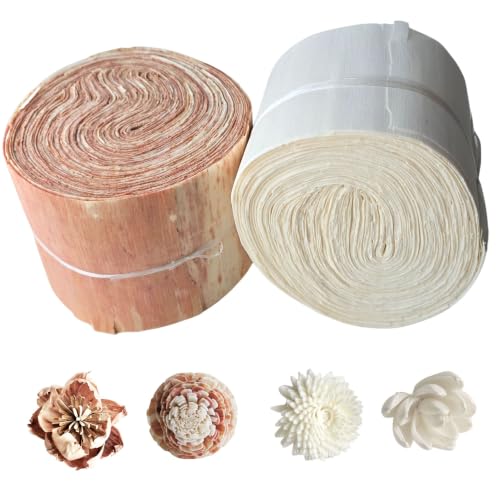
Sola Wood Sheet DIY Kit, White and Rare Pink – $42.78 Raw sola wood sheets, not pre-shaped flowers, so you can see and cut the actual pith material described above.
|
Aeschynomene aspera grows tall and fast in standing water, often alongside rice crops, and reaches harvestable size in just a few months – part of why it’s considered a sustainable material. What’s harvested isn’t the root at all; it’s the pith, the soft, spongy core of the plant’s stem, cut out from underneath the papery bark once the stalk is mature.
Why It Counts as “Wood” Even Though It Feels Like Foam
This is the detail most explanations skip. The pith is so light and soft it feels closer to styrofoam than lumber, which is exactly why people assume “sola wood” must be a marketing name rather than a literal one. But botanically, pith from a woody-stemmed plant is still classified as a type of wood tissue – it’s just an extremely low-density version of it, similar in concept to balsa (which is real, very soft wood) rather than a synthetic substitute. So the honest answer to “is it really wood” is yes, just an unusually soft and lightweight kind.
How the Pith Becomes a Flower
Harvesting and Slicing
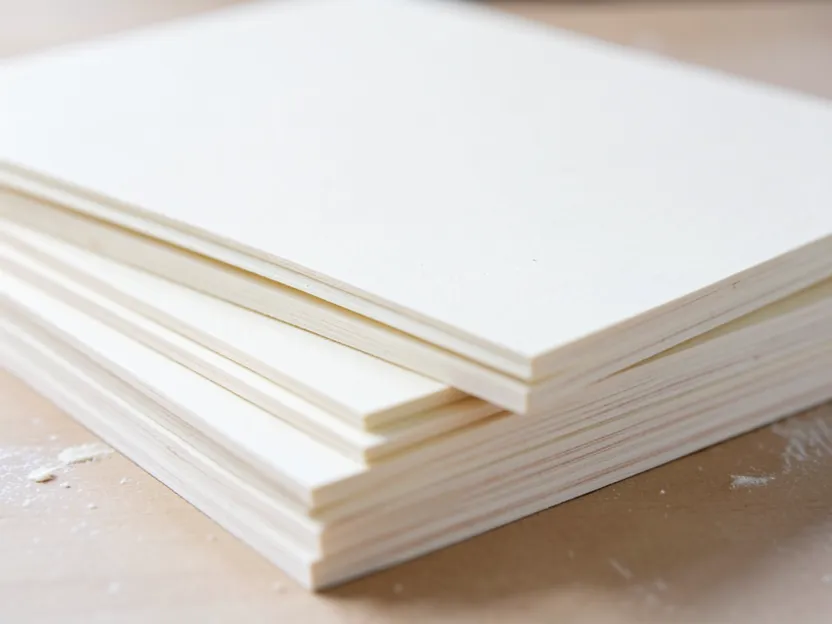
Workers cut the stalks and split away the outer bark to expose the white pith core. While it’s still fresh (and easier to cut), the pith is sliced into thin, uniform sheets on a specialized cutting tool – thinner sheets for delicate, ruffled petals, thicker ones for sturdier flower bases.
Shaping and Assembly
The sheets are cut into petal shapes by hand or with steel dies, then shaped around a small central bulb (often carved from a slightly denser piece of the same pith) to build up layers that mimic a real flower’s structure. Each layer of petals is glued or wound into place, and a floral wire wrapped in paper or tape becomes the stem.
Drying, Dyeing, and Finishing
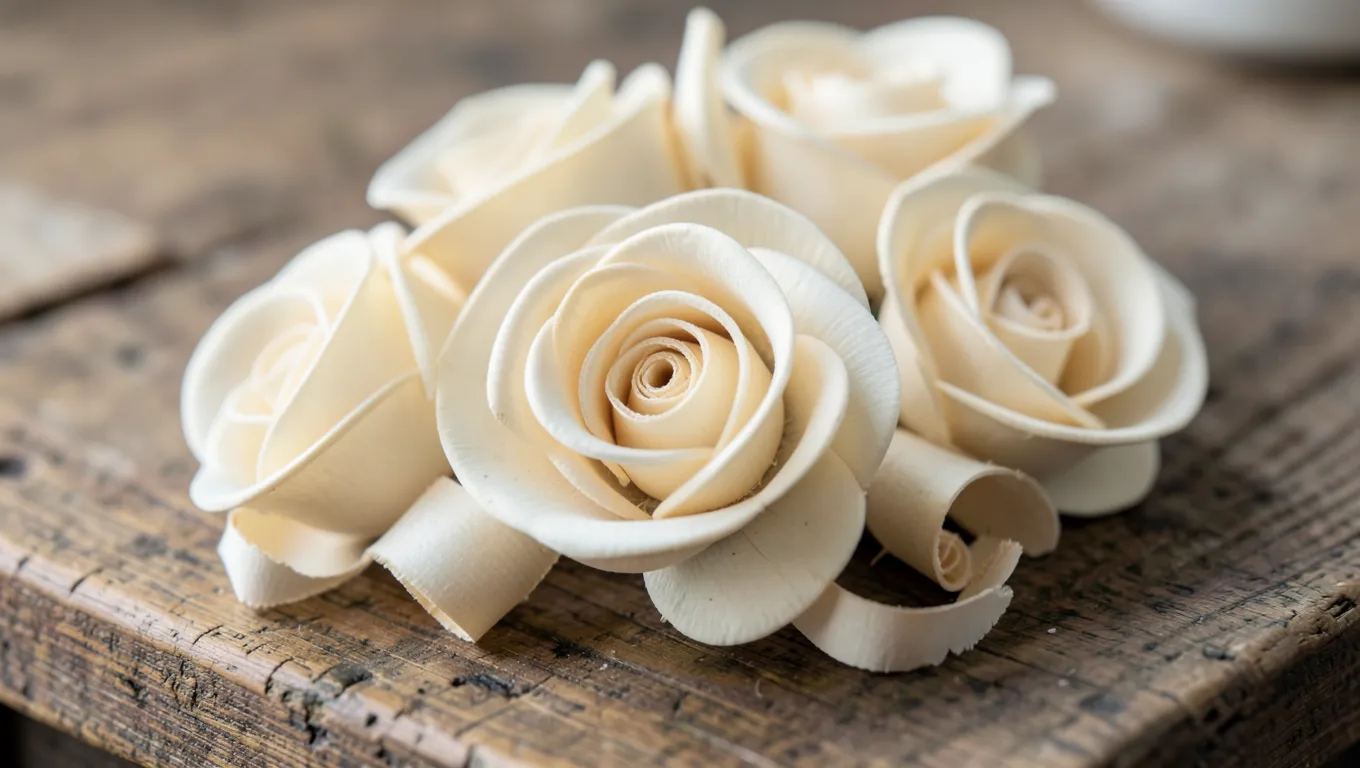
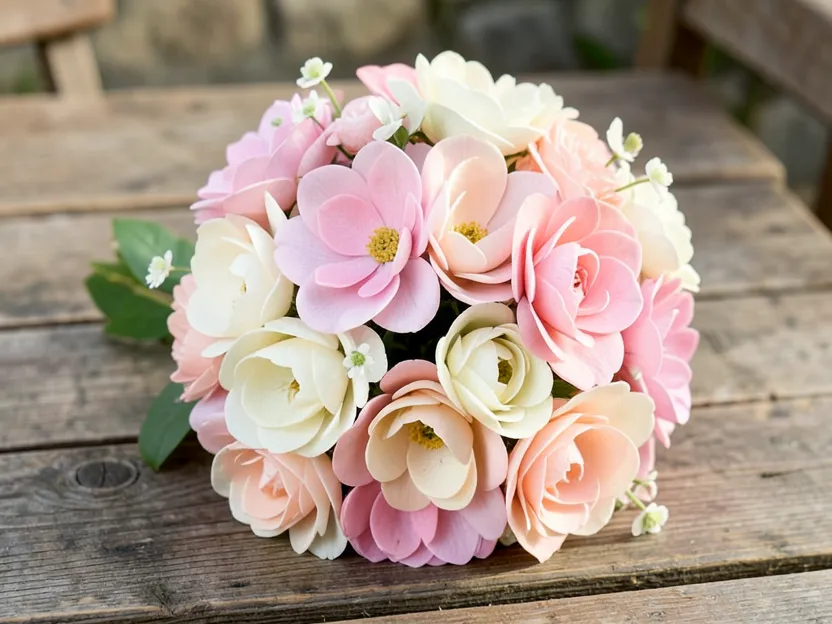
Natural sola wood is off-white to pale cream. Left undyed, it takes on a soft, matte, almost porcelain-like look; dyed, it absorbs color evenly because the pith is so porous, which is why sola wood flowers come in nearly any shade a dye bath can produce. Once shaped and colored, the flowers are air-dried, which is also what makes them shelf-stable for years without wilting.
Real Sola Wood vs. What Some Listings Actually Sell
Because “wood flower” has become a catch-all marketing term, not every product sold under that name is genuine Aeschynomene aspera pith. A handful of listings use dried corn husk or thin balsa shavings shaped into similar flower forms – usually a giveaway is a coarser, more fibrous texture up close compared to the smooth, almost foam-like surface of real sola pith. If you’re buying for something that needs to hold fine detail (tightly ruffled petals, small buds), genuine sola wood handles it better because the pith cuts and rolls more cleanly than a woodier substitute.
Frequently Asked Questions
Are sola wood flowers actually made of wood?
Yes. They’re cut from the pith (inner stem tissue) of Aeschynomene aspera, a marsh plant, and pith from a woody plant is botanically classified as a type of wood – just an unusually light and soft kind, similar in concept to balsa.
Are sola wood flowers made from the tapioca plant?
No, despite that claim appearing on many sites. Tapioca comes from cassava, an unrelated plant grown for its starchy root. Sola wood comes from the stem pith of Aeschynomene aspera, a different plant entirely.
How long do sola wood flowers last?
Kept dry and out of direct sunlight, sola wood flowers can last for years without wilting or fading significantly, since there’s no moisture in the material for it to lose.
Do sola wood flowers break easily?
They’re sturdier than fresh flowers but more fragile than solid wood – the thin petal edges can chip or crush under real pressure, so they travel and store better flat or upright rather than packed tightly.
Conclusion
Sola wood flowers are made from the pith of Aeschynomene aspera, a marsh plant unrelated to tapioca, sliced into sheets and shaped by hand into flower forms. It’s a genuine, if unusually light, type of wood – which is also why it takes dye so evenly and holds its shape for years without water.
Sponsored / affiliate links. As an Amazon Associate I earn from qualifying purchases. I may earn additional commission from eligible campaigns.