How to Wire a Transformer for Wood Burning: A DIY Guide
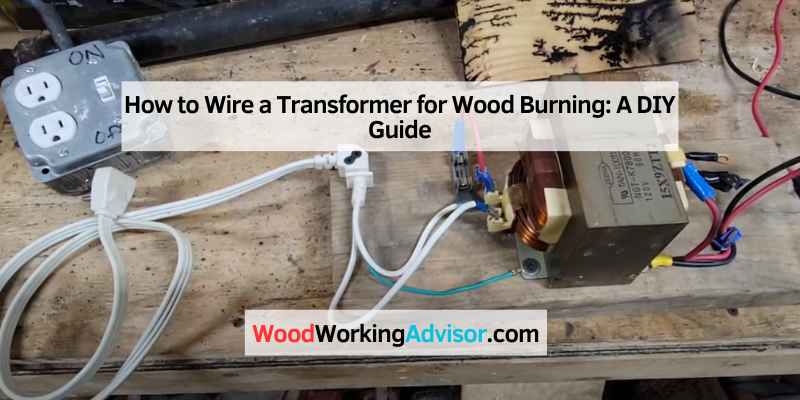
To wire a transformer for wood burning, connect the primary side to a power source and the secondary side to the wood burning tool. Ensure proper grounding and follow safety guidelines for a secure setup.
Wiring a transformer for wood burning is essential for creating intricate designs on wood. This process allows you to convert high voltage into low voltage, making it safe for crafting. Understanding how to wire the transformer correctly ensures optimal performance and safety.
A well-wired transformer will provide consistent heat for your wood burning projects. By following precise steps and safety precautions, you can enjoy this rewarding art form. Whether you are a beginner or an experienced artist, mastering the wiring process is crucial for successful wood burning. Dive into this guide to learn about the necessary components and wiring techniques.
Introduction To Transformer Wood Burning
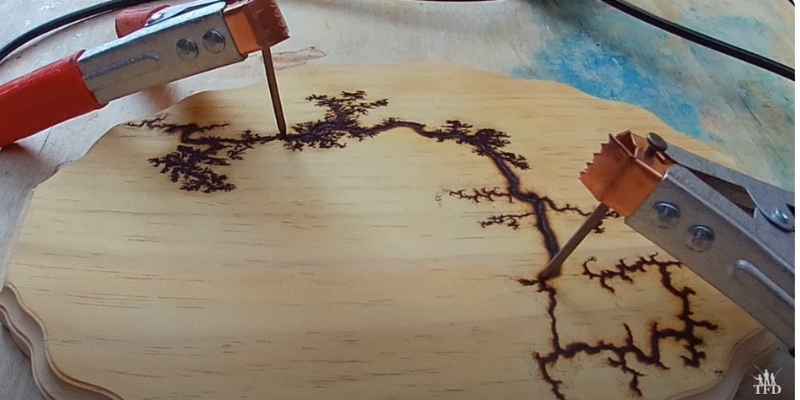
The art of pyrography involves creating beautiful designs on wood. It uses heat to burn images into the surface. A transformer helps provide the necessary power for this technique. Proper setup is crucial for safety and effective results.
Safety first is essential. Understanding the risks of working with electricity and heat is vital. Always wear protective gear, like gloves and goggles. Make sure your workspace is well-ventilated to avoid inhaling fumes.
Before starting, check all equipment for any damage. Use heat-resistant surfaces to prevent accidents. Always keep a fire extinguisher nearby. Following these safety tips ensures a safe and enjoyable pyrography experience.
Essential Tools And Materials
Choosing the right transformer is crucial for wood burning. A high-voltage transformer is needed for best results. Look for one that can handle 12 to 15 volts. Check the output wattage; it should be at least 30 watts.
Essential tools for the job include a screwdriver, wire cutters, and soldering iron. Make sure to have safety goggles and gloves on hand. These items will keep you safe while working.
| Equipment | Purpose |
|---|---|
| Transformer | Converts voltage for wood burning |
| Screwdriver | To secure wires |
| Wire Cutters | To trim excess wires |
| Soldering Iron | To join wires securely |
| Safety Goggles | To protect eyes |
| Gloves | To protect hands |
Transformer Basics For Beginners
Understanding voltage, current, and power is key for beginners. Voltage is the force that pushes electricity. Current measures the flow of electricity. Power combines both voltage and current, showing how much work the transformer can do.
For wood burning, certain types of transformers are best. Step-down transformers lower voltage for safe use. Isolation transformers protect against electrical shock. High-frequency transformers are great for quick heating. Choosing the right transformer ensures safety and efficiency.
Preparing The Wood Surface
Selecting the right wood type is important for wood burning. Some woods burn better than others. Softwoods like pine are easy to work with. They ignite quickly and produce bright flames.
Hardwoods like oak and maple burn longer. They create beautiful, detailed designs. Choose wood that is dry and free from knots. This will help you achieve clear, crisp lines.
Common choices include birch, cherry, and walnut. Each wood type has unique colors and textures. Test different woods to find your favorites.
Prepping the wood is also essential. Sand the surface to make it smooth. This helps the burning tool glide easily. Clean the wood to remove dust and debris.
Wiring The Transformer
Wiring a transformer for wood burning is simple. Follow this step-by-step guide for best results.
- Gather materials: transformer, wires, and connectors.
- Turn off power to avoid shocks.
- Connect the primary side of the transformer to the power source.
- Attach the secondary side to your wood burning tool.
- Make sure all connections are secure and insulated.
If issues arise, check your connections. Loose wires can cause problems. Ensure the transformer is rated for your tool. Overloading can lead to damage.
Testing the setup is crucial. Use a multimeter to verify voltage. This ensures everything works properly.
Setting Up Your Workspace
Start by clearing your work area. Remove any clutter that might cause accidents. Keep essential tools within reach. A clean space helps you focus on your project.
Ensure good lighting in your workspace. Bright light helps you see details clearly. You can use a desk lamp or natural light from a window.
Ventilation is very important. Open windows or use a fan to keep air fresh. This helps remove smoke and fumes while working.
Set up a fire extinguisher nearby. Safety should always come first. Familiarize yourself with its use before starting your project.
Creating Your Wood Burning Designs
Transferring patterns onto wood is an important step. Start by printing your design. Use carbon paper to trace it onto the wood. Make sure to press hard enough for clear lines.
For shading and detailing, choose the right tools. A fine-tip burner is great for details. Use a wider tip for shading larger areas. Practice different strokes to create depth.
Consider using stencils for consistent patterns. They help keep designs neat and tidy. Experiment with different techniques to find your style. Each method adds a unique touch to your work.
Maintaining Your Equipment
Cleaning your transformer helps it last longer. Always unplug it before cleaning. Use a dry cloth to wipe the surface. Avoid using water or cleaners that can damage it.
Store the transformer in a cool, dry place. Keep it away from direct sunlight. Use a protective cover to keep dust away.
Replace your transformer if it shows signs of damage. Look for frayed wires or burnt areas. If it makes unusual noises, it’s time for a new one. Regular checks can help prevent accidents.
Advanced Tips And Tricks
Experimenting with different techniques can improve your wood burning skills. Try using various tools to create unique designs. Practice makes perfect, so don’t be afraid to make mistakes. Each attempt teaches you something new.
Incorporating color into your designs adds extra flair. Use colored pencils or paint after burning the wood. This can bring your artwork to life. Choose colors that complement your design for the best effect.
Always test colors on scrap wood first. This helps you see how they look. Mix and match colors to find your favorite combinations. Remember, the goal is to have fun and express yourself!
Projects And Ideas To Get You Started
Starting with simple beginner projects can make wood burning fun and easy. Try creating coasters or keychains for practice. These projects help you learn control and technique.
For inspiration for complex creations, consider making wall art or decorative boxes. These projects allow for more creativity and skill development. Use different wood types to explore various effects.
Always remember to practice safety. Use gloves and goggles to protect yourself. Enjoy your wood burning journey and let your creativity shine!
Conclusion: Unleashing Your Creativity
Learning to wire a transformer for wood burning is exciting. It opens up many creative possibilities. Each step in the process teaches valuable skills. Understanding safety is also important for a successful project.
Sharing your work can inspire others. Show your creations on social media or local groups. Engaging with the community helps you grow as an artist. Feedback can enhance your skills and creativity.
Reflecting on your journey boosts confidence. Celebrate small wins and keep pushing your limits. Each piece you create tells a story and shows your progress.
Frequently Asked Questions
How Do You Connect A Transformer For Wood Burning?
To connect a transformer for wood burning, first identify the primary and secondary terminals. Use insulated wires to connect the primary side to your power source. Then, attach the secondary side to your wood burning tool. Ensure all connections are secure and insulated to prevent any electrical hazards.
What Type Of Transformer Is Best For Wood Burning?
A variable voltage transformer is best for wood burning. It allows you to adjust the output voltage according to your needs. This flexibility helps achieve different temperatures for various burning techniques. Look for a transformer with a wattage rating that suits your wood burning tool for optimal performance.
Can I Use A Regular Transformer For Wood Burning?
Using a regular transformer is not recommended for wood burning. Standard transformers may not handle the specific voltage and current requirements. They could potentially damage your wood burning tool or pose safety risks. Always opt for a transformer specifically designed for wood burning applications.
What Safety Precautions Should I Take?
When wiring a transformer, always prioritize safety. Ensure the power supply is off before making any connections. Use insulated tools and wear rubber gloves to prevent electric shock. Additionally, work in a well-ventilated area to avoid inhaling harmful fumes from heated materials.
Conclusion
Wiring a transformer for wood burning can be a rewarding project. With careful planning and attention to safety, you can achieve great results. Remember to follow the steps outlined in this guide. Your creativity will shine through in your wood burning designs.
Happy crafting and enjoy your new skills!