Fractal Burning: The Lethal Voltage Risk and Safer Alternatives
Fractal burning (also called Lichtenberg wood burning) uses high-voltage electricity — typically from a modified microwave oven transformer — to create branching, lightning-bolt patterns in wood soaked with a conductive solution. The technique has caused at least 33 documented deaths in the United States since 2017, with a reported mortality rate above 70% in electrical injury cases linked to it. This guide explains why the DIY method is genuinely lethal, why standard GFCI outlets fail to protect you, and which safe pyrography kits produce comparable fractal-style patterns without high voltage.
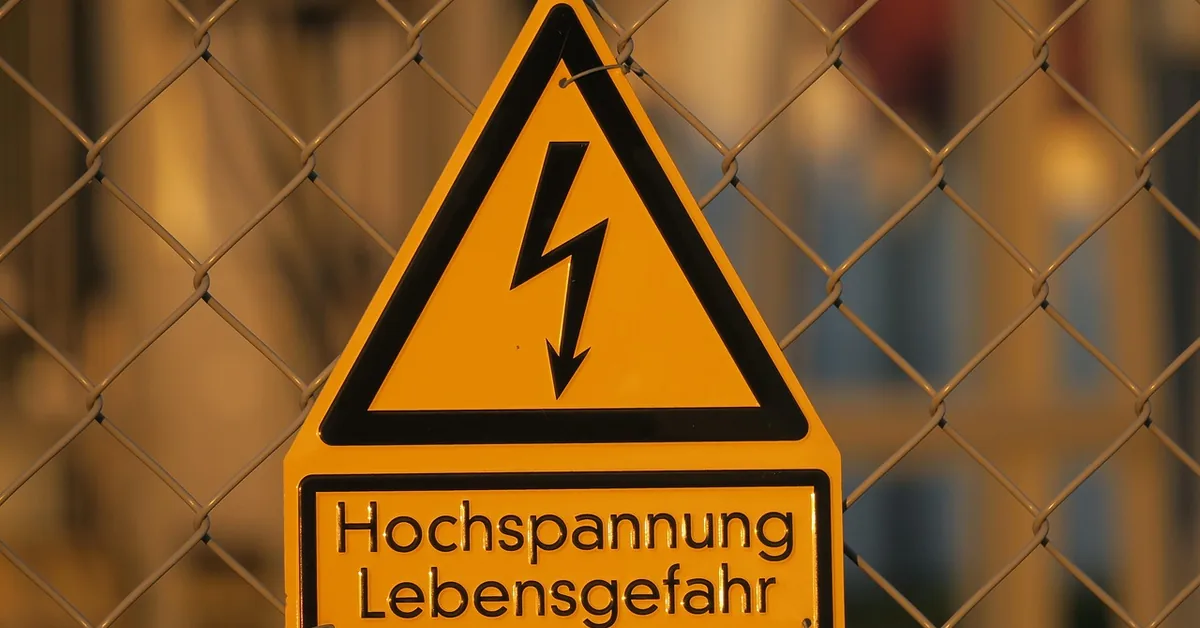
⚠️ Serious Safety Warning — Please Read Before Continuing
Lichtenberg (fractal) wood burning uses extremely high voltage — often from a modified microwave oven transformer — passed through wood soaked in a conductive solution. This is not a minor burn hazard: it is genuinely lethal. At least 33 documented deaths have occurred in the US since 2017 from people attempting this technique, along with many additional serious injuries.
The American Association of Woodturners (AAW) bans demonstrating this technique or selling equipment for it at AAW events and in AAW publications specifically because of the fatality risk.
The danger is electrocution, not just burns — mains-level voltage passing through a person can kill in seconds, even from what feels like brief or minor contact. We strongly recommend against building or using homemade high-voltage equipment for this technique. If you choose to proceed anyway, this should only be with a properly isolated, purpose-built commercial device, under qualified electrical supervision, and never while alone.
Quick Answer
Fractal burning creates branching Lichtenberg patterns using high voltage, but the DIY method has killed at least 33 people in the US since 2017 and cannot be made safe with a GFCI outlet. For a safe alternative, use a low-voltage pyrography pen with fine-tip interchangeable nibs to hand-burn similar branching patterns into wood.
What Is Fractal Burning?
Best Safe Pyrography Kit Pick
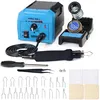
YIHUA 939-II Wood Burning Station – $49.99
A dual-pen pyrography station with precise temperature control from 250 to 750 degrees Celsius — the same range needed to hand-burn fine branching lines into the light-colored basswood or birch boards this guide recommends for fractal-style patterns.
- Best for: Detailed hand-burned fractal patterns requiring consistent fine-line control
- Why we picked it: Dual-pen setup lets you keep a fine-nib tip and a shading tip ready without swapping
- Main drawback: Higher price than basic kits; overkill if you only need occasional use
Compare more pyrography kit options
 Option 1 Craft Culture Wood Burning Tool Pen Kit – $22.49
|
 Option 2 K KERNOWO Wood Burning Tool Kit 17-Piece – $17.99
|
 Option 3 YIHUA 930-IV Pyrography Wood Burning Pen Kit – $15.99
|
As an Amazon Associate we earn from qualifying purchases.
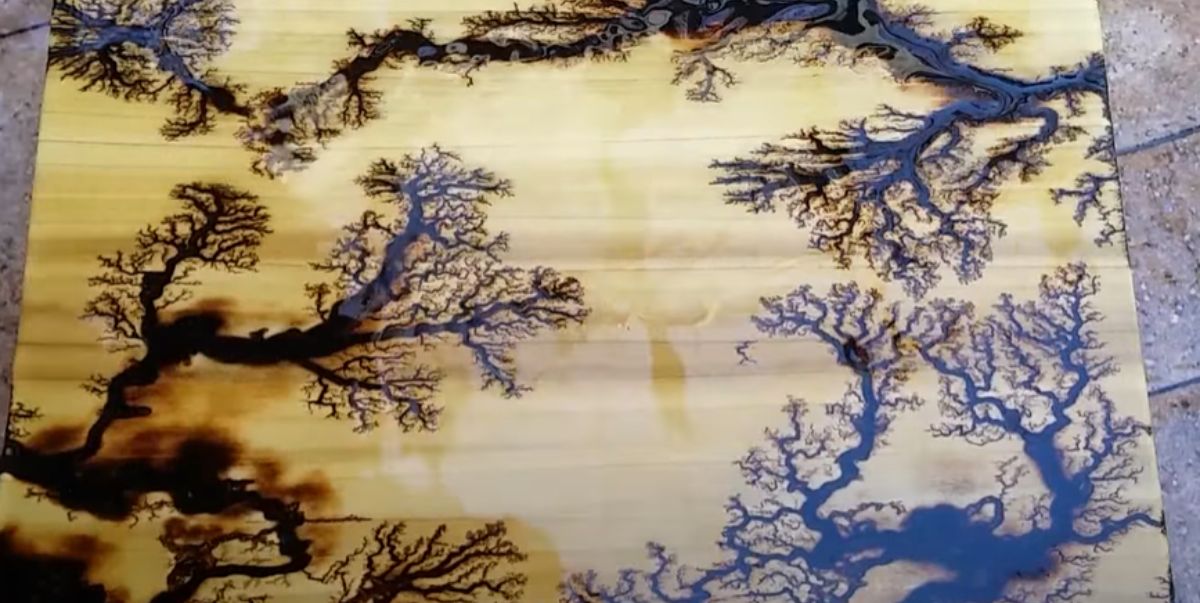
Fractal burning is a form of wood art that uses a high-voltage electrical discharge to etch branching, fern-like patterns (called Lichtenberg figures) into wood. The voltage follows the grain and moisture pathways in the wood, creating patterns that cannot be replicated by hand. The same branching shapes appear on the skin of lightning-strike victims — they are caused by the same physics.
The DIY version of fractal burning typically involves a transformer salvaged from a microwave oven or neon sign, which produces a secondary output voltage of 2,000–15,000 volts. The wood is first saturated with a baking-soda or salt solution to reduce its electrical resistance, then the high-voltage leads are clamped to opposite ends of the board. The current travels through the wood and creates the pattern — but any path through a person’s body (from a hand touching the wood or the leads) is equally available to the current.
📊 A 2025 review in Forensic Science, Medicine and Pathology documented ongoing global fatalities from fractal wood burning and found the technique’s mortality rate exceeds 70% among those who make contact with the high-voltage circuit. — Source: PubMed, Forensic Science, Medicine and Pathology (2025)
“The key protection failure is that a GFCI monitors the primary circuit for current imbalance between line and neutral. A step-up transformer’s secondary coil is isolated from the primary wiring — the GFCI monitors nothing on the output side. The lethal current reaches the user through the secondary circuit, entirely invisible to the GFCI.”
Choosing The Right Wood
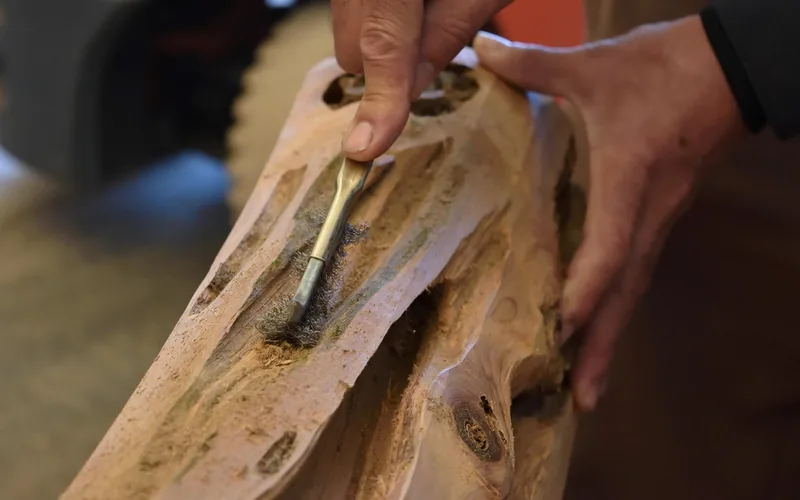
When it comes to making a fractal pattern on wood, choosing the right wood is crucial. The type of wood you select will determine the final outcome of your project whether you use a pyrography pen or another method. It affects the burning process, the durability of the finished piece, and the overall aesthetic appeal.
Selecting The Wood Type:
When selecting the wood for fractal-style burning, consider these characteristics:
- Density: Hardwoods such as oak and maple burn slowly and produce intricate patterns. Softwoods like pine and cedar are lighter and burn faster, resulting in less detail.
- Moisture Content: Dry wood burns better than wet wood. Use wood with a moisture content of around 10–15%. Excess moisture causes excessive smoke and incomplete burns, affecting pattern clarity.
- Grain Pattern: The grain pattern contributes to the beauty of the finished piece. Choose wood with an interesting grain pattern to enhance visual impact.
- Hardness: Hardwoods are generally more durable. A harder wood ensures your finished piece lasts longer and resists damage.
Preparing The Wood Surface:
Before beginning, prepare the wood surface properly:
- Sanding: Sand the wood to create a smooth surface, removing imperfections for even burning.
- Cleaning: Remove dust or debris using a clean cloth or compressed air.
- Sealing: Apply a wood sealer or finish to protect the wood and enhance the colors of the burn.
Designing Your Fractal Pattern
When designing a fractal-style wood art piece, start by choosing a template or sketching your own pattern. Use a pyrography pen to carefully trace the design onto the wood, balancing creativity with precision.
Exploring Fractal Patterns
Fractal patterns are intricate geometric designs that repeat at smaller and smaller scales, creating striking results. Some common reference patterns include the Mandelbrot set, the Sierpinski triangle, and the Koch snowflake. Studying these gives you a foundation for understanding how branching shapes build on themselves.
Creating Your Own Design
Start with a central shape and apply transformations to build the fractal structure. For example, begin with a single triangle and duplicate, rotate, and scale it to generate a larger pattern. Sketch the full design on paper before transferring it to wood. Use a light pencil tracing or carbon paper to transfer the design cleanly. The pyrography pen then follows your transferred lines with precise, controlled heat.
Preparing The Wood Burner Tools
Preparing the wood burner tools is a crucial step. Understanding the tools and preparing the tips can significantly impact the outcome of the project. For fractal-style patterns, a low-voltage pyrography pen or soldering iron with a fine-line tip is the correct choice — not a high-voltage transformer setup.
Understanding Wood Burning Tools
Two main types of pyrography tools exist for fractal-style work: solid-point burners and wire-nib burners. Solid-point burners heat a fixed metal tip and are simpler to use. Wire-nib burners use interchangeable fine-wire tips that heat faster and allow more temperature control, making them better for detailed branching patterns.
Preparing The Tips
Before burning, check the tips for wear. Worn tips produce uneven lines. For fractal-style patterns, use the finest available nib — typically a writing or shading tip with a narrow point. Keep tips clean of carbon residue, which builds up quickly at higher heat settings. A clean leather strop works well for tip maintenance between sessions.
Executing The Fractal Wood Burning
Now that you have prepared your wood and designed your pattern, it is time to execute the wood-burning process. Learn more about fractal wood burning injury risks before you begin any burning technique. For pyrography-based fractal work, follow these steps carefully.
Starting The Burning Process
You will need a low-voltage pyrography pen with a fine tip. Set your temperature to the lower end of your tool’s range and test on scrap wood first — different wood species need different heat levels.
Follow these steps to start the burning process:
- Choose a starting point where you want to begin your design.
- Hold the pen at a slight angle to the wood surface.
- Apply gentle pressure as you move the pen along the lines of your fractal pattern.
- Keep movements fluid and consistent to avoid uneven burns.
- Continue burning along the pattern, working from one section to another.
- Take breaks as needed to rest your hand and avoid fatigue.
- Repeat the burning process for each section of the fractal design until complete.
Tips For Achieving Precision
- Select the right tip: Choose a tip that allows for fine lines and details matching your design complexity.
- Practice on scrap wood: Before starting on the main piece, practice your technique on scrap wood to calibrate heat and pressure.
- Control pressure and speed: Maintain consistent pressure and speed to avoid uneven burns.
- Use a stencil or guide: If drawing freehand is challenging, transfer the fractal pattern with carbon paper before burning.
- Take breaks: Regular breaks maintain focus and prevent mistakes from hand fatigue.
- Experiment with heat settings: Different wood species need different heat settings. Test on offcuts before committing to the final board.
Finishing And Displaying Your Artwork
Adding Finishing Touches
Once you have completed the wood-burning process, inspect your artwork for any imperfections. Use fine-grit sandpaper to gently buff out rough spots — sand in the direction of the wood grain to avoid additional scratches.
Apply a coat of clear varnish or lacquer to protect the wood and enhance its natural beauty. Brush on the finish using long, even strokes and allow it to dry completely. If you want to add color, acrylic paints or wood stains applied with a small brush can create vibrant or subtle hues. Allow each layer to dry fully before adding the next.
Apply a protective coating of clear polyurethane or wax for long-term durability. Both options protect against dust, moisture, and damage while enhancing the overall appearance of the wood.
Displaying Your Fractal Wood Burner
Display options include wall mounts with hanging brackets, a desktop easel adjusted to the desired viewing angle, a shadow box for a three-dimensional effect with dust protection, or a picture frame that matches the style of the artwork. Avoid placing your finished piece in direct sunlight to prevent fading.
Safe Fractal Wood Burning Kits
For woodworkers who want the fractal wood burning look without the high-voltage danger, a quality pyrography pen kit is the practical choice. A fractal wood burning kit in the safe sense is a low-voltage pyrography tool — a pen that heats a metal nib to 250–750 degrees Celsius using standard household current — paired with fine-line interchangeable tips that let you hand-burn branching, fractal-style patterns with complete control.
Pyrography pens do not produce Lichtenberg figures (which require high voltage to self-propagate through the wood’s grain), but with the right thin-nib tips and a light hand, you can draw branching, fern-like patterns that are visually nearly identical. See our overview of what is fractal wood burning and our guide to fractal burning machines for more context on the different equipment options.
Frequently Asked Questions About Fractal Burning
What Do I Need For Fractal Wood Burning?
We don’t publish the DIY parts list for the high-voltage method. That setup has been linked to at least 33 deaths in the US since 2017, and neither a GFCI outlet nor unplugging the transformer makes it safe. A standard pyrography pen or CNC laser engraver can produce a similar branching pattern safely.
What Liquid Is Used For Fractal Burning?
Traditionally, a baking-soda or salt solution is used to make the wood conductive for the high-voltage method. We don’t publish exact ratios or steps, since applying that solution and energizing the wood is exactly the step that has caused documented fatalities.
Is Fractal Wood Burning Legal?
In most places it isn’t illegal, but legality isn’t the same as safety. The DIY high-voltage method has been linked to at least 33 documented deaths in the US since 2017, and the American Association of Woodturners bans demonstrating it at its events for that reason.
What Transformer Is Best For Fractal Burning?
We don’t recommend any transformer for a DIY build. Neon sign and microwave oven transformers both produce lethal voltage, and a GFCI outlet does not protect you because the dangerous output comes from a secondary coil that’s isolated from the wiring a GFCI monitors.
What’s A Safer Way To Get A Similar Look?
A standard low-voltage pyrography pen or a CNC laser engraver can produce a comparable branching, fractal-style pattern without any transformer, capacitor, conductive solution, or high-voltage wiring involved.
Can Fractal Burning Be Made Safe With Proper Equipment?
Purpose-built commercial Lichtenberg devices with full electrical isolation exist, but they are expensive, require proper training, and the American Association of Woodturners still advises against the technique entirely. For most hobbyists, the answer is no — the risk-to-reward ratio does not justify the danger when pyrography pens achieve a visually similar result safely. See the Wood Burning Solutions category for more woodcraft techniques.
Conclusion
Fractal burning produces striking Lichtenberg patterns, but the DIY high-voltage method carries a documented mortality rate above 70% among those who make unintended contact with the circuit. For hobbyists and woodworkers, a quality pyrography pen with fine interchangeable tips is the practical path to fractal-style artwork — no transformer, no conductive solution, and no electrocution risk. If you are set on the authentic Lichtenberg technique, consult a qualified electrical engineer and never work alone or without purpose-built isolated equipment.
Sponsored / affiliate links. As an Amazon Associate I earn from qualifying purchases. I may earn additional commission from eligible campaigns.
 Lichtenberg Machine, Fractal Wood Burning Kit, 10KV 30mA Electric Wood Burner with Transformer, Rods, Clamps & Foot Pedal, with HIgh Voltage Insulating Gloves
 Craft Culture Wood Burning Tool Pen - Craft Burning Tools for Adults & Teens - Wood Burner Kit, Engraver, Carver, Pyrography, Woodburning - Includes 9 Premium Tips - Adjustable Temperature Control