How to Paint Interior Doors Without Brush Marks
Latex satin or semi-gloss paint gives interior doors the most durable finish — oil-based enamel looks smoother at first but yellows within a few years. Skipping primer or painting a door while it’s still hanging is the top cause of drips, brush marks, and paint that chips within months. This guide covers sheen selection, the roll-and-back-tip technique for a brush-mark-free finish, and real cost ranges by door count.
Choosing The Perfect Paint Color
Best Door-Painting Brush Pick
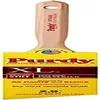
Purdy XL Glide 2-Inch Angular Trim Paint Brush
A firm, tapered nylon/polyester brush built for cutting clean lines into panel edges and back-tipping roller marks smooth.
- Best for: Cutting in panels and back-tipping roller texture
- Why we picked it: Holds its taper through repeated washes, so lines stay sharp over the whole project
- Main drawback: Costs more than a basic hardware-store brush
Compare more door-painting supplies
 Option 1 Mister Rui 4-Inch Foam Roller Kit
|
 Option 2 ScotchBlue Sharp Lines Painter’s Tape
|
 Option 3 Rust-Oleum Semi-Gloss Latex Brush-On Paint
|
As an Amazon Associate we earn from qualifying purchases.
Looking to change the look of your interior doors? Choosing the perfect paint color is key. Try neutral colors like beige or warm earthy tones like brown for a calming effect. Blue and gray are versatile for any interior door.
Painting your interior doors is a great and cost-effective way to update your space.
Versatility Of Gray
Gray is one of the most versatile colors and works well with any design style. Choosing a light shade of gray like Charcoal can give a contemporary and modern look, while a darker gray like Darker Slate or Iron Ore can add depth and dimension to a room. Gray can also highlight the trim of your interior doors, making it more visible.
Earthy And Warm Colors
If you want to keep things neutral, try earthy and warm colors. These colors complement a variety of design styles and create a cozy and inviting atmosphere. Shades of brown like Walnut or Chestnut are perfect for bedroom or entry doors. Beige colors like Sherwin Williams Accessible Beige are perfect for bathroom or laundry room doors. These colors will help create a warm and welcoming feeling in your home.
Adding Color Contrast
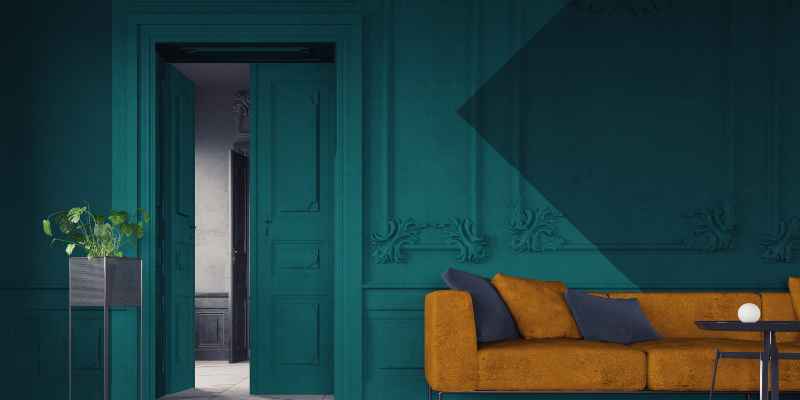
Another great way to make your interior doors pop is by adding color contrast. Paint your doors with a bold color like navy blue, red, or green. This can complement the surrounding walls and give a fresh and modern look. If you want to add contrast to your neutral walls, use a lighter or darker shade of the wall color for your doors. This will make your doors stand out and add personality to a room.
In conclusion, choosing the perfect paint color for your interior doors can be an exciting process. You can go bold with color contrast, keep things neutral with earthy and warm shades, or use versatile gray shades to create a modern or contemporary look. Whatever you choose, make sure to have fun with it and let your creativity flow.
Preparing Your Interior Doors For Painting
Preparing your interior doors for painting is an important task to ensure a smooth and even finish. This can involve removing old layers of paint, sanding down the surface, and applying a primer before the final coat of paint. With the right techniques and tools, you can transform the look of your interior doors and give your space a fresh new feel.
Giving your interior doors a fresh coat of paint can dramatically change the look and feel of your home. In fact, painting your doors is a great way to update your interior decor and make your space feel more modern and contemporary. Before you begin painting, however, there are a few key steps you need to take to ensure that the paint sticks properly and your doors look their best. Here’s what you need to do to prepare your interior doors for painting.
Cleaning Your Doors
The first step to preparing your doors for painting is cleaning them thoroughly. Dirt and grime can prevent the paint from adhering to the surface of the door, so it’s important to remove any debris before you begin painting. To clean your doors, start by wiping them down with a damp rag or sponge. If there are any stubborn stains or grime on your doors, you may need to use a mild detergent to get them clean. Removing all sanding dust before you tape or prime is what keeps a finish smooth — see our guide on clearing sanding dust before painting.
Sanding and Filling
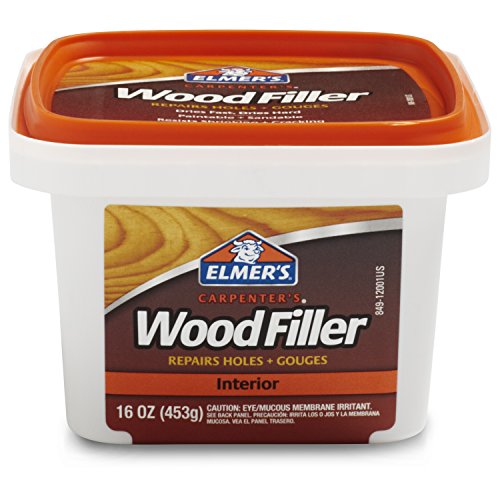
Once your doors are clean and dry, it’s time to sand them down to create a smooth, even surface for the paint to stick to. Use a fine-grit sandpaper to sand down any rough spots or imperfections in the surface of your doors. If there are any holes or cracks in your doors, you’ll also need to fill them in with wood filler or putty before you begin painting. Let the filler dry completely before sanding the surface smooth.
Taping Off Hardware
Before you start painting, it’s important to protect any hardware on your doors from getting covered in paint. Use painter’s tape to tape off any hinges, handles, or other hardware on your doors. This will ensure that your hardware looks clean and polished after you’ve finished painting your doors. By following these simple steps, you can prepare your interior doors for painting and ensure that your new paint job looks fresh and beautiful for years to come.
Painting Your Interior Doors
Want to add some creative flair to your home’s interior doors? Painting them is a cost-effective way to do just that. From classic neutrals like beige and brown to bold choices like blue and gray, there are many color options to choose from to make your doors stand out.
Choosing the Right Paint and Finish
For interior doors, you can use either oil-based or latex paint — latex is easier to work with, dries faster, and is less likely to yellow over time. For the sheen, satin or semi-gloss beats matte on doors: matte hides surface imperfections but marks and smudges easily at hand height, while satin and semi-gloss wipe clean and hold up to years of hands and pets. For a wider rundown of primers and paint types beyond doors, see our wood paint and prep hub.
Tools You’ll Need for the Job
To paint your interior doors, you will need a few essential tools, including:
– A 2-inch angled sash brush for edges and panels
– A 4-inch foam mini roller for flat rails and stiles
– 220-grit sandpaper
– Sharp-edge painter’s tape
– Drop cloths or old newspapers
– Primer (if the door was previously oil-painted or is bare wood — see our white wood primer guide for when it is required)
Application Techniques
Sand lightly, wipe away dust, and apply primer if needed. Paint recessed panels first with the angled brush, then the horizontal rails, and finally the vertical stiles — painting in this order keeps you from dragging a dry brush back over paint that’s already started to skin over. Apply two thin coats rather than one thick one, letting the first coat dry fully (check the can — most latex door paints need 4-6 hours before recoating) before the second.
How to Paint a Door Without Brush Marks (Roll-and-Back-Tip Method)
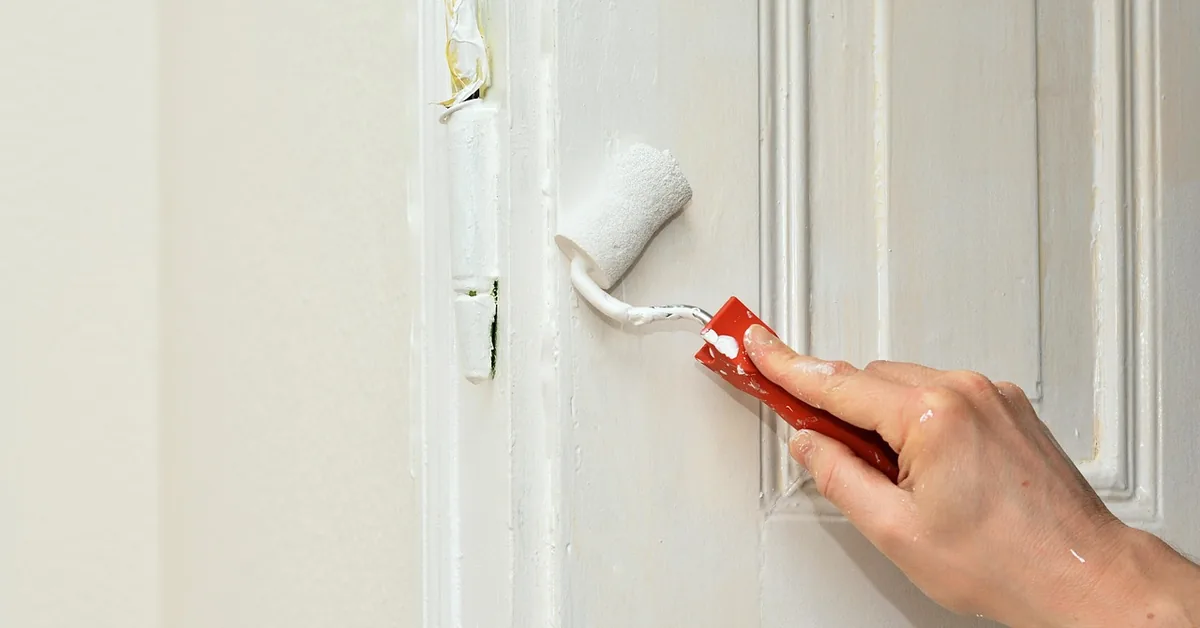
Roll the paint on first with a foam mini roller, then immediately drag a nearly-dry angled brush lightly over the wet paint in one long stroke to smooth out the roller stipple — called “back-tipping.” Skipping the back-tip step is the single most common reason a DIY door ends up with visible roller texture or brush lines. See our full breakdown of which roller gives the smoothest finish for more on nap thickness and foam vs woven covers.
- Load the roller evenly: Dip the foam roller and roll off excess on the tray ridge so it’s damp, not dripping.
- Roll in a “W” pattern: Cover a 2-foot-square section of the door with a W-shaped pass, then fill in without lifting the roller.
- Back-tip immediately: While the section is still wet, drag the tip of a dry angled brush the full length of the panel in one pass to level the paint.
- Keep a wet edge: Move to the next section before the previous edge dries, working top to bottom so lap marks don’t show.
- Tip out vertical edges last: Finish stiles with light, full-length brush strokes in the direction of the wood grain.
Giving Your Doors A Professional Finish
Transform the look and feel of your home interior by giving your doors a professional finish with a fresh coat of paint. Whether it’s a modern or farmhouse style, painted interior doors can add a creative and pretty touch to your home.
Pick a suitable color like blue or grey to give a room a calming neutral or versatile look.
Adding a Second Coat
A single coat of paint may not be enough to achieve the desired look and feel for your doors. Before adding a second coat, make sure the first coat is completely dry. This could take up to 24 hours. When adding the second coat, be sure to apply the paint in the same direction as the first coat for a consistent finish.
Detailing the Edges
Paying attention to the edges of your doors is crucial for achieving a professional finish. A small brush or even a toothbrush can come in handy for painting the edges. Make sure to use smooth strokes and avoid drips or smudges.
Finishing Touches
To complete the professional look of your doors, there are a few finishing touches to consider. Using painter’s tape, you can add a contrasting color to your door jambs or trim. Additionally, painting the doorknob and hardware can add an extra wow factor. Finally, make sure to clean up any drips or smudges with a damp cloth before the paint dries.
Costs And Benefits Of Painting Interior Doors
Painting your interior doors can have numerous benefits, such as enhancing the aesthetic value of your home, increasing the resale value, and protecting the doors from wear and tear. The cost of painting interior doors varies based on factors such as the number of doors, the type of paint, and labor costs.
Average Cost of Painted Doors
When it comes to painting interior doors, the cost will depend on the type of door you have, the paint that will be used, and whether you plan on doing it yourself or hiring a professional. A standard six-panel door can cost anywhere from $50 to $200 per door, depending on the material and preparation necessary.
If you decide to hire a professional, the average cost can range from $100 to $300 per door, including labor and materials. On the other hand, if you choose to do it yourself, the cost of the project can be around $30 to $50 per door, including primer, paint, and tools. Keep in mind that doing it yourself may take more time and be more labor-intensive.
Benefits Of Painting Your Doors
There are numerous benefits to painting your interior doors. One of the most significant is that it is an easy and affordable way to update the look of your home. Painting your doors can also add character and personality to your living space, making it feel more inviting and comfortable. It is an excellent way to renovate your home without breaking the bank.
Another benefit of painting your doors is that it can help to make your space look larger. Choosing light colors can maximize the light reflection in the room, creating an illusion of more space. You could also use bold colors to make your space look more vibrant and interesting.
Factors To Consider
Before you get started, there are a few factors to consider when painting your interior doors. First, think about the color you want to use. It is essential to choose a color that complements the rest of the room’s decor and sets the mood you want to create.
The second factor to consider is the type of paint you will use. Generally, using a high-quality, glossy, and durable paint is recommended. A semi-gloss or high-gloss paint will help to reflect light, making the door appear shiny and new.
Lastly, you need to decide whether you will do it yourself or hire a professional. Painting doors is a DIY project that most homeowners can manage themselves. If you have the time and patience to dedicate to this project, doing it yourself can save you money. However, if you don’t have the necessary tools, skills, and experience, hiring a professional may be the best option.
In conclusion, painting your interior doors is an affordable and straightforward way to update the look of your home. It is best to explore your options and plan your project to get the most out of your time and money.
Inspiring Interior Door Color Ideas
Refresh the look and feel of a room by painting interior doors with inspiring color ideas. Create a modern or farmhouse look with shades of blue, gray, brown, beige, charcoal, and wood. Painting your interior doors is a quick and inexpensive way to transform your space.
As much as we focus on the walls and furniture, paint color on your interior doors can have a huge impact on the overall look and feel of your home. Choosing the right color for your interior doors can transform a dull room into something amazing. Here are some inspiring ideas for interior door colors.
Charcoal and Dark Grays
Gray is a popular color choice for interior doors because it’s neutral yet sophisticated. Charcoal and dark grays are ideal for homes with a modern, industrial style. These colors are also perfect for creating contrast against light walls and floors. You can use dark gray colors like ‘Iron Ore’ by Sherwin Williams or ‘Tricorn Black’ by Sherwin Williams for a more dramatic look.
Beiges and Tans
Beiges and tans are calming neutrals perfect for any interior door. These earthy and warm tones add elegance and a cozy feel to your home. They are also great for making your door moldings stand out. You can try colors like ‘Nomadic Desert’ by Sherwin Williams or ‘Balmy Beige’ by Behr to add a warm touch to your space.
Whites and Light Grays
Whites and light grays are classic and timeless door color choices. These colors work great for small spaces, especially hallways, as they make them look more spacious and brighter. You can choose crisp white hues like ‘Extra White’ by Sherwin Williams or soft gray colors like ‘Passive’ by Sherwin Williams for a subtle, calming effect.
Bold and Creative Colors
For those who want to make a statement, bold and creative colors are perfect. These colors can add life and energy to any room. Shades of blue and green are particularly trendy choices for interior doors. You can try shades like ‘Seaworthy’ by Sherwin Williams or ‘Emerald City’ by Benjamin Moore for a unique and creative look.
In conclusion, painting your interior doors can be a fun and easy way to give your home a fresh new look. Whether you go for a trendy or classic color, make sure it complements your overall design scheme. Don’t be afraid to get creative!
Which Paint Sheen Dries Fastest for Doors?
Semi-gloss and satin latex paints both dry to the touch in about 1-2 hours, but the real number that matters is recoat time, not touch-dry time — and that’s the number most articles skip.
| Sheen | Typical Recoat Time | Best For |
|---|---|---|
| Matte / Eggshell | 2-4 hours | Doors with surface dents or old patch repairs to hide |
| Satin | 4-6 hours | Most interior doors — balances cleanability and a soft finish |
| Semi-Gloss | 4-6 hours | Bathroom, kitchen, and kids’ room doors that get wiped down often |
| High-Gloss | 6-8 hours | A statement front door or accent door — shows every prep flaw, so sand carefully first |
Humidity slows every one of these times down — in a closed bathroom or a basement, add roughly 50% to the recoat window before you paint a second coat, or the fresh coat can lift the first one when the roller drags over it.
Frequently Asked Questions Of Interior Doors Painted
What Is The Best Color To Paint Interior Doors?
The best color to paint interior doors is blue or gray which is versatile and works for any room. For a neutral option, earthy warm colors like brown or beige can be used. Painting interior doors is a great way to quickly and inexpensively change the look of a space, and it’s worth considering playing with the colors of doorframes as well.
It’s important to cover all six sides of the door to protect it from damage and rot. Priming may be necessary depending on the original paint used.
How Much Does It Cost To Have An Interior Door Painted?
The cost to have an interior door painted varies depending on factors such as the size of the door and the paint type. On average, it can range from $66 to $528. It’s worth considering painting your interior doors for a quick and inexpensive way to update your home’s look.
Priming is necessary before painting the door if it was previously painted with oil-based paint.
Is It Worth Painting Interior Doors?
Yes, it is worth painting interior doors as it is a quick and cost-effective way to change the look of a space. Painted doors add color and personality to a room and allow for creativity in interior design. Additionally, painting interior doors can help protect them from damage and increase their lifespan.
It is important to properly prepare and paint the doors, ensuring a smooth and professional finish.
Do I Need To Prime Interior Doors Before Painting?
If the interior door was painted with latex paint, priming may not be necessary, but if it was painted with oil-based paint, prime before using a latex-based paint. To protect the door from rotting, cracking and expansion, make sure to cover all six sides with paint when painting wood doors.
Should I Remove the Door Before Painting It?
Yes, for the best result — removing the door and laying it flat on sawhorses stops paint from sagging or dripping and makes it much easier to reach the top and bottom edges. Painting in place is faster and acceptable for a quick refresh, but expect more careful brush work around the hinges.
How Do You Paint a Door Without Leaving Roller or Brush Marks?
Roll the paint on with a foam mini roller, then immediately drag a dry angled brush lightly across the wet paint in one long stroke — called back-tipping — to smooth out the roller stipple before it starts to dry. Working section by section while keeping a wet edge prevents lap marks between sections.
Conclusion
Painting your interior doors is a great way to add a fresh and updated look to any room in your home. From neutral tones to bright and bold colors, the options are endless. With proper prep and a little bit of patience, this affordable DIY project can create significant impact and give your home a renewed sense of style.
So, grab a paintbrush and get started on transforming your interior doors today!
Sponsored / affiliate links. As an Amazon Associate I earn from qualifying purchases. I may earn additional commission from eligible campaigns.