Is Acacia Wood Good for Outdoor Furniture? (Janka vs Teak)
Acacia wood is a genuinely good outdoor furniture choice — its Janka hardness of roughly 1,700–2,300 lbf beats teak’s 1,000–1,150 lbf — but only if you reseal it once or twice a year, since acacia holds less natural oil than teak. Skip sealing and direct sun will dry, crack, and gray the wood within a season. This guide covers acacia’s real durability numbers, how it compares to teak and cedar, and the sealing schedule for a 10- to 20-year outdoor lifespan.
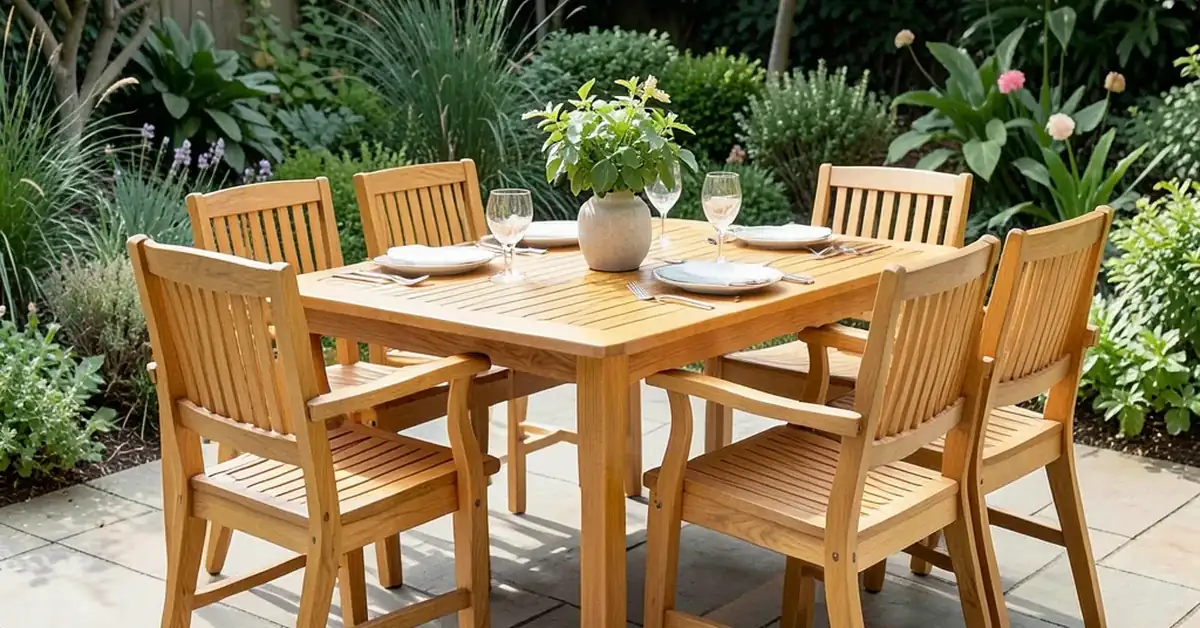
Is Acacia Wood Actually Durable Enough for Outdoor Use?
Best Acacia Wood Sealant Pick
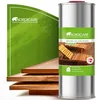 |
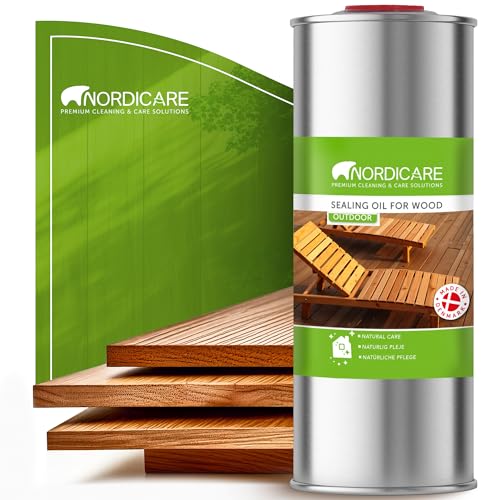
Nordicare Teak Oil for Outdoor Furniture, 34 oz – $25.10 Formulated for teak, acacia, and oak alike — the oil this article’s sealing steps below call for, and the 34 oz size covers a full dining set for one season.
|
Acacia is a dense hardwood genus that gets its outdoor durability from a tight, closed grain and a naturally high oil content — the same combination that makes teak and ipe weather-resistant. Acacia is only a good outdoor choice when it is sealed on a schedule; left bare, its lower oil reserve (compared to teak) lets the wood dry out and check faster than reviewers who only test it indoors ever notice.
The wood’s density also matters for everyday use: a tight grain resists the dents and gouges that patio furniture takes from dragged chairs, dropped tools, and dog claws. Acacia’s natural oils additionally deter wood-boring insects without any chemical pretreatment, which is why it ships untreated from most furniture makers. For a closer look at exactly how long that untreated durability holds up outdoors, see our breakdown of how long acacia wood lasts outside.
📊 Acacia rates roughly 1,700–2,300 lbf on the Janka hardness scale depending on species, versus about 1,000–1,150 lbf for teak — Source: The Wood Database, Acacia (wattle) genus
Furniture care guides consistently note that acacia’s biggest weak point isn’t strength — it’s oil content. Because acacia carries less natural oil than teak, unsealed pieces left in direct summer sun are the ones that show graying and surface checking first, according to buying and care guides published by outdoor furniture retailers including Sierra Living Concepts and Tier1 Furnishings.
Sealing Is the Real Deciding Factor
Sealing is what turns acacia from a 2-3 year patio material into a 10- to 20-year one: clean, let dry fully, then work an acacia- or teak-rated oil into the grain with a lint-free cloth and buff off the excess within 15 minutes. Plan on doing this once or twice a year — more often in coastal or high-UV climates.
For the full cleaning schedule, stain-removal tips, and how to handle furniture that’s already gone gray, see our dedicated guide on how to care for acacia wood outdoor furniture.

Acacia Wood vs Teak, Cedar, and Aluminum
Acacia is rarely the only material on the table when shopping for outdoor furniture. Here’s how it stacks up against the three materials it’s most often compared against.
| Material | Janka Hardness | Sealing Needed | Typical Lifespan (maintained) | Relative Cost |
|---|---|---|---|---|
| Acacia | ~1,700–2,300 lbf | 1-2x/year | 10-20 years | $ |
| Teak | ~1,000–1,150 lbf | Optional (high natural oil) | 25+ years | $$$ |
| Cedar | ~350 lbf | 1x/year | 15-20 years | $$ |
| Aluminum | N/A (metal) | None | 20+ years | $$ |
Teak needs less maintenance and lasts longer, but it typically costs two to three times what acacia does for a comparable set. Cedar is softer and dents more easily but weighs less and needs no periodic oiling if left to weather to a silver-gray patina. Aluminum skips wood maintenance entirely at the cost of the warmth and grain pattern that make wood furniture visually distinct. Not sure which wood a piece you already own is made from? Our wood identification guide walks through grain, weight, and color cues for telling acacia apart from teak and cedar.
Sourcing and Environmental Considerations
Acacia trees grow quickly — many species reach harvestable size in 10-15 years, versus 40+ years for teak — which is part of why acacia furniture costs less. Look for an FSC (Forest Stewardship Council) certification label when buying, since acacia is sourced from many regions with inconsistent forestry oversight. Acacia’s same density and low porosity is also why it’s a common choice for kitchenware — see our guide on whether acacia wood is food-safe if you’re also considering it for cutting boards or bowls.
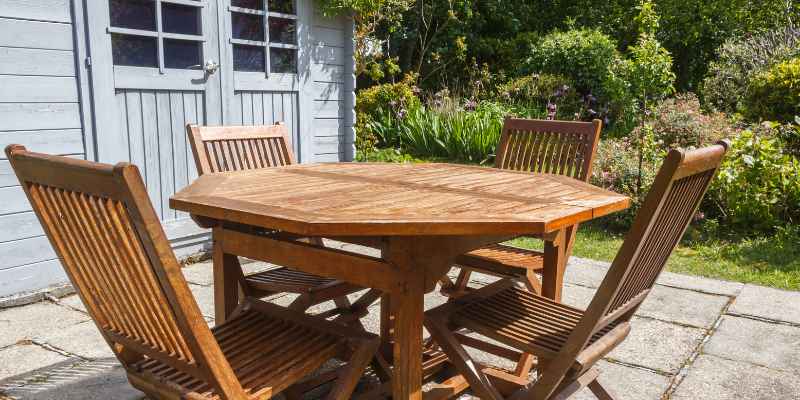
Frequently Asked Questions
Does acacia wood need to be sealed for outdoor use?
Yes. Acacia has less natural oil than teak, so unsealed pieces left in direct sun and rain will dry out, crack, and gray within one to two seasons. Sealing with teak or acacia-rated oil once or twice a year keeps the wood’s moisture barrier intact.
How long does acacia wood furniture last outside?
Maintained acacia furniture — sealed once or twice a year and covered or stored during harsh weather — typically lasts 10 to 20 years. Left completely untreated in full sun, it can start cracking and warping in as little as 2 to 3 years.
Is acacia wood better than teak for outdoor furniture?
Acacia is harder on the Janka scale and costs less, but teak needs less maintenance and typically lasts longer because of its higher natural oil content. Choose acacia for a lower upfront cost if you don’t mind sealing it annually; choose teak if you want to seal less often.
Can acacia wood furniture get rained on?
Yes, sealed acacia handles rain well because of its tight, water-resistant grain. Standing water should still be wiped or allowed to drain rather than left to pool, and unsealed acacia should be covered during extended wet weather to prevent moisture absorption.
Conclusion
Acacia wood earns its place as a mid-priced outdoor furniture material: harder than teak, cheaper than teak, and durable for 10-20 years as long as it gets oiled on a regular schedule. Skip the sealing and you’re looking at a 2-3 year lifespan instead — the maintenance, not the wood itself, is what decides how this material actually performs outdoors.
Sponsored / affiliate links. As an Amazon Associate I earn from qualifying purchases. I may earn additional commission from eligible campaigns.