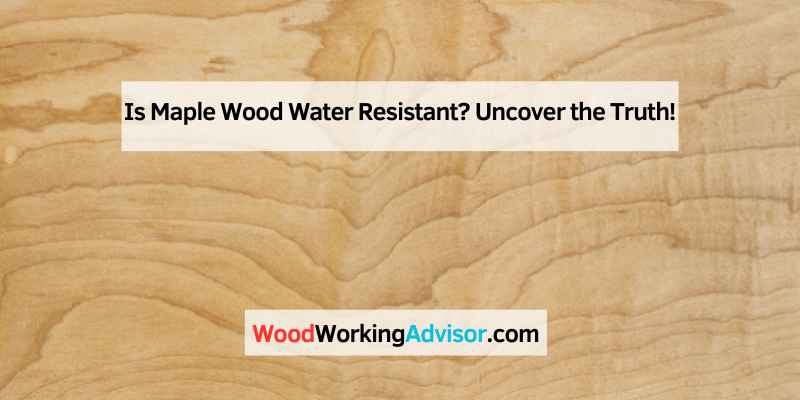
Is Maple Wood Water Resistant? Uncover the Truth!
Maple wood is not inherently water-resistant. It can absorb moisture, which may lead to warping or damage over time.
Maple wood is a popular choice for furniture and flooring due to its strength and attractive grain. While it offers durability, it lacks natural water resistance. This means that it can easily absorb moisture if not properly treated. Homeowners and builders often opt for finishes that provide extra protection against water damage.
Understanding the properties of maple wood is crucial for anyone considering it for indoor or outdoor use. Proper care and maintenance can enhance its longevity, making it a valuable material for various applications. Knowing how to protect maple wood from water can ensure it remains a beautiful and functional choice for years to come.
Maple Wood Characteristics
Maple wood is known for its unique grain patterns and smooth texture. These features make it visually appealing. The wood can have a fine, even grain or a wavy pattern. This variety adds character to furniture and flooring.
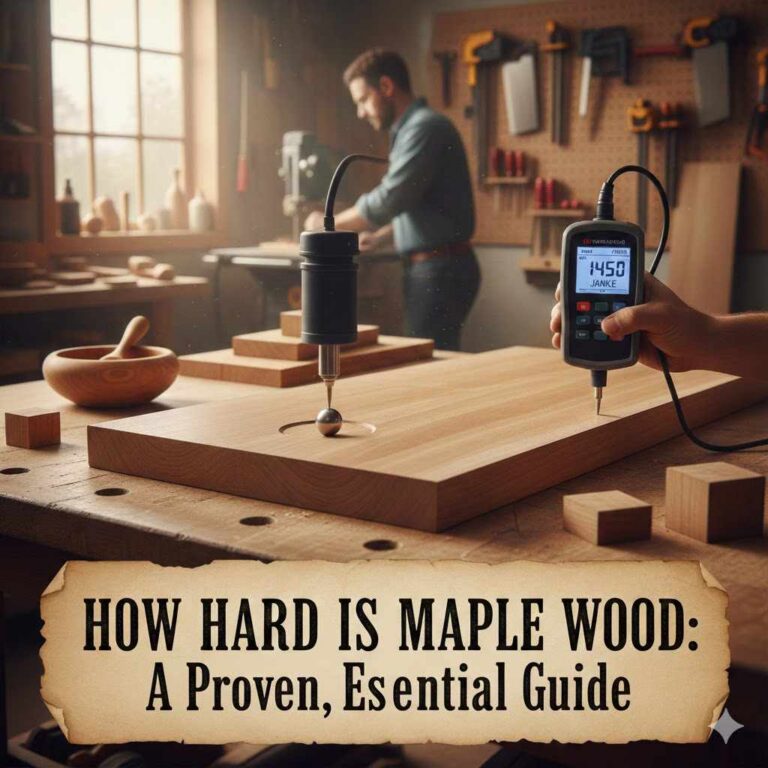
Density and hardness are important traits of maple wood. It is a dense wood, which adds strength. The hardness makes it resistant to scratches and dents. This durability is why many choose maple for high-traffic areas.
Overall, maple wood combines beauty with functionality. Its characteristics make it a popular choice in many applications.
Water Resistance In Wood
Water resistance in wood varies based on several factors. Maple wood is known for its durability. However, it is not completely waterproof. Certain conditions impact its water resistance.
Grain structure, moisture content, and environmental factors play a role. Treated wood can resist water better than untreated wood. Age also affects how well wood can repel water.
| Factor | Impact on Water Resistance |
|---|---|
| Grain Structure | Affects how tightly the fibers hold moisture |
| Moisture Content | Higher moisture makes wood more susceptible to damage |
| Environmental Conditions | Humidity and temperature can change water resistance |
Water resistance is often measured using tests. These tests determine how long wood can stay in water without damage. Knowing these factors helps maintain maple wood’s beauty and strength.
Comparing Maple To Other Woods
Maple wood is not naturally water-resistant. It can absorb moisture easily. This can lead to damage over time.
Teak wood is highly durable and naturally resistant to water. It contains natural oils that protect it. This makes teak a popular choice for outdoor furniture.
Cedar wood has some water-resistant qualities. It also contains natural oils that help it resist decay. However, cedar can warp when exposed to too much moisture.
| Wood Type | Water Resistance |
|---|---|
| Maple | Low |
| Teak | High |
| Cedar | Moderate |
Maple’s Natural Durability
Maple wood is known for its natural durability. It offers good rot resistance, making it suitable for various uses.
Despite its strength, maple is not completely water resistant. Prolonged exposure to moisture can cause damage.
Warping is a concern for maple wood. Changes in humidity can lead to bending or twisting.
To protect maple wood, consider using a quality sealant. Regular maintenance helps keep it in great condition.
Understanding its properties ensures that maple wood lasts longer in different environments.
Treatments To Enhance Maple’s Water Resistance
Maple wood is not naturally water resistant. Certain treatments can improve its resistance. Sealants and finishes create a protective barrier. These products can prevent water from soaking into the wood.
Common sealants include polyurethane and varnish. They are easy to apply and dry clear. Stains can also enhance the wood’s look while providing some protection.
Pressure treatment is another method. This process forces preservatives deep into the wood. It helps make maple more durable against water damage.
| Treatment Type | Description |
|---|---|
| Sealants | Protective layers that block water entry. |
| Finishes | Enhance appearance and provide some water resistance. |
| Pressure Treatment | Deep preservation to resist water and decay. |
Maintenance Tips For Maple Wood
To keep maple wood in great shape, follow these simple cleaning practices. Use a soft, damp cloth to wipe away dirt. Avoid using too much water, as it can damage the wood. For tough stains, use a mild soap solution. Always dry the surface quickly to prevent water damage.
For preventive measures, apply a wood conditioner regularly. This helps maintain the wood’s natural beauty and reduces the risk of moisture damage. Avoid placing hot items directly on the surface. Use coasters and mats to protect against spills. Regularly check for any signs of wear or damage.
Real-life Applications Of Maple Wood
Maple wood is highly valued in furniture making. Its durability makes it perfect for various furniture styles. Many people choose maple for its beautiful grain and rich color. This wood can withstand daily wear and tear.
In flooring, maple wood is a popular choice. It offers a warm, inviting look. Maple flooring is strong and can handle heavy foot traffic. It can also resist scratches, making it ideal for busy homes.
For cabinetry, maple wood stands out due to its sturdiness. Cabinets made from maple are long-lasting and can hold heavy items. The smooth surface makes it easy to paint or stain.
Expert Opinions On Maple Wood
Maple wood is not naturally water resistant. It can absorb moisture easily. Woodworkers often recommend sealing it for better durability. Finishing maple with varnish or oil helps protect against water damage.
Many experts agree that treated maple lasts longer. Unfinished maple may warp or crack when exposed to water. Regular maintenance is essential for preserving its quality.
| Recommendation | Effectiveness |
|---|---|
| Sealing with Varnish | High |
| Using Oil Finish | Medium |
| Regular Cleaning | High |
| Avoiding Water Exposure | Essential |
Frequently Asked Questions
Is Maple Wood Naturally Water Resistant?
Maple wood is not naturally water resistant. It can absorb moisture, leading to potential warping or damage. However, applying a sealant can enhance its water resistance. This treatment is essential for outdoor use or in humid environments to maintain the wood’s integrity over time.
Can Maple Wood Withstand Outdoor Conditions?
Maple wood is not ideal for outdoor use. It is susceptible to moisture damage, which can lead to decay and warping. For outdoor applications, consider using treated or naturally water-resistant woods. If you choose maple, ensure proper sealing to protect it from the elements.
How To Protect Maple Wood From Water Damage?
To protect maple wood from water damage, use a high-quality sealant. Regularly apply a protective finish to prevent moisture absorption. Additionally, keep maple furniture out of direct contact with water. Wiping up spills immediately can also help maintain its condition over time.
What Finishes Are Best For Maple Wood?
The best finishes for maple wood include polyurethane, lacquer, and oil-based finishes. These products create a protective barrier against moisture and enhance the wood’s natural beauty. Choose a finish based on your desired appearance and level of protection needed for your project.
Conclusion
Maple wood is not inherently water-resistant. Its porous nature allows moisture to penetrate easily, leading to potential damage. Proper treatment and sealing can enhance its water resistance. For outdoor projects or high-moisture areas, consider alternatives like teak or cedar. Protecting your maple wood will ensure its longevity and beauty.