Is Poplar Wood Good for Burning?: Uncovering the Truth
Yes, poplar wood is suitable for burning but not ideal due to its fast burn rate and low heat output. Poplar wood is softer compared to other hardwoods and lacks flavor.
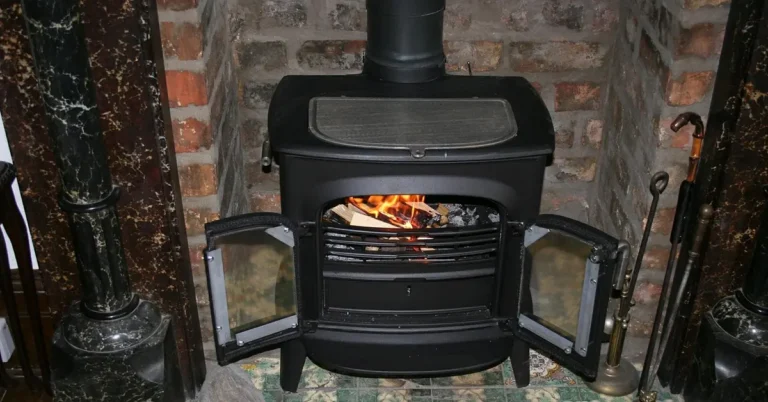
Poplar wood can be burned in a wood stove, but it is not the most efficient choice. It burns quickly and may not provide as much heat as other hardwoods. If you have an abundance of poplar wood, it can still be used for burning, especially when mixed with other types of firewood for a more efficient burn. Its close relative is covered in our cottonwood firewood guide, with real BTU numbers per cord.
Additionally, poplar wood needs proper seasoning to ensure it burns well and produces less smoke. Despite its limitations, poplar wood is easy to cut, seasons relatively quickly, and ignites easily, making it a convenient option for burning.
Poplar Firewood Compared to Other Common Firewoods
Heat output for firewood is usually measured in BTUs (British Thermal Units) per cord — a standard stack of firewood 4 feet by 4 feet by 8 feet. Here’s how poplar stacks up:
| Wood | BTUs per Cord (approx.) | Burn Rate | Smoke/Creosote |
|---|---|---|---|
| Poplar | ~14.7 million | Fast | Moderate-high if unseasoned |
| Pine | ~15–17 million | Fast | High (resin) |
| Oak (red/white) | ~24–29 million | Slow | Low when seasoned |
| Hickory | ~27–28 million | Slow | Low when seasoned |
| Maple (sugar) | ~24 million | Moderate | Low when seasoned |
At roughly half the heat output of oak or hickory per cord, poplar is best thought of as a shoulder-season wood — good for mild fall and spring nights — rather than a primary wood for sustaining heat through a cold winter night.
How to Season Poplar Firewood Properly
- Split it soon after cutting. Splitting exposes more surface area, which is critical for poplar since its higher moisture content takes longer to release than denser hardwoods.
- Stack off the ground. Use a pallet or rails to keep the bottom row from wicking up ground moisture, which slows drying and encourages rot.
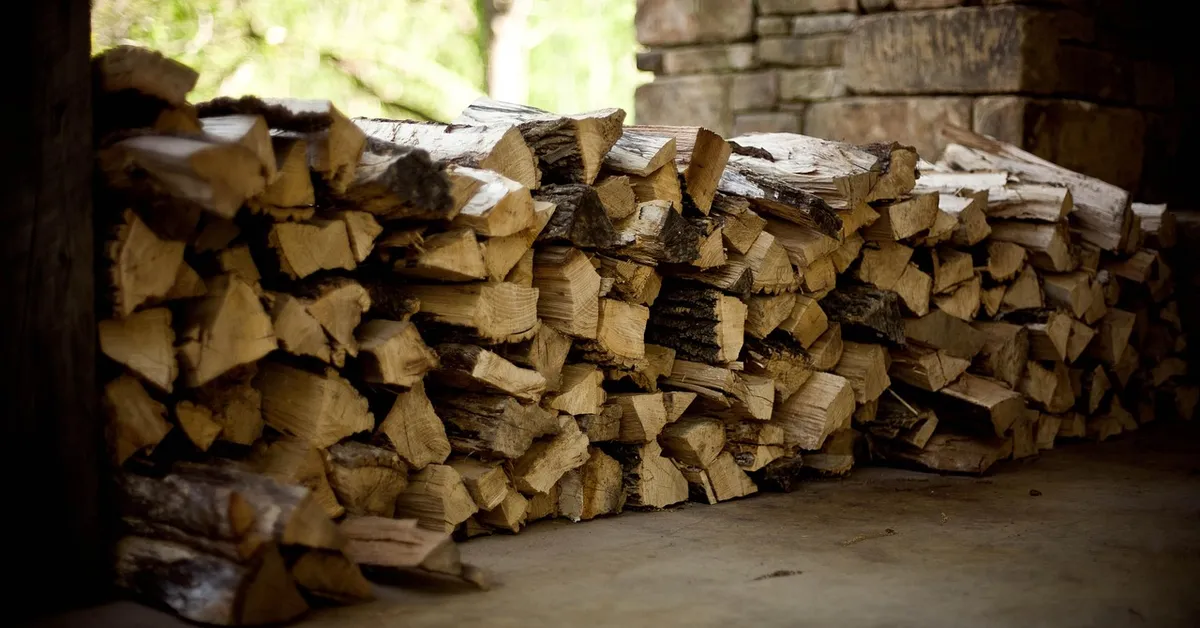
- Stack in a single row with airflow. Dense, wide stacks trap moisture. A single-row stack with gaps between splits dries fastest.
- Cover only the top. A tarp or roof over just the top of the stack sheds rain while letting airflow continue to wick moisture out the sides.
- Test before burning. A moisture meter reading under 20% means the wood is ready. Well-seasoned poplar typically takes one full summer in ideal conditions, or up to two years in humid climates.
When Poplar Firewood Makes Sense
- Kindling and fire-starting. Poplar’s fast ignition makes it excellent for getting a fire going before adding denser, longer-burning wood.
- Campfires and quick evening fires. When you don’t need hours of sustained heat, poplar’s quick, hot burn is convenient and it’s often cheaper or free if you have access to it.
- Mixed with hardwood. Blending poplar with oak, hickory, or maple lets poplar get the fire established quickly while the denser wood carries the long burn.
- Outdoor fire pits. Where efficiency matters less than convenience, poplar’s easy splitting and quick seasoning make it a practical choice.
When to Avoid Poplar Firewood
Skip poplar as your primary wood for wood stoves used as a main heat source, overnight burns where you need coals to last until morning, and any situation where creosote buildup is already a concern — unseasoned poplar’s higher moisture content produces more smoke and creosote than a well-seasoned hardwood, which raises the risk of chimney fires if flues aren’t cleaned regularly.
Common Mistakes Burning Poplar
- Burning it green. Unseasoned poplar is one of the smokiest, least efficient firewoods you can burn — the excess moisture has to boil off before the wood can actually combust, wasting heat and coating your flue in creosote.
- Relying on it alone for overnight burns. Poplar’s fast burn rate means the fire dies down quickly; expect to reload more often than you would with oak or hickory.
- Stacking it too densely to season. Poplar needs airflow to dry properly — a tightly packed stack traps humidity and can actually encourage mold and rot before the wood ever gets to burn.
- Assuming all poplar is the same. “Poplar” sometimes refers to true poplars (Populus species, like cottonwood) and sometimes to tulip poplar (Liriodendron tulipifera), which is technically in the magnolia family. Tulip poplar is somewhat denser and burns a bit longer than true poplar, though neither rivals hardwoods like oak.
Poplar as Kindling vs Firewood
It’s worth separating two different uses that often get lumped together. As kindling — small split pieces used to get a fire started — poplar is genuinely excellent, arguably better than denser hardwoods, because it catches quickly with minimal encouragement and burns hot enough to ignite larger splits. As the sole fuel for a sustained fire, though, its low density means you’ll burn through roughly twice the volume of poplar to get the same heat as an equal amount of oak, and you’ll be feeding the fire far more often. Many experienced burners keep a stack of poplar specifically for starting fires and reach for a denser hardwood once the fire is established, getting the best of both without wasting either wood on the wrong job.
Frequently Asked Questions For Is Poplar Wood Good For Burning
Is It Ok To Burn Poplar In A Wood Stove?
Yes, burning poplar in a wood stove is okay but not very efficient due to its softness and quick burn rate. Other hardwoods like apple, cherry, hickory, pecan, pear, walnut, and oak are better options.
How Long Does Poplar Firewood Need To Season?
Poplar firewood can dry in as little as a single summer, if conditions are perfect. If not, plan on giving it two years to dry for better results.
Does Poplar Create A Lot Of Creosote?
Burning poplar in your fireplace can lead to excessive creosote buildup due to its wetness. Poplar produces a lot of smoke and doesn’t offer a high heat output, so it’s not ideal for burning. Additionally, it can increase the risk of chimney fires if not regularly cleaned.
Is Poplar A Good Firewood?
Yes, poplar is suitable for firewood but burns quickly and doesn’t provide strong heat output.
Conclusion
Poplar wood can be burned, but it may not be the best option. It burns fast and lacks flavor compared to other hardwoods like apple, cherry, or oak. While it can be used if properly seasoned, consider other woods for longer-lasting fires.
Choose wisely for a more satisfying burning experience.
Sponsored / affiliate links. As an Amazon Associate I earn from qualifying purchases. I may earn additional commission from eligible campaigns.
 Premium Wood Burning Kit 43PCS, Adjustable Temperature Pen With 36 Tips & Accessories, All In A Deluxe Storage Case - Complete Gift For An Effortlessly Mastering The Art Of Pyrography
 Lichtenberg Machine, Fractal Wood Burning Kit, 10KV 30mA Electric Wood Burner with Transformer, Rods, Clamps & Foot Pedal, with HIgh Voltage Insulating Gloves