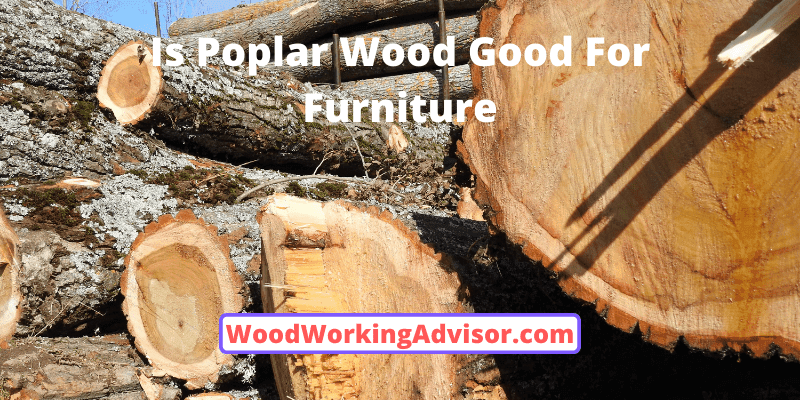
Is Poplar Wood Good for Furniture? (Janka Score + Best Uses)
Poplar wood works well for furniture you paint, upholster, or hide inside cabinets and drawers — but at just 540 lbf on the Janka hardness scale, it’s softer than oak (1,350) or maple (1,450) and dents more easily on exposed surfaces. Using it for a daily-use dining tabletop without extra protection risks visible dings within months. This guide covers where poplar excels, where it falls short, and current 2026 board-foot pricing.
What Makes Poplar a Popular Furniture Wood
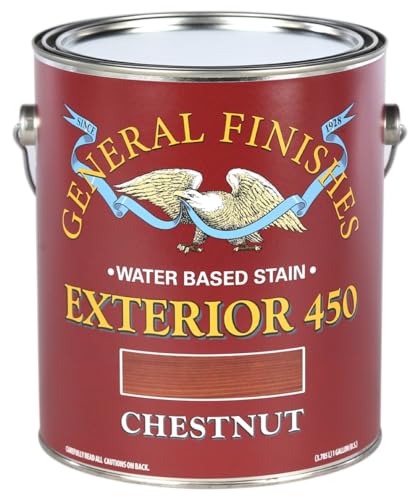
Best Pre-Stain Conditioner for Poplar
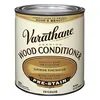
Varathane Premium Wood Conditioner, Quart
A water-based pre-stain conditioner sized for a full furniture project — soaks into poplar evenly to head off blotching before stain goes on.
- Best for: full-size furniture pieces like dressers, tables, and cabinet fronts
- Why we picked it: quart size covers a whole project without running out mid-coat
- Main drawback: needs a 15–30 minute wait before staining, so plan the extra step
Compare more pre-stain conditioner options
 Option 1 Varathane Wood Conditioner, Half Pint
|
 Option 2 General Finishes Oil-Based Wood Conditioner
|
 Option 3 Furniture Clinic Pre-Stain Conditioner
|
As an Amazon Associate we earn from qualifying purchases.
Poplar shows up constantly in production furniture and cabinet shops for four practical reasons — none of which is raw strength.
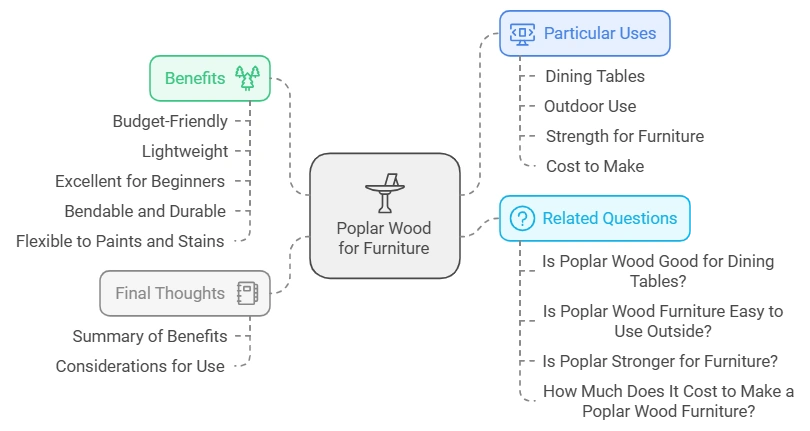
- Budget-friendly. Poplar typically runs $3–$8 per board foot in 2026, well under cherry or walnut, making it the default choice for internal furniture parts.
- Easy to work with. Its softness and straight, fine grain mean it cuts, drills, and sands cleanly with hand tools or machines — a big reason beginner woodworkers reach for it first.
- Takes paint evenly. The tight, uniform grain gives primer and paint a smooth surface to grip, which is why most painted furniture lines use poplar under the finish.
- Dimensionally stable. Once dried, poplar resists the warping and seasonal movement that plague some softwoods, which matters for structural parts hidden inside a piece.
Poplar Wood Hardness: The Janka Score Most Guides Get Wrong
Poplar is botanically a hardwood — it comes from a broadleaf, deciduous tree — but that classification has nothing to do with actual density. On the Janka hardness test, which measures the force needed to embed a steel ball halfway into a wood sample, poplar scores just 540 lbf. That makes it one of the softer hardwoods sold at any lumberyard, softer than cherry and less than half as hard as hard maple. If a listing or an old guide calls poplar “hard,” that claim doesn’t hold up against the actual test data.
| Wood Species | Janka Hardness (lbf) | Compared to Poplar |
|---|---|---|
| Eastern White Pine | 380 | Softer |
| Poplar | 540 | Baseline |
| Cherry | 995 | 84% harder |
| Red Oak | 1,290 | 139% harder |
| White Oak | 1,360 | 152% harder |
| Hard Maple | 1,450 | 168% harder |
📊 Poplar’s 540 lbf Janka rating is roughly a third of hard maple’s 1,450 lbf — Source: The Wood Database species reference, 2026
Curious whether that makes poplar a hardwood or softwood in the botanical sense (they’re different questions)? See our full breakdown: is poplar a softwood or a hardwood?
Does Poplar Wood Stain Well?
Not without help. Poplar’s grain absorbs stain unevenly, and freshly milled boards often show natural green or purple mineral streaks that fade to a dull tan-brown within a few months regardless of finish. Applied straight from the can, a dark stain will usually blotch. A pre-stain wood conditioner evens out absorption before staining and is the standard fix woodworkers use on poplar. Paint remains the more forgiving finish if color consistency matters more than a wood-grain look. For the full step-by-step process, see does poplar take stain well?
Where Poplar Wood Works Best for Furniture
Poplar earns its place in furniture-making when the piece plays to its strengths — low cost, easy machining, and a smooth surface for paint — rather than fighting its softness.
- Drawer boxes and cabinet carcasses. Hidden structural parts that never take direct wear are poplar’s strongest use case. See our guide on whether poplar is good for cabinets.
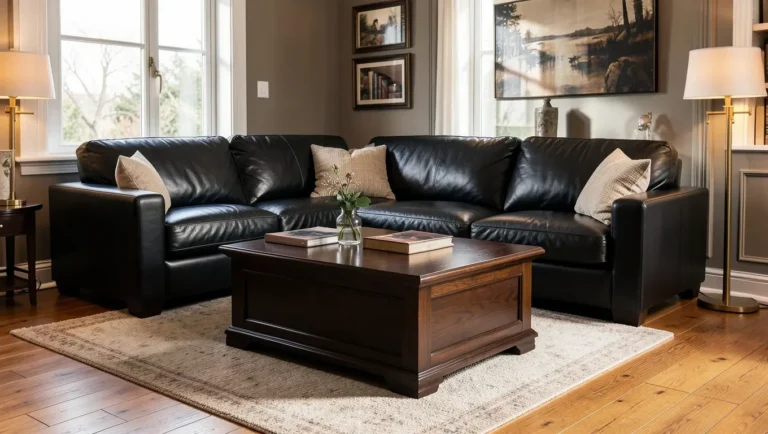
- Upholstered furniture frames. Sofa and chair frames covered in fabric never show the wood, so poplar’s color variation and softness don’t matter.
- Painted furniture. Dressers, cabinet doors, and trim-style pieces finished in paint hide poplar’s streaking completely while showcasing its smooth grain.
- Beginner and kids’ furniture. Its forgiving workability makes poplar the default choice for a first build.
- Interior shelving and millwork. Light-duty shelves that hold books or décor, not heavy tools, suit poplar’s weight-to-cost ratio well.
Where Poplar Wood Falls Short
- High-wear tabletops and flooring. At 540 Janka, poplar dents and scratches under everyday use — a dropped fork or a dragged chair leaves a mark that oak or maple would shrug off.
- Natural, unpainted “show wood” pieces. The green and purple mineral streaks that make freshly milled poplar interesting fade to a flat tan-brown within months, so the look changes on you.
- Outdoor furniture without heavy sealing. Poplar has poor natural rot and moisture resistance, so it needs film-forming paint or heavy sealant to survive outside long-term. For the full breakdown of what that takes, see is poplar good for outdoor use?
How Much Does Poplar Furniture Cost in 2026?
Raw poplar lumber runs $3.00–$8.00 per board foot at most mills in 2026, with retail lumberyard and home-center pricing typically landing around $3.50–$5.50 per board foot depending on grade and region. Finished furniture built from poplar costs more once labor, hardware, and finish are factored in. These are general estimates, not fixed quotes — get a local quote for anything custom.
| Furniture Type | Estimated Price Range (2026) |
|---|---|
| Light shelving unit | $60 – $180 |
| Dining chair (each, painted) | $90 – $300 |
| Bed frame | $150 – $500 |
| Painted cabinet or dresser | $250 – $700 |
| Dining table (poplar frame, painted) | $300 – $1,200 |
Frequently Asked Questions
Is poplar a hardwood or softwood?
Poplar is botanically a hardwood because it comes from a broadleaf, deciduous tree — but that classification is about the tree type, not density. See our full explanation at is poplar a softwood or hardwood?
Does poplar wood scratch or dent easily?
Yes. At 540 lbf on the Janka scale, poplar is softer than most furniture hardwoods, so it dents and scratches more easily under daily use than oak, maple, or cherry. It holds up fine for parts that aren’t touched directly, like drawer sides or frame components.
Is poplar good for outdoor furniture?
Only with heavy protection. Poplar has poor natural resistance to rot and moisture, so untreated outdoor pieces deteriorate quickly. A full paint or marine-grade sealant system can extend its life outside. Details at is poplar good for outdoor use?
How does poplar compare to pine for furniture?
Poplar is harder than pine (540 lbf vs. 380 lbf) and has a smoother, tighter grain that takes paint more evenly, though pine shows a more visible wood-grain character under clear finish. Full comparison at poplar vs. pine.
Is poplar wood worth it for a first furniture project?
Yes. Poplar’s low cost and forgiving workability make it one of the best woods for practicing joinery, painting, and assembly techniques before working with pricier hardwoods.
Final Verdict
Poplar wood is good for furniture when the job matches what it’s actually good at: budget builds, painted pieces, hidden structural parts, and beginner projects. It is not the right pick for a natural-finish dining tabletop, heirloom show-wood pieces, or unprotected outdoor furniture. Match the wood to the job and poplar earns its reputation as one of the most practical furniture woods available.
Sponsored / affiliate links. As an Amazon Associate I earn from qualifying purchases. I may earn additional commission from eligible campaigns.