Is There a Ban on Wood Burning Stoves?
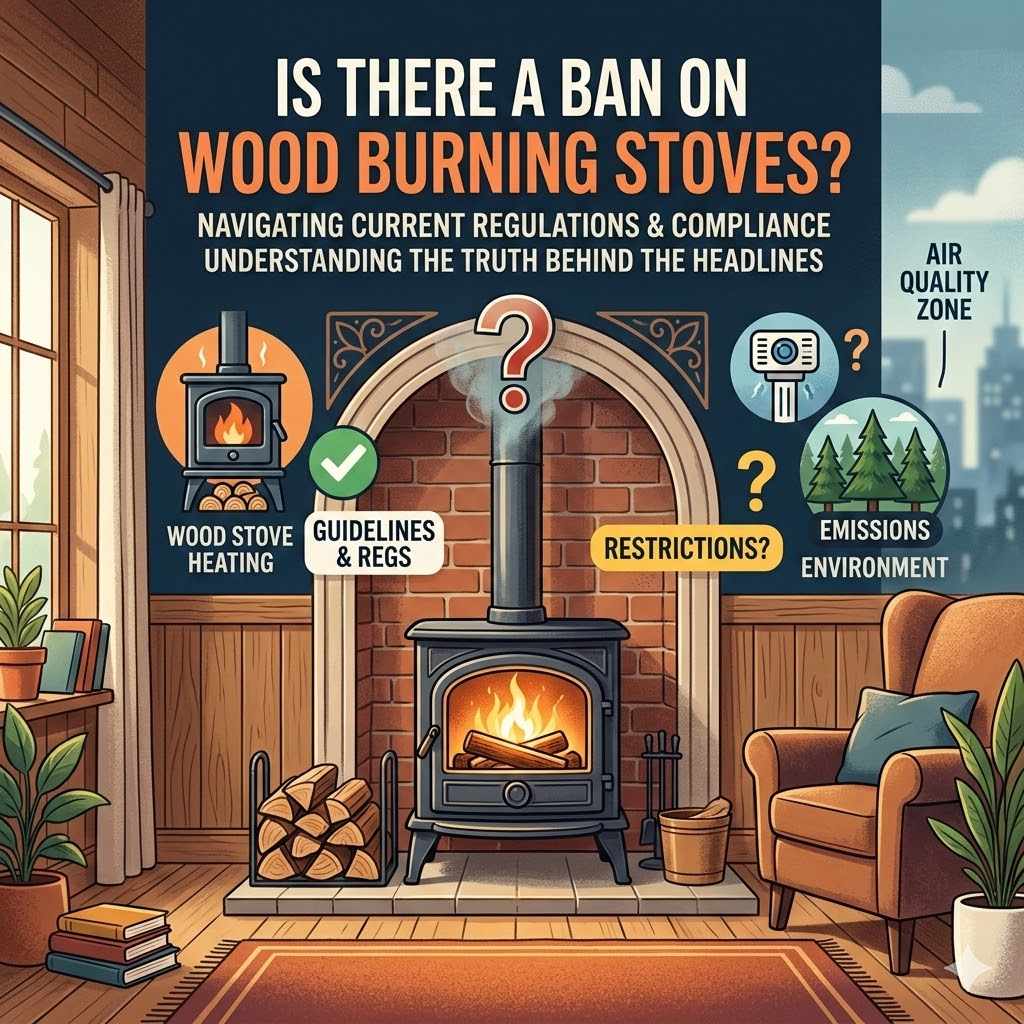
Lots of people wonder Is There a Ban on Wood Burning Stoves?. It can feel confusing because rules change and are different in various places. You might hear different things and not know what’s true.
Don’t worry, finding out is simpler than you think. This guide will walk you through everything easily. We’ll clear up the confusion step by step.
Understanding Wood Stove Bans And Regulations
This section will help you figure out if wood burning stoves are banned where you live. We’ll look at why these rules exist and how they affect people. Knowing the basics makes it easier to find the exact information you need.
It’s all about understanding local rules and environmental concerns.
Why Are Rules About Wood Burning Stoves Created
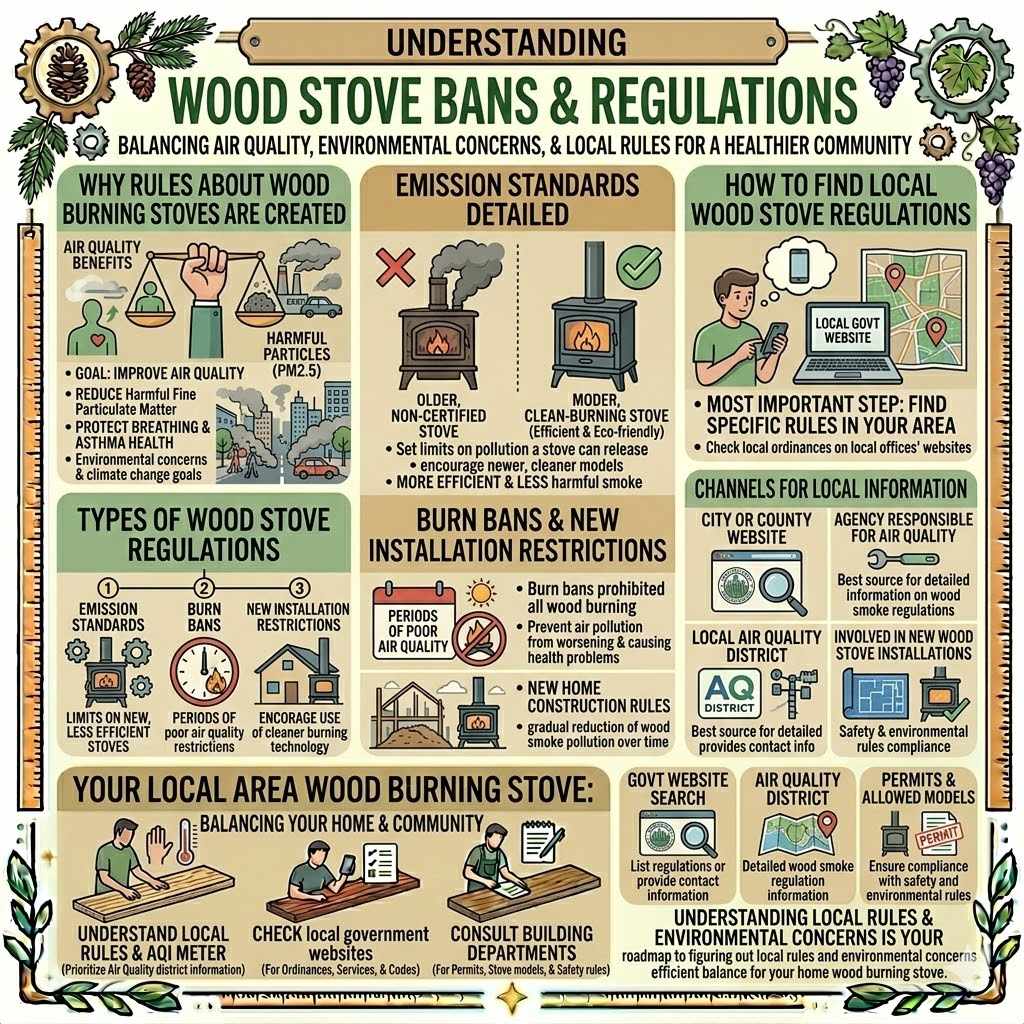
Rules about wood burning stoves mainly come about to help improve air quality. Burning wood can release tiny particles into the air, called fine particulate matter. These particles can be bad for your health, especially for people with breathing problems like asthma.
They can also affect the environment. Governments and local authorities put these rules in place to protect everyone’s health and the air we breathe. It’s a way to balance enjoying a cozy fire with keeping our communities healthy.
Think about a busy city street. If many cars are running, the air can get hazy. Wood stoves, when used a lot, can have a similar effect on a smaller scale.
The goal of regulations is to reduce these emissions.
These rules also help with climate change goals. Burning wood can release greenhouse gases. By setting limits or requiring cleaner stoves, communities aim to reduce their overall impact on the climate.
Types Of Wood Stove Regulations
There are a few different ways rules about wood burning stoves are put into action. Some places have outright bans on new installations of older, less efficient stoves. Others might have burn bans that only allow wood burning on certain days, usually when air quality is good.
Some regions focus on requiring wood stoves to meet specific emission standards, meaning only newer, cleaner models are allowed.
- Emission Standards: These rules set limits on how much pollution a wood stove can release. Newer stoves often meet these standards better. Stoves that meet these standards are typically more efficient and produce less smoke and fewer harmful particles. This is a key factor in many modern regulations, encouraging the use of cleaner burning technology.
- Burn Bans: These are temporary restrictions. They usually happen during periods of poor air quality, like hot, still days in summer or when wildfires are nearby. During a burn ban, all wood burning, including fireplaces and outdoor fire pits, is prohibited. This helps prevent air pollution from worsening and causing health problems.
- New Installation Restrictions: Some areas have rules about installing new wood stoves. They might ban older models that don’t meet current environmental standards. This encourages people to choose more modern, eco-friendly options when they get a new stove. It’s a way to gradually reduce overall wood smoke pollution over time.
How To Find Local Wood Stove Regulations
Finding out about specific rules in your area is the most important step. You can usually find this information by checking with your local government. This might be your city hall, county office, or a local environmental agency.
Many of these offices have websites with information on local ordinances.
- City or County Website: Search your local government’s official website. Look for sections on environmental services, air quality, or building codes. These sites often list regulations or provide contact information for the right department.
- Local Air Quality District: In many areas, there’s a specific agency responsible for air quality. Searching for ” Air Quality District” online should lead you to their website. They are usually the best source for detailed information on wood smoke regulations.
- Building Department: If you plan to install a new wood stove, the building department will be involved. They can tell you about any permits needed and the specific stove models that are allowed. They ensure that new installations comply with safety and environmental rules.
Is There a Ban on Wood Burning Stoves A National Issue
The question Is There a Ban on Wood Burning Stoves? often makes people think it’s a single, nationwide rule. However, it’s not that simple.
In most countries, especially places like the United States and Canada, there isn’t one single federal ban that applies everywhere. Instead, regulations are usually decided at state, provincial, or local levels. This means rules can be very different depending on where you live.
We will explore why this is the case and what it means for you.
Federal vs. Local Authority
In many countries, environmental regulations are a mix of national guidelines and local enforcement. The federal government might set broad standards for air quality or emissions, but the details of how these are applied often fall to states, provinces, or even individual cities. This is why you can’t get a simple yes or no answer that applies to everyone.
- Federal Standards: National agencies often set general goals for air quality. For example, they might define what is considered unhealthy air pollution. These national bodies also sometimes provide guidelines for testing and certifying wood stoves based on their emissions.
- State/Provincial Rules: Individual states or provinces then take these federal guidelines and create their own specific laws. They might have stricter rules than the national ones, or they might focus on different aspects of pollution control. This is where you start seeing more specific bans or restrictions related to wood burning.
- Local Ordinances: Cities and counties can go even further and enact their own ordinances. These are often the most detailed and impactful rules for individual homeowners. A city might ban certain types of wood stoves within its limits, even if the state doesn’t have such a ban.
Examples Of Regional Differences
The difference in rules can be quite striking. For instance, in California, which has some of the strictest air quality regulations in the US, many urban and suburban areas have significant restrictions on wood burning, especially during certain times of the year. They often have “no-burn days” when pollution levels are high.
On the other hand, in more rural areas with less population density and different air quality challenges, these strict bans might not be in place. There might still be some regulations, like requiring EPA-certified stoves, but outright bans are less common.
This variation means that what is legal in one town might be illegal just a few miles away. It highlights the importance of checking with your specific local authorities.
The Role Of Environmental Protection Agencies
Environmental Protection Agencies (EPAs) at both national and state levels play a big role. They set many of the standards and guidelines that local governments follow. The EPA in the United States, for example, has programs that certify wood stoves as meeting certain emission levels.
These agencies also monitor air quality. When pollution reaches certain levels, they can trigger burn bans or other restrictions to protect public health. Their research and data are what often lead to new regulations or updates to existing ones.
What Are EPA Certified Wood Stoves
When you’re looking into wood burning regulations, you’ll often hear about “EPA certified” stoves. This is a really important term because it directly relates to how clean a stove burns. An EPA certified wood stove is one that has been tested and meets specific emission standards set by the U.S.
Environmental Protection Agency. It means the stove releases fewer harmful pollutants into the air compared to older, uncertified models.
Understanding EPA Certification Standards
The EPA sets strict limits on the amount of fine particulate matter (PM) that a wood stove can emit. For a stove to be certified, it must pass rigorous testing procedures. These tests measure the amount of smoke and other pollutants released during normal operation.
Stoves that meet these standards are considered cleaner burning and more efficient.
- Particulate Matter Limits: The EPA has specific thresholds for the grams of fine particulate matter a stove can release per kilogram of wood burned. For example, catalytic stoves must emit less than 4.1 grams per kilogram, while non-catalytic stoves must emit less than 7.5 grams per kilogram. These numbers are crucial for demonstrating a stove’s environmental performance.
- Testing Procedures: The certification process involves burning a standardized amount of wood under controlled conditions. Emissions are measured during this process. These tests are designed to reflect how a stove would perform in a real home, ensuring the certification is meaningful.
- Efficiency Ratings: While not directly part of emission certification, EPA-certified stoves are often more efficient. This means they use less wood to produce the same amount of heat, leading to lower fuel costs and less wood consumption.
Benefits Of Using An EPA Certified Stove
Using an EPA certified wood stove offers several advantages. For one, it helps you comply with many local regulations, as many areas require or strongly recommend these cleaner models. They are also better for your health because they produce less indoor air pollution.
Furthermore, these stoves burn wood more completely. This means you get more heat from less wood, saving you money and reducing the amount of ash you need to clean. They also tend to be more reliable and easier to operate.
A key benefit is reduced environmental impact. By releasing fewer pollutants, EPA certified stoves contribute to better air quality in your community and reduce your home’s contribution to air pollution.
How To Identify An EPA Certified Stove
You can usually tell if a wood stove is EPA certified by looking for a label on the stove itself. This label will state that the stove is EPA certified and often mention the emission rate. When purchasing a new stove, ask the retailer for proof of EPA certification.
The manufacturer’s manual or website will also provide details about the stove’s certification. It’s a good idea to keep this documentation for your records, especially if your local authorities require proof of compliance.
Many online retailers will also clearly list whether a stove is EPA certified in its product description. Always check these details before making a purchase to ensure you are buying a compliant and cleaner burning appliance.
When Are Wood Burning Stoves Actually Banned
So, to directly answer the question Is There a Ban on Wood Burning Stoves?, it really depends. While there isn’t a sweeping national ban in many places, specific bans do exist and are becoming more common, especially in certain situations. These bans are usually put in place for clear reasons, primarily related to air quality and public health.
Understanding these specific circumstances will help you know if a ban applies to you.
Burn Bans And Air Quality Alerts
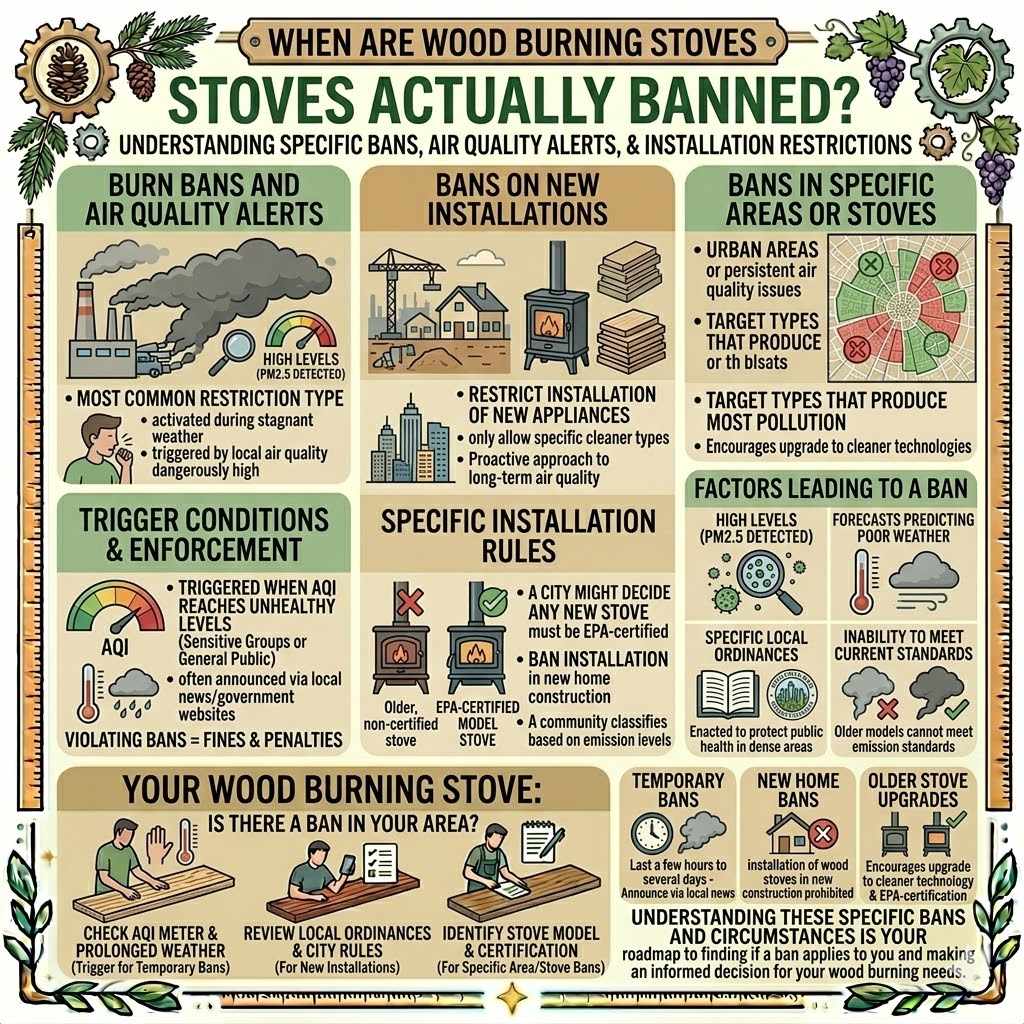
The most common type of restriction you’ll encounter is a temporary burn ban. These bans are put into effect by local air quality agencies when pollution levels become dangerously high. This often happens during periods of stagnant weather, when there’s no wind to disperse the smoke.
Wildfire smoke can also trigger these bans.
- Trigger Conditions: Burn bans are typically activated when air quality reaches unhealthy levels for sensitive groups or the general public. This is often based on the Air Quality Index (AQI). When the AQI exceeds certain thresholds, wood burning is prohibited.
- Duration of Bans: These bans can last for a few hours, a full day, or even several days, depending on how long the poor air quality persists. They are often announced through local news, radio, and government websites.
- Consequences of Violating Bans: Ignoring a burn ban can result in fines or other penalties. Local authorities enforce these rules to protect everyone from harmful air pollution.
Bans On New Installations
Some cities and regions have implemented rules that restrict the installation of new wood burning appliances, or only allow specific types. This is a more permanent measure aimed at reducing overall wood smoke emissions over time.
For example, a city might decide that any new wood stove installed must be an EPA-certified model, or it might ban the installation of wood stoves in new home construction altogether. This is a proactive approach to improving long-term air quality.
Bans In Specific Areas Or For Specific Stoves
In some highly populated urban areas or regions with persistent air quality issues, authorities might ban the use of older, less efficient wood stoves, or even all wood burning, within specific geographical zones. These bans are often targeted at the types of stoves that produce the most pollution.
A community might classify wood stoves based on their emission levels. Older stoves, those not certified by the EPA, are often the first to be targeted for restrictions or outright bans. This encourages homeowners to upgrade to cleaner technologies.
Here’s a quick look at what might lead to a ban:
- High levels of fine particulate matter (PM2.5) detected in the air.
- Forecasts predicting prolonged periods of poor air quality.
- Specific local ordinances enacted to protect public health in densely populated areas.
- Inability of older wood stove models to meet current emission standards.
Conclusion
Is There a Ban on Wood Burning Stoves? The answer is it depends on your location and local rules. While there’s no nationwide ban, many areas have restrictions like temporary burn bans or rules about using EPA-certified stoves.
Always check with your local authorities to know the exact regulations where you live.
Frequently Asked Questions
Question: Is it legal to use my wood burning stove today
Answer: It depends on where you live. Many areas have temporary “burn bans” on days with poor air quality. You need to check your local air quality agency’s website or announcements to see if a burn ban is in effect for your area today.
Question: Do I need a permit to install a wood burning stove
Answer: Often, yes. Many local building departments require permits for installing new wood stoves to ensure they meet safety and emission standards. Contact your local building department to find out.
Question: Can I
Answer: In many places, you can, but you will likely need to install an EPA-certified model. Some areas may have restrictions on new installations, so it’s best to check local regulations.
Question: Are fireplaces banned too
Answer: Fireplaces can also be subject to burn bans and some emission regulations, though rules often differ from wood stoves. Check your local air quality agency for specific fireplace rules.
Question: Where can I find the most up-to-date information on wood burning rules
Answer: The best place to get the most current and accurate information is your local city or county government website, or your local air quality management district.
Final Thoughts
The question Is There a Ban on Wood Burning Stoves? is answered by your local rules. Most places don’t have a complete ban but do have regulations.
These often include temporary burn bans and requirements for cleaner, EPA-certified stoves. Always confirm with your local government or air quality agency for precise details.