Is Valspar Ultra Good Paint? Honest Review for Trim, Doors & Cabinets
Yes, Valspar Ultra is a genuinely good paint for the price bracket it’s sold in, but it isn’t the top-tier product its name implies. It’s a 100% acrylic interior paint-and-primer with a mold- and mildew-resistant finish and a lifetime warranty, and it typically runs $29-$39 per gallon at Lowe’s. The real question for a woodworking or trim-painting project isn’t whether Valspar Ultra is “good” in the abstract – it’s whether it’s the right tier for what you’re painting, and whether you’re pairing it with the sheen and prep work that actually determine how trim paint holds up.
What Valspar Ultra Actually Is
Best Trim Brush To Pair With Any Paint Tier
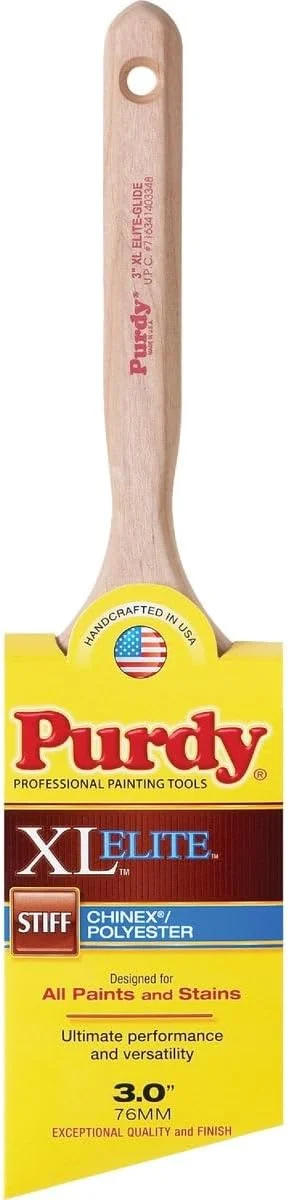 |
Purdy XL Elite Angular Trim Brush – $20.99 As this review covers, sheen and application matter as much as which paint tier you buy – a stiff angled brush like this is what actually lays Valspar Ultra down clean on trim, doors, and cabinet edges.
|
Valspar Ultra is Valspar’s mid-tier interior paint-and-primer line, sold exclusively at Lowe’s. It’s built as a 100% acrylic formula with primer built into the can, which is why Valspar markets it as a one-coat product on many surfaces. It carries a mold- and mildew-resistant finish and Valspar’s lifetime warranty, and it’s available across the full sheen range – flat, eggshell, satin, semi-gloss, and gloss.
Where it sits matters more than any single spec. Ultra is priced and positioned below Valspar’s own higher lines – Signature and Reserve – and well below premium national lines like Behr Marquee or Benjamin Moore Aura. Lowe’s own paint department has described Ultra as thinner and less durable than Valspar Signature, which uses higher volume solids and Valspar’s ScuffShield technology for extra scrub resistance. That doesn’t make Ultra a bad paint. It makes it a budget-to-mid paint, and it performs like one: solid coverage and durability for the price, without the extra film build and scrub resistance you’d get by stepping up a tier.
For woodworking-adjacent projects specifically – trim, doors, built-ins, shelving, cabinet frames – Ultra’s biggest practical advantage is that it’s a paint-and-primer in one, which saves a step on a same-color repaint. It’s not a substitute for a dedicated bonding or stain-blocking primer on bare wood, MDF edges, or knotty pine, all of which bleed tannins or absorb paint unevenly without one.
Applying It: Brush, Roller, or Sprayer
Valspar Ultra works with any application method, but the tool matters more on trim than on walls because trim is judged up close. A roller is fine for flat panel doors and large cabinet faces, but it can’t get a clean line on an angled edge or into a router profile. A sprayer gives the smoothest factory-like finish but requires masking off an entire room and isn’t practical for touch-ups. For most DIY trim work, a stiff angled sash brush is the best balance: it holds enough paint to avoid drag marks, cuts a straight line against the wall or glass, and lets you reload and keep working without setting up spray equipment. A worn or cheap brush is one of the most common reasons a decent mid-tier paint like Ultra ends up looking streaky.
Real Cost and Coverage
Valspar Ultra typically costs $29 to $39 per gallon depending on base and sheen, which puts it solidly in the mid-price bracket – more than a contractor-grade builder paint, less than Signature, Reserve, or a premium line from another brand. Valspar advertises one-coat hiding, and on a previously painted, similarly colored wall that claim usually holds up. On new drywall, bare wood, or a significant color change, though, plenty of real-world reviewers report needing a second coat to get even coverage – which is normal for a mid-tier paint and not unique to Valspar. Exterior coverage is generally rated around 350 to 400 square feet per gallon, in line with most mid-tier exterior paints.
If you’re budgeting a project, treat the one-coat claim as a best case rather than a guarantee, especially on trim and cabinets where you’re often painting over a different color or a glossy factory finish. Buying an extra quart for touch-ups costs a lot less than running short mid-project.
Sheen and Prep Matter More Than the Paint Tier
This is the part most paint comparisons skip, and it’s the part that actually determines whether your trim looks good in two years. For doors, trim, cabinets, and shutters, the sheen you pick does more for long-term durability than which price tier of paint you buy. Satin holds up to regular wiping and light scuffing while still hiding minor surface imperfections; semi-gloss is more scrub-resistant and shows off crisp lines on window and door casing, but it also telegraphs every flaw in the substrate underneath. A budget paint in semi-gloss over well-prepped wood will usually outperform a premium paint in flat sheen over unprepped, glossy trim.
Prep is the other half of that equation, and it matters more on trim than on walls because trim gets touched, bumped, and cleaned constantly. Before any paint goes on:
- Clean the surface with a degreaser or TSP substitute – trim near kitchens and entryways collects grease and handprints that block adhesion.
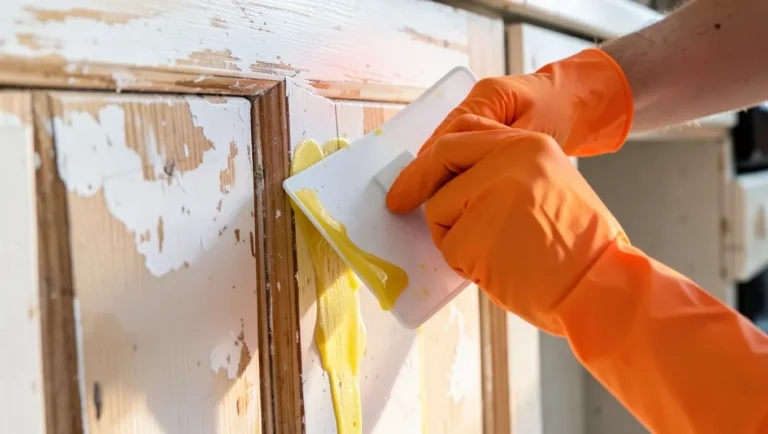
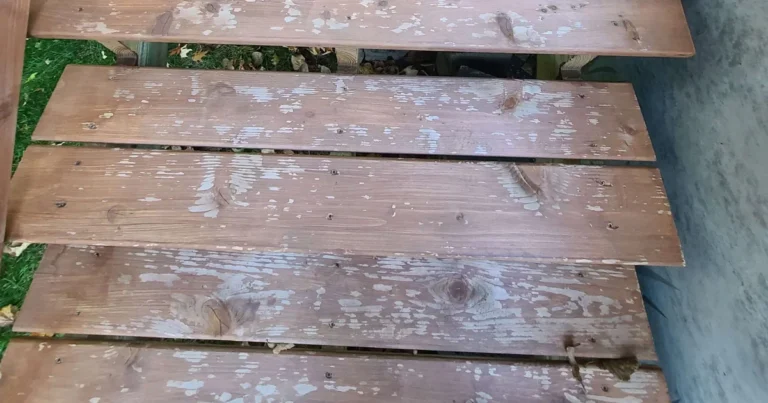
- Scuff-sand any existing glossy or semi-gloss finish so the new coat has something to grip. Skipping this is the single most common reason repainted trim peels or chips at the edges.
- Spot-prime bare wood, filled nail holes, and any stripped or sanded-through areas with a white wood primer. Valspar Ultra’s built-in primer is designed for painting over an existing similar-color coat, not for sealing raw wood or covering stains.
- Caulk gaps between trim and wall before painting, not after. Paint doesn’t hide a gap; it just outlines it.
Skip this prep and it won’t matter whether you used Valspar Ultra, Signature, or a premium national brand – the paint will fail at the same weak points. Do the prep and Ultra in the right sheen is genuinely durable enough for doors, trim, and cabinets in a normal household.
Valspar Ultra vs. Premium Lines
Compared with Behr Marquee or Benjamin Moore Aura, Valspar Ultra gives up some real ground: less film build, less scrub resistance over time, and a narrower color-matching guarantee window. What you get back is a meaningfully lower price per gallon and a paint that’s still 100% acrylic with a genuine mold/mildew-resistant finish and a lifetime warranty on the can. For a full room repaint or a high-traffic hallway where the paint will get scrubbed constantly for a decade, the premium lines earn their price. For trim, doors, and cabinets in a normal household – areas that get wiped down but aren’t taking daily abuse – Ultra in satin or semi-gloss, applied over properly prepped surfaces, closes most of that performance gap for a fraction of the cost.
Within Valspar’s own lineup, stepping up to Signature buys you higher volume solids and ScuffShield scrub resistance, which is worth it for kitchens, kids’ rooms, or anywhere getting scrubbed weekly. For a one-time trim or cabinet refresh, that upgrade is optional rather than necessary.
Common Mistakes When Painting Trim With Valspar Ultra
Most of the complaints you’ll find about Valspar Ultra – streaking, poor coverage, chipping at edges – trace back to a handful of avoidable mistakes rather than the paint itself:
- Painting over factory gloss without deglossing. Most pre-primed trim and stock cabinet doors have a slick factory sheen that paint won’t grip without sanding or a bonding primer first.
- Using a flat or eggshell sheen on trim. Those sheens show scuffs and are hard to wipe clean; they’re a walls-and-ceilings choice, not a trim choice.
- Skipping the second coat on a big color change. One-coat coverage claims assume a similar base color. Going from dark stain or a bold color to white trim almost always needs two coats.
- Using a cheap foam brush or worn roller. A stiff-bristle angled trim brush lays down a straighter line and holds enough paint to avoid the drag marks that make budget paint look worse than it is.

Frequently Asked Questions About Valspar Ultra Paint
Is Valspar Ultra a good quality paint?
Yes, for its price tier. It’s a genuine 100% acrylic paint-and-primer with mold/mildew resistance and a lifetime warranty, and it performs well on trim, doors, and cabinets when applied over properly prepped surfaces in the right sheen. It isn’t as durable or high-build as Valspar Signature or premium national brands, but it isn’t meant to compete at that level.
Is Valspar Ultra better than Valspar Signature?
No – Signature is the step up. It uses higher volume solids and Valspar’s ScuffShield technology for better scrub resistance, which is worth paying for in high-traffic areas. Ultra is the better choice when you want solid performance on trim or cabinets at a lower price and don’t need daily-scrub-level durability.
What sheen of Valspar Ultra should I use on trim?
Satin or semi-gloss. Both wipe clean and hold up to regular handling far better than flat or eggshell, which are better suited to walls and ceilings. Semi-gloss gives the crispest look on door and window casing but shows surface flaws more, so it rewards good prep work.
Does Valspar Ultra really only need one coat?
Often, but not always. One-coat coverage is realistic when you’re painting over a similar color with good surface prep. Bare wood, stark color changes, or unprimed patches usually need a second coat regardless of which paint brand you use.
Conclusion
Valspar Ultra earns its reputation as a solid mid-tier paint – not a premium one, and not a bargain-bin one either. For trim, doors, and cabinets, the paint tier matters less than most buying guides suggest. Picking satin or semi-gloss and actually doing the deglossing, cleaning, and priming that trim needs will do more for how your project looks in two years than upgrading to a pricier can. Use Ultra where it fits, step up to Signature or a premium line where you genuinely need extra scrub resistance, and put the time you save into prep instead.
Sponsored / affiliate links. As an Amazon Associate I earn from qualifying purchases. I may earn additional commission from eligible campaigns.