Laminate Flooring Prices A Clear Look
Figuring out the cost of new floors can seem tricky. When you look up Laminate Flooring Prices: Complete Cost Comparison, you might see lots of numbers and options. It’s easy to get confused.
This guide makes it simple. We’ll walk through everything step-by-step so you know exactly what to expect without any guesswork. Get ready to understand your flooring budget easily.
Understanding Laminate Flooring Prices
When people search for Laminate Flooring Prices: Complete Cost Comparison, they are usually trying to get a clear picture of the total expense. Laminate flooring is popular because it can mimic the look of real wood, tile, or stone at a lower cost. However, the final price isn’t just about the planks themselves.
Many factors contribute to the overall budget, from the quality of the material to how it’s installed. This section breaks down the main components that influence the final bill.
Cost of Laminate Flooring Materials
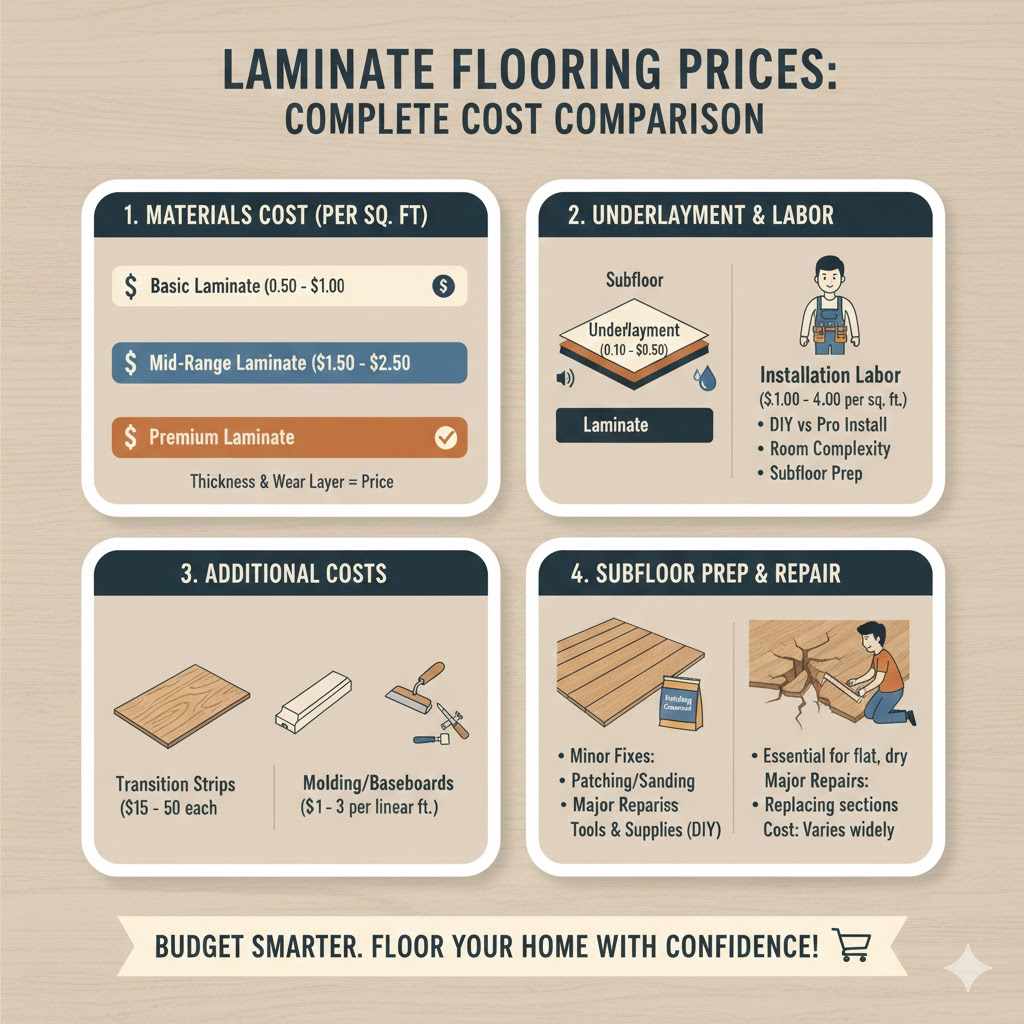
The price of laminate flooring itself varies widely. This is often the biggest part of the expense. You’ll find options that are quite cheap, and others that are more expensive.
The quality, thickness, and wear layer of the laminate are key drivers of price. Thicker planks often feel more solid and durable, but cost more. The wear layer is a protective coating that resists scratches and fading.
A higher wear rating means better protection, but also a higher price tag. For example, a thin, basic laminate might cost as little as $0.50 per square foot. High-quality, water-resistant laminate with a good wear layer could go up to $3.00 or more per square foot.
Basic Laminate Flooring
This is the most budget-friendly option. It typically has a thinner core and a less durable wear layer. It’s suitable for low-traffic areas where durability is not a major concern.
These planks are often easier to scratch or dent. They might not offer the best sound insulation either. For a new homeowner on a tight budget, this can be a starter choice.
Mid-Range Laminate Flooring
This level offers a good balance of cost and quality. The planks are usually thicker, and the wear layer is more robust, providing better resistance to everyday wear and tear. It’s a popular choice for living rooms, hallways, and bedrooms.
Many mid-range options also offer better water resistance than basic types. They provide a good aesthetic appeal for the price.
Premium Laminate Flooring
This is the top-tier laminate. It often features enhanced water resistance, making it suitable for kitchens and bathrooms. The planks are typically very thick and designed to mimic natural materials with high detail and texture.
Premium laminate also offers superior scratch resistance and sound dampening qualities. This option is ideal for busy households or those who want the closest look and feel to real wood.
Underlayment Costs
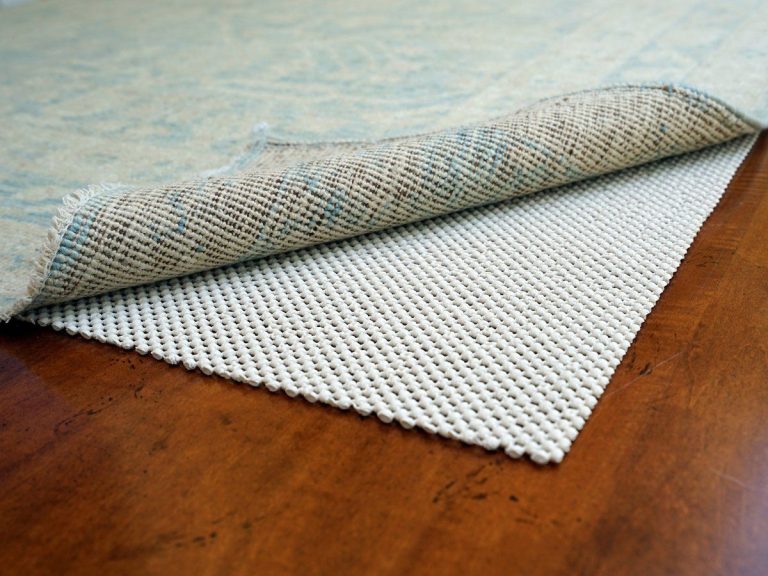
Underlayment is a layer placed between the subfloor and the laminate flooring. It’s important for several reasons. It helps to absorb sound, making your floors quieter.
It also provides cushioning, making the floor more comfortable to walk on. Furthermore, underlayment can help level out minor imperfections in the subfloor. It also acts as a moisture barrier.
The cost of underlayment can range from $0.10 to $0.50 per square foot, depending on the type and features. Foam underlayment is common and affordable. Rubber or cork underlayment offers better sound insulation and comfort but at a higher price.
Installation Method and Labor Costs
How the laminate flooring is installed greatly impacts the total price. Laminate is typically a floating floor, meaning it’s not nailed or glued down. It clicks together.
This makes it a popular DIY option, which saves on labor costs. However, if you hire professionals, labor can add a significant amount to the total bill. Installation costs can range from $1 to $4 per square foot, depending on your location and the installer’s rates.
Factors like the complexity of the room, the need for subfloor preparation, and the removal of old flooring will also affect labor costs.
Subfloor Preparation and Repair
Before installing laminate, your subfloor must be clean, dry, and level. If your subfloor has significant damage, cracks, or unevenness, it will need repair. This can involve patching, sanding, or even replacing parts of the subfloor.
These repairs add to the overall cost. The cost of subfloor preparation can vary widely, from a few hundred dollars for minor fixes to thousands for major renovations. A professional installer will assess the subfloor and provide an estimate for any necessary work.
Failing to prepare the subfloor can lead to problems with the new flooring down the line.
Additional Materials and Accessories
Beyond the planks and underlayment, several other items are needed. These include transition strips, which are used where different flooring types meet or at doorways. They can cost $15 to $50 each.
Baseboards or quarter-round molding might also be needed to cover the gap between the laminate and the walls, costing $1 to $3 per linear foot. If you’re installing in a bathroom or kitchen, a moisture barrier might be essential, adding to the cost. Tools for cutting and fitting also factor in if you’re doing it yourself.
Comparing Laminate Flooring Prices: The Total Investment
To truly understand Laminate Flooring Prices: Complete Cost Comparison, you need to look at the entire picture. It’s not just about the price per square foot of the planks. The total cost includes materials, underlayment, installation labor, and any necessary preparation or extra accessories.
Breaking down these components helps you create a realistic budget and avoid unexpected expenses. This section provides a clearer view of how these different elements combine to form the final price you’ll pay for your new floors.
Sample Cost Breakdown
Let’s look at an example for a 150-square-foot room, like a bedroom. This helps to see how the numbers add up.
| Item | Estimated Cost Per Square Foot | Total Cost (150 sq ft) |
|---|---|---|
| Mid-Range Laminate Flooring | $1.50 – $2.50 | $225 – $375 |
| Underlayment (Foam) | $0.20 – $0.40 | $30 – $60 |
| Professional Installation | $2.00 – $3.50 | $300 – $525 |
| Transition Strips (2) | N/A | $30 – $100 |
| Baseboard/Quarter-Round (approx. 50 linear feet) | $1.00 – $3.00 per linear foot | $50 – $150 |
| Estimated Total Cost | $635 – $1,210 |
This table shows a common scenario. As you can see, the installation labor is a significant portion of the cost. Doing it yourself would remove that $300-$525 expense.
The type of laminate chosen also plays a big role. A cheaper laminate might bring the total down, while a premium option would push it higher. Always get detailed quotes that include all these potential charges.
DIY vs. Professional Installation
Deciding whether to install laminate flooring yourself or hire a professional is a major cost consideration. For many DIYers, laminate is a good starting point because it’s designed for easy installation. Most laminate planks feature a click-lock system, where planks snap together.
Tools needed are often basic: a tape measure, utility knife, and a tapping block. However, doing it yourself requires time, patience, and the willingness to learn. Mistakes can happen, leading to costly fixes.
Professional installation costs more upfront but ensures the job is done correctly and efficiently.
DIY Installation
If you choose to install it yourself, you’ll save money on labor. You’ll need to purchase or rent any specialized tools. The main costs are the materials themselves and perhaps a few extra items like a new saw blade.
Time is also a factor; a typical room might take a weekend or longer. It requires careful measuring, cutting, and fitting to ensure a seamless finish. If you’re comfortable with basic home improvement tasks, DIY can be very rewarding and cost-effective.
Professional Installation
Hiring a professional means you pay for their expertise and speed. Installers are skilled in handling different types of subfloors and tricky room layouts. They can also identify and fix potential issues you might miss.
The cost for professional installation varies by region and the complexity of the job. It’s wise to get multiple quotes from reputable installers. Most professionals offer a warranty on their work, giving you peace of mind.
Factors Affecting Labor Costs
Several things influence how much an installer charges. The size of the room is a primary factor; larger rooms take more time. The shape of the room matters too.
Rooms with many corners, angles, or built-in features (like closets or bay windows) require more intricate work. If the old flooring needs to be removed, that’s an extra charge. Similarly, if the subfloor needs significant repairs or preparation (like leveling or adding a moisture barrier), the labor costs will increase.
The accessibility of the room also plays a part; if the installer has to carry materials up multiple flights of stairs, that can increase the price.
Water Resistance and Its Price Impact
Laminate flooring is not inherently waterproof. However, manufacturers now offer water-resistant and even waterproof options. These are ideal for areas prone to moisture, such as kitchens, bathrooms, and basements.
Water-resistant laminate has a special core and a sealed surface that prevents water from seeping in. Waterproof laminate offers even higher protection. These advanced features come at a higher price.
Expect to pay anywhere from $0.50 to $2.00 more per square foot for water-resistant or waterproof laminate compared to standard options. This extra cost is often worth it for the peace of mind in high-moisture environments.
Hidden Costs and How to Avoid Them
When budgeting for Laminate Flooring Prices: Complete Cost Comparison, it’s crucial to be aware of potential hidden costs. These are expenses that might not be immediately obvious when you’re looking at the price of the planks. Being prepared for these can help you stay within your budget and avoid surprises.
This section highlights common hidden costs and provides tips on how to identify and manage them effectively.
Subfloor Issues
As mentioned, subfloor preparation is key. However, the extent of subfloor issues might not be visible until the old flooring is removed. If your subfloor is severely damaged, uneven, or has moisture problems, the repair costs can escalate quickly.
For instance, if you discover rot in a wooden subfloor, it needs to be replaced. This can be a significant unexpected expense. Always factor in a contingency fund for potential subfloor problems.
A good installer will inspect the subfloor thoroughly before starting work and give you an estimate for any necessary repairs.
Disposal of Old Flooring
When you get new flooring, you need to get rid of the old. This often involves a disposal fee. If you’re removing carpet, tile, or old laminate, the waste needs to be properly disposed of.
Many professional installers include this service in their quote, but it’s important to confirm. If you’re doing it yourself, you’ll need to arrange for waste removal, which could involve renting a dumpster or paying a disposal fee at a local landfill. Check local regulations for proper disposal methods.
Tools and Equipment
If you plan to install the flooring yourself, you’ll need tools. While some are common household items, others might be specific to flooring installation. This can include a flooring cutter, a tapping block, a pull bar, and potentially a miter saw for precise cuts.
Purchasing these tools can add to your DIY costs. Renting tools is another option, which can be more cost-effective for a single project. Factor in the cost of any necessary tools or equipment rentals when calculating your DIY budget.
Unexpected Material Needs
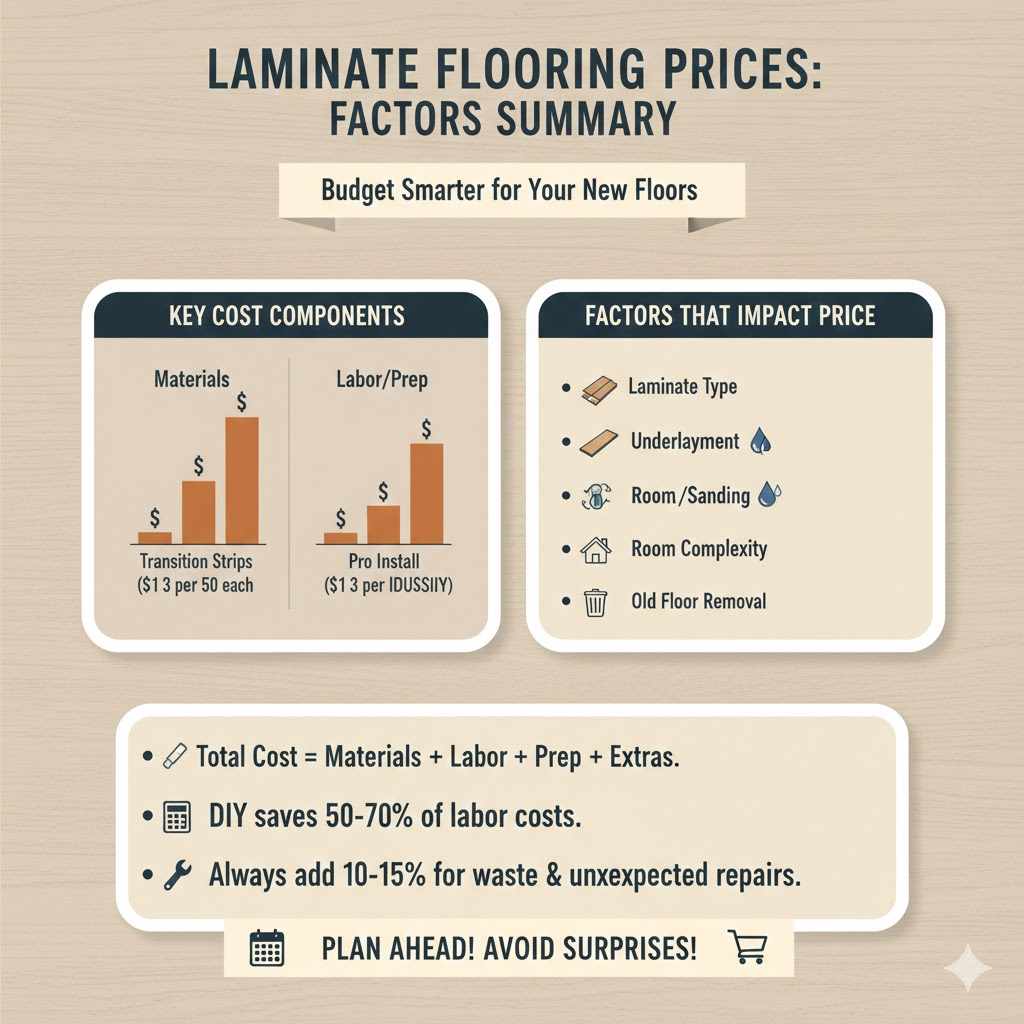
Sometimes, during installation, you might find you need more transition pieces, molding, or even extra planks than you initially estimated. This can happen if cuts are complex, or if a few planks get damaged during installation. It’s always a good idea to buy a little extra flooring material, typically 10-15% more than your room’s square footage, to account for waste and future repairs.
However, even with this buffer, unforeseen needs can arise. Having a small fund set aside for these unexpected material requirements is wise.
Professional Assessments and Consultations
While not always a direct cost, sometimes getting a professional opinion can save you money in the long run. If you’re unsure about the condition of your subfloor or the best type of laminate for your needs, a consultation with a flooring expert can be beneficial. Some companies offer free in-home consultations.
Others might charge a small fee for a detailed assessment. This fee can be well worth it if it helps you avoid costly mistakes or choose a flooring solution that lasts longer.
Laminate Flooring Prices Factors Summary
To get a good handle on Laminate Flooring Prices: Complete Cost Comparison, you need to consider all the moving parts. The core cost of the laminate planks themselves is just one piece of the puzzle. You also have to think about underlayment, which provides comfort and sound dampening.
Then there’s the big question of installation: DIY saves money but takes time, while professional installation costs more but offers expertise and speed. Don’t forget potential subfloor issues, disposal of old flooring, and the need for extra materials or tools. By understanding each of these elements, you can create a much more accurate and stress-free budget for your new floors.
Frequently Asked Questions
Question: What is the average cost for laminate flooring per square foot?
Answer: The average cost for laminate flooring materials alone can range from $0.50 to $3.00 per square foot, depending on quality and features. Installation costs are typically an additional $1 to $4 per square foot.
Question: Is laminate flooring a good choice for bathrooms?
Answer: While standard laminate is not ideal for bathrooms due to moisture, water-resistant or waterproof laminate options are now available and are a good choice for these areas, offering durability and a wood-like appearance.
Question: How much extra laminate flooring should I buy?
Answer: It’s recommended to buy an additional 10-15% more laminate flooring than your room’s square footage to account for cuts, waste, and potential future repairs or replacements.
Question: Can I install laminate flooring over existing tile?
Answer: In most cases, yes, laminate can be installed over existing tile as long as the tile is level, securely adhered, and free of significant damage. A smooth surface is crucial.
Question: What is the difference between water-resistant and waterproof laminate?
Answer: Water-resistant laminate can handle spills for a limited time before moisture penetrates, while waterproof laminate is designed to prevent water from damaging the core and subfloor, making it more suitable for very wet environments.
Final Thoughts
Understanding Laminate Flooring Prices: Complete Cost Comparison involves looking beyond just the plank price. Consider materials, underlayment, installation, and potential extras. By budgeting for all these elements, you can confidently choose laminate flooring that fits your needs and your wallet, ensuring a beautiful and lasting result for your home.