Is Spray Paint Waterproof or Just Water-Resistant?
Spray paint is water-resistant, not waterproof — most spray paints (acrylic or enamel) repel light moisture once fully cured, but they are not designed to be submerged or hold up under constant water exposure. The difference matters because “dry to the touch” and “actually water-resistant” happen at very different times after you spray. Below, we break down cure times, which paints hold up best outdoors, and how to add real waterproofing with a sealer topcoat.
Quick Answer
Spray paint is water-resistant, not waterproof. It’s dry to the touch in 30-60 minutes, but according to Rust-Oleum’s own technical data sheets, most coatings need 48-72 hours before they can handle water exposure and up to 7 days to reach full cure/hardness. For anything left outdoors or exposed to standing water, add a dedicated clear sealer or waterproofing topcoat rather than relying on the spray paint alone.
What Is Spray Paint Made Of?
Most spray paints are acrylic-based, though enamel and oil-based formulas are also common. Whether a can is water-resistant depends on its resin type and whether emulsifiers were added — always check the label before assuming a can can handle moisture.
Acrylic Formula Spray Paint
Acrylic spray paint is made of an acrylic resin dissolved in a solvent. As the solvent evaporates, the resin forms a coating on the surface that resists water once it has fully dried.
Enamel Spray Paint
Enamel spray paint is oil-based, thinned with a solvent like mineral spirits or turpentine. It’s also water-resistant, but it isn’t rated for surfaces that stay submerged for long periods.
Not every can on the shelf is water-resistant — always check the label or run a small test before committing a piece to an outdoor or wet-use project.
Understanding Water Resistance Of Spray Paint
Spray paints, particularly acrylic-based ones, resist water but aren’t fully waterproof. How much resistance you get depends on the emulsifiers used and whether the formula is oil- or water-based — check the label before exposing a painted surface to water.
Spray Paint Vs Water
Cured spray paint forms a protective coating that beads water on the surface. But prolonged exposure — standing water, submersion, or repeated soaking — can still let moisture seep through over time.
Spray Paint Vs Other Water-Resistant Paints
Compared to traditional latex paint, spray paint holds up better against moisture and won’t peel as quickly. Oil-based paints offer similar or better water resistance but require solvents for cleanup and application in a ventilated space. For dedicated waterproofing — boats, pool surrounds, anything that sits in water — a specialized hydrophobic coating like Rust-Oleum NeverWet outperforms any standard spray paint.
How Long Does Spray Paint Really Take To Become Water-Resistant?
This is the gap most guides skip. According to Rust-Oleum’s published technical data sheets for its consumer spray lines, standard enamel sprays are tack-free in 2-4 hours and can be handled in 5-9 hours — but that’s not the same as water-resistant. Most coatings need 48 to 72 hours before they can safely handle water contact, and up to 7 days to reach peak hardness and full cure. Rust-Oleum specifically recommends letting its NeverWet topcoat cure a full 12 hours before any water exposure for maximum benefit.
In practice: don’t judge water-resistance by touch-dry time. If a project is going outside or near moisture, give it the full 2-3 days minimum, and a week if you want maximum durability, before it ever meets water.
“Many coatings need 48 to 72 hours to handle water and 7 days to reach peak hardness.”
— Rust-Oleum Technical Data Sheets (rustoleum.com)
Factors Affecting Water Resistance
Spray paints are water-resistant because most are acrylic-based, but they aren’t fully waterproof without a coating or sealant. Check the label to confirm whether a can is oil- or water-based before deciding how much protection it offers.
Type Of Spray Paint
Acrylic-based spray paints resist water well. Oil-based spray paints can deteriorate faster with repeated water exposure, leading to chipping and peeling.
Quality Of Spray Paint
Higher-quality spray paint generally holds up better to water because it contains more resin, pigment, and binder. Cheaper formulas tend to break down faster outdoors.
Application Of Spray Paint
Thin, even coats with full cure time between them matter more than the paint itself. Poor application leads to weak adhesion, which is the most common reason a “water-resistant” paint job fails early. A clear topcoat applied after the paint fully cures adds another real layer of protection.
Is Spray Paint Waterproof After It Dries?
Not fully — “dries” and “waterproof” aren’t the same milestone. Once cured, spray paint resists water well, but only specially formulated waterproof spray paints or added sealants are rated to handle constant or submerged water exposure.
Circumstances For Non-Waterproofing
| Circumstance | Effect on Water Resistance |
| High humidity during application | Paint may not cure properly, weakening its water resistance |
| Direct water exposure before full cure | Can permanently compromise the coating’s ability to repel water |
| Poor surface preparation | Weak adhesion lets water get underneath the paint film |
| Number of coats | Multiple thin coats improve durability and water resistance over a single heavy coat |
Surface prep, coat count, humidity, and cure time before water exposure all determine how “waterproof” a dried spray paint job actually behaves in practice.
Tips For Keeping Spray Paint Water Resistant
Proper Application Techniques
Shake the can well, work in a ventilated area away from humidity, and apply thin, multiple coats from 6-8 inches away. Thin layers cure faster and bond better than one heavy coat.
Using Protective Coatings
A clear enamel, polyurethane, or dedicated waterproofing topcoat adds a real second barrier against moisture — but only once the base coat is fully cured (see the cure-time section above), not just dry to the touch. For furniture and outdoor wood specifically, see our guide on how to seal painted wood for outdoor use.
Avoiding Water Exposure
For anything that sits outdoors constantly — furniture, boats, planters — a waterproof cover or indoor storage when not in use will extend the life of the paint job far more than the paint alone.
Best Products For Waterproofing A Spray-Painted Surface
If your project needs to survive real water exposure — not just an occasional splash — pair your spray paint with a dedicated topcoat or repelling treatment rather than relying on the paint alone.
Recommended Waterproofing Products
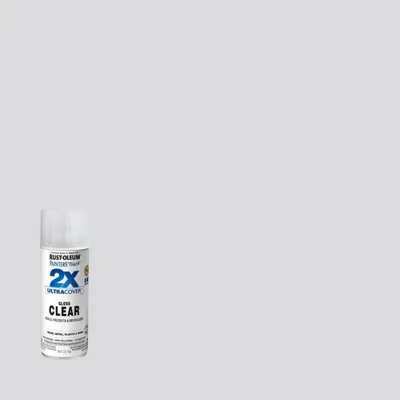
Rust-Oleum Painter’s Touch 2X Clear Gloss (12 oz.)
A clear protective topcoat you spray directly over cured paint — Home Depot lists it at $6.48/can, and it’s rated for wood, metal, and plastic.
Check Price at Home Depot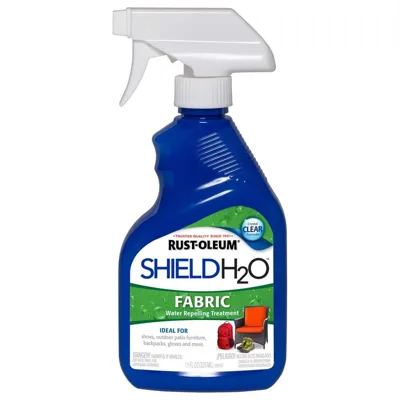
Rust-Oleum NeverWet Outdoor Fabric/Surface Spray (11 oz.) – ~$24.48 at Home Depot – a dedicated hydrophobic repelling treatment for surfaces that need to stay dry through real weather, not just resist the occasional splash.
Frequently Asked Questions Of Is Spray Paint Water Resistant
Is Spray Paint Resistant To Water?
Yes — most spray paint is acrylic-based and resists water once fully cured. If you need full waterproofing, check the label to confirm whether it’s oil- or water-based, and consider adding a sealer topcoat.
Will Spray Paint Come Off With Water?
Once cured, no — plain water won’t strip properly cured spray paint. Removal typically requires paint stripper or solvent for oil-based formulas, or scrubbing with soap and water for water-based ones.
How Long Until Spray Paint Can Get Wet?
Wait at least 24 hours before light exposure, but for real durability against standing water or rain, Rust-Oleum’s own technical sheets recommend 48-72 hours before contact and up to 7 days for full cure.
Is Spray Paint Waterproof After It Dries?
Not fully. It’s water-resistant once cured, but true waterproofing requires a dedicated waterproof spray paint or an added protective topcoat.
What’s The Difference Between Dry Time And Cure Time?
Dry time (30 minutes to a few hours) just means the surface is safe to touch. Cure time — 48 hours to a full week depending on the product — is when the coating reaches its actual water-resistant strength. Judge water-readiness by cure time, not dry time.
Conclusion
Spray paint is water-resistant, not waterproof — and the gap between “dry” and “actually cured” is bigger than most labels make clear. Give a fresh coat 48-72 hours minimum before any water exposure, longer for anything staying outdoors, and add a clear sealer topcoat if the project needs to handle real weather. For fully submerged or high-moisture surfaces, skip standard spray paint and use a dedicated waterproof coating instead.
Sponsored / affiliate links. As an Amazon Associate I earn from qualifying purchases. I may earn additional commission from eligible campaigns.