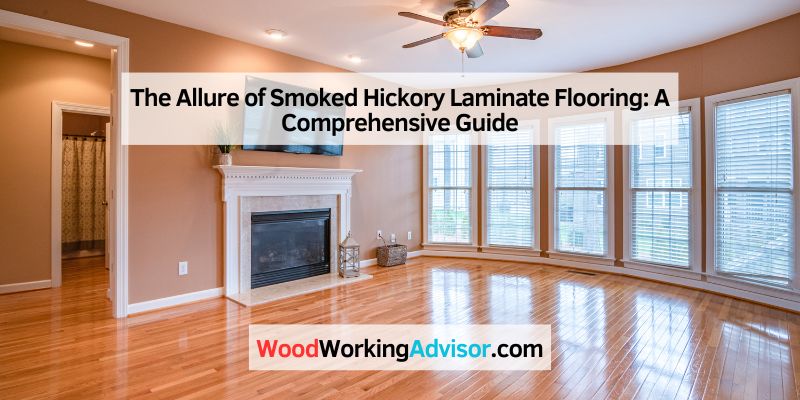
The Allure of Smoked Hickory Laminate Flooring: A Comprehensive Guide
Imagine walking into a room with floors that look like they’ve been kissed by smoke, exuding a rich, warm vibe. That’s smoked hickory laminate flooring for you. It’s a type of laminate designed to mimic the natural beauty of hickory wood, but with a twist—the “smoked” effect. This isn’t real smoked wood, mind you. Instead, manufacturers use advanced printing techniques to create a deep, smoky finish that highlights hickory’s bold grain patterns. The result? A floor that feels rustic yet sophisticated.
Laminate flooring, in general, is made of layers. The top layer is a clear, protective wear layer that guards against scratches and stains. Below that is a high-resolution image of wood—in this case, smoked hickory. The core is usually a high-density fiberboard (HDF) for stability, and a backing layer keeps it balanced. What I love about smoked hickory laminate is how it captures the essence of real hickory, which is known for its hardness and dramatic color variations, without the hefty price tag. It’s like getting the best of both worlds—authentic style and modern practicality.
Why Choose Smoked Hickory Laminate Over Other Flooring?
I remember helping a friend choose flooring for her new home. She was torn between hardwood, vinyl, and laminate. When I showed her smoked hickory laminate, her eyes lit up. Why did she pick it? Let me break it down for you.
First, it’s affordable. Real hickory hardwood can cost $4 to $8 per square foot, not including installation. Smoked hickory laminate? You’re looking at $1 to $3 per square foot, sometimes less during sales. That’s a huge saving, especially for large spaces.
Second, it’s durable. Hickory is one of the hardest woods, scoring 1820 on the Janka hardness scale. While laminate isn’t as tough, its wear layer makes it resistant to scratches, dents, and spills. I’ve seen it hold up beautifully in homes with kids and pets.
Third, it’s low-maintenance. Unlike hardwood, which needs refinishing every few years, laminate just needs a sweep and a damp mop. No waxing, no polishing. My friend’s dog once spilled water on her laminate floor, and a quick wipe was all it took to keep it pristine.
Finally, the aesthetic is unbeatable. The smoky tones range from creamy beige to deep brown, with knots and grains that add character. It’s versatile enough for a rustic cabin or a modern loft. Compared to vinyl, laminate feels more solid underfoot, and unlike tile, it’s warmer and cozier.
Here’s a quick comparison to help you decide:
| Flooring Type | Cost per Sq. Ft. | Durability | Maintenance | Aesthetic Appeal |
|---|---|---|---|---|
| Smoked Hickory Laminate | $1–$3 | High | Low | Rustic, versatile |
| Hickory Hardwood | $4–$8 | Very High | High | Authentic, premium |
| Luxury Vinyl Plank | $2–$5 | High | Low | Modern, varied |
| Ceramic Tile | $3–$10 | Very High | Medium | Cool, patterned |
The Aesthetic Appeal of Smoked Hickory Laminate
Let’s talk about the look because, honestly, that’s what draws most people in. When I first saw smoked hickory laminate in a showroom, I was hooked. The planks had this deep, smoky hue that seemed to shift under different lighting. Some boards were light and creamy, others dark and moody, with knots and swirls that told a story.
Hickory’s natural grain is bold, with wavy patterns and occasional mineral streaks. The smoking effect enhances this, giving it a weathered, almost vintage feel. It’s like the floor has lived a life before it reached your home. I’ve seen it paired with white walls for a farmhouse vibe, or with sleek gray furniture for a modern twist. It’s incredibly versatile.
What’s cool is the variety of plank sizes. Wide planks, around 7 to 9 inches, make rooms feel spacious and luxurious. Narrower planks, about 5 inches, suit traditional homes. Some brands even offer mixed-width planks for a custom, rustic look. Textures matter too. Many smoked hickory laminates have embossed surfaces that mimic real wood’s grain, so it feels authentic under your feet.
Pro tip: Lighting affects the floor’s appearance. In rooms with lots of natural light, the lighter tones pop. In cozy, dimly lit spaces, the darker hues create a warm ambiance. I always suggest getting samples and testing them in your space before committing.
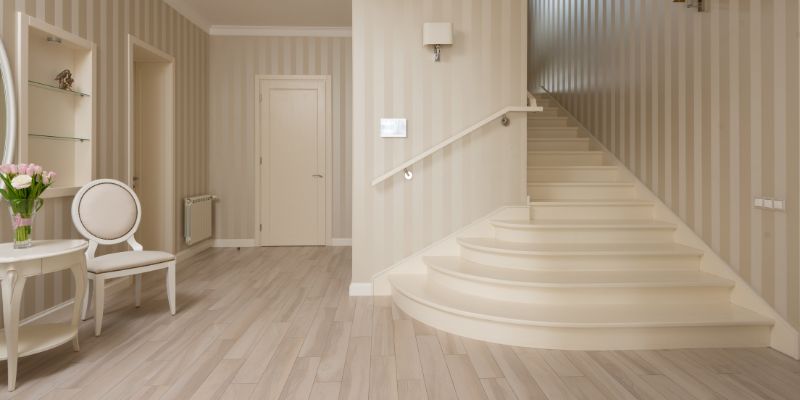
Durability and Practicality for Everyday Life
I’m a practical person, so durability is a big deal for me. Smoked hickory laminate doesn’t disappoint. The wear layer, often 8 to 12 mil thick, is like a shield. It protects against scratches from pet claws, scuffs from shoes, and even the occasional dropped pan. My cousin installed it in her kitchen, and after two years of heavy use, it still looks brand new.
Laminate is also water-resistant, especially newer models with features like SpillShield technology. While it’s not waterproof like some vinyl planks, it can handle spills if you clean them quickly. I always tell people to wipe up water within a few minutes to avoid seepage into the seams.
It’s great for high-traffic areas like living rooms, hallways, or even home offices. I’ve seen it in commercial spaces too, like small boutiques, where it withstands constant foot traffic. The HDF core gives it stability, so it doesn’t warp easily, even in homes with fluctuating humidity. Just make sure to acclimate the planks for a few days before installation to prevent issues.
One thing to note: laminate can’t be refinished like hardwood. If it gets heavily damaged, you’ll need to replace the affected planks. But with proper care, it can last 15 to 25 years, which is impressive for the price.
Installation Made Simple
Installing smoked hickory laminate is a breeze, especially if you love DIY projects like I do. Most laminates use a click-lock system, where planks snap together without glue or nails. I helped my brother install it in his den, and we finished 200 square feet in a weekend.
Here’s how it goes: First, you prep the subfloor. It needs to be clean, level, and dry. If it’s concrete, check for moisture and use a vapor barrier. If it’s wood, ensure there are no creaks or bumps. Next, lay down an underlayment for cushioning and soundproofing. Some laminates come with attached padding, which saves time.
Then, you start laying the planks, staggering the seams for a natural look. A tapping block and mallet help lock them tightly. You’ll need a saw for cutting planks to fit around corners or doorways. I used a jigsaw, but a miter saw works too. The trickiest part is the last row, where you might need to rip planks lengthwise. Take your time, and it’ll look seamless.
If DIY isn’t your thing, professional installation costs about $2 to $4 per square foot. It’s worth it for large or complex spaces. Either way, the process is faster than hardwood, which often requires sanding and finishing.
Maintenance and Care Tips
Keeping smoked hickory laminate looking gorgeous is so easy, it almost feels like cheating. I’ve had friends ask me how I keep my floors so shiny, and I tell them it’s all about simple habits.
Sweep or vacuum daily to remove dust and grit, which can scratch the surface. Use a vacuum without a beater bar to avoid dents. For deeper cleaning, damp-mop once a week with a microfiber mop and a laminate-safe cleaner. I mix a cup of white vinegar with a gallon of warm water—it’s cheap and effective. Just make sure the mop is barely damp, not soaking wet, to prevent water damage.
Spills? Wipe them up immediately. For stubborn stains, like wine or marker, a dab of rubbing alcohol on a cloth works wonders. Avoid harsh cleaners like bleach or ammonia, which can dull the finish. I also use felt pads under furniture legs to prevent scratches and place mats at entryways to trap dirt.
One thing I learned the hard way: don’t use steam mops. The heat and moisture can warp the planks. Stick to gentle methods, and your floor will stay stunning for years.
Environmental and Budget Considerations
As someone who cares about the planet, I appreciate that laminate flooring can be eco-friendly. Many brands use recycled materials in the HDF core, and some are certified by groups like the Forest Stewardship Council (FSC). Smoked hickory laminate doesn’t require cutting down rare trees, unlike exotic hardwoods, so it’s a sustainable choice.
Budget-wise, it’s a winner. The low upfront cost makes it accessible for young families, first-time homeowners, or anyone watching their wallet. Plus, its durability means you won’t need to replace it anytime soon, saving money in the long run. I always check for sales at big retailers like Home Depot or online at places like Factory Flooring Liquidators, where you can snag deals.
Installation costs are reasonable too, whether you DIY or hire a pro. And since maintenance is minimal, you won’t spend much on cleaning products or repairs. It’s a flooring option that respects both your bank account and the environment.
Design Ideas to Elevate Your Space
I get so excited talking about design because smoked hickory laminate is a chameleon—it fits almost any style. Here are some ideas I’ve seen or tried that might inspire you:
- Farmhouse Charm: Pair it with white shiplap walls, a jute rug, and vintage furniture. The smoky tones add warmth without overwhelming the space.
- Modern Minimalism: Combine it with sleek gray sofas, glass coffee tables, and bold abstract art. The floor’s texture keeps things from feeling too sterile.
- Rustic Retreat: Use it in a cabin or lake house with exposed beams, leather armchairs, and plaid throws. It feels like it was made for cozy nights by the fire.
- Eclectic Vibes: Mix it with colorful rugs, mid-century chairs, and quirky decor. The floor’s neutral tones ground the space while letting your personality shine.
I recently visited a friend’s home where she used smoked hickory laminate in her open-plan kitchen and living area. She added a large area rug under the dining table to define the space, and the contrast was stunning. Lighting matters too—pendant lights or chandeliers can highlight the floor’s grain, making it a focal point.
Potential Drawbacks and How to Address Them
No flooring is perfect, and I’d be remiss if I didn’t mention a few drawbacks. Smoked hickory laminate’s bold grain might feel too busy for some. If you prefer a uniform look, consider oak or maple laminate instead. Samples are your best friend here—test them in your space to be sure.
It’s also not waterproof, so it’s not ideal for bathrooms or laundry rooms. For those areas, I’d go with luxury vinyl plank. If you install it in a kitchen, use rugs near the sink to catch spills.
Noise can be an issue on upper floors since laminate is hard. An underlayment with soundproofing helps, as does adding rugs. Lastly, while it’s durable, deep scratches or chips might require plank replacement. Keep extra planks from your installation for quick fixes.
Where to Buy and What to Look For
Shopping for smoked hickory laminate is fun, but it can feel overwhelming with so many options. I’ve browsed countless stores and websites, so here’s my advice. Big-box stores like Home Depot and Lowe’s carry popular brands like Pergo and Mannington. Online retailers like NiceFloors.com or Factory Flooring Liquidators often have closeout deals.
Look for a wear layer of at least 8 mil for residential use, or 12 mil for commercial spaces. Check for water-resistant features if you’re installing in a spill-prone area. Embossed textures add realism, so run your hand over samples to feel the grain. Warranty matters too—aim for at least 15 years.
I always order samples first. Most retailers offer them for free or a small fee. Lay them out in your room to see how they look under your lighting. And don’t forget to read reviews—real customer feedback can reveal how the floor holds up over time.
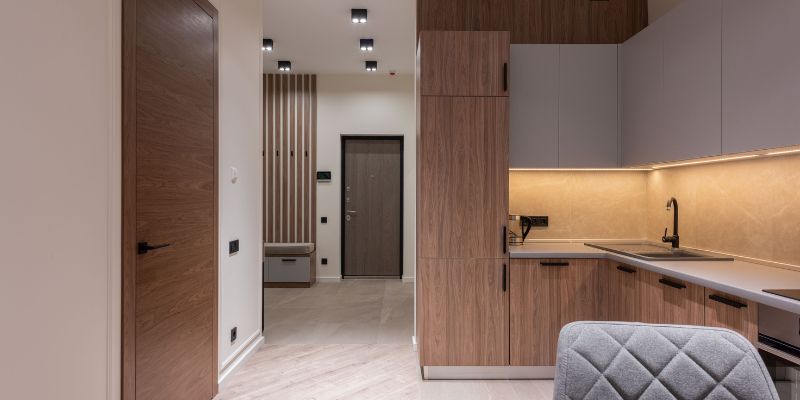
Conclusion
As I wrap up this guide, I can’t help but feel a little nostalgic thinking about all the homes I’ve seen transformed by smoked hickory laminate flooring. It’s more than just a floor—it’s a canvas that brings warmth, character, and practicality to your space. From its smoky, rustic charm to its budget-friendly price, this flooring checks so many boxes. I’ve walked you through its benefits, from durability to easy maintenance, and shared design ideas to spark your creativity. Sure, it has a few quirks, but with the right care, it can be a stunning addition to your home for years.
Whether you’re a DIY enthusiast like me or planning to hire a pro, smoked hickory laminate is a choice you won’t regret. It’s a flooring that tells a story, inviting you to create memories on its surface. So, grab some samples, test them in your space, and let this beautiful floor inspire your next home project. I’d love to hear how it turns out—maybe we’ll chat about it over coffee someday!
FAQs About Smoked Hickory Laminate Flooring
Is smoked hickory laminate flooring good for homes with pets?
Absolutely, it’s a great choice! The wear layer protects against scratches from pet claws, and it’s easy to clean up messes. I’ve seen it in homes with dogs and cats, and it holds up well. Just sweep regularly to remove grit, and use rugs in high-traffic areas.
Can I install smoked hickory laminate in my kitchen?
Yes, but with some caution. It’s water-resistant, not waterproof, so wipe up spills quickly. I’d place a rug near the sink and dishwasher to catch water. For extra protection, choose a brand with enhanced water-resistant technology.
How do I make my smoked hickory laminate floor shine?
Keep it simple! Sweep daily and damp-mop weekly with a vinegar-water solution. Avoid waxes or polishes, as they can leave a sticky residue. I find that a microfiber mop gives the best shine without streaking.
Is smoked hickory laminate eco-friendly?
Many brands use recycled materials and sustainable practices, which I love. Look for FSC-certified options or check the manufacturer’s website for eco-claims. It’s more sustainable than exotic hardwoods since it doesn’t require rare trees.
Can I install smoked hickory laminate over existing flooring?
In most cases, yes! You can install it over vinyl, linoleum, or tile if the surface is flat and stable. For concrete, ensure it’s dry and use a vapor barrier. I always check the manufacturer’s guidelines to be sure.