Can You Shellac Over Paint? Yes, With Dewaxed Shellac
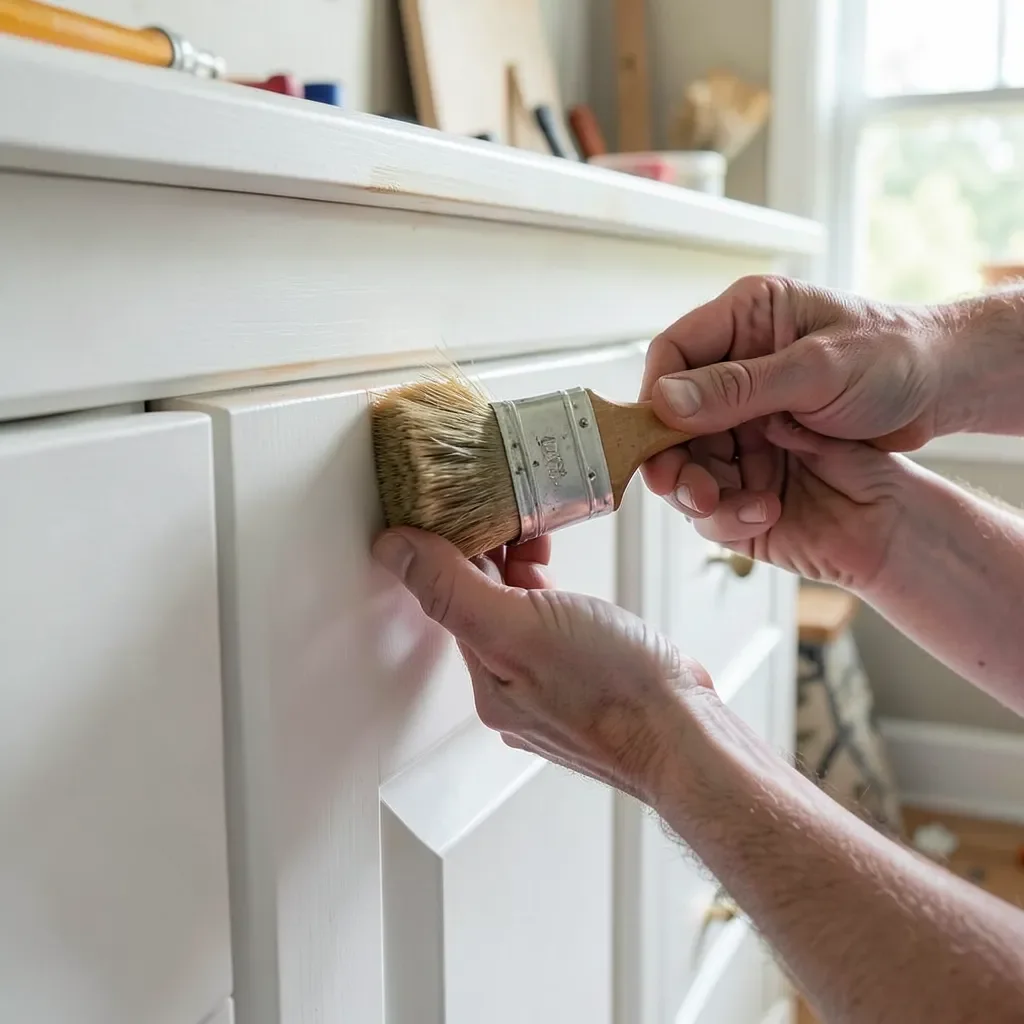
Shellac adheres to painted surfaces, but only once the paint has fully cured and only if the shellac itself is dewaxed — like Zinsser Bulls Eye SealCoat, not traditional waxy flakes. Latex paint can take 21 to 30 days to cure even though it feels dry within an hour, and shellac applied too soon traps solvent underneath and causes clouding or peeling. This guide covers surface prep, picking the right shellac, and fixing bubbles or an uneven sheen.
Why Shellac Sticks to Painted Surfaces When You Do It Right
Best Dewaxed Shellac Pick
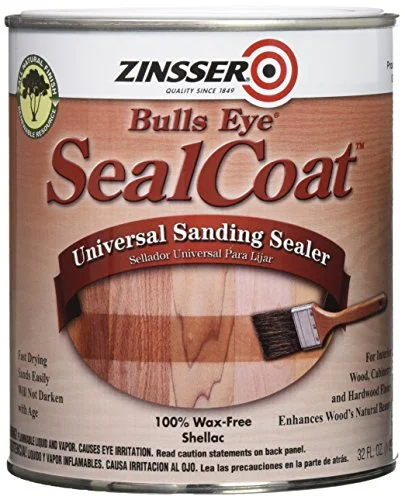 |
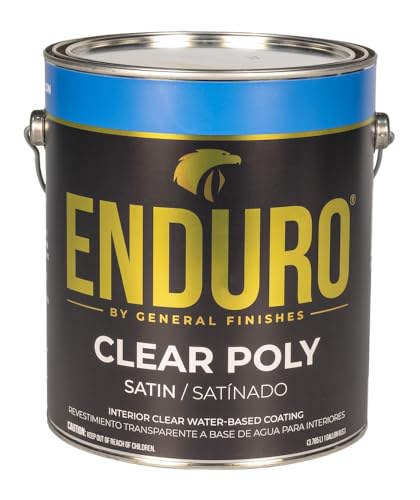
Zinsser Bulls Eye SealCoat Universal Sanding Sealer – $21.99 It’s dewaxed shellac already mixed and ready to brush straight from the can — the exact type this guide recommends for sealing over paint, since traditional waxy flakes can keep a later topcoat from bonding.
|
Shellac is a natural resin from the lac beetle, dissolved in alcohol, and it has sealed and topcoated furniture for centuries. Over a clean, fully cured painted surface it forms a real mechanical and chemical bond, not just a film sitting on top.
- Dries in minutes, so you can recoat the same afternoon instead of waiting overnight between coats.
- Blocks stains and odors — a coat over water-stained or smoke-damaged wood keeps those from bleeding through a later paint layer.
- Re-dissolves in alcohol, which makes repairs easy but also means alcohol-based cleaners can damage it later.
Which Paints Take Shellac Well
Not every paint cures the same way, and cure time — not dry time — is what determines whether shellac will bond or lift.
- Latex (water-based): Adheres well once fully cured. Fresh latex can still be soft enough to react with shellac’s alcohol.
- Oil-based: Shellac bonds very well once the paint has fully hardened, which takes longer than latex.
- Enamels and lacquers: Generally compatible once cured; test a small area first since some lacquer solvents can re-emulsify under alcohol.
- Chalk paint and milk paint: More porous — use dewaxed shellac and expect to seal first or the finish can go blotchy.
📊 Latex paint can take 21 to 30 days to fully cure, even though it feels dry to the touch in 1-2 hours. Oil-based paint cures in roughly 3-14 days. Applying shellac before that window closes is the single most common cause of adhesion failure. Source: Dunn-Edwards Technical Bulletin, Dry Time vs. Cure Time
Prepping the Painted Surface Before You Shellac
Preparation, not the shellac itself, is what decides whether the finish holds. Skipping a step here is the fastest way to end up sanding it all back off.
Clean and Degrease First
Wipe the surface with a mild soap-and-water or TSP-substitute solution, rinse off any residue, then go over it with a tack cloth once it’s dry. In kitchens or shops, degrease first — oil left behind causes fisheyes (small crater-like spots) in the dried shellac.
Scuff-Sand for Tooth
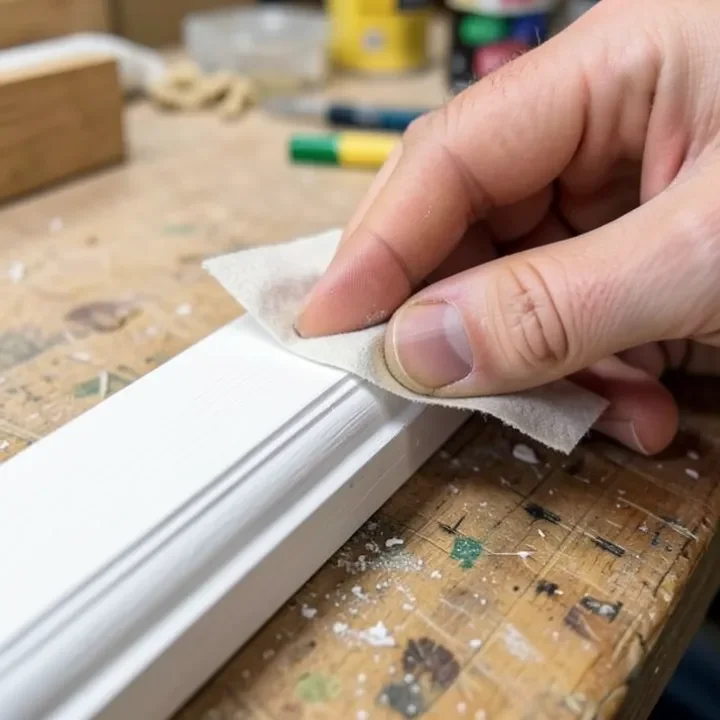
Lightly sand with 220- to 320-grit paper to give the shellac something to mechanically grip, then vacuum and tack-cloth the dust away. You’re not trying to remove the paint, just knock down the gloss.
Confirm the Paint Has Actually Cured
A scratch test tells you more than the calendar does: after the manufacturer’s stated cure window, gently scratch a hidden spot with a fingernail. If paint gouges or lifts, it isn’t cured yet — wait longer, especially in cold or humid conditions, which slow curing further.
How to Apply Shellac Over Paint
Pick Dewaxed Shellac, Not Waxy Flakes
Traditional shellac flakes still contain natural wax, which can keep a later coat of polyurethane or lacquer from bonding properly. Dewaxed shellac has that wax removed and is the safer default over painted surfaces — ready-mixed cans like the one above skip the flake-and-alcohol mixing step entirely.
Bob Flexner, author of Understanding Wood Finishing and a longtime finishing columnist for Woodshop News, has documented for years that the wax naturally present in shellac is specifically what causes later coats (varnish, lacquer, or water-based finishes) to fail to bond — which is the whole reason dewaxed shellac exists as a separate product.
Brush, Spray, or Wipe It On
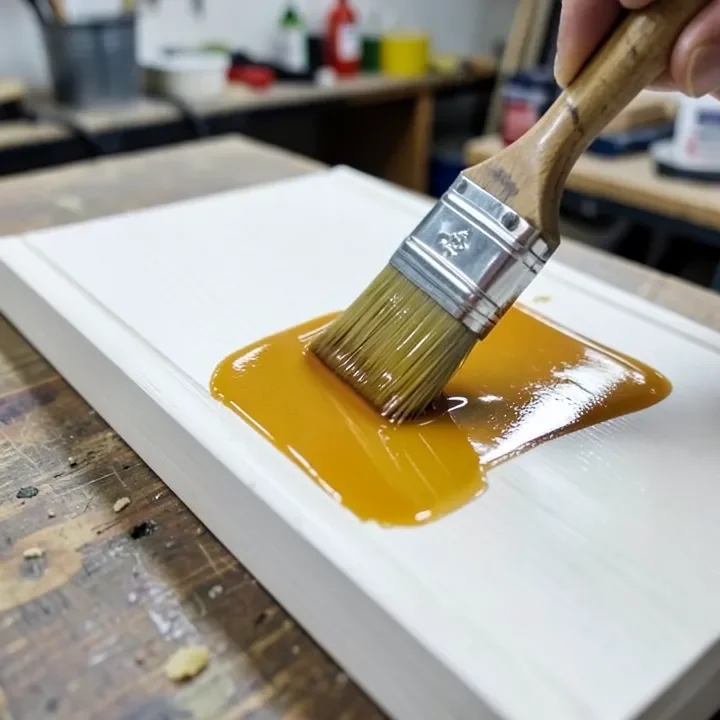
A natural bristle brush is the most common approach — shellac is alcohol-based, so synthetic brushes made for latex paint aren’t necessary. Spraying gives the smoothest finish on large or detailed pieces but needs ventilation and a respirator. French polishing (wiping thin coats on with a rag pad) gives the highest gloss but is slower and mostly reserved for showpiece finishes.
Tips for a Streak-Free Coat
- Thin coats win. Two to three thin coats build up cleaner than one heavy one, and dry fast enough to recoat the same day.
- Work fast, don’t go back. Shellac starts setting in minutes — going back over a tacky spot lifts it instead of smoothing it.
- Keep a wet edge so each pass blends into the last one instead of leaving lap marks.
- Sand lightly between coats with 320-grit or 0000 steel wool if you want a glass-smooth final surface, then tack-cloth before the next coat.
Fixing Common Shellac-Over-Paint Problems
Adhesion Failure (Peeling or Lifting)
Almost always traces back to a dirty surface, insufficient sanding, or paint that wasn’t actually cured yet. Scrape or sand back to sound paint, re-clean, confirm cure time, and reapply in thin coats.
Bubbles and Fisheyes
Fisheyes (small crater-like spots ringed with material) mean contamination — usually silicone, wax, or oil you missed during degreasing. Bubbles usually mean the coat went on too thick or dried too fast in hot, dry air. Sand the defect flush, clean thoroughly, and reapply thinner.
Uneven Sheen
Patchy gloss usually comes from inconsistent application or going back over partially-dried shellac. A light sanding between coats, followed by a fresh, evenly applied final coat, levels most sheen problems out.
Frequently Asked Questions
Can I apply shellac over fresh latex paint?
Answer: No, it is not recommended to apply shellac over fresh latex paint. The paint needs to be fully cured, which can take several days to weeks, to avoid adhesion issues and reactions with the shellac’s alcohol solvent.
Does shellac darken paint?
Answer: Blonde or clear dewaxed shellac will minimally alter the color of the paint. Amber or orange shellac, however, will add a noticeable warm tint to the paint color.
How many coats of shellac should I apply over paint?
Answer: For most painted surfaces, two to three thin coats of shellac are sufficient for protection and to build a nice sheen. You can apply more if a higher level of durability is desired.
Can I use shellac on kitchen cabinets that are painted?
Answer: Yes, shellac can be a good choice for sealing painted kitchen cabinets, as it provides a durable, moisture-resistant barrier. Ensure the cabinets are thoroughly cleaned and the paint is fully cured before application.
Will shellac protect against water damage on painted surfaces?
Answer: Shellac offers good water resistance, making it suitable for protecting painted surfaces from minor spills and moisture. However, it is not completely waterproof and can be damaged by prolonged exposure to water or alcohol-based cleaners.
Bottom Line
Yes, shellac works over paint — the two things that make or break it are a fully cured paint surface and a dewaxed shellac product. Clean and lightly sand first, confirm cure time rather than trusting dry-to-the-touch, and apply two to three thin coats. Most problems that show up afterward (peeling, fisheyes, uneven sheen) trace back to skipping one of those steps, and all of them are fixable with a sand-back and a redo.
Sponsored / affiliate links. As an Amazon Associate I earn from qualifying purchases. I may earn additional commission from eligible campaigns.