Snap-on Batteries: CTB Models, Real Lifespan, and Replacement Options
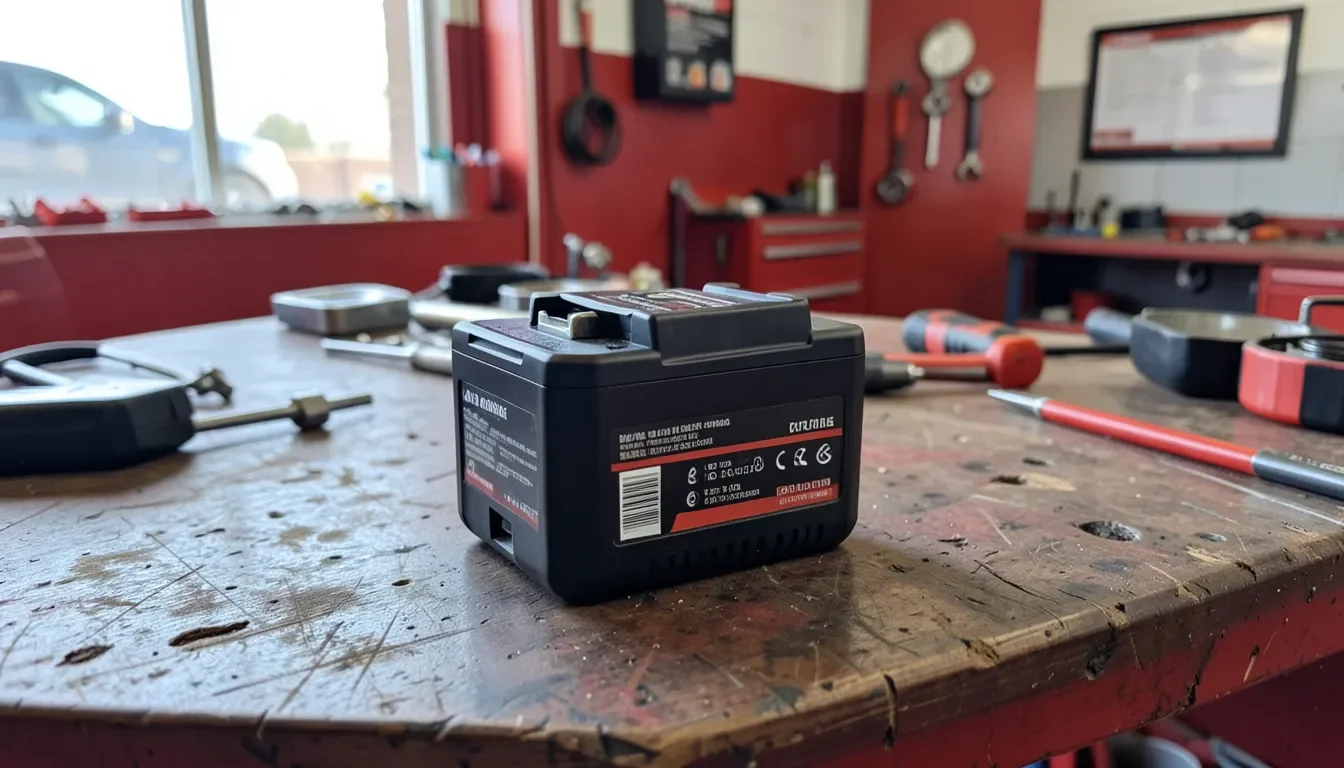
Snap-on’s cordless tools run on their CTB-series lithium-ion battery packs, most commonly an 18V platform used across impact wrenches, ratchets, and drills sold to professional automotive technicians. Like most professional tool platforms, the battery is often the first component to need replacement — not the tool itself — which makes knowing your exact model number the real starting point before buying anything.
Identifying Your Battery Model First
Compatible Replacement, Not Genuine OEM
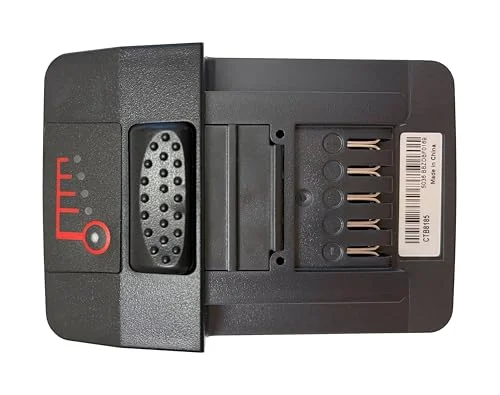 |
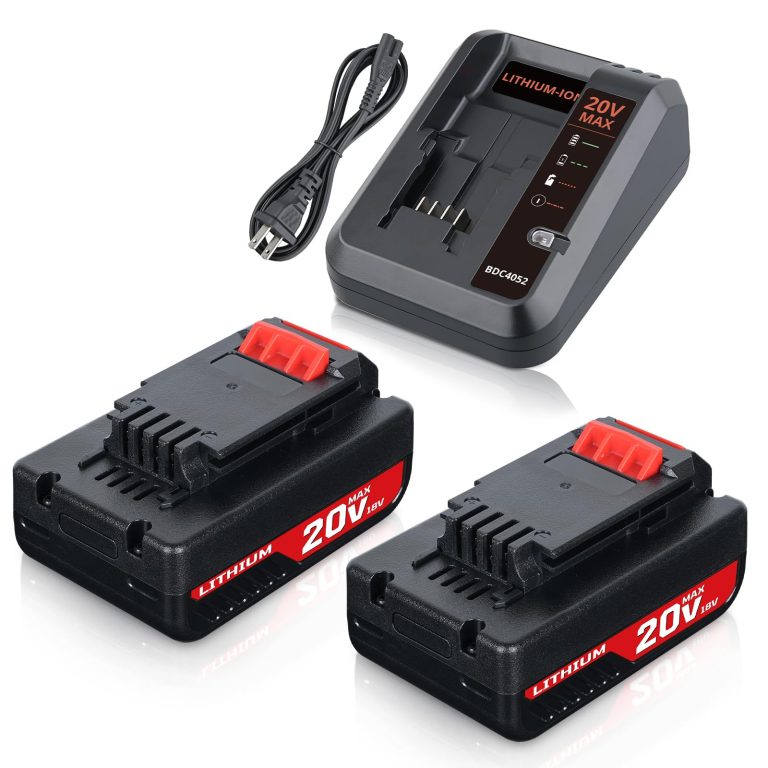
CYDZ 18V 4.0Ah Replacement Battery for CTB8185/CTB8187/CTB7185 – $56.95 A significantly cheaper third-party alternative to a genuine Snap-on CTB pack — a real, common tradeoff for shops replacing an out-of-warranty battery rather than a tool.
|
Snap-on batteries are labeled with a model code printed directly on the pack — common 18V examples include CTB8185, CTB8187, and CTB7185, each tied to specific tool generations. Checking this code before buying a replacement matters more than checking voltage alone, since two packs can share a voltage rating but differ in physical fit, amp-hour capacity, or the specific tool series they were designed for. If the label is worn or missing, cross-referencing the tool’s own model number (stamped on the tool body) against Snap-on’s compatibility documentation is more reliable than guessing from the pack’s shape.
Genuine Vs. Third-Party Replacement
A genuine Snap-on replacement battery costs meaningfully more than a third-party compatible pack, but it carries Snap-on’s own warranty and consistent cell-matching quality control — a real factor for a pack that gets deep-cycled daily in a working shop. Third-party packs (like the one above) are a legitimate, widely-used lower-cost alternative for a battery that’s already out of its original warranty window, but they’re a genuine tradeoff, not a strictly equal substitute: build quality and cell consistency between third-party manufacturers varies, and a bad cell match inside a multi-cell pack can shorten runtime or cause premature failure in ways that aren’t obvious until it happens. For a tool still under active use in daily professional work, weigh the real cost difference against how much that reliability gap actually matters for your situation.
Real Lifespan And What Shortens It
- Deep discharge cycles shorten lifespan faster than partial cycles: like most lithium-ion packs, running a Snap-on battery down to empty repeatedly wears it out faster than recharging from a partial state — topping off between uses is better practice than “running it dead” out of habit.
- Heat is the real enemy: a battery left on a hot dashboard, in direct summer sun, or charged immediately after heavy use in high heat degrades faster than one kept and charged at moderate temperature.
- Storage matters for packs not in daily use: a spare battery stored at a partial charge (not full, not empty) holds up better over months of inactivity than one left fully charged or fully drained.
- Physical damage compounds: a dropped or impacted pack can develop internal cell damage that isn’t visible externally but shows up as reduced capacity or unexpected shutoff later.
Common Applications
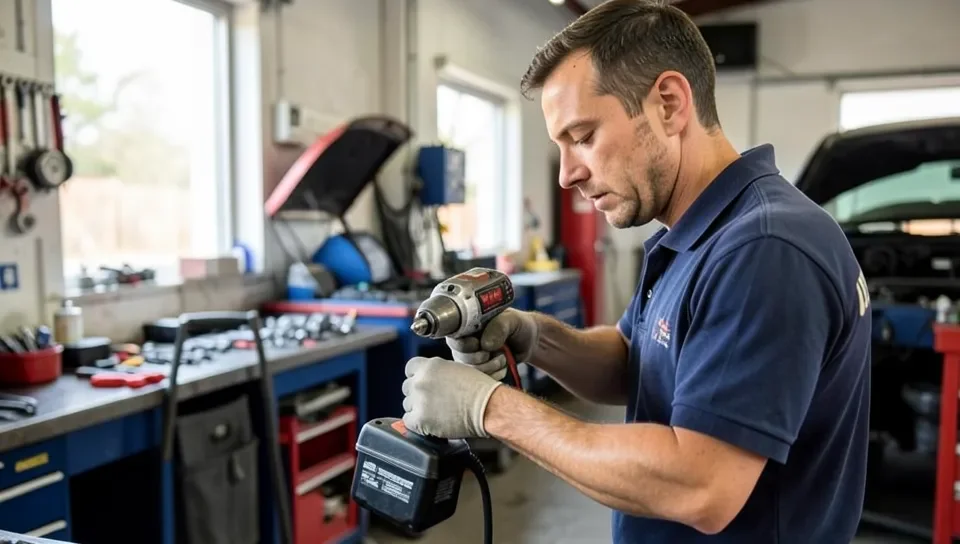
- Cordless impact wrenches: the most common application in a professional shop — removing and installing lug nuts and fasteners without an air compressor hose tethering the tech to one spot.
- Cordless ratchets: a lower-torque, higher-precision counterpart to the impact wrench for fastener work in tighter spaces.
- Cordless drills and drivers: general shop and diagnostic-equipment support use, sharing the same battery platform for one-battery convenience across multiple tools.
- Diagnostic equipment: some Snap-on diagnostic scan tools and equipment also draw on the same battery platform, letting a shop standardize on fewer battery types across different equipment.
Charging Basics
Use the charger designed for your specific Snap-on battery platform — mismatched chargers (even ones that physically fit) can charge at the wrong rate for that pack’s chemistry, which is a real safety and longevity concern, not just a compatibility inconvenience. Most Snap-on lithium packs include a charge-status indicator; a pack that won’t hold a charge or shows erratic indicator behavior even on a known-good charger is a sign the pack itself has failed, not a charging technique problem.
Troubleshooting A Battery That Won’t Hold Charge
- Try a known-good charger first: before assuming the battery has failed, rule out a bad charger by testing the pack on a different charger (or a coworker’s, in a shop setting) — a dead charger is a cheaper, more common fix than a dead battery.
- Check the contacts: corrosion or debris on the battery’s or charger’s metal contacts can interrupt a charge even when both components are otherwise fine — a quick visual check and clean can rule this out.
- Note the charge indicator’s actual behavior: a light that doesn’t turn on at all points to a different problem than one that turns on but never reaches full charge — that distinction matters for diagnosing whether it’s the cell, the charging circuit, or the charger itself.
- A pack that charges but drains unusually fast under normal use, rather than one that won’t charge at all, usually indicates internal cell degradation — this is the point where replacement (genuine or third-party) becomes the practical answer rather than further troubleshooting.
Frequently Asked Questions
What is a Snap-on battery?
A lithium-ion battery pack (commonly the CTB series at 18V) that powers Snap-on’s cordless tools — impact wrenches, ratchets, and drills used primarily in professional automotive repair.
How long does a Snap-on battery last?
Real-world lifespan depends heavily on charge habits and heat exposure — deep discharge cycles and heat both shorten a pack’s usable life faster than moderate, partial-cycle use kept at reasonable temperatures.
Are Snap-on batteries interchangeable between tools?
Only within the same battery platform and voltage — check the pack’s model code (e.g., CTB8185) against the tool’s compatibility documentation rather than assuming voltage alone guarantees a fit.
Conclusion
Getting the right Snap-on battery starts with the model code on the pack, not just the voltage — and the real decision beyond that is genuine OEM versus a cheaper third-party replacement, a real tradeoff between cost and guaranteed quality control rather than a clear-cut choice. Either way, avoiding deep discharge cycles and heat exposure is what actually extends whichever pack you choose.
Sponsored / affiliate links. As an Amazon Associate I earn from qualifying purchases. I may earn additional commission from eligible campaigns.