How to Remove Super Glue From Skin Safely
Warm soapy water or acetone-based nail polish remover safely dissolves super glue on skin within 10–15 minutes — but never force-peel bonded skin, since that tears the top layer and can cause a blister. Left alone, super glue also sloughs off on its own within a few days as skin naturally exfoliates. This guide covers the three skin-safe removal methods, what never to use on skin (including most CA glue debonders), and how to prevent it in the shop — part of our full wood glue guide covering dry times, cure times, and adhesive selection.
Is Super Glue the Same as the CA Glue Woodworkers Use?
Best CA Glue Prevention Pick
SUP Powder-Free Nitrile Exam Gloves, 100 Count
Latex-free nitrile gloves sized for real dexterity work — thin enough to still feel a chisel or a pen blank while keeping CA glue off skin entirely.
- Best for: Anyone applying CA glue as a finish, adhesive, or filler more than once in a while
- Why we picked it: Prevention beats every removal method — a $7 box of 100 gloves is cheaper than one ruined manicure or a burn from acetone on broken skin
- Main drawback: Only helps if you put them on before the glue comes out — no use once glue is already on skin
Compare more CA glue shop-safety options
 Option 1 Multipurpose Super Glue Debonder, 20g
|
 Option 2 Goo Gone Adhesive Remover Spray Gel, 12oz
|
 Option 3 MedPride Nitrile Exam Gloves, Large, 100 Count
|
As an Amazon Associate we earn from qualifying purchases.
Cyanoacrylate (CA) glue is the adhesive family that both drugstore “super glue” and the thin/medium/thick CA glues sold at woodturning suppliers belong to — they cure the same way (reacting almost instantly with moisture on skin) and respond to the same removal methods. Woodworkers run into skin contact more often than average, since CA glue is a common finish for pen blanks, a fast tack for veneer and inlay work, and a go-to for filling small cracks — usually applied bare-handed, right at the point where fingers meet the workpiece. How super glue is actually made explains the cyanoacrylate chemistry in more depth if you want the full picture.
How to Remove Super Glue From Skin
Work through these in order — start with the gentlest method and only move to the next one if it doesn’t loosen the bond after a few minutes.
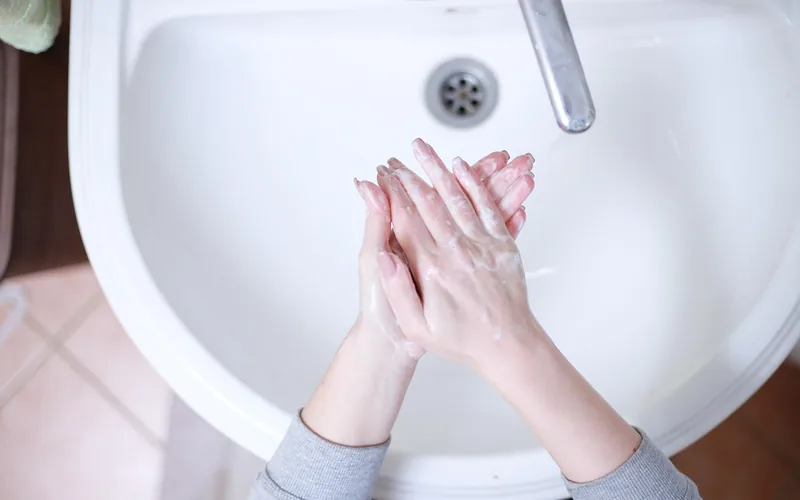
- Soak in warm, soapy water: Fill a bowl with warm water and a few drops of dish soap. Soak the glued skin for 5–10 minutes, then gently work a fingernail or the edge of a soft cloth under an edge of the glue and slowly roll — not pull — it off.
- Apply acetone if soap doesn’t work: Acetone (pure, or from acetone-based nail polish remover) dissolves the cyanoacrylate polymer in the glue, typically softening the bond in under a minute on a cotton ball held against the spot. It dries skin out fast, so rinse and moisturize immediately after and never use it on broken skin, eyes, or lips.
- Use an oil-based product for sensitive skin: Coconut oil, olive oil, or plain petroleum jelly won’t dissolve the glue as fast as acetone, but they lubricate the bond so it releases with less friction. Massage a generous amount in, let it sit 10 minutes, then gently roll the glue off. This is the safer first choice for kids, faces, or anyone with sensitive or already-irritated skin.
- Wash and moisturize afterward: Once the glue is off, wash the area with mild soap and water, pat dry, and apply a fragrance-free moisturizer — acetone and repeated rubbing both leave skin dry and can leave it mildly irritated for a day or two.
How Long Does Super Glue Take to Come Off Skin on Its Own?
According to Cleveland Clinic, a super glue spot left untreated typically sloughs off within 2–4 days as the top layer of skin naturally exfoliates underneath it — much faster than the 24-hour full cure time the same glue needs on a wood joint. That’s not a reason to skip removal on fingers you need for gripping tools, but it’s useful context: a small dry patch that’s fully sealed to the skin (no loose edge to work with) is often safer left to wear off than aggressively worked at with acetone.
Preventing Super Glue Skin Contact in the Shop
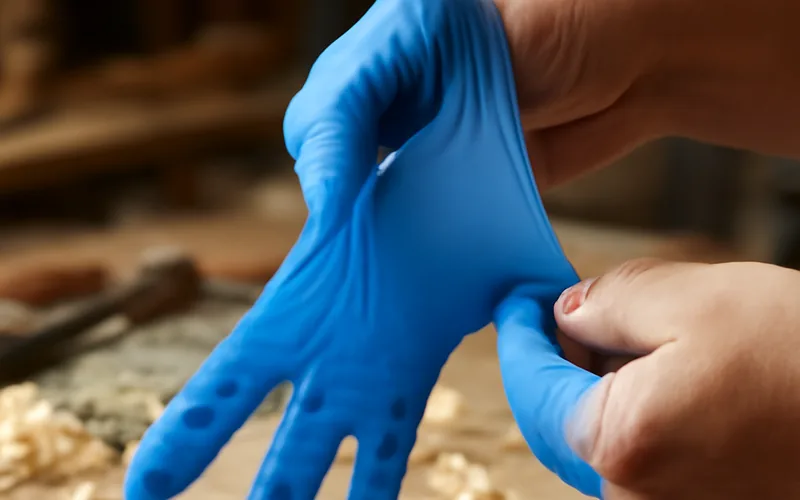
The cheapest fix for CA glue on skin is not getting it there in the first place. Nitrile gloves are the standard prevention for anyone applying CA glue as a finish or adhesive for more than the occasional quick repair — they resist cyanoacrylate far better than bare skin and cost a few cents per pair. Keep a box at the bench next to the glue, not in a drawer across the shop, or they won’t get used.
What NOT to Do When Removing Super Glue From Skin
- Don’t force-peel or pull the bond apart. Cyanoacrylate bonds to the outer skin layer harder than it bonds to itself in most cases — pulling tears skin before it releases the glue, which is how a simple glue spot turns into a blister or open cut.
- Don’t use a blade, scraper, or fingernail to scrape it off. Any sharp edge close to bonded skin risks a cut, especially once the area is already tender from the glue.
- Don’t apply a CA glue debonder to skin unless the label says it’s rated for skin contact. Most debonders are solvent blends formulated to strip cured glue off tools and surfaces, and several can cause chemical burns on skin. Warm soapy water, acetone, or oil are the tested skin-safe options — see the section below for the label check.
- Don’t use gasoline, paint thinner, or nail polish remover acetone substitutes marketed as “non-acetone.” Non-acetone nail polish removers use weaker solvents that mostly won’t touch cured CA glue, and stronger automotive solvents are too harsh for skin.
Are CA Glue Debonders Safe to Use on Skin?
Not automatically — and this is the detail most general “remove super glue” articles skip. Standard CA glue debonders and accelerator removers are solvent-based products built to break down cured cyanoacrylate on tools, jigs, and finished surfaces, and several product safety data sheets explicitly warn against skin contact because the solvent blend can cause chemical burns. A smaller number of newer debonder formulas (propylene-carbonate-based gel removers marketed by some CA glue brands) are labeled as mild enough for spot skin cleanup, but that safety claim is specific to that formula — it doesn’t carry over to every bottle labeled “debonder.”
The practical rule for the shop: keep a debonder on hand for tools and workbenches, but default to warm soapy water, acetone, or oil for skin, and only reach for a debonder on skin if its own label or safety data sheet explicitly says it’s rated for skin contact. For glue spots on the workpiece itself rather than skin, our guide to ungluing wood covers surface-safe separation methods that won’t damage the finish.
When to See a Doctor for Super Glue on Skin
Most super glue accidents are a five-minute fix at the sink. Get medical help instead of continuing to work at it yourself if any of the following apply: the glue is on your eyes, inside your nose, mouth, or ears; the area is a large patch of skin; you already have a blister, cut, or broken skin under the glue; or the skin stays red, swollen, or painful after you’ve removed it and cleaned the area. A pharmacist or urgent care clinic can safely remove glue from sensitive spots faster and with less risk than repeated DIY attempts.
Frequently Asked Questions
How do I remove super glue from my skin?
Soak the area in warm, soapy water for 5–10 minutes first, then gently roll the softened glue off with a fingernail or soft cloth — never pull it. If soap and water alone doesn’t work, acetone-based nail polish remover dissolves the bond in under a minute; oil-based products like coconut oil work more slowly but are gentler on sensitive skin.
Is super glue harmful to skin?
Super glue itself isn’t toxic on contact, but it can irritate skin and, because curing is a mild exothermic reaction, cause a brief warm or stinging sensation on sensitive skin. GoodRx notes that the real risk comes from forcing it off — that’s what tears skin and causes blisters, not the glue sitting on the surface for a few minutes while you find a removal method.
Can vinegar remove super glue from skin?
Vinegar has a mild loosening effect on some glue bonds but is far weaker than acetone against cured cyanoacrylate, and it can dry out or sting already-irritated skin. It’s not one of the primary recommended methods — warm soapy water, acetone, or oil work faster and more reliably.
Can I use a CA glue debonder on my skin?
Only if the specific product’s label or safety data sheet states it’s rated for skin contact. Most CA glue debonders are solvent blends made for tools and surfaces and can cause chemical burns on skin. Stick to warm soapy water, acetone, or oil-based products unless you’ve confirmed the label says otherwise.
Will super glue come off skin on its own?
Yes — a small spot of super glue on intact skin typically sloughs off within 2–4 days as the outer skin layer naturally exfoliates underneath it, even with no treatment at all. Active removal is mainly worth it for glue on fingers you need for grip or dexterity in the meantime.
Conclusion
Warm soapy water, acetone, or an oil-based product will get super glue off skin safely in most cases — the method that fails is force. In the shop, a $7 box of nitrile gloves prevents the problem entirely, and if you keep a CA glue debonder around for tool and bench cleanup, check its label before it ever goes near skin. If glue ends up on your eyes, in a large patch, or on already-broken skin, skip the DIY methods and get medical help.
Sponsored / affiliate links. As an Amazon Associate I earn from qualifying purchases. I may earn additional commission from eligible campaigns.