Isopropyl Alcohol Stains on Wood: Why They’re White (5 Fixes)
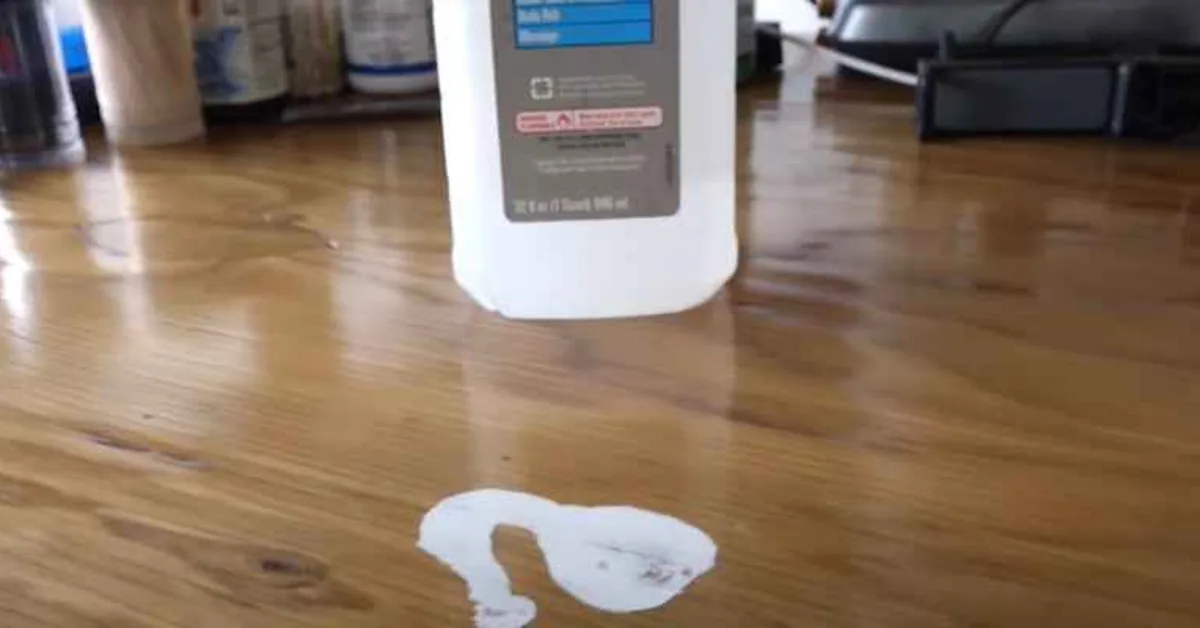
Isopropyl alcohol does not actually stain wood with color — it dissolves the finish (lacquer, shellac, or polyurethane), leaving a pale white haze, unless you blot it up within the first 30 seconds. Left untreated, that haze can set into the finish and need sanding to remove. This guide covers why the mark turns white, five household fixes that work, and how to protect the wood afterward.
Insert your Affiliate Disclosure reusable block here.
Quick Answer
Wipe up the spill right away — isopropyl alcohol does not dye wood, it dissolves the finish, leaving a pale white haze. Blot with mayonnaise, mineral oil, or a warm iron over a cloth to re-level the finish. If the haze will not lift after two or three tries, sand lightly and add fresh wax or polyurethane.
What Actually Causes the White Mark (It Is Not a Dye Stain)
Best Mineral Oil Pick
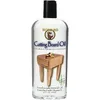
Howard Products Food-Grade Mineral Oil (12 oz) – $9.49
Food-grade and unscented, so it will not leave a smell or a colored tint on the spot you just treated — the same 10–30 minute soak this guide recommends for Method 2.
- Best for: Light to moderate alcohol haze on any finish
- Why we picked it: Widely available, food-safe, no added fragrance to mask with
- Main drawback: Slower than mayonnaise on fresh, heavy haze
Compare more mineral oil options
 Option 1 Thirteen Chefs Food-Grade Mineral Oil (12 oz) – $15.99
|
 Option 2 Kate Naturals Odorless Mineral Oil (8 oz) – $7.99
|
 Option 3 US+ Pure Food-Grade Mineral Oil (32 oz) – $14.99
|
As an Amazon Associate we earn from qualifying purchases.
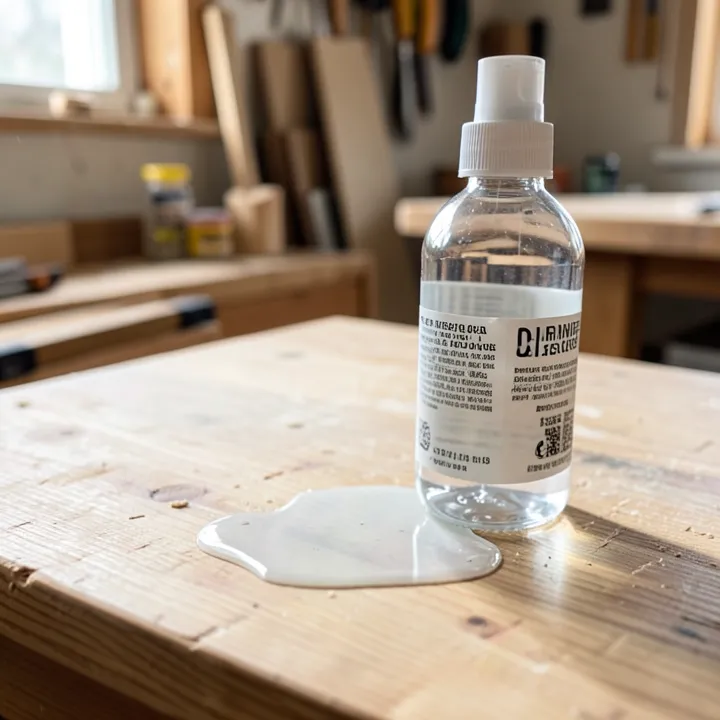
Isopropyl alcohol is a fast-evaporating solvent — the same property that makes it useful for cleaning electronics — and that solvency is exactly what damages a wood finish. When it touches lacquer, shellac, wax, or some water-based polyurethanes, it partially dissolves the top layer of the finish. The cloudy white mark is the finish itself turning opaque, not the wood underneath absorbing color, which is why the fix targets the finish rather than the wood grain.
📊 High-purity (99%) isopropyl alcohol is the solvent professional finishers use to thin shellac — the same dissolving action that turns an accidental spill into a white haze on a finished tabletop. — Source: Homestead Finishing Products, 2026
Why Speed Matters
The faster you blot a spill, the less finish it dissolves. Isopropyl alcohol evaporates within a few minutes, but by then it has already softened the finish enough to leave a lasting haze — acting in the first 30 seconds is what usually keeps a spill a quick fix instead of a refinishing job. This is also why white marks from other causes, like water rings, respond to some of the same household fixes below.
What You Will Need
Most of these fixes use items already in the kitchen or bathroom:
- White cotton or microfiber cloths (color-safe, will not transfer dye onto the damp finish)
- Plain mayonnaise or food-grade mineral oil
- A clothes iron or hair dryer, plus a thin cotton cloth to use as a heat barrier
- Distilled white vinegar, for cloudy residue that oil alone will not clear
- 0000-grade steel wool, for haze that has set in deep
- Matching paste wax, oil, or polyurethane, to refinish the spot afterward
Wearing thin gloves keeps oil and vinegar off your hands; if any does get on your skin, a mild soap-and-water wash removes it the same way it removes wood stain.
How to Remove Isopropyl Alcohol Marks From Wood (5 Fixes That Work)
Start with the gentlest method and only move to a stronger one if the haze does not budge. Test any product on a hidden edge first.
| Method | How It Works | Best For | Time Needed |
|---|---|---|---|
| Mayonnaise | Oil in the mayo re-softens and blends the dried finish | Fresh, light haze | 5–10 min |
| Mineral oil | Penetrates the cloudy layer and evens out the sheen | Light to moderate haze | 10–30 min |
| Warm iron + cloth | Gentle heat re-melts the finish so it re-levels itself | Haze on varnish or lacquer | 10–15 sec bursts |
| Vinegar + oil paste | Mild acid breaks down residue, oil restores sheen | Cloudy residue after blotting | 5–10 min |
| 0000 steel wool + wax | Mechanically levels finish heat and oil cannot fix | Deep or old haze | 15–20 min |
Method 1: Mayonnaise (Best First Try)
- Blot excess alcohol: Press a dry white cloth on the spot — do not rub — to soak up any liquid still on the surface.
- Apply a dab of mayonnaise: Cover the haze with a thin layer using a clean white cloth.
- Let it sit: Leave it undisturbed for 5 to 10 minutes so the oil can re-soften the finish.
- Buff it off: Wipe away with a fresh cloth, working with the wood grain, and check whether the haze has faded.
- Repeat if needed: A second or third pass clears most fresh marks.
“Rubbing alcohol acts as a solvent when it comes into contact with wood and wood finishes. Solvents are designed to liquify wood finishes, including varnishes and stains — effectively stripping away the upper layers of the piece.”
Method 2: Mineral Oil
Rub a few drops of food-grade mineral oil into the haze with a soft cloth, following the grain. Let it sit for 10 to 30 minutes so it can penetrate the softened finish, then buff dry. Mineral oil is slower than mayonnaise but leaves less residue on open-grain woods, and it is the safest option for finishes you are unsure about.
Method 3: Warm Iron or Hair Dryer
Lay a thin cotton cloth over the haze and set an iron to its lowest heat, with no steam. Press for 10 to 15 seconds, check the spot, and repeat in short bursts — do not slide the iron back and forth, and lift it immediately if the wood feels hot to the touch. A hair dryer on low heat, held 6 to 12 inches away and moved in slow circles, works more slowly but carries less risk of scorching.
Method 4: Vinegar and Oil Paste
Mix equal parts distilled white vinegar and olive or mineral oil into a paste. Rub it into the haze in a circular motion with a soft cloth, let it sit for a few minutes, then wipe clean with the grain. The vinegar’s mild acidity helps break down cloudy residue that oil alone leaves behind, which is why this combination works well on spots that have already been treated once without fully clearing.
Method 5: 0000 Steel Wool and Wax (For Deep Haze)
If the mark is still visible after two other methods, the alcohol has likely etched all the way through the finish layer. Rub 0000-grade steel wool very lightly over the spot, always with the grain, until the haze blends into the surrounding sheen — this is abrasive, so check progress every few strokes. Follow immediately with a matching paste wax to restore the shine and seal the spot.
If the Haze Will Not Come Out
When steel wool and wax still leave a visible ring, the alcohol has fully dissolved through to bare wood, not just the finish’s top coat. At that point, sanding is the only remaining fix: sand the spot with fine-grit paper following the grain until it is level with the surrounding surface, wipe away the dust, then apply a matching stain and topcoat to blend the repair. For furniture with monetary or sentimental value, this is also the point where a professional refinisher is worth the cost — a DIY sanding mistake on an antique can cost more to correct than the original spill ever would have.
Protecting Wood From Future Alcohol Spills
A few habits keep the next spill from becoming a repeat repair job:
- Use coasters and mats: Keep rubbing alcohol bottles, hand sanitizer, and drinks off bare wood surfaces.
- Blot, never wipe, a fresh spill: Wiping spreads the alcohol and widens the damaged area.
- Skip alcohol-based cleaners on finished wood: Use a wood-safe cleaner instead, even diluted rubbing alcohol can still soften a finish.
- Reseal after any repair: A fresh coat of wax or finish over a repaired spot protects it from the next spill.
For a matching topcoat once the spot is repaired, see our guide to sealing wood after staining, and browse the full stain and finish removal hub for other spot-repair guides.
Frequently Asked Questions
Does isopropyl alcohol stain wood?
Not with color. Isopropyl alcohol is a solvent that dissolves or softens the finish — lacquer, shellac, wax, or some polyurethanes — and that damaged finish is what turns pale and cloudy. The wood grain underneath is not dyed, which is why the fixes in this guide target the finish rather than trying to bleach or lift a stain out of the wood itself.
How long do you have before an alcohol spill damages wood permanently?
Roughly the first 30 seconds. Isopropyl alcohol starts softening most finishes almost on contact, so blotting it up immediately limits the damage to a light haze that mayonnaise or mineral oil can usually clear. A spill left for several minutes, especially in a warm room, is more likely to etch through the finish and need sanding.
Does mayonnaise really work to remove alcohol marks from wood?
Yes, for fresh, light haze. The oil suspended in mayonnaise re-softens the top of the damaged finish, letting it re-level as you buff it away, which is why professional-adjacent household guides recommend it as a first try before moving to steel wool or refinishing.
How do you fix rubbing alcohol stains on a wood tabletop?
Blot the spill dry first, then work through the fixes from gentlest to strongest: mayonnaise or mineral oil, a warm iron over a thin cloth, a vinegar-and-oil paste, and 0000 steel wool with wax as a last resort. Test each on a hidden edge, and stop as soon as the haze clears — going further than needed risks dulling the surrounding finish.
How do you remove rubbing alcohol from hardwood floors?
Soak up any excess liquid with a cloth first, then mix a solution of mild soap and warm water and gently scrub the area with a soft cloth or sponge. Wipe with a clean, damp cloth to remove residue, and dry the spot fully — standing water on a wood floor can cause its own damage on top of the alcohol haze.
Is it safe to clean finished wood furniture with rubbing alcohol?
No. Even diluted rubbing alcohol can soften lacquer, shellac, and some polyurethane finishes on contact, which is the same reaction that causes the white haze this guide fixes. Use a wood-safe cleaner instead, and keep alcohol-based sanitizers and cleaning sprays off bare or finished wood surfaces.
Conclusion
An isopropyl alcohol mark on wood is finish damage, not a dye stain, which is good news — most fresh spills come out with mayonnaise, mineral oil, or a little gentle heat. Blot fast, work from the gentlest fix to the strongest, and reseal the spot once the haze is gone so the next spill has a fresh layer of protection to soften first.
Sponsored / affiliate links. As an Amazon Associate I earn from qualifying purchases. I may earn additional commission from eligible campaigns.