Termite Wings on Floor: Signs of an Infestation
Have you ever walked into a room and noticed tiny, delicate wings scattered across the floor? If so, you’re not alone.
These little wings might seem harmless at first glance, but they could be a sign of something much more concerning—termites. Yes, those seemingly innocent wings are often the first clue that your home might be hosting these unwelcome guests. But don’t worry; you’re about to uncover everything you need to know about this hidden menace.
Understanding why these wings appear and what they mean can save you from potential damage and costly repairs. Stick with us, and you’ll discover how to protect your home and maintain your peace of mind.

Credit: www.trustterminix.com
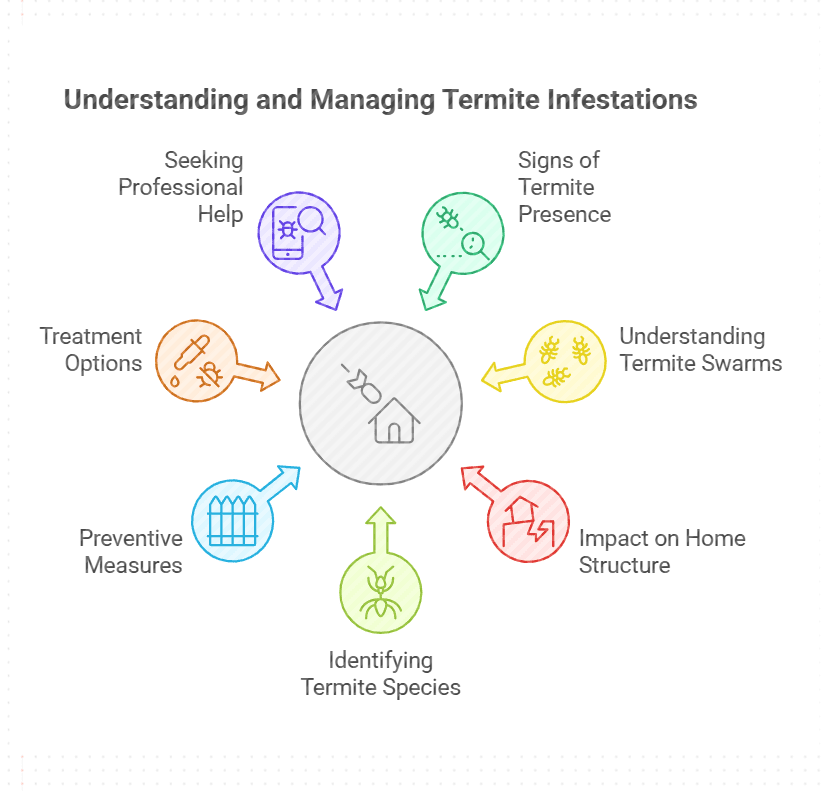
Signs Of Termite Presence
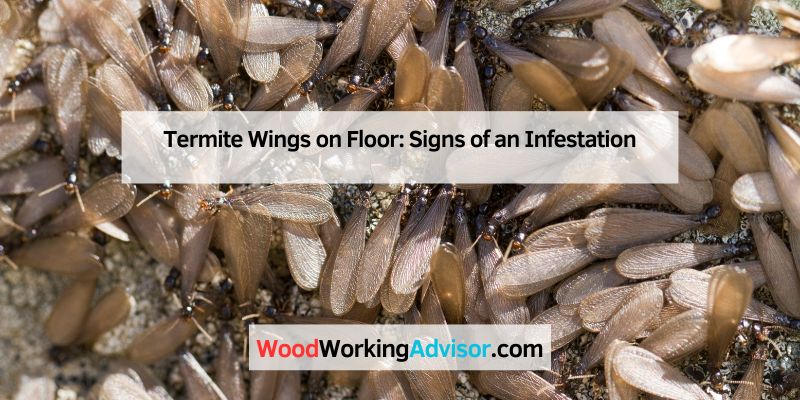
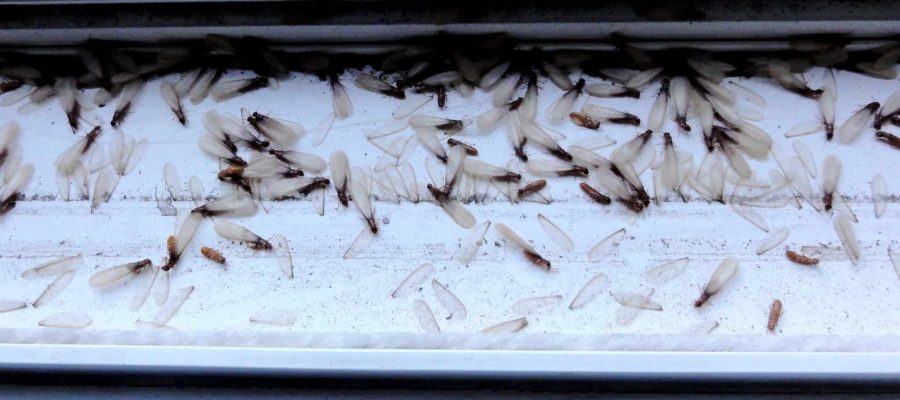
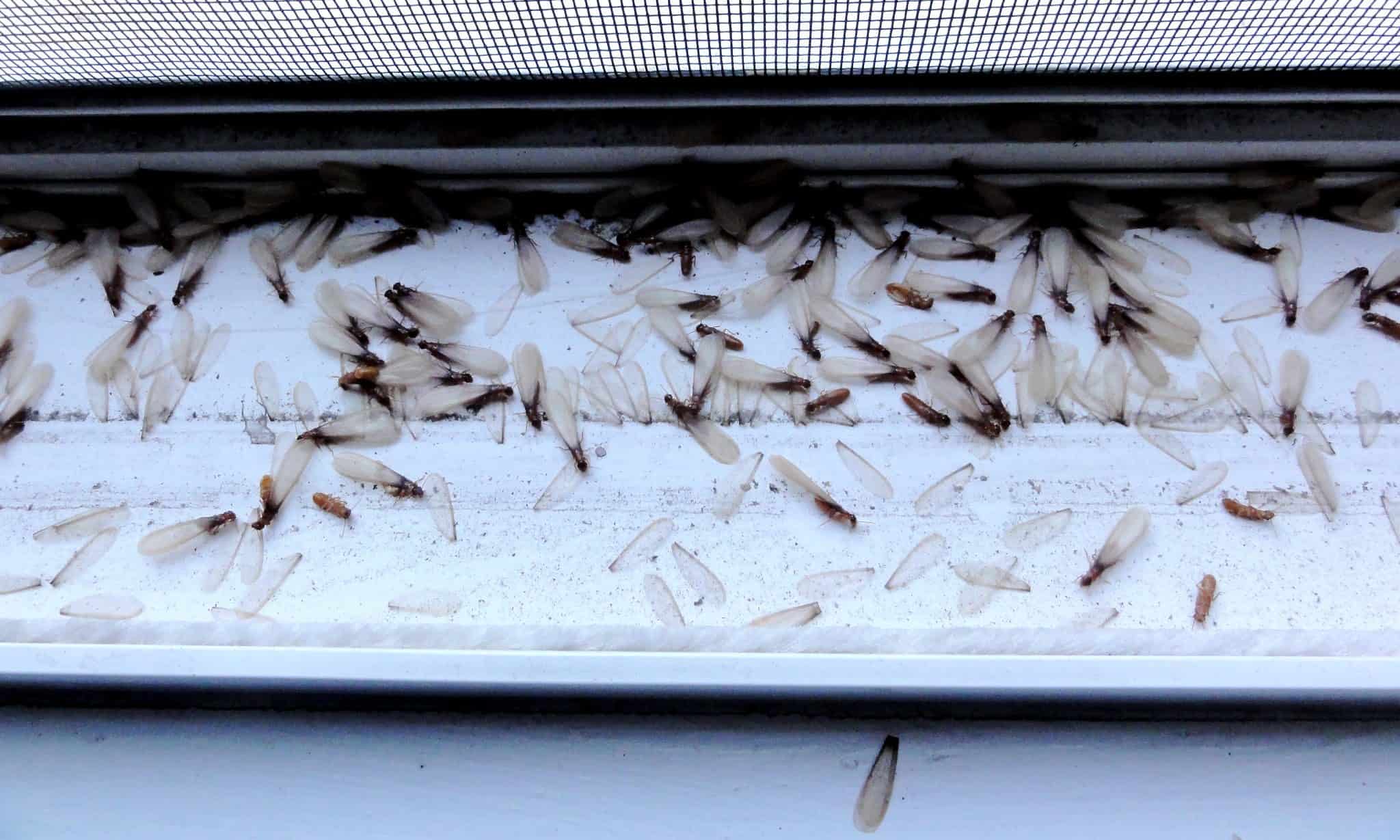
Termites shed their wings when they find a new home. These wings can often be found on the floor. The wings look like small, translucent scales. They can be scattered around windowsills and doorways. This is a clear sign of termites nearby. Termites shed their wings in a particular pattern. The pattern resembles small piles. These piles are easy to spot. They look like fish scales. Finding these wings means termites are present.
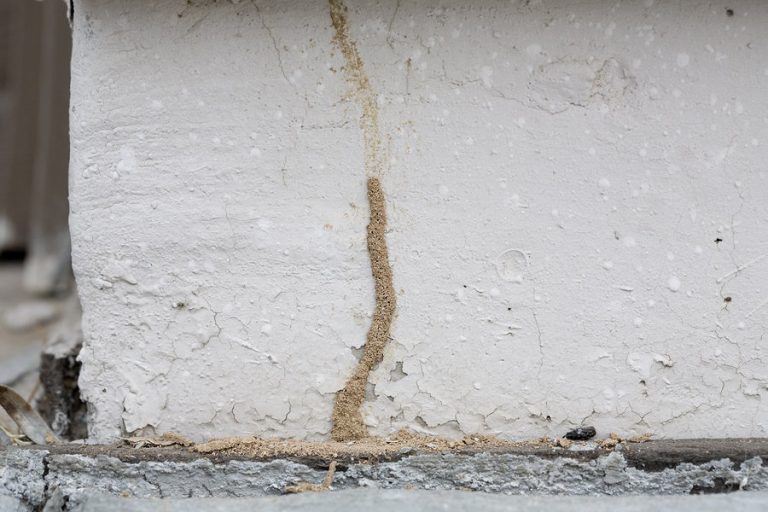
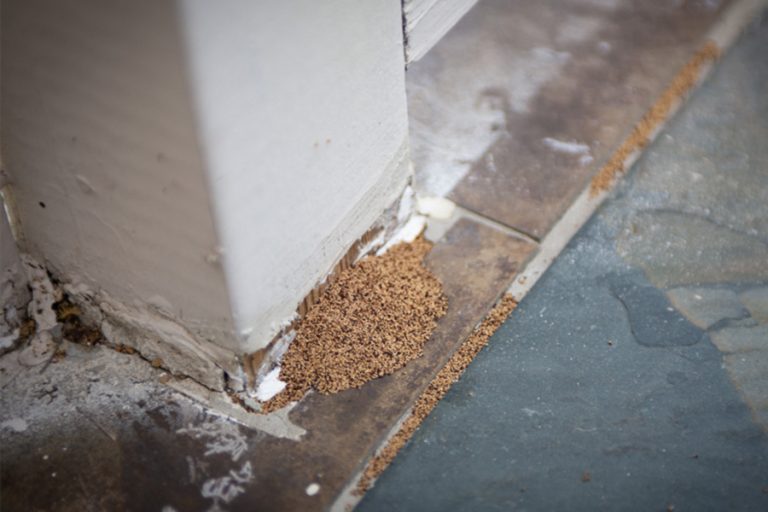
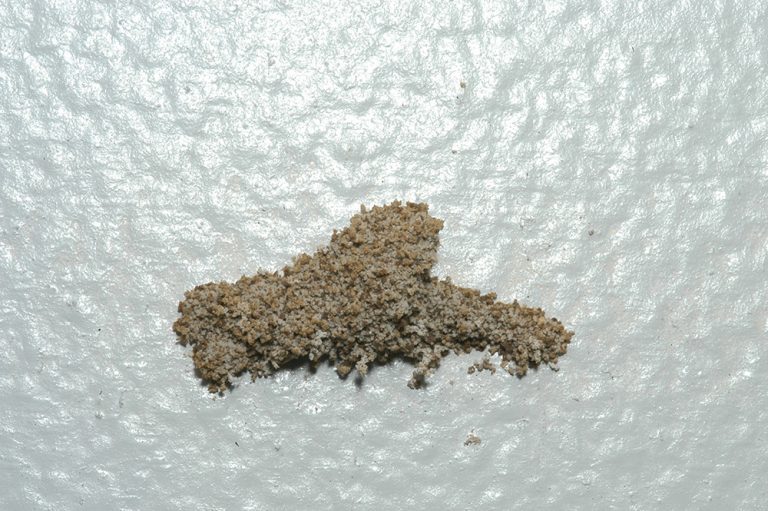
Termites leave mud tubes on walls. These tubes protect them from light. Wood damage is another sign. Termites eat wood from the inside. The wood may sound hollow. Frass is termite waste. It looks like wood dust. Noise from walls can be heard. Termites make clicking sounds. Musty smells can fill the air. This smell comes from termite nests. These signs help identify termite problems.
Understanding Termite Swarms
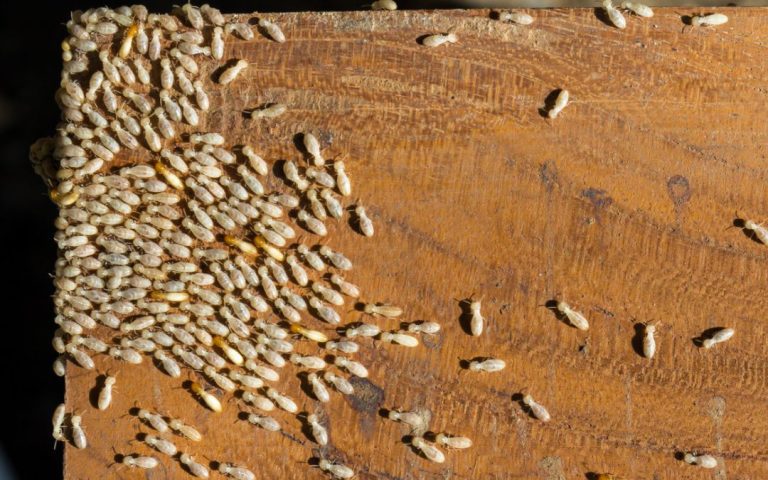
Termites swarm during certain seasons. Most swarms happen in spring. Swarming is when termites leave their colony. This is a way to start new colonies. Warm weather and rain often trigger swarms. Winged termites are part of the swarm. They are called alates. Alates fly and find new places to live. Termite wings on the floor mean swarming occurred. Swarming termites lose their wings after landing. They then find mates and start colonies.
Weather changes can cause termite swarms. Rain and humidity are important. Temperature plays a big role too. Warm temperatures are ideal for swarming. Light also attracts termites. They often swarm during the day. Winds can help spread them. Building materials may also attract swarms. Wood and moisture are key factors. Keep an eye out during swarming season.
Impact On Home Structure
Termite wings on the floor can mean trouble. Termites eat wood. They can make the wood weak. Weak wood can break. Walls, floors, and ceilings can fall. It’s serious.
Termites build large colonies. They can eat a lot of wood quickly. Termites can be small, but they cause big damage. Fixing this damage costs a lot of money. Wood repair is expensive. People need to check their homes often.
Termites don’t stop. They keep eating the wood. Over time, they can ruin the home. Wood rot can make the home unsafe. It can be hard to sell a home with termite damage. Buyers might not want a damaged home. Protect your home from termites.
Credit: safeguardpestcontrol.com.au
Identifying Termite Species
Subterranean termites build their homes in the soil. They need moisture to survive. These termites have light-colored bodies. Their wings are long and pale. Subterranean termites swarm in the spring. They often cause serious damage to homes. Wood near the ground is their favorite spot. Look for mud tubes on walls. These tubes help them stay moist. They are very small, so be careful.
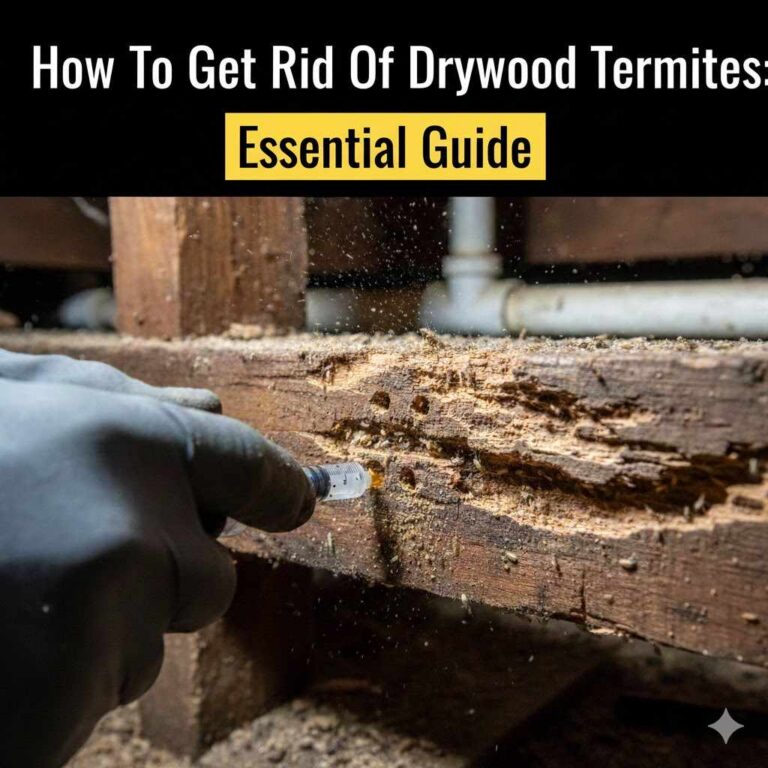
Drywood termites do not need soil to live. They can survive in dry wood. These termites are darker than subterranean ones. Their wings are brown. Swarming happens in late summer or fall. They like to hide in attics or furniture. Look for small pellets near their nests. These are their droppings. Drywood termites can be tricky to find. Listen for a tapping sound in the wood.
Preventive Measures
Reducing moisture sources is crucial in preventing termites. Termites love damp places. Fix leaky pipes quickly. Ensure proper drainage around your home. Use gutters to direct water away. Keep your home dry and airy. Check the basement often for dampness. Dry places keep termites away.
Regular Home Inspections
Inspect your home regularly. Look for signs of termites. Check the floors and walls. Watch for damaged wood. Termites leave wings behind. Find termite wings on the floor? Act fast. Call an expert if needed. Early action prevents damage. Regular checks keep your home safe.
Credit: safeguardpestcontrol.com.au
Treatment Options
Experts use chemicals to kill termites. These chemicals are strong. Termites do not like them. Professionals spray them around your home. Termites stay away from treated areas. This stops them from spreading. Safety is important. Keep pets and kids away from treated spots. Follow instructions carefully. Calling a professional is best for this.
Some people prefer natural ways. Borax powder can help. It harms termites. Spread it where you see them. Orange oil is another choice. It smells nice but termites hate it. Nematodes are tiny worms. They eat termites. You can buy them online. Use them in your garden. Natural choices are safe for pets and kids.
When To Seek Professional Help
Spotting termite wings on the floor often indicates a nearby infestation. Immediate professional help can prevent further damage. Experts assess and address the issue efficiently, ensuring your home remains safe and secure.
Assessing Infestation Severity
Check for termite wings on the floor. These are signs of termites. Look for small holes in wood and mud tubes. These signs show a bigger problem. Termites can cause a lot of damage quickly. If you see any of these signs, it’s time to act. Acting fast can save your home from damage.
Choosing A Pest Control Service
Find a trusted pest control service in your area. Ask friends or family for recommendations. Check online reviews for honest opinions. Ensure the service uses safe methods for your home. Compare prices and services. Choose a company that fits your budget. Make sure they offer follow-up checks. A good service will ensure termites are gone for good.
Frequently Asked Questions
What Does It Mean When You See Termite Wings?
Seeing termite wings indicates a nearby termite swarm. Termites are searching for a new place to establish a colony. This is a sign of potential infestation and requires immediate attention. Contact a pest control professional to assess and address the situation.
How To Get Rid Of Termite Wings On Floor?
Sweep and vacuum the termite wings promptly. Dispose of them in a sealed bag. Check for termite activity. Consider contacting pest control experts to prevent future infestations. Regular cleaning and inspections help maintain a termite-free environment.
How Long Do Termites Live After They Lose Their Wings?
Termites can live for several years after losing their wings. Worker termites typically survive 1-2 years, while queens may live over a decade. Their lifespan varies by species and environmental conditions. Protect your home from termites by monitoring and controlling infestations promptly.
Should I Worry About Flying Termites In My House?
Flying termites indicate a potential infestation. They can cause significant damage to wooden structures. Act quickly to prevent costly repairs. Consult a pest control expert for assessment and treatment. Regular inspections help maintain a termite-free home. Protect your property by addressing issues promptly.
Ensure your home remains safe and secure.
Conclusion
Termite wings on the floor signal a larger issue. Act quickly to prevent damage. Regular inspections help spot problems early. Sealing entry points keeps termites out. Clean up debris around your home. Consult professionals for severe infestations. Termites can cause costly repairs if ignored.
Protect your home with vigilance. Stay informed and proactive. Your home’s safety depends on it. Regular maintenance saves time and money. Keep your living space safe and termite-free.