What Do Termites Eat Other Than Wood?
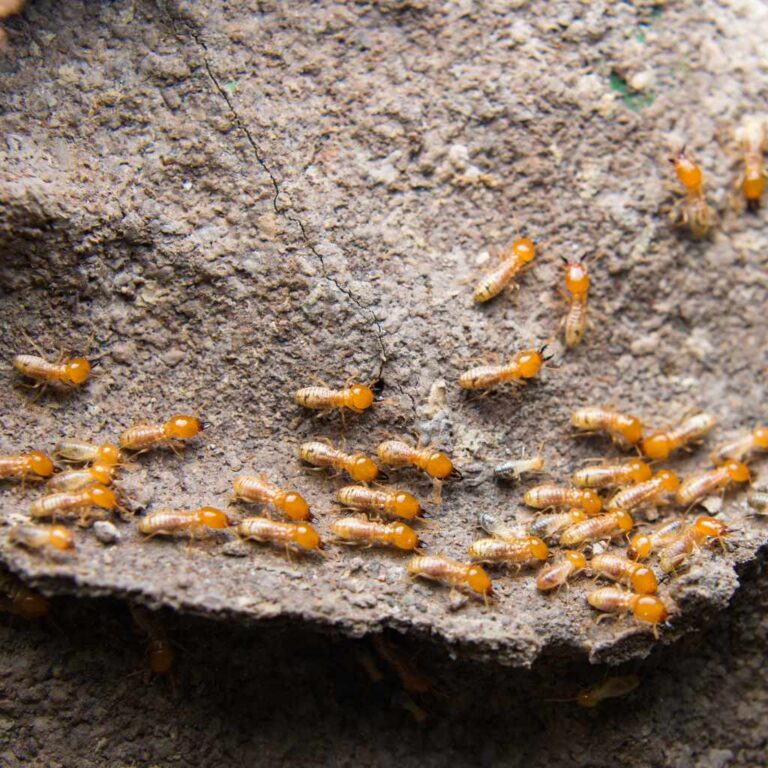
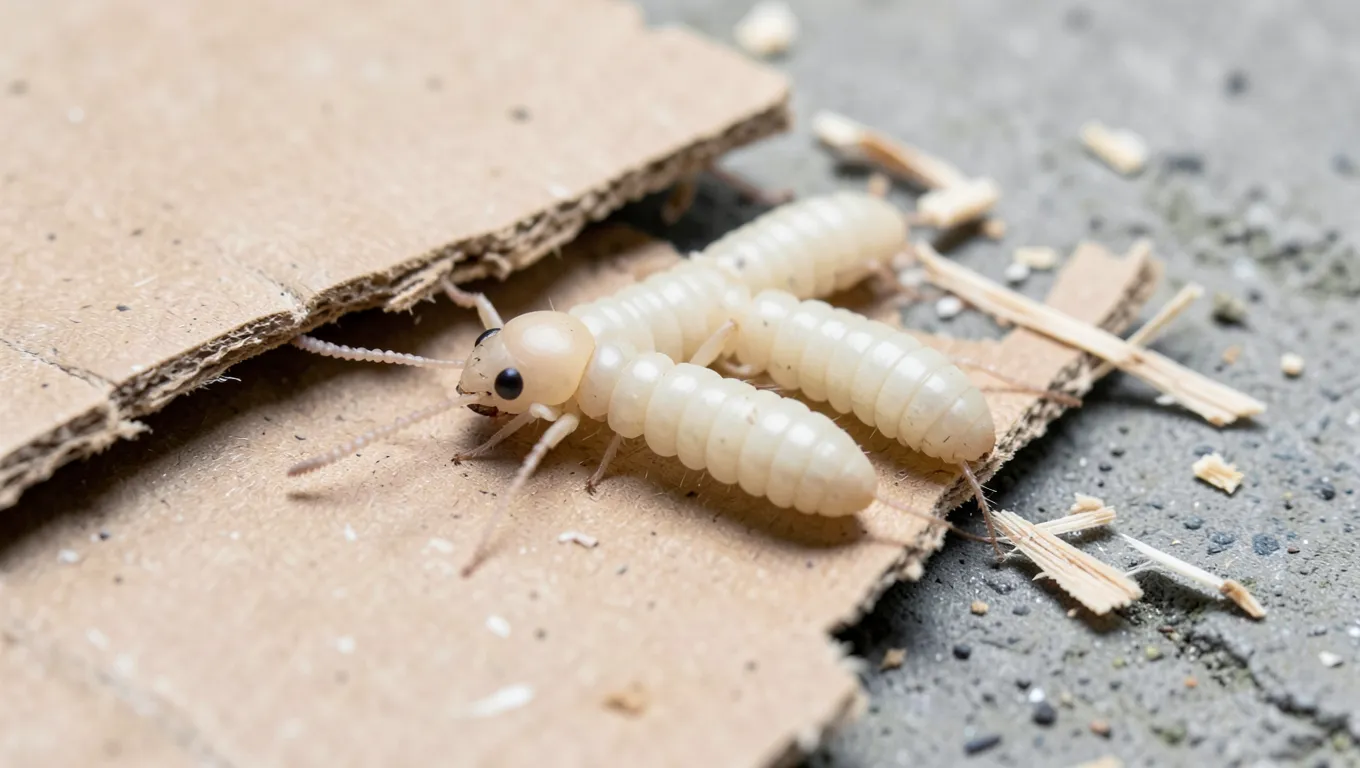
Termites don’t actually eat “wood” – they eat cellulose, the fiber that gives plant cell walls their structure. Wood is just the densest, most common source of it around a house. That’s why termites also go after paper, cardboard, cotton and linen fabric, the paper backing on drywall, and even the paper facing on some rigid foam insulation, while leaving plastic, metal, and concrete alone (though they’ll chew through soft plastic to reach cellulose behind it).
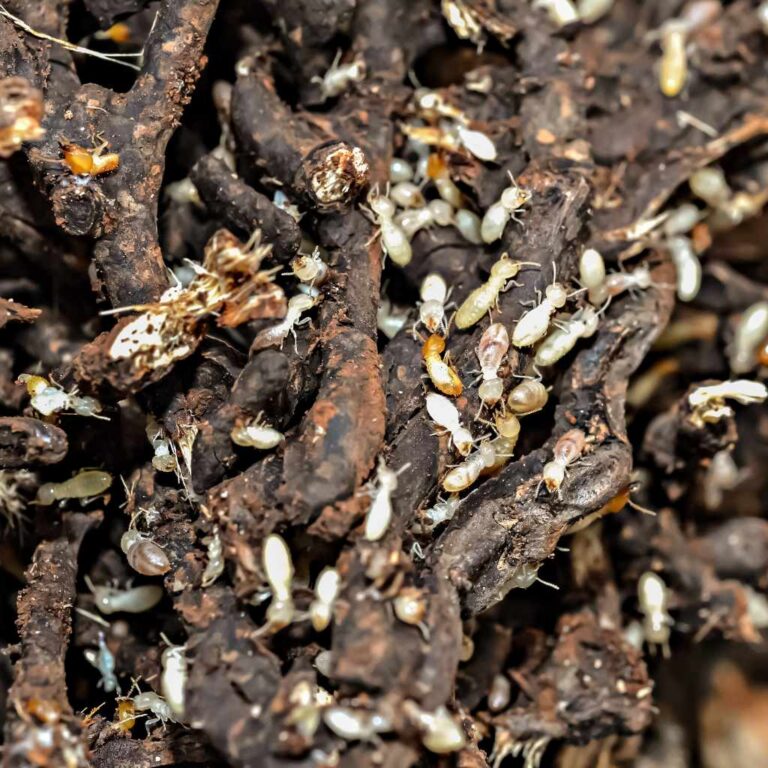
A mature subterranean termite colony can hold anywhere from 60,000 to over a million workers, and a healthy colony can work through roughly a foot of a 2×4 in as little as a month under the right conditions. That’s the scale of the problem once you understand that a stack of cardboard boxes in the attic and a pile of mulch against the foundation are both, biologically, the same meal as your floor joists.
Why Cellulose, Not Wood, Is the Real Target
EARLY WARNING BEFORE THEY REACH THE HOUSE
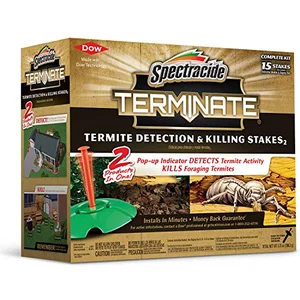 |
Spectracide Terminate Stakes – $56.00 Placed around the foundation’s perimeter, these use a cellulose bait matrix termites prefer over house lumber, flagging activity before it reaches your walls.
|
Cellulose is the fibrous polymer that makes up plant cell walls – it’s what makes a tree trunk rigid and a cotton boll fibrous, and it’s the most abundant organic compound on Earth. Termites can’t actually digest it on their own; they rely on protozoa and bacteria living in their gut to break cellulose down into sugars they can absorb. Lose those gut microbes (which happens to a termite molting or under some pesticide treatments) and the termite starves even while surrounded by food. That single dependency is also why bait systems built around slow-acting growth regulators work: a termite exposed to bait carries the compound back to the colony and disrupts molting long before it seems to affect the individual insect.
Non-Wood Items Termites Actually Eat
Paper, Cardboard, and Books
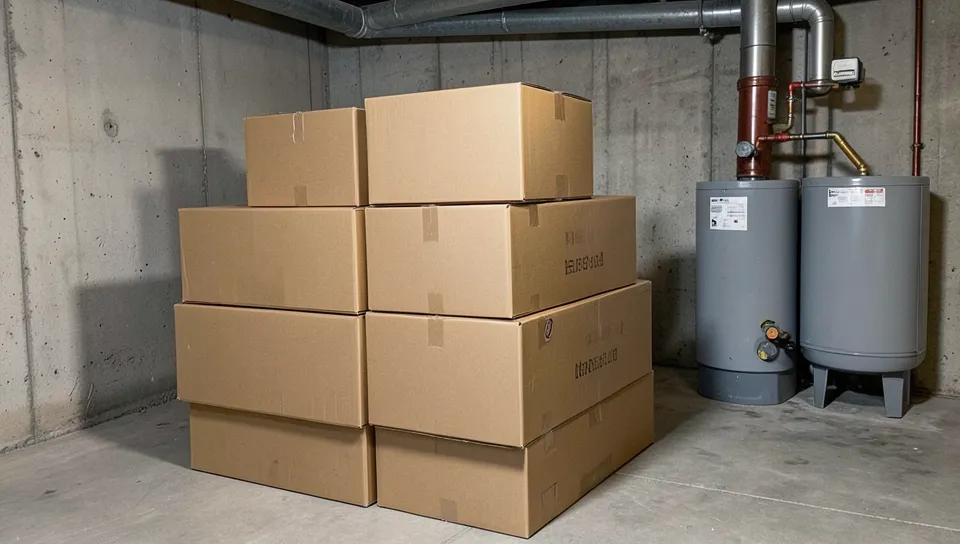
Paper is wood pulp with the lignin mostly removed, leaving nearly pure cellulose – which makes it easier for termites to break down than solid wood, not harder. Cardboard boxes stored directly on a basement or garage floor are a classic entry point. Drywall paper backing is a special case worth calling out: termites can’t touch the gypsum core, but they’ll hollow out the paper facing on both sides of a wall from the inside, which is exactly why drywall damage from termites often isn’t visible until you press on the wall and it feels soft or springy.
Cotton, Linen, and Rayon Fabric
Plant-based fibers are cellulose by definition. Cotton and linen stored in a damp basement or garage are at real risk, and rayon – a semi-synthetic fiber made from purified wood-pulp cellulose – is just as vulnerable despite feeling synthetic. Polyester and nylon aren’t food, but a termite tunneling toward a cellulose source on the other side of a fabric barrier will chew straight through it anyway.
Insulation and Composite Building Materials
Fiberglass insulation itself isn’t food, but the craft-paper or foil-paper facing on batts is. Rigid foam board (XPS/EPS) isn’t cellulose either, but termites tunnel through it anyway, using the soft foam as a moisture-protected highway toward wood framing – pest control inspectors specifically check foam-insulated foundations for this because the tunneling is invisible from outside the foam. Particleboard and OSB, meanwhile, are often eaten faster than solid lumber because the wood is already broken into small particles bound with adhesive, which termites can access more easily than dense, intact grain.
Yard and Garden Cellulose
Wood mulch, dead stumps, leaf litter, and compost are all decaying cellulose, and they’re often how a colony gets established near a house long before it ever reaches the structure itself. Mulch piled against a foundation is a double risk: it’s both food and a moisture-retaining bridge that shortens the distance from soil to siding.
| Item Category | Examples | Termite Risk |
|---|---|---|
| Wood products | Framing lumber, furniture, firewood, fences | Primary food source, dense cellulose |
| Paper products | Cardboard, books, drywall paper backing | Processed cellulose, often easier to eat than solid wood |
| Plant fabrics | Cotton, linen, rayon | Pure cellulose fiber |
| Insulation facings | Paper-faced batts, foam board tunnels | Facing paper is food; foam itself is a moisture-safe tunnel route |
| Yard debris | Mulch, stumps, leaf litter, compost | Decaying cellulose plus moisture near the foundation |
| Plastic, metal, concrete | Pipes, siding, foundations | Not food; termites tunnel through soft plastic only to reach food behind it |
Signs of Termite Damage on Non-Wood Materials
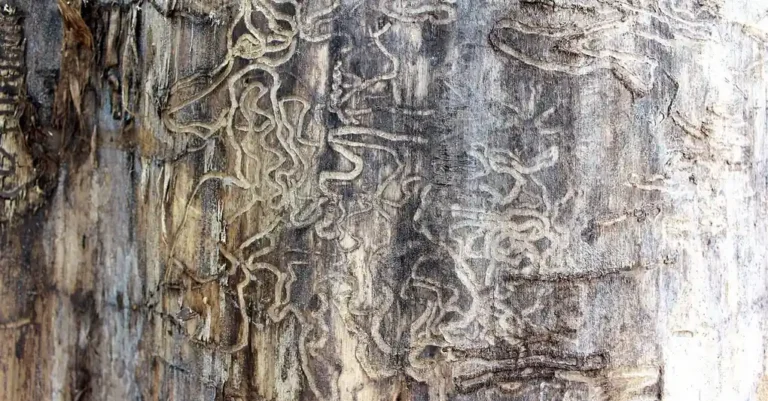
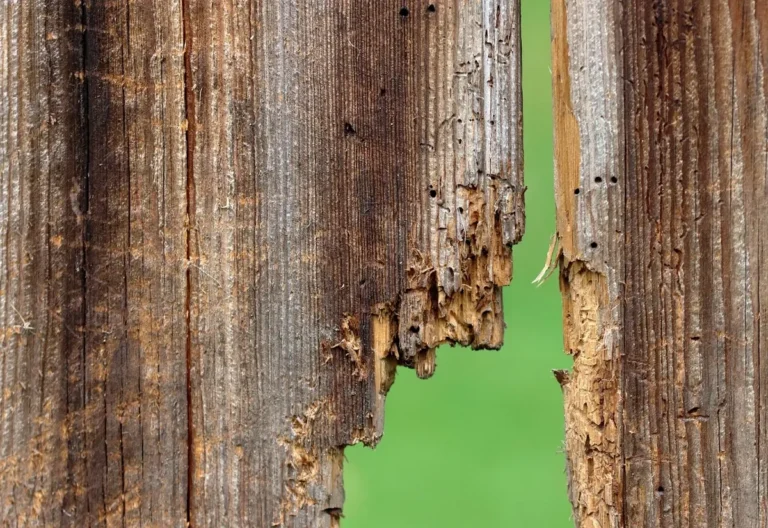
Damage to paper, fabric, and drywall reads differently than the classic hollowed-wood-and-mud-galleries look most people picture.
- Soft or papery drywall: Press gently along baseboards and around plumbing penetrations – if it gives like wet cardboard instead of feeling solid, the paper facing is likely already eaten through in that spot.
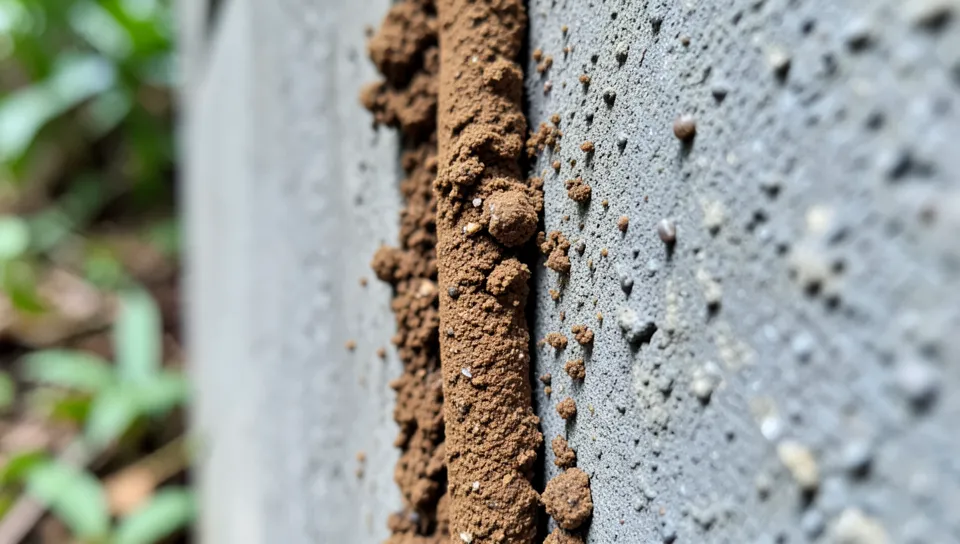
- Mud tubes: Subterranean termites build pencil-width tubes of soil, saliva, and waste to travel from the ground to a food source while staying protected from open air. Finding one on a foundation wall, even a short dead-end one, confirms an active colony nearby.
- Discarded wings: A pile of identical, uniform wings on a windowsill after a swarm (usually spring, sometimes fall) is a termite-specific signal – ants shed wings unevenly and less uniformly.
- Frass: Drywood termites (which don’t need soil contact) push tiny, ridged, sand-like pellets out of small kick-out holes. Finding a small pile of what looks like ground pepper or sawdust under an item is a strong drywood termite signal, distinct from the mud tubes of subterranean species.
Materials Termites Actually Won’t Eat
| Material | Termite-Proof? | Why |
|---|---|---|
| Concrete & steel | Yes | No cellulose – though termites exploit hairline cracks as small as 1/64 inch to pass through, not to eat |
| Pressure-treated wood | Highly resistant | Chemical treatment is toxic to termites and decay fungi |
| Cedar & redwood heartwood | Naturally resistant | Natural oils and extractives repel, though not immune long-term |
| Untreated pine, spruce, fir | No – preferred food | Softwoods are a primary target for most termite species |
| Plastic & vinyl | Not eaten, but not a barrier | Indigestible, but termites chew through soft plastic to reach food behind it |
Cutting Off Every Food Source, Not Just the Lumber
Because termites will eat almost anything with cellulose in it, wood treatment alone doesn’t fully protect a house. A complete prevention plan has to address every category above:
- Break wood-to-soil contact: Keep at least 6 inches of clearance between soil and any wood siding, steps, or trim.
- Move firewood and lumber: Store it 20+ feet from the house, off the ground, not stacked against a wall or foundation.
- Pull mulch back from the foundation: Leave 12-18 inches of bare ground or switch to rubber/gravel mulch within that zone.
- Control moisture: Fix leaking spigots and AC condensate lines, and route gutters/downspouts well away from the foundation – termites need consistent moisture as much as they need food.
- Seal foundation cracks and utility penetrations: Even hairline gaps give subterranean termites a path in.
- Store paper and fabric off the floor in sealed plastic bins, not cardboard, in basements, attics, and garages.
- Get a professional inspection annually – a trained inspector catches mud tubes and frass in crawlspaces most homeowners never check.
Frequently Asked Questions
Do termites eat plastic?
No, plastic has no nutritional value to termites and they can’t digest it. They will chew through soft plastic or vinyl if it’s blocking their path to a cellulose source on the other side, which is why cracked plastic conduit or irrigation tubing near a colony sometimes shows bite damage.
Can termites eat through concrete?
No. Concrete has no cellulose, but subterranean termites can pass through a crack as narrow as 1/64 inch, which is why sealing foundation cracks and expansion joints matters even though the concrete itself is never at risk.
Are there woods termites won’t eat?
Cedar and redwood heartwood contain natural oils that make them naturally resistant, and pressure-treated lumber is chemically toxic to termites. Neither is fully immune long-term, but both are far less preferred than untreated pine, spruce, or fir.
How do I tell termite damage from water damage?
Water damage tends to show diffuse staining, peeling paint, or mold. Termite damage to drywall often looks similar but the surface feels soft, papery, or hollow when pressed. Mud tubes, discarded swarmer wings, or ridged pellet frass are the signs unique to termites.
Do termites only infest old houses?
No. A colony only needs cellulose, moisture, and shelter, which new construction provides just as well as an old house, especially with lumber, cardboard packaging, and form-board scraps often left buried or stacked on job sites.
I found termites in my yard. Does that mean my house is infested?
Not automatically. Termites in a dead stump or mulch pile are common and don’t confirm indoor activity, but a large colony that close significantly raises the odds it eventually finds its way in. It’s a reasonable trigger for a professional inspection rather than a wait-and-see approach.
Bottom Line
Termites are cellulose eaters, not wood specialists, which means real prevention covers cardboard, fabric, insulation facing, and yard debris right alongside the lumber in your walls. Cut off wood-to-soil contact, control moisture, keep paper and fabric off basement floors, and use detection stakes or an annual inspection to catch a colony before it reaches the structure. A termite that never finds an easy meal near your foundation is a termite that never gets inside at all.
Sponsored / affiliate links. As an Amazon Associate I earn from qualifying purchases. I may earn additional commission from eligible campaigns.