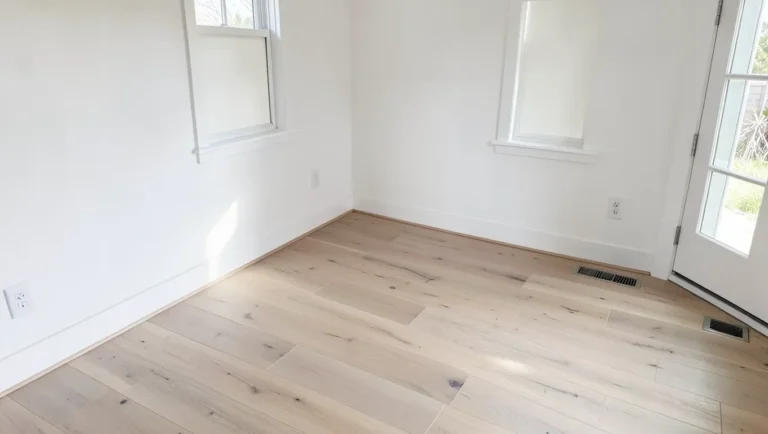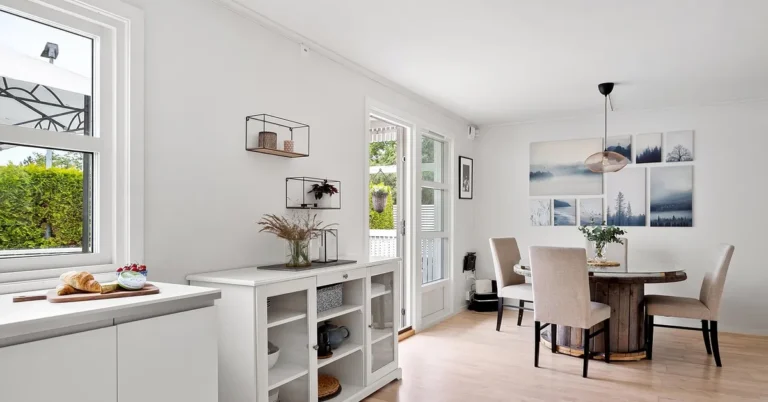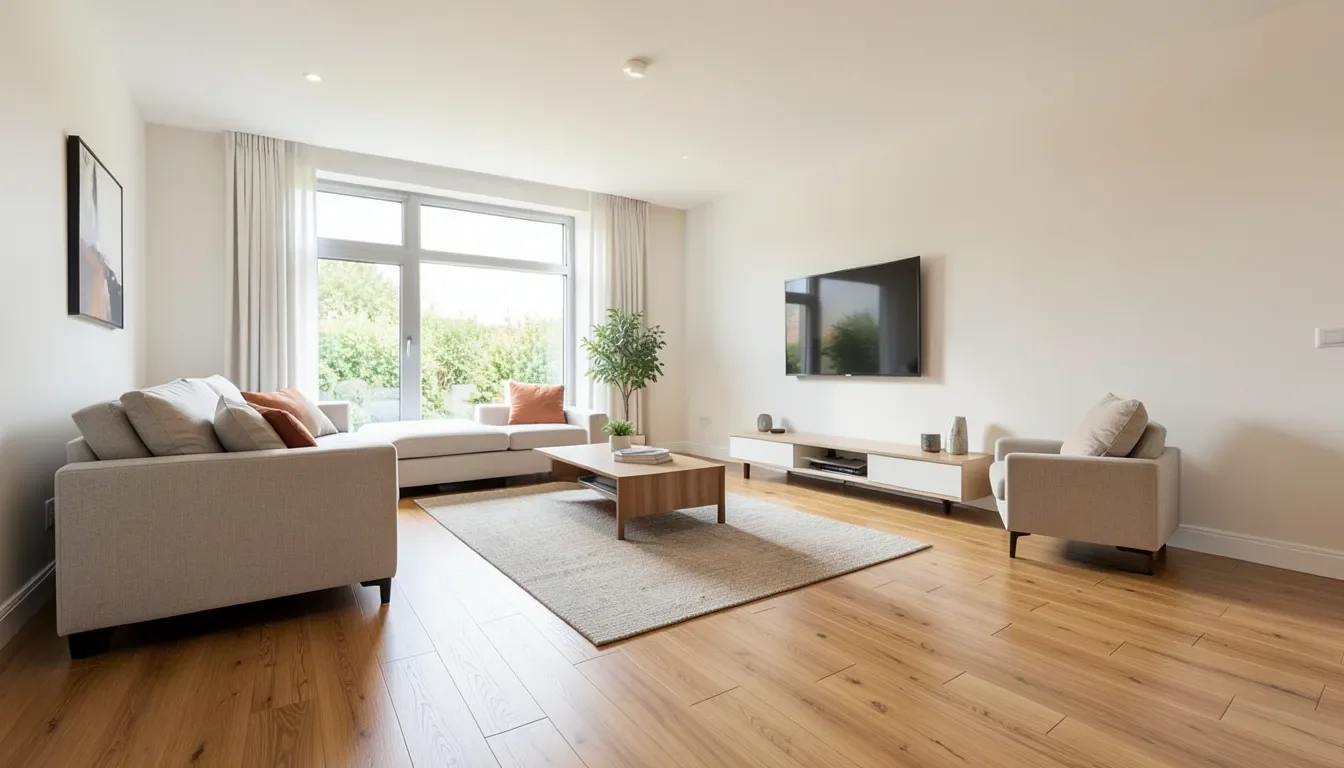
Valencia Oak Flooring: Laminate, Vinyl, or Real Wood? How to Tell
If you have seen “Valencia Oak” on a flooring aisle sign or a retailer’s website, do not assume you already know what it is made of. It is not one product from one company. Depending on where you found it, “Valencia Oak” could be a budget laminate sold at Lowe’s, a real oak-veneer engineered hardwood from a specialty flooring retailer, or a vinyl plank listing that borrows the same name. Below is what each version actually is, the real specifications on the most common one, and how to check which type is under your feet before you buy or install.
What “Valencia Oak” Actually Means
“Valencia Oak” is a color and pattern name, not a construction category. Several flooring companies have used it for completely different products:
- allen + roth / Style Selections (sold at Lowe’s): a laminate plank with a wood-look photographic layer.
- Palmetto Road, Riviera Collection “Valencia”: a sliced-face engineered hardwood with a real oak veneer.
- Artistry Flooring “Valencia Oak”: an engineered hardwood built on a 4-layer balanced core.
- INOVAR Flooring: a separate AC4-rated laminate line, sold under the same name internationally.
That is the same situation as a paint swatch called “Harvest Gold” showing up in both an oil-based and a latex formula. The name tells you the color story a brand is going for, not what is actually holding the plank together. If a listing just says “Valencia Oak” with no other detail, check the product’s own construction spec before you buy, not the collection name.
Best For Click-Lock Installation
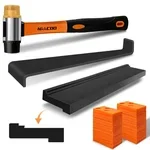 |
NAACOO Universal 4-in-1 Floor Installation Kit – $19.99 Whichever version of Valencia Oak you end up with, laminate, vinyl, or engineered, this kit handles the same floating click-lock install.
|
The Lowe’s allen + roth Valencia Oak Laminate
When most people search “Valencia Oak flooring,” this is the product they have actually seen: the allen + roth / Style Selections laminate carried at Lowe’s. It is worth knowing the real specs before you compare it to anything else:
- Wear rating: AC3, rated for all normal residential traffic and light commercial use
- Thickness: sold in 8mm and 12mm versions
- Plank size: roughly 8.03 in wide by 47.63 in long
- Coverage: about 21.26 sq ft per carton
- Water resistance: marketed 24-hour water resistant technology, meaning a spill wiped up within a day should not damage the core
- Installation: angle-tap, floating click-lock, no glue or nails needed
- Warranty: 30-year residential warranty
Structurally, this is a laminate: a high-density fiberboard core topped with a printed photographic layer of oak grain, sealed under a clear melamine wear layer. There is no wood veneer anywhere in the plank. The “24-hour water resistant” claim describes the core’s swelling resistance, not a waterproof product, so standing water left overnight is still a real risk to the seams.
When “Valencia Oak” Means Engineered Hardwood
Away from Lowe’s, “Valencia” shows up on genuinely different construction. Palmetto Road’s Riviera Collection includes a “Valencia” color with a sliced face and a saw-mark finish in a medium, multi-tone oak look. Artistry Flooring sells its own “Valencia Oak” as an engineered hardwood built on what it calls an Optima four-layer balanced core, with random-length planks running from 23 to 86 inches.
Both of those are real wood on the surface. Engineered hardwood bonds an actual oak veneer, thin but genuine wood, to a plywood or HDF core, instead of printing a photograph of oak grain the way laminate does. That difference matters for refinishing: a laminate’s printed layer cannot be sanded, while an engineered floor’s real veneer usually can be lightly refinished at least once, depending on how thick that top layer is. For the full breakdown of what is actually inside an engineered plank and how to tell veneer thickness before buying, see our guide on whether engineered hardwood counts as real wood.
How to Tell Which Type You’re Buying (or Already Have)
Do not rely on the “Valencia Oak” name by itself. Instead, look for one of these three spec markers on the product label or listing:
- An AC rating (AC1 through AC5): this only applies to laminate. If you see it, you are looking at a printed wear layer, not real wood.
- A wear-layer thickness in mils: this is how LVP and other vinyl planks are rated. It is a fully synthetic product with a printed vinyl surface, waterproof but with zero wood content.
- A species and veneer or ply thickness: this is how engineered and solid hardwood are specified. If the listing names a wood species and a veneer or board thickness, real wood is part of the plank.
If you already have flooring installed and are not sure which one it is, check a cut edge or a spare plank from the original box. A laminate edge shows a uniform brown fiberboard core with no wood grain running through it. An engineered hardwood edge shows a visibly thinner layer of real wood grain sitting on top of a plywood-style core. If the listing you are comparing against is specifically labeled vinyl plank or LVP, our side-by-side on LVP versus engineered hardwood covers the water resistance, feel-underfoot, and resale differences in more depth.
It also helps to keep the leftover carton or box label from whatever “Valencia Oak” you buy. Retailers reuse collection names across product refreshes, and the specific SKU or item number on the box, not the color name printed on the front, is what a store’s customer service or a future buyer will need to match replacement planks years later.
Installing a Click-Lock Valencia Oak Floor
Nearly every version of Valencia Oak, laminate, vinyl, and most of the engineered listings, uses the same floating click-lock or angle-tap installation. The planks are not glued or nailed to the subfloor; they lock to each other and float as one connected surface over an underlayment.
Before any of that, let the unopened cartons sit in the room where they will be installed for at least 48 hours, longer if the room runs unusually humid or dry. Laminate and engineered planks both expand and contract slightly with the room’s temperature and moisture, and skipping acclimation is one of the more common reasons a floating floor develops gaps or slight buckling a few weeks after installation. The subfloor also needs to be flat and dry first; a self-leveling compound on low spots and a moisture check on concrete slabs are worth doing before the first plank goes down, since a floating floor will telegraph any dip or hump in the subfloor underneath it.
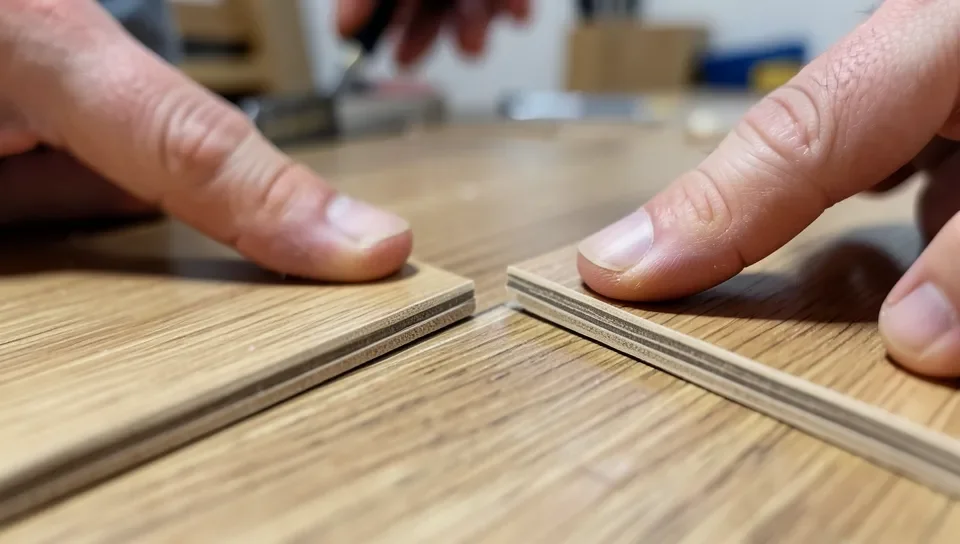
A few practical points that apply across all three construction types:
- Leave a 1/4 to 3/8 inch expansion gap at every wall using spacers, since the floor floats and needs room to move with humidity changes.
- Use a tapping block on the long edge of each plank rather than tapping the plank face directly, or you risk cracking the click-lock profile.
- For laminate and engineered versions, wipe up spills promptly rather than letting water sit, since both have a wood-based core that can swell. Vinyl-based Valencia Oak listings tolerate standing moisture better, but grout-free seams can still let water reach the subfloor over time.
- Damp-mop rather than wet-mop laminate and engineered floors; a flooding amount of water at the baseboards is the most common cause of edge swelling on both.
Frequently Asked Questions
Is Valencia Oak flooring real wood?
It depends on which “Valencia Oak” you bought. The allen + roth version sold at Lowe’s is laminate, a printed image of oak grain over a fiberboard core, so it is not real wood. Palmetto Road’s and Artistry Flooring’s “Valencia” lines are engineered hardwood, which does have a real oak veneer bonded to the surface.
What is Valencia Oak’s AC rating?
The allen + roth Valencia Oak laminate carries an AC3 rating, suited for all normal residential traffic and light commercial use. AC ratings only apply to laminate; engineered and vinyl versions of Valencia Oak are not AC-rated at all.
Can I install Valencia Oak flooring myself?
Yes. Both the laminate and most engineered versions use a floating click-lock system designed for DIY installation, with no glue or nails required. A tapping block, pull bar, and spacer kit is enough to handle the job for a standard room.
How do I know if my Valencia Oak floor is laminate or engineered hardwood?
Check a cut edge or a leftover plank from installation. A laminate edge is a uniform fiberboard color with no visible wood grain inside it. An engineered plank shows a distinct, thinner layer of real wood grain sitting on top of a plywood-style core.
Conclusion
“Valencia Oak” is not a single product, so the most useful thing you can do before buying is ignore the name and check the construction spec directly: an AC rating means laminate, a wear-layer mil thickness means vinyl, and a listed species or veneer thickness means real wood is involved. Once you know which one you are looking at, the installation and care steps above apply the same way regardless of which brand’s “Valencia Oak” ended up in your cart.
Sponsored / affiliate links. As an Amazon Associate I earn from qualifying purchases. I may earn additional commission from eligible campaigns.