What Color Is Cherry Wood? The Pink-to-Reddish-Brown Timeline
Cherry wood starts out light pinkish-tan and deepens into a rich reddish-brown within 3 to 12 months of light exposure — sunlight speeds the change, so boards near a south-facing window can visibly darken within weeks. Stain or pair finishes before that shift finishes and the color mismatch shows for years. This guide covers the full color timeline, how cherry’s heartwood differs from its cream sapwood, and how its color and 950 Janka hardness compare to oak and walnut.
Quick Answer
Cherry wood is light pinkish-tan when freshly milled, and its heartwood darkens to a deep reddish-brown over 3 to 12 months of UV exposure while the sapwood stays pale cream. Full color maturity — a rich, dark reddish-brown close to aged walnut — typically takes 3 to 5 years under normal indoor light.
What Color Is Cherry Wood, Really? (Heartwood vs. Sapwood)
Best Cherry Wood Finish Pick
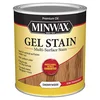
Minwax Gel Stain for Interior Wood Surfaces, Quart, Cherry Wood
A surface-sitting gel formula built to lay down even reddish-brown color on cherry’s blotch-prone grain without a pre-stain conditioner step.
- Best for: matching or deepening cherry’s reddish-brown color evenly
- Why we picked it: gel stains resist the blotching liquid stains cause on tight-grained cherry
- Main drawback: slower to apply than a wipe-on stain, needs a rag buff between coats
Compare more cherry wood finishing options
 Option 1 Varathane Pre-Stain Wood Conditioner
|
 Option 2 Minwax Gel Stain, Cherry Wood, Quart
|
 Option 3 Minwax Stain Marker, Cherry, 2-Pack
|
As an Amazon Associate we earn from qualifying purchases.
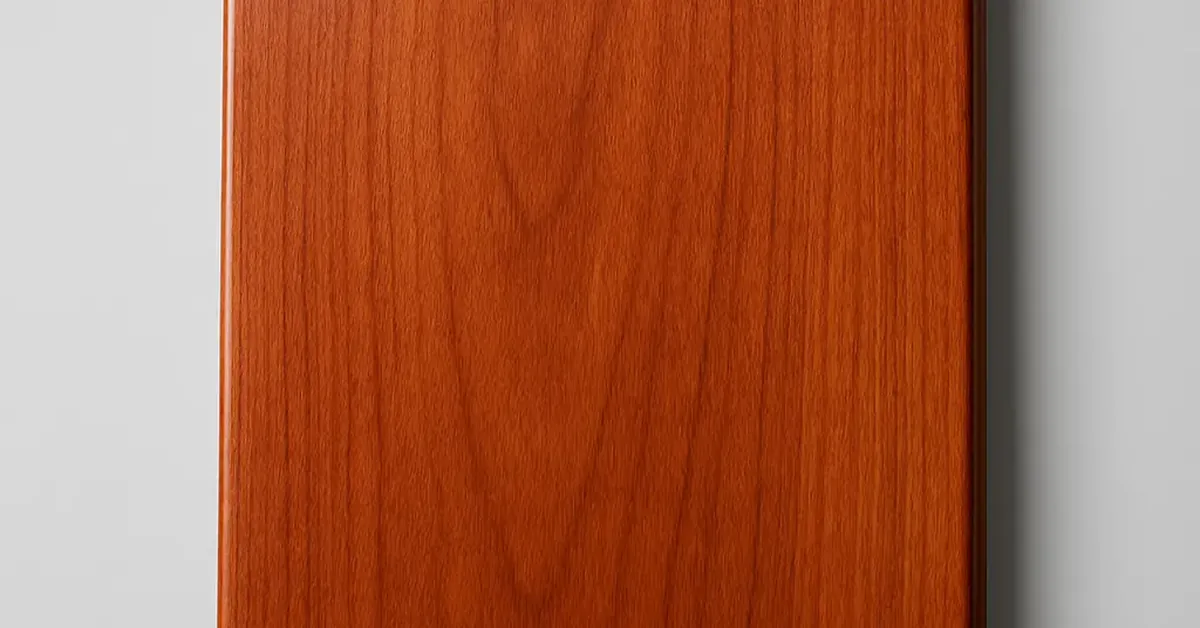
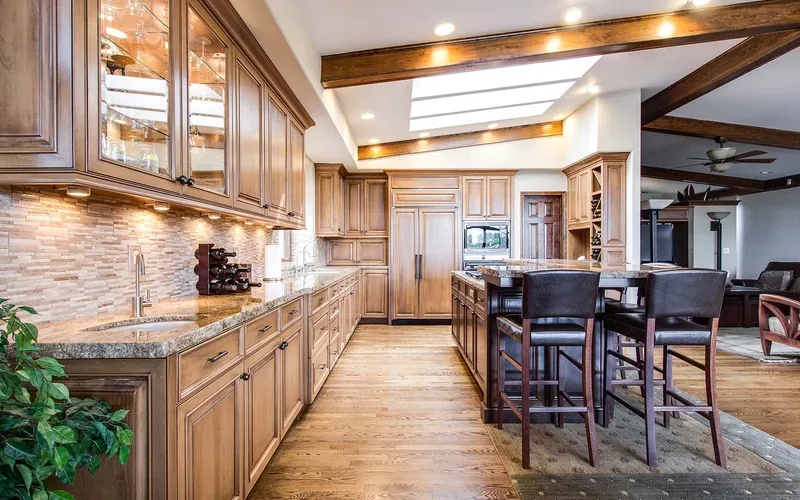
Cherry heartwood is a reddish-brown hardwood that starts light pinkish-tan when freshly milled and deepens with light and oxygen exposure. Cherry sapwood, by contrast, stays a pale creamy-yellow and never develops the reddish patina the heartwood does. Seeing both tones on the same board is normal in cherry — it is not a defect, and most furniture-grade boards are cut to minimize how much sapwood shows.
This is also why two cherry boards from the same tree can look different in a showroom: one may be freshly milled heartwood (light and pink-toned) while another has already spent months under shop lighting or a store window.
How Cherry Wood’s Color Changes Over Time
Cherry is photosensitive — its heartwood pigments react to UV light and oxygen, which is why the same board looks completely different at six months than it did the day it was milled. The table below tracks the typical progression under normal indoor light.
| Time Since Milling | Typical Color | What’s Happening |
|---|---|---|
| Day 1 (fresh cut) | Light pinkish-tan to pinkish-brown | Heartwood pigments haven’t oxidized yet |
| 2–4 weeks | Salmon-orange | UV and oxygen start reacting with the wood’s natural extractives |
| 3 months | Light chocolate-red / medium reddish-brown | Oxidation deepens the surface layer further |
| 6–12 months | Deep reddish-brown | The most dramatic shift happens in this window, especially in sunlit rooms |
| 3–5 years | Rich, dark reddish-brown (near aged walnut) | Darkening slows sharply but continues subtly |
Light exposure — not just time — drives the pace. A board in a sunny, south-facing room with unfiltered light can noticeably darken within weeks, while the same board in a north-facing hallway ages far more slowly. Woodworkers sometimes rotate boards or cover sections during a build specifically to avoid an uneven tan line once the piece is finished. See our breakdown of how long cherry wood takes to darken for room-by-room lighting scenarios.
Cherry Wood Color Compared to Other Popular Woods
Color is only half the comparison — hardness affects how the finished piece wears, and cherry sits in the middle of the pack. Its 950 Janka hardness rating makes it softer than red oak or hard maple but harder than black walnut.
| Wood | Typical Color | Janka Hardness (lbf) |
|---|---|---|
| Cherry | Light pink aging to reddish-brown | 950 |
| Black Walnut | Chocolate brown | 1,010 |
| Red Oak | Light brown with pink/reddish undertones | 1,290 |
| Hard Maple | Pale cream to blonde | 1,450 |
Because red oak already carries pink and reddish undertones, it’s the wood most often confused with cherry at a glance — but oak’s open, prominent grain and higher hardness give it away up close. For a direct side-by-side, see our cherry vs. mahogany color comparison.
How to Tell If a Piece Is Real Cherry Wood
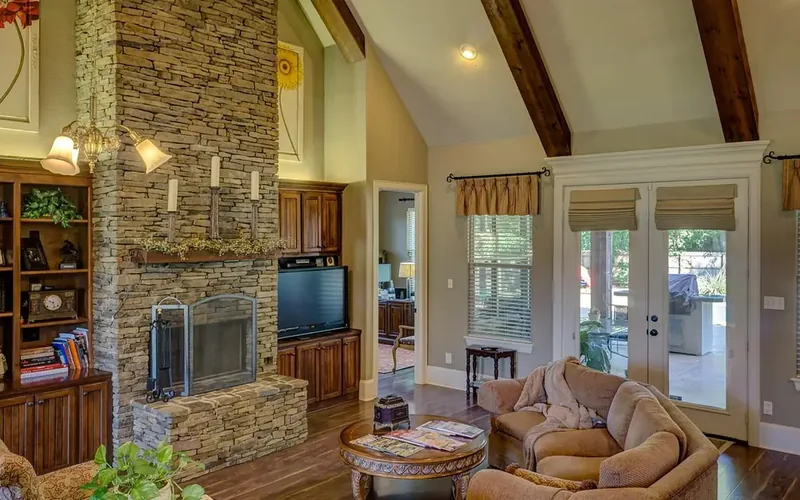
Color alone isn’t proof — plenty of stains are labeled “cherry” on woods that aren’t. Look for these traits together:
- Fine, straight grain: cherry’s grain is tight, smooth, and mostly straight, closer to maple than to open-grained oak.
- Pith flecks: small brown streaks (old insect tracks) scattered through the board — a normal characteristic, not a defect.
- Gum pockets: occasional small dark mineral spots where sap once collected; they can telegraph through a clear finish.
- Heartwood/sapwood contrast: a sharp line between reddish-brown heartwood and pale cream sapwood on the same board.
- Moderate weight: noticeably lighter in hand than oak or hard maple, consistent with its 950 Janka rating.
For a full walkthrough with side-by-side photos, see our guide on how to identify cherry wood.
Frequently Asked Questions
Is cherry wood red or brown?
Neither on its own — cherry is a reddish-brown blend, not pure red or pure brown. Fresh-cut boards lean pink-tan, and as the heartwood oxidizes it settles into a warm reddish-brown that keeps a visible red undertone even at its darkest, several-year-old stage.
Is cherry a dark or light wood?
Both, depending on age. Freshly milled cherry is a light-to-medium wood with a pinkish-tan cast. After 6 to 12 months of light exposure it reads as a medium-dark reddish-brown, and after several years it can look nearly as dark as walnut.
What color is closest to cherry wood?
Aged red oak and Honduran mahogany are the closest natural matches, since both carry reddish undertones — though oak’s grain is more open and mahogany runs darker even when fresh. A cherry-toned gel stain over birch or poplar is the closest match if you’re matching a different wood species.
How can you tell if wood is cherry?
Look for fine, straight grain, small brown pith flecks, occasional dark gum pockets, and a clear color line between the reddish-brown heartwood and pale cream sapwood. Weight is a tell too — cherry feels noticeably lighter in hand than oak or hard maple.
Does cherry wood get darker over time, and how long does it take?
Yes. Most of the color change happens in the first 3 to 12 months of light exposure, with a south-facing room accelerating the shift within weeks. The wood keeps deepening more slowly for another few years before the color largely stabilizes around the 3 to 5 year mark.
Cherry wood’s color is never really finished — a board that looks pinkish-tan on delivery day will read as a deep reddish-brown a year later, which is exactly why so many buyers think they were sold the wrong wood. Judge cherry by its grain, weight, and pith flecks, not by the color on day one, and give any stain match at least a few months before calling it off.
Sponsored / affiliate links. As an Amazon Associate I earn from qualifying purchases. I may earn additional commission from eligible campaigns.