What Does Cedar Wood Smell Like?
Cedarwood smells warm, woody, and balsamic-sweet — closer to a cedar chest or a sharpened pencil than a flower — with a dry, camphor-like edge that varies by species. Confuse the wood’s natural scent with cedarwood essential oil and expect something stronger, since the oil is steam-distilled and far more concentrated. This guide covers cedar’s scent layers, its five common types, the chemistry behind why it lasts for decades, and how to revive it once it fades.
What Does Cedar Wood Actually Smell Like?
Best Cedar Scent Revival Pick
Cedar Oil – Giles and Kendall, Restores Original Aroma (8 oz) – $29.40
This is the same style of pure cedarwood oil described in the revival steps below — a thin coat on sanded cedar brings the scent back without changing the wood’s color.
- Best for: Reviving faded cedar chests, closets, and drawer liners
- Why we picked it: Purpose-made for cedar (not a generic multi-wood oil), so it won’t mask the natural scent with added fragrance
- Main drawback: A little goes a long way — over-applying can leave the wood feeling oily to the touch
Compare more cedar scent options
 Option 1 Cedar Oil 8 OZ CAN – $28.99
|
 Option 2 Red Cedar Wood Chip Shavings (2-Pack) – $29.88
|
 Option 3 Cedar Spray w/ Lavender Extract (32 oz) – $39.95
|
As an Amazon Associate we earn from qualifying purchases.
Break the scent down and three layers show up in almost every piece of cedar wood. The base is dry and woody — not a damp forest smell, but the clean, polished scent of a well-kept antique store or fresh construction lumber. Layered on top of that is a warm, slightly sweet note, more resinous than sugary, closer to a hint of honey or amber than vanilla. That warmth is what makes a cedar-lined closet feel cozy instead of just functional.
Finally there’s a balsamic, camphor-like edge — a crisp, faintly medicinal sharpness that keeps the scent from feeling heavy, similar to a pine forest right after rain. Some people also pick up a whisper of spice, like a distant echo of clove or cinnamon. The exact balance of these three layers is what separates one cedar species from another, which is why the same word “cedar” can smell noticeably different depending on what you’re actually holding.
Types of Cedar Wood and How Their Scents Differ
Not every wood sold as “cedar” smells the same, and not all of them are true cedars either. Real cedars belong to the genus Cedrus, but several popular North American “cedars” — including Eastern and Western Red Cedar — are technically junipers or arborvitae. The distinction matters less for scent than the species itself does:
| Cedar Type | Typical Use | Scent Profile | Scent Strength |
|---|---|---|---|
| Eastern Red Cedar (a juniper) | Closet linings, chests, drawer liners | Sharp, pungent, slightly spicy — the classic “cedar chest” smell | Strong |
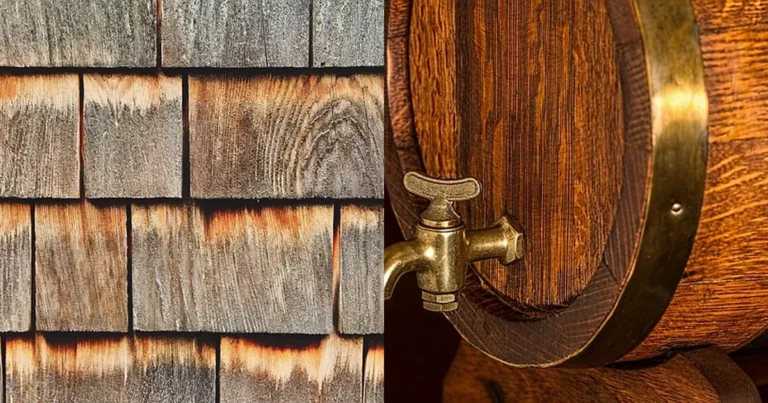
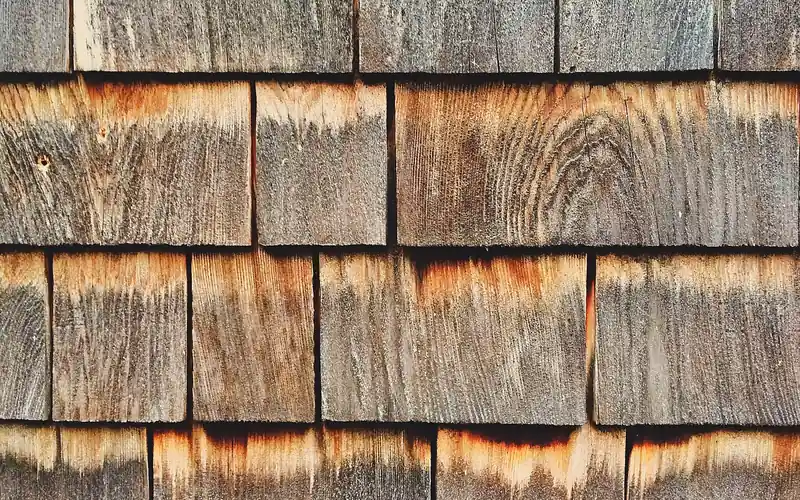
| Western Red Cedar | Siding, decking, outdoor furniture, saunas | Softer and sweeter, more earthy, less sharp | Medium |
| Spanish Cedar | Humidors, fine furniture, boat interiors | Spicy and peppery with a “cigar box” character | Strong |
| Atlas Cedarwood | Essential oils, perfumery | Warm, creamy, and balsamic without the sharpness of Red Cedar | Medium |
| Northern White Cedar | Fences, shingles, log cabins | Mild, clean, and subtly sweet | Light |
For a moth-repellent chest or closet, Eastern Red Cedar’s strong, pungent oils do the most work. For an outdoor bench or sauna, Western Red Cedar’s softer profile is more pleasant at close range for long periods. Whichever type you’re working with, that fragrance fades as the surface oxidizes — a light application of pure cedarwood oil, the same product used to redress cedar closets and chests, restores it within minutes.
Why Cedar Smells This Way (and Lasts for Decades)
Cedar’s scent isn’t decorative — it’s a defense mechanism the wood produces to protect itself from insects and decay, and we just happen to find it pleasant. The two compounds most responsible are cedrol, a sesquiterpene alcohol that gives cedar its sweet, woody character, and cedrene, which adds the sharper balsamic note. Both sit in the heartwood — the dense inner rings — and the wood’s porous cell structure releases them extremely slowly, sometimes over decades. That’s why a cedar chest built by a grandparent can still carry a faint scent today.
📊 USDA Agricultural Research Service scientists tested cedarwood oil against houseflies, ticks, and mosquitoes in lab trials — it killed all three, and also repelled fire ants in Hawaii and the southern U.S. The findings were published in Environmental Entomology (2014) and Hawaiian Entomological Society Proceedings (2015). Eastern Red Cedar, the primary source, is native to 37 U.S. states. — Source: USDA Agricultural Research Service
“It killed them all. It was also repellent against economic pests such as the little fire ant in Hawaii and the red imported fire ant.”
Sanding or cutting cedar exposes new layers of these oil-rich cells, which is why fresh sawdust smells so much stronger than a board that’s been sitting untouched for years — and why the revival method later in this guide works at all.
Practical Benefits of Cedar’s Scent
Beyond smelling good, cedar’s fragrance does real work. The same oils that give it a scent make it a natural deterrent for clothes moths, cockroaches, and silverfish, which is why it’s the traditional choice for hope chests, closet linings, and drawer liners — lining a plain oak or pine drawer with a thin cedar panel adds real pest protection, not just a pleasant smell.
In aromatherapy, cedarwood is associated with reduced stress and easier focus, and plenty of woodworkers notice the difference directly: a shop that smells like fresh-cut cedar is simply more pleasant to work in than one filled with glue and finish fumes. A cedar-lined box or chest also carries that benefit forward — the first whiff when a gift recipient opens it adds a sensory detail that a plain wood box can’t.
Cedar’s Significance Across Civilizations
Cedar’s aroma has carried meaning well beyond furniture and closets for thousands of years. Long before anyone could explain cedrol and cedrene, cultures across the world built rituals, medicine, and mythology around the same scent described above:
| Civilization | Symbolism |
|---|---|
| Ancient Egyptians | Cedar was associated with immortality and used in the embalming process. It was also believed to be a symbol of protection and purification. |
| Native American Tribes | Cedar was considered a sacred tree, often used in ceremonies and rituals. It represented strength, resilience, and connection to the spiritual realm. |
| Chinese Culture | Cedar was associated with longevity and used in traditional Chinese medicine for its healing properties. It symbolized vitality and harmony. |
| European Folklore | Cedar was believed to have protective qualities, guarding against evil spirits and negative influences. It was also associated with abundance and prosperity. |
That long cross-cultural association is part of why cedar still reads as a “premium” material today — the scent has been tied to protection and value for longer than almost any other wood in common use.
How to Revive the Scent of Old Cedar Wood
If an old cedar chest or closet has gone quiet, the fragrance almost certainly isn’t gone — it’s sealed under a layer of dust and oxidized wood fiber. This four-step process opens it back up:
- Clean the Surface: Vacuum out all dust and debris, then wipe the wood down with a dry, lint-free cloth. Skip water or chemical cleaners, which can seal in dust and block the scent further.
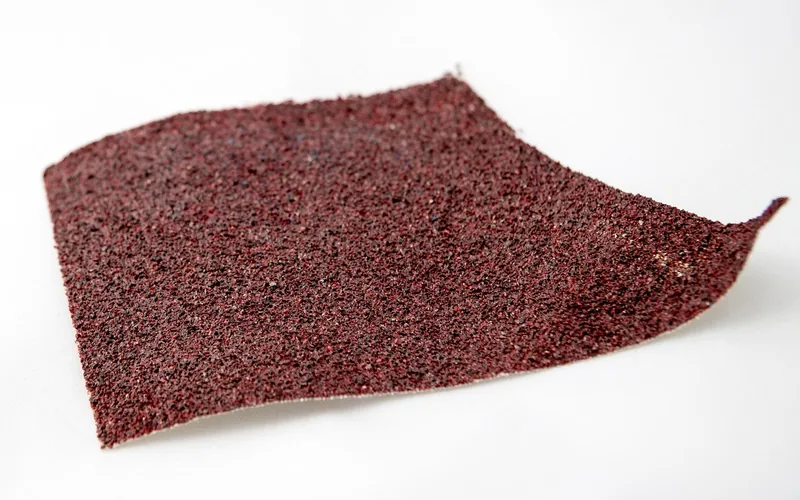
- Sand Lightly with 220-Grit Paper: Sand the interior surfaces just enough to remove the top microscopic layer of wood. This exposes fresh, oil-rich wood underneath and releases fragrance almost immediately.
- Wipe Away the Dust: Clear the fine sanding dust with a tack cloth or a vacuum brush attachment so it doesn’t dull the fresh scent or settle into stored fabric.
- Optional — Add a Drop of Cedar Oil: For an extra boost, wipe on a thin layer of pure cedarwood essential oil and let it absorb for a few hours before returning items to the space.
Cedarwood vs. Other Popular Wood Scents
Cedar isn’t the only wood with a scent worth naming. Comparing it to pine and sandalwood — the two other scents people search for most — makes cedar’s particular character easier to place:
| Wood Scent | Scent Family | Key Notes | Best For |
|---|---|---|---|
| Cedarwood | Woody, balsamic | Dry, warm, slightly sweet with a camphor edge; recalls a sharpened pencil or cedar chest | Closets, chests, grounding/calming spaces |
| Pine | Woody, fresh | Crisp, green, resinous — the classic “Christmas tree” smell | Fresh, energizing spaces |
| Sandalwood | Woody, exotic | Creamy, soft, slightly sweet — more perfume-like than cedar or pine | Calming, spa-like atmospheres |
For perspective on how cedar compares to less resinous woods generally, see this site’s broader breakdown of fragrant wood species.
Frequently Asked Questions
Does Cedar Wood Smell Good?
Yes — cedar wood has a warm, woody scent with balsamic-sweet undertones and a dry, camphor-like edge. Most people describe it as comforting rather than sharp, similar to a cedar chest, a freshly sharpened pencil, or a cigar box. The exact intensity depends on the species and how recently the wood’s surface was cut or sanded.
Why Doesn’t My Old Cedar Chest Smell Anymore?
The fragrance isn’t gone — it’s trapped. Over years, dust and air exposure seal the wood’s surface pores, blocking the oils that carry the scent. A light pass with 220-grit sandpaper opens those pores again and releases fresh fragrance almost immediately, since the aromatic oils sit just below the surface, not only on top of it.
Is the Smell of Cedar Wood Safe for Pets?
Cedar planks and furniture are generally safe to have around dogs and cats. Concentrated cedarwood essential oil is a different matter — it can be harmful if ingested or applied directly to skin, especially for birds and small rodents. Keep pets from chewing raw cedar and check with a veterinarian before using cedar oil around smaller or more sensitive animals.
What’s the Difference Between Cedarwood Essential Oil and the Smell of the Wood?
The wood’s natural scent is a slow, low-level release of aromatic compounds from its heartwood. Cedarwood essential oil is the same compounds extracted through steam distillation into a concentrated liquid, so it smells far stronger and more immediate. Think of it as the difference between an orange peel and a drop of orange extract.
Is Western Red Cedar the Same as Eastern Red Cedar?
No. Eastern Red Cedar (Juniperus virginiana) is technically a juniper with a sharp, pungent, classic “cedar chest” scent, best known for repelling moths. Western Red Cedar (Thuja plicata) has a softer, sweeter smell and is prized instead for its weather resistance in decking, siding, and outdoor furniture.
What Are the Benefits of Smelling Cedar Wood?
Cedar’s scent naturally repels moths, cockroaches, and other pests, which is why it’s used in closets and chests. In aromatherapy, it’s associated with reduced stress and easier focus, and many woodworkers say a cedar-scented shop simply feels more pleasant to work in than one filled with glue and finish fumes.
Conclusion
Cedar’s warm, woody, balsamic-sweet scent comes down to two compounds — cedrol and cedrene — locked in the heartwood and released slowly for decades, which is also why USDA researchers found it potent enough to kill houseflies, ticks, and mosquitoes outright. Whichever cedar species you’re working with, a light sanding and a drop of cedar oil is all it takes to bring a faded scent back to life.
Sponsored / affiliate links. As an Amazon Associate I earn from qualifying purchases. I may earn additional commission from eligible campaigns.