Best Finish for Cedar Wood: Oil vs Stain vs Spar Urethane
For outdoor cedar, use a penetrating oil or an oil-based semi-transparent stain; for indoor cedar, a wipe-on oil or a clear water-based finish works because there is no UV. Spar urethane and other clear film finishes are the classic cedar mistake outdoors: UV passes through the film and the coating cracks. This guide gives coverage, coat and wait numbers from maker data sheets, plus cedar traps like tannin bleed and oily-rag fires.
Why Cedar Wood Needs the Right Finish
Best Cedar Penetrating Oil Pick
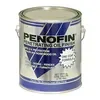 |
Penofin Blue Label Penetrating Oil, Western Red Cedar, 1 Gallon: $70.79 This is the penetrating-oil route from the comparison table below. Penofin’s data sheet lists decks, siding, fences and furniture, and calls for wiping off excess oil after 20 to 30 minutes.
|
As an Amazon Associate we earn from qualifying purchases.
Western red cedar is light and soft. The Wood Database lists it at 350 lbf Janka hardness and about 23 lbs per cubic foot, rates its decay resistance as durable to very durable, and notes it glues and finishes well but dents and scratches easily. That rot resistance is why a finish is optional for survival and a matter of color, moisture control and surface wear.
Durability Without a Finish
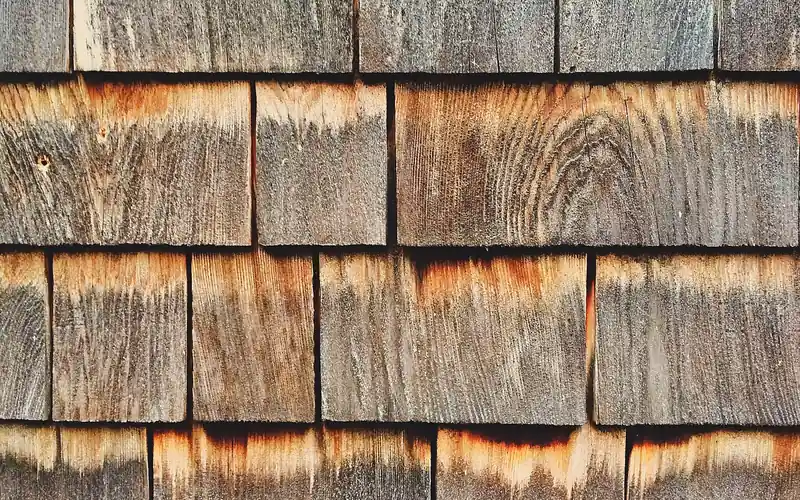
Bare cedar outdoors weathers to silver-gray without rotting the way pine or fir would. The catch is the surface: Bear Creek Lumber’s finishing guide advises against leaving new cedar unfinished for 6 to 12 months if you plan to finish it later, because the weathered surface no longer takes coatings well. If you want the silver look on purpose, skip the finish and keep iron-based fasteners out of it, since the Wood Database warns they can stain cedar in the presence of moisture.
Aromatic and Insect-Repellent Qualities
Cedar’s strong, lingering scent is part of why people choose it for chests and closet linings. A film-forming finish (varnish, polyurethane, paint) seals most of that scent in, so many woodworkers oil interior pieces instead.
Oil vs. Stain vs. Sealer vs. Clear Coat: Full Comparison
Every cedar finish falls into one of six groups, and each behaves differently outdoors and indoors. The table pairs each group with a recoat expectation and the cedar-specific watch-out that decides whether it is worth using.
| Finish type | Where it works | Typical recoat | Cedar-specific watch-out |
|---|---|---|---|
| Clear penetrating oil (Penofin Blue Label is one) | Indoor and outdoor | Clean twice a year, then re-oil only worn areas (Penofin) | Excess must be wiped off after 20 to 30 minutes or it dries tacky; oily rags can self-ignite |
| Oil-based semi-transparent stain (Sikkens Cetol SRD is one) | Outdoor | Light colors may need work every 18 to 24 months on siding (Sikkens) | No second coat on horizontal surfaces; back-brush if sprayed or rolled |
| Water-based semi-transparent stain (Defy Extreme, Thompson’s) | Outdoor | Thompson’s advertises 5 years on decks and 7 on fences and siding; Defy says horizontal boards need maintenance coats sooner | Water-soluble extractives can bleed; test a scrap board first |
| Solid-color stain or paint | Outdoor | Longest interval, set by the coating | Needs a stain-blocking primer first; hides the grain completely |
| Spar urethane or other clear film | Indoor; sheltered pieces only outdoors | Must be sanded or stripped once it cracks | UV passes through the clear film; guides list urethane and varnish as not recommended outdoors on cedar |
| No finish (silver weathering) | Outdoor | None | Turns silver-gray; iron fasteners can stain it; do not leave it bare if you want to finish later |
What the Maker Data Sheets Say
Competing guides mostly repeat “reapply every 1 to 2 years.” The data sheets differ more than that.
| Product | Type | Coverage per gallon | Coats | Dry time |
|---|---|---|---|---|
| Penofin Blue Label | Penetrating oil, non-film-forming | 175 to 300 sq ft | 1; second light coat after at least 4 hours on the two-coat 550 VOC formula | Touch 3 to 4 hours; serviceable 12 hours; full cure 4 to 7 days |
| Sikkens Cetol SRD Translucent | Alkyd (oil-based), mineral spirits cleanup | 200 to 300 sq ft smooth; 100 to 150 rough | 1; none on horizontal surfaces | Touch 2 to 4 hours; walk on after 24 hours |
| Defy Extreme Semi-Transparent | Water-based | About 100 to 150 sq ft with two coats | 1 on dense woods like cedar on horizontal surfaces; 2 wet-on-damp on porous wood | Touch 2 to 6 hours; wait 24 hours before use |
| Thompson’s WaterSeal Semi-Transparent | Not stated on the page | 150 to 400 sq ft | 1 is enough; second optional for color | 2 to 4 hours; never on damp wood, allow at least 48 hours after wetting |
Those coverage numbers change what you buy. Take 400 sq ft of fence boards, counting every face you will coat: Penofin at 175 to 300 sq ft per gallon needs roughly 1.5 to 2.5 gallons, while Cetol SRD at 100 to 150 sq ft per gallon on rough-sawn wood needs roughly 3 to 4.
Is Spar Urethane Good Enough for Outdoor Cedar?
It is the most common wrong answer. Spar urethane is sold for exterior use and has UV absorbers, so it sounds right, but it is still a clear film. The Bear Creek guide says transparent, non-flexible film-forming finishes such as lacquer, shellac, urethane and varnish are not recommended for exterior cedar because UV passes through the film, and the finish eventually turns brittle and cracks. If you still want the glossy look, keep it for covered, sheltered pieces and plan to recoat before it cracks (that last part is our judgment, not a maker spec).
Choosing a Finish for Indoor vs. Outdoor Cedar
The biggest cedar finishing mistake is treating indoor and outdoor cedar the same. Indoor cedar never sees UV or standing water, so the rules that protect a deck do not apply to a closet lining, and the other way around.
Best Finish for Indoor Cedar
Indoor cedar (paneling, chests, sauna benches, furniture) can take clear finishes because there is no UV to break them down. A wipe-on penetrating oil keeps the scent and natural color; a water-based polyurethane or blonde shellac adds a harder surface for pieces that get handled. Cedar’s extractives are water-soluble, so test any water-based clear coat on a scrap board first for tinting. Our guide to the best clear coat for wood compares dry times if you want to go the film route.
Best Finish for Outdoor Cedar
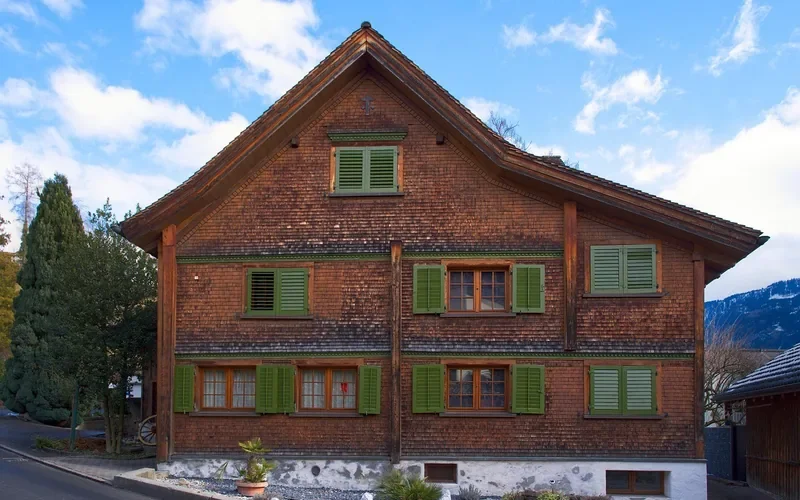
Outdoor cedar (fencing, decking, siding) needs a finish that moves as the wood swells and shrinks. Penetrating oils and oil-based semi-transparent stains do that. For decks, the Bear Creek guide advises only water-repellent preservatives and oil-based semi-transparent stains. It also says finishes perform best when applied to all surfaces: face, back, edges and ends. For the most protection with the least recoating, a primed solid-color stain outperforms clear products at the cost of hiding the grain; see priming cedar before solid stain. Our guides on protecting cedar outdoors and finishing cedar for outdoor use cover product-by-product application.
When Is the Best Time to Stain or Oil New Cedar?
Timing matters as much as product choice. These limits come straight from the maker data sheets and the Bear Creek guide:
- Wood moisture: Sikkens says moisture content should not exceed 21% at application, and to let cleaned wood dry for two days first.
- Temperature: Penofin allows 45 to 80 degrees F and says not to apply in direct hot sun or on hot wood; Sikkens allows 50 to 95 degrees F.
- Rain window: Sikkens says no rain, dew or frost forecast within 5 hours; Penofin says no rain for 24 hours after application, or spots can develop.
- Damp wood: Thompson’s says never apply to damp or wet wood and allow a minimum of 48 hours after cleaning or rain.
- How soon on new boards: Bear Creek says surfaces exposed for more than two weeks start degrading for paint, and not to leave cedar unfinished for 6 to 12 months.
In practice that means a dry, mild stretch with no rain forecast for a full day. For prep steps see how to stain cedar wood.
How to Stain Cedar Without Blotching
Cedar is a softwood with uneven density, so it can absorb finish unevenly. The Wood Database notes it can sand unevenly because earlywood and latewood differ in density. Even color comes from prep and application order more than from the brand.
- Sand to the maker’s grit: For exterior stain, Sikkens specifies 80 to 120 grit on vertical surfaces and 60 to 80 on horizontal ones; for indoor furniture, finish at a finer grit and test on a scrap.
- Test on a scrap board first: Sikkens recommends a one-coat color test, since color varies with porosity and type of wood.
- Match the base to the job: Use oil or alkyd for semi-transparent finishes; if you go water-based, test for extractive streaking before committing.
- Pick dry, mild weather: Stay inside the temperature and moisture limits above so the leading edge does not dry before you blend it.
- Apply along the grain and keep a wet edge: If you spray or roll, back-brush immediately, as Sikkens directs, and finish full-length boards in one pass.
- Wipe penetrating oil after 20 to 30 minutes: Penofin says failure to wipe leaves a tacky finish. Then soak oily rags in water in a sealed metal container.
Cedar Tannins and Why Some Finishes Streak
Cedar contains water-soluble extractives that can bleed into and discolor coatings. The Bear Creek guide says alkyd oil-based primers usually give the best shield against them, and that solid-color stain should go over a stain-blocking primer with a 100% acrylic latex topcoat.
How to Preserve and Protect Cedar Wood Long-Term
Even the right finish needs upkeep. Cedar’s rot resistance buys time, but the finish on top wears on its own schedule, and most discoloration blamed on bad cedar is a fixable finish problem.
Routine Cleaning and Recoating
Penofin’s maintenance instructions call for cleaning twice a year and re-oiling only the areas that show wear. Sikkens says its lightest colors may need maintenance every 18 to 24 months on siding, and Defy notes horizontal surfaces need maintenance coats sooner than vertical ones. See the stained cedar maintenance schedule for exposure-by-exposure timing, and how to treat cedar wood properly for the full sequence from bare wood.
Common Discoloration Problems (and Fixes)
- Mildew: Black or gray spotting on the finish. Clean with a mildew remover, then refinish; restaining over active mildew just seals it in.
- Iron stains: Dark marks near fasteners. The Wood Database warns iron-based fasteners can stain cedar, especially when wet, so use stainless steel hardware.
- Extractive bleed: Brown streaking where moisture pulls compounds out of the wood. It often fades; if not, clean it and prime with a stain-blocking primer before a solid color.
Frequently Asked Questions About the Best Finish for Cedar Wood
What Is the Best Finish for Cedar Wood?
A penetrating oil or oil-based semi-transparent stain is best outdoors because both move as cedar swells and shrinks. Indoors, a wipe-on oil, water-based polyurethane or shellac works since there is no UV. The wrong pick, a clear film finish such as spar urethane used outdoors, cracks as UV passes through it.
Is It Better to Oil or Stain Cedar?
Oil suits indoor furniture and pieces where you want the grain to show with little color change. Semi-transparent oil stain suits outdoor fences, decks and siding, since its pigment blocks more UV than clear oil. Penofin Blue Label is a pigmented penetrating oil, so the two overlap; read the can for pigment level.
Does Cedar Need to Be Stained or Sealed?
No. Western red cedar rates durable to very durable for decay resistance even bare, and outdoors it weathers to silver-gray. A finish controls color and moisture uptake rather than survival. Skip it if you like the weathered look, but do not leave new cedar unfinished for 6 to 12 months if you plan to finish it later.
What Is the Best Sealant for Cedar Wood?
For bare cedar you want to keep natural-looking, a penetrating oil or clear water-repellent finish soaks in without a surface film. Thompson’s semi-transparent sealer, for example, is rated at 150 to 400 sq ft per gallon with one coat. If you also want color, use a semi-transparent stain that combines both jobs.
How Often Should You Reseal or Restain Cedar Wood?
It depends on product and exposure. Penofin calls for twice-yearly cleaning and re-oiling worn areas, Sikkens says light colors may need work every 18 to 24 months on siding, and Thompson’s advertises 5 years on decks and 7 on fences and siding. Horizontal surfaces wear fastest, so check decks yearly.
Can You Leave Cedar Wood Unfinished?
Yes. Cedar’s natural decay resistance lets it perform bare outdoors, and it weathers to silver-gray. You lose the reddish-brown color, and graying cannot be reversed without sanding. Keep iron-based fasteners away from bare cedar, since the Wood Database warns they can stain it when wet.
Can You Use Decking Oil on an Outdoor Cedar Table?
Usually yes, if the product is a penetrating, non-film-forming exterior oil. Penofin Blue Label lists both decks and furniture as applications. Check the label for cedar and furniture use, wipe off excess after 20 to 30 minutes, and avoid film-forming deck sealers, which can peel on furniture surfaces.
Conclusion
The best finish for cedar wood comes down to indoor or outdoor. Outdoors, use a penetrating oil or an oil-based semi-transparent stain, finish every face, and avoid clear film finishes such as spar urethane. Indoors, a wipe-on oil, water-based polyurethane or shellac is safe. Check the coverage, coat and weather limits on the can, wipe penetrating oil after 20 to 30 minutes, and soak oily rags in water.
Sponsored / affiliate links. As an Amazon Associate I earn from qualifying purchases. I may earn additional commission from eligible campaigns.