What Is Burl Wood Worth? Real Prices Per Board Foot
Burl wood sells for $10 to $35 per board foot depending on grain pattern — straight-grain at the low end, rare lace burl at the high end — with whole walnut burls reaching $3,000 or more uncut. Rarity, species, and figure quality drive that range far more than size alone. This guide breaks down real pricing by grain type, what actually inflates value, and how to get a burl professionally appraised.
What Is Burl Wood?
Best Real Burl Wood Blank Pick
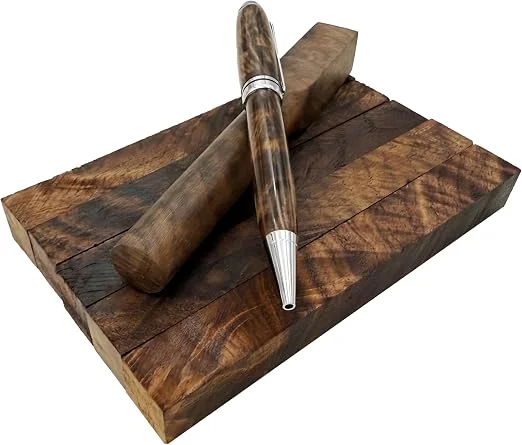 |
Burled Highly Figured Walnut Pen Blanks (5-Pack) – $16.30 Walnut burl is the species this guide names as generally the most valuable on the open market. This 5-pack of kiln-dried walnut burl pen blanks lets you see and work real burl figure firsthand at a small-project price point, rather than buying a whole uncut burl sight unseen.
|
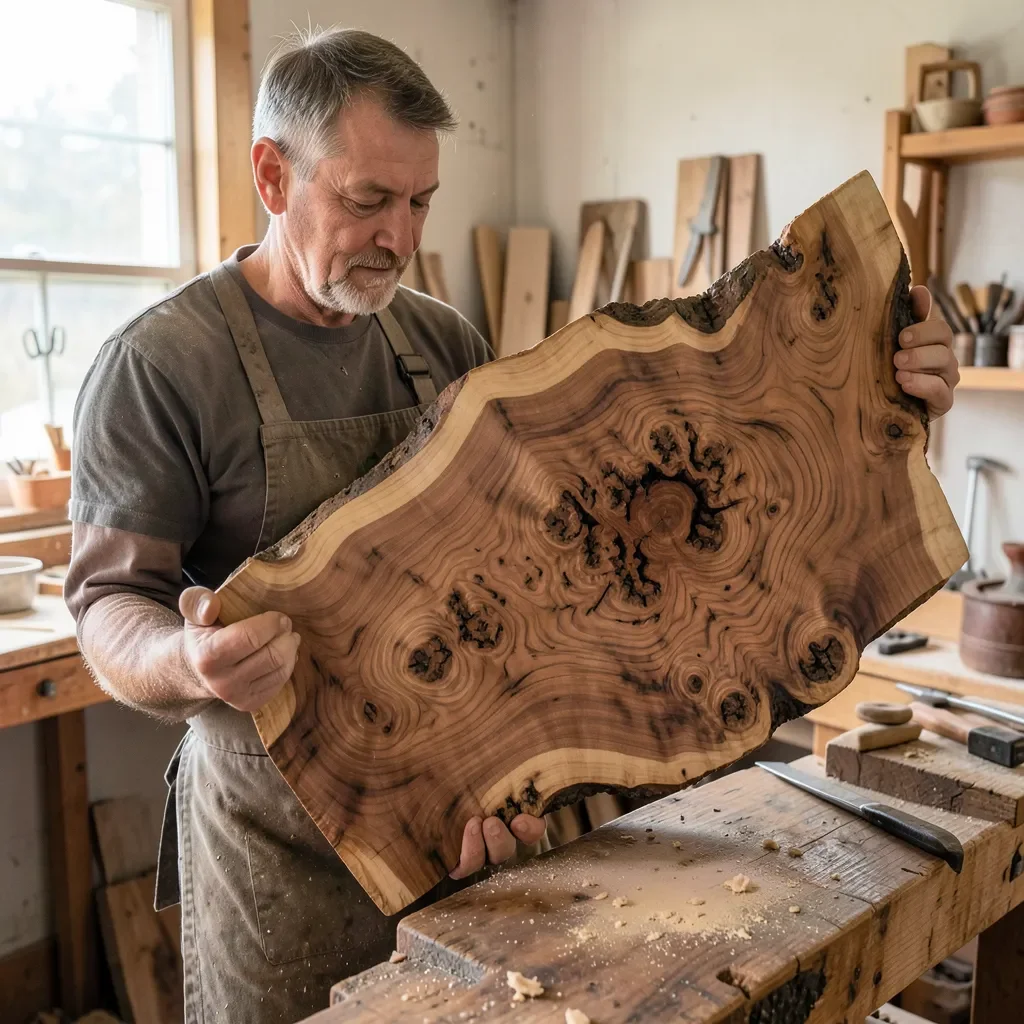
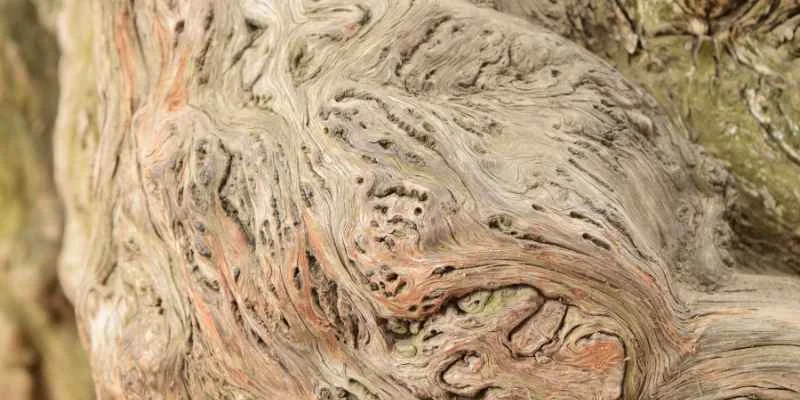
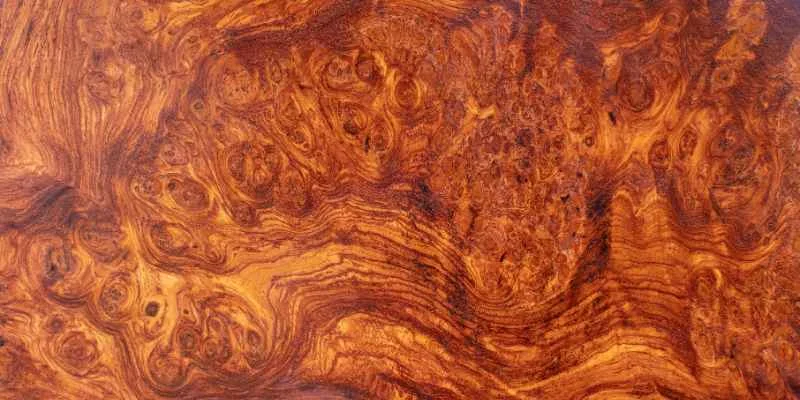
A burl is a rounded, knotty growth that forms on a tree trunk or root when the tree is stressed by injury, fungus, or insect activity — the grain grows in tight, distorted swirls around the deformity instead of running straight. That distortion is exactly what makes burl wood valuable: no two burls form the same pattern, and the effect can’t be replicated by cutting straight-grain lumber.
- Maple burl: tight swirls, reddish-brown tones, one of the more commonly available figured burls.
- Walnut burl: dark, high-contrast figure and generally the most valuable species on the open market.
- Redwood burl: large swirling patterns, popular for slabs and bowls due to the size burls can reach.
- Oak burl: knotted, rustic figure at a lower price point than walnut or redwood.
- Maple bird’s-eye and quilted figure: technically distinct from true burl, but often priced and sold alongside it.
How Much Is Burl Wood Worth? Real Prices by Grain Type
Price scales with how dramatic and clean the figure is, not just species. Here’s what burl wood actually sells for by grain type and form, based on current market listings.
| Grain Type / Form | Typical Price |
|---|---|
| Straight-grain burl | ~$10 per board foot |
| Curly burl | ~$15 per board foot |
| Bird’s-eye burl | ~$25 per board foot |
| Lace burl (rarest common figure) | ~$35 per board foot |
| Walnut burl (whole, uncut) | $5/lb up to $3,000+ |
| Pen blanks | $5–$30 |
| Turning blanks | $30–$300+ |
| Large figured slabs | Hundreds to several thousand dollars |
Oak burl runs cheaper, generally $6 to $15 per board foot, while walnut and redwood top the value list for most buyers. Small-format products like pen blanks and turning blanks scale down from the same per-board-foot logic, which is why a fist-sized piece of prime walnut burl can still cost more per pound than a full board of straight walnut lumber.
What Affects Burl Wood’s Value?
- Species and rarity: walnut and rare figure types like lace burl command the highest prices; oak and more common species sell lower.
- Figure quality: tighter, more irregular swirls with fewer voids or bark inclusions are worth more than loose, sparse figure.
- Condition: cracks, rot, and excess moisture content erase value fast — a burl needs to be properly dried and stabilized to hold its price.
- Size and yield: a bigger burl isn’t automatically worth more per board foot, but it can yield larger slabs or matched-grain sets that sell at a premium.
- Documentation and provenance: a verified species and legal harvest source matters more to serious buyers than most sellers expect.
How to Get Burl Wood Appraised
Expert Appraisal
A specialist wood appraiser evaluates species, figure quality, size, and condition directly. This is the most reliable route for a burl you suspect is genuinely high-value, since an appraiser can also spot stabilization issues or hidden cracks a seller might miss.
Comparative Market Pricing
For smaller or more common burls, comparing recent sold listings of similar size, species, and figure gives a realistic price range without paying for a formal appraisal. Check completed sales, not just asking prices, since burl listings routinely sit unsold at inflated prices for months.
If you’re pricing any wood by the board foot rather than just burl, our wood price calculator guide covers the general cost-per-board-foot math this article builds on. For species-specific comparisons, see our walnut vs. black walnut guide, since walnut burl is the category most buyers ask about first.
Frequently Asked Questions
Is burl wood worth money?
Yes. Burl wood commonly sells for $10 to $35 per board foot depending on grain figure, and a whole uncut walnut burl can bring $3,000 or more. Value depends on species, rarity, size, and how clean the figure is once it’s cut and finished.
Why is burl wood so expensive?
Burl wood is expensive because it grows unpredictably — each burl forms a one-of-a-kind grain pattern that can’t be replicated or mass-produced. That rarity, combined with the extra labor of stabilizing and finishing irregular grain, pushes the price well above straight-grain lumber from the same species.
What is the most expensive type of burl?
Walnut burl is generally considered the most valuable on the open market, commonly priced from about $5 per pound up to $3,000 or more for a large, clean, whole burl. Rare lace-figure burl can also command around $35 per board foot, the highest of the common grain-figure categories.
How rare is burl wood?
Genuinely rare. Burls form when a tree is stressed by injury, fungus, or insects, and only a small percentage of trees in any given species ever develop one. That unpredictability, not the size of the burl itself, is what keeps supply limited and prices high.
Conclusion
Burl wood’s value comes down to figure, species, and condition — not size alone. Expect $10 to $35 per board foot for common grain types, with rare walnut and lace-figure pieces reaching into the thousands for a whole, clean burl. If you’re holding a piece you suspect is valuable, a comparative check against recent sold listings will get you close, and a specialist appraisal is worth the cost before you sell anything genuinely large or rare.
Sponsored / affiliate links. As an Amazon Associate I earn from qualifying purchases. I may earn additional commission from eligible campaigns.