What Is Mango Wood? Pros, Cons, Hardness & Durability
Mango wood is a golden-brown hardwood from the fruit tree Mangifera indica, rated 1,070 lbf on the Janka scale. That makes it about 12 percent softer than northern red oak, so it dents more easily, and it is rated for indoor use only. This guide covers the real numbers, the pros and cons, what the sustainability claim actually means, and how to care for it.
What Is Mango Wood
Best Mango Wood Care Pick
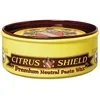 |
Howard Citrus Shield Premium Neutral Paste Wax, 11 oz, $12.98 Mango wood is not waterproof and moves with humidity, so a carnauba wax coat on a finished piece is the cheapest way to shed spills and slow dulling, as the care section below explains.
|
As an Amazon Associate we earn from qualifying purchases.
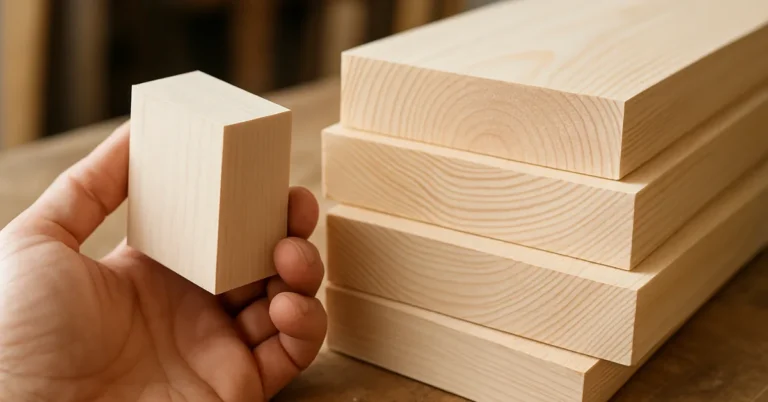
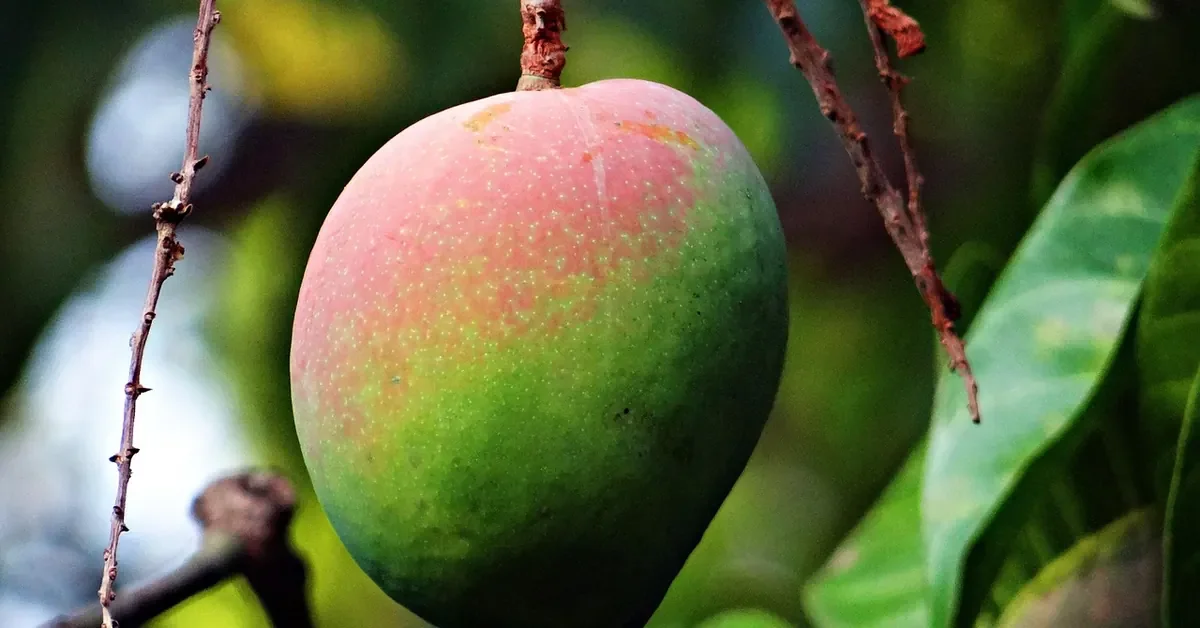
Mango wood is the timber of the mango tree, a species native to tropical Asia and Oceania. According to The Wood Database, the trees reach 80 to 100 feet tall with trunks under about 3 to 4 feet across, and the heartwood is a golden brown that can carry yellow or pink streaks and sometimes black ones. The grain can be straight or interlocked, the texture is medium to coarse, and the wood has good natural luster and no characteristic odor.
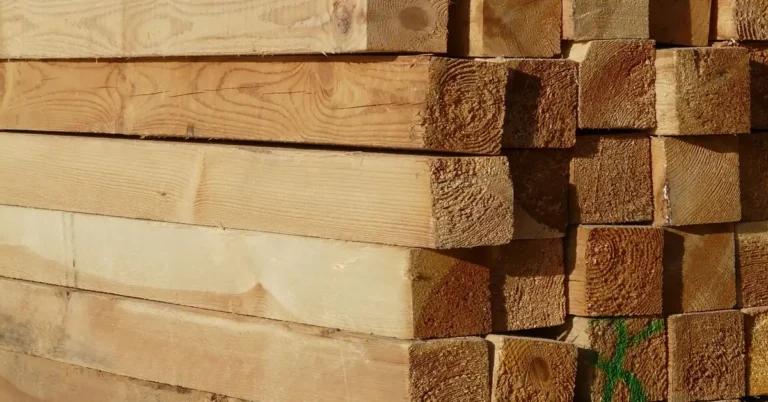
Most mango wood furniture is sold as solid wood, but because the trunks are modest in diameter, wide tabletops are normally glued up from several narrower boards. That is an inference from the tree size, not a flaw: a well-made glue-up is as sound as a single board. For where to find pieces and what they cost at different retailers, see our guide on where to buy mango wood furniture.
Mango wood: 1,070 lbf Janka hardness, 42.1 lb/ft3 average dried weight. Source: The Wood Database mango wood data page.
Mango Wood Properties vs Teak and Red Oak
Most pros-and-cons pages say mango is “as hard as teak.” The number is true, but it hides what matters. Here are the published figures side by side.
| Property | Mango wood | Teak | Northern red oak |
|---|---|---|---|
| Janka hardness | 1,070 lbf | 1,070 lbf | 1,220 lbf |
| Average dried weight | 42.1 lb/ft3 (675 kg/m3) | 40.9 lb/ft3 (655 kg/m3) | 43.8 lb/ft3 (700 kg/m3) |
| Bending strength (MOR) | 12,830 psi | Not compared here | Not compared here |
| Shrinkage, green to dry (tangential / radial) | 5.5% / 3.6% | Not compared here | Not compared here |
All figures come from The Wood Database species pages. Three practical readings of the table:
- Dents: mango (1,070 lbf) is about 12 percent below red oak (1,220 lbf) on the Janka test, which measures resistance to denting and wear. Expect dinner-plate and keychain marks to show a little sooner.
- Weight: at 42.1 lb/ft3, a solid 72 x 36 inch tabletop that is 1.5 inches thick works out to roughly 95 pounds (our arithmetic: 2.25 cubic feet times 42.1). Solid mango furniture is heavy; plan for two people.
- Movement: the 5.5 percent tangential shrinkage figure is for wood going from green to oven-dry, so a 10 inch flat-sawn board would change by about 0.55 inch across that whole range. Indoors the seasonal swing is only a fraction of that, but it is why unfinished edges and tight glue-ups can open up in dry winter air.
Janka only measures surface hardness. It says nothing about rot, and that is where mango and teak part ways, as the myth check below shows. For the hardness number explained in more depth, including how it compares across species, read is mango wood a hardwood.
Mango Wood Pros and Cons at a Glance
| Factor | Verdict | Why |
|---|---|---|
| Looks | Pro | Golden-brown heartwood with streaks gives every piece its own pattern |
| Hardness | Mixed | 1,070 lbf is solid for furniture but dents sooner than red oak at 1,220 lbf |
| Rot and insects | Con | Rated moderately durable to perishable and susceptible to fungal and insect attack |
| Indoor use | Pro | Fine for tables, beds and cabinets in a stable, dry room |
| Outdoor use | Con | Not rot resistant enough to leave outside |
| Workability | Mixed | Tearout is common when the grain is interlocked |
| Sourcing | Pro | Typically an orchard by-product rather than rainforest timber |
| Maintenance | Con | Needs a sealed finish and an occasional wax or oil coat |
Pros Of Mango Wood Furniture
- Distinct grain and color: light to golden-brown heartwood with pink, yellow or dark streaks means no two pieces match exactly.
- Real hardwood hardness: 1,070 lbf puts it in the same Janka range as teak, comfortably hard enough for tables, beds and chairs used daily indoors.
- Takes finish well: the wood has good natural luster, and finishing is straightforward on a sanded surface. Our guide to staining mango wood covers how.
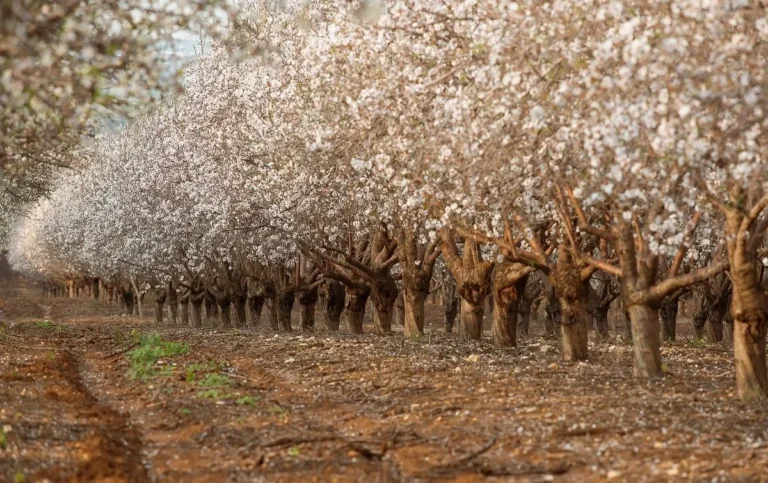
- Often an orchard by-product: the timber usually comes from fruit trees that are removed when yields decline, not from clearing forest (details below).
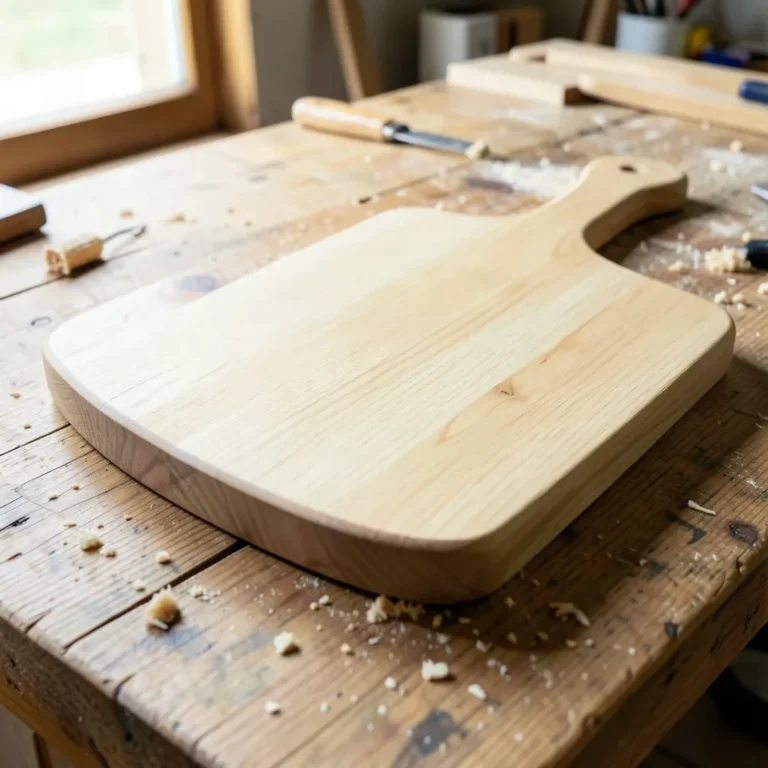
- Widely used: The Wood Database lists furniture, ukuleles, veneer, plywood, turned objects and flooring as common uses.
Cons Of Mango Wood Furniture
- Poor rot and insect resistance: The Wood Database rates the heartwood “anywhere from moderately durable to perishable” and susceptible to fungal and insect attack, so damp rooms and outdoor use are out.
- Dents and scratches: at 1,070 lbf it is softer than red oak, and a finish only protects the surface.
- Moves with humidity and heat: a sealed finish slows moisture exchange but does not stop it. Keep pieces away from radiators, vents and long hours of direct sun.
- Tearout when machining: if the grain is interlocked or wild, tearout is common, which matters if you plan to build with it.
- Skin irritation reported: The Wood Database notes mango has been reported to cause skin irritation. Finished furniture is not a concern for most people, but wear gloves and a dust mask when sanding raw wood. We cover sap and dust in our mango hardwood guide.
- Color varies: streaks and color shifts mean a replacement leg or a matching second piece will not look identical.
Is Mango Wood Sustainable?
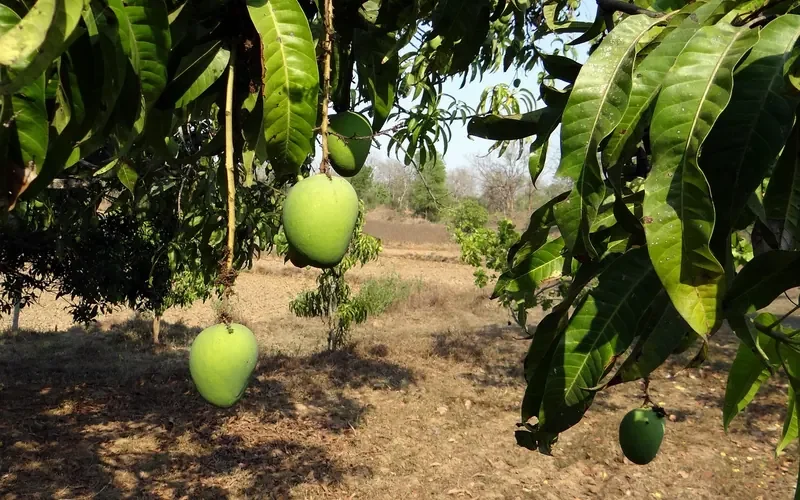
Often more than most tropical hardwoods, with a caveat. Mango trees are grown for fruit, and as one woodworking supplier describes it, the trees are removed and replanted once yields decline, so the timber comes from an agricultural cycle rather than native forest harvesting. That is the honest basis for the “eco-friendly” label.
Two limits are worth knowing. First, The Wood Database lists mango as not CITES-listed, and the IUCN rating as “data deficient,” which means there is not enough data to assess the species, not that it has been judged safe. Second, “mango wood” on a tag does not prove where a particular piece came from. If sustainability matters to you, ask the seller whether the wood is orchard-sourced and whether any certification covers it.
Myth Check: Claims About Mango Wood That Do Not Hold Up
| Common claim | What the data says |
|---|---|
| “As hard as teak, so just as durable” | Janka hardness is identical at 1,070 lbf, but hardness is not decay resistance. Mango is rated moderately durable to perishable. |
| “Mango wood does not attract bugs” | The Wood Database lists it as susceptible to insect attack. A sealed finish is the protection, not the species. |
| “Resists scratches and dents” | It is about 12 percent softer than red oak by Janka rating, so it marks sooner. |
| “Eco-friendly, full stop” | Orchard sourcing is typical, but the species is IUCN “data deficient” and tags are not certification. |
How to Buy Good Mango Wood Furniture
- Ask what the finish is: a hard-wearing sealed finish matters more than the species for day-to-day durability.
- Check the underside and edges: they should be finished too, not raw, since raw wood takes on and loses moisture faster.
- Look at glue lines on tops: tight, flat joints between boards show careful drying and assembly.
- Expect weight: a light “solid mango” table is worth questioning against the density figure above.
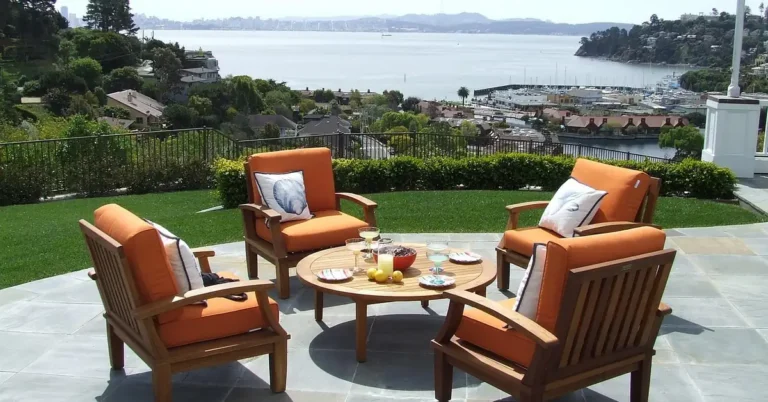
- Match the room: bedrooms, dining rooms and living rooms suit it; bathrooms, covered patios and porches do not.
For retailer options, see where to buy mango wood furniture. If you are weighing it against other woods, our guide to wood species and types lays out the options.
Caring for Mango Wood Furniture
Care is simple and mostly about moisture. Dust with a dry or barely damp cloth, wipe spills immediately, and keep pieces out of direct sun and away from heat sources, since The Wood Database notes the wood is affected by moisture movement and by prolonged heat or sun exposure. A paste wax on a finished surface adds a water-shedding layer; test it on a hidden spot first. Full step-by-step cleaning is in how to clean mango wood, and a small dent can often be lifted using the steps in how to fix a dent in wood furniture.
Frequently Asked Questions About Mango Wood Furniture
What Are The Disadvantages Of Mango Wood Furniture?
The main disadvantages are poor rot and insect resistance, softer surface hardness than red oak (1,070 vs 1,220 lbf), movement with humidity and heat, and a need for a sealed finish. It is not suitable for outdoor use or damp rooms.
Is Mango Wood Durable?
Mango wood is durable enough for indoor furniture. Its 1,070 lbf Janka rating is the same as teak, but The Wood Database rates it moderately durable to perishable against decay, so it lasts indoors in a stable room and fails outdoors.
Does Mango Wood Attract Bugs?
It can. The Wood Database lists mango as susceptible to both fungal and insect attack. A sealed finish and a dry room are the practical protection.
Is Mango Wood Waterproof?
No. Mango wood is not waterproof. Standing water and humidity can cause staining, swelling and rot. A wax or sealed finish helps shed spills, but wipe them up promptly and keep it out of wet areas.
What Color Is Mango Wood?
Mango wood heartwood is a golden brown, and yellow, pink or black streaks can occur according to The Wood Database. Color varies from piece to piece.
Is Mango Wood Expensive?
The Wood Database describes mango lumber as a moderate price range for an imported wood. Furniture prices depend far more on construction and retailer than on species, so compare finished pieces rather than assuming mango is cheap.
Is Mango Wood Good Quality?
Yes, for indoor furniture. It is a real hardwood at 1,070 lbf with an attractive grain and good natural luster. Quality depends on drying, joinery and finish, and it is not a good choice for outdoor or wet locations.
Conclusion
Mango wood is a good indoor furniture wood: attractive, reasonably hard at 1,070 lbf, and often a by-product of fruit orchards. Its weak points are decay and insect resistance, dents sooner than oak, and humidity movement. Buy pieces with a sealed finish, keep them dry and out of the sun, and treat the sustainability claim as probable, not proven.
Sponsored / affiliate links. As an Amazon Associate I earn from qualifying purchases. I may earn additional commission from eligible campaigns.