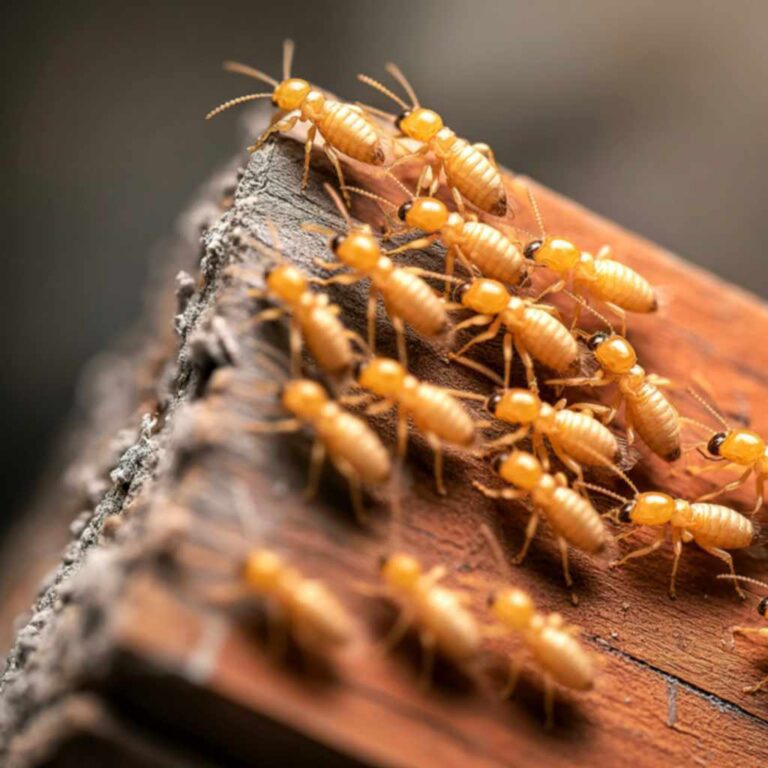
Why Do Termites Suddenly Appear? Uncover Hidden Causes
Have you ever noticed tiny insects invading your home seemingly out of nowhere? One day, everything seems fine, and the next, you find yourself battling an army of termites.
This sudden appearance can be bewildering and frustrating, especially when you think your home is safe and secure. But why do termites suddenly appear, and what can you do about it? If you’ve been caught off guard by these pesky invaders, you’re not alone.
Understanding the reasons behind their sudden emergence is crucial for protecting your space and peace of mind. This article will unravel the mystery of why termites appear unexpectedly, helping you safeguard your home and avoid costly repairs. By the end, you’ll know exactly how to prevent their unwelcome visits and keep your home termite-free. Dive in to discover the hidden secrets behind these uninvited guests.

Credit: www.jcehrlich.com
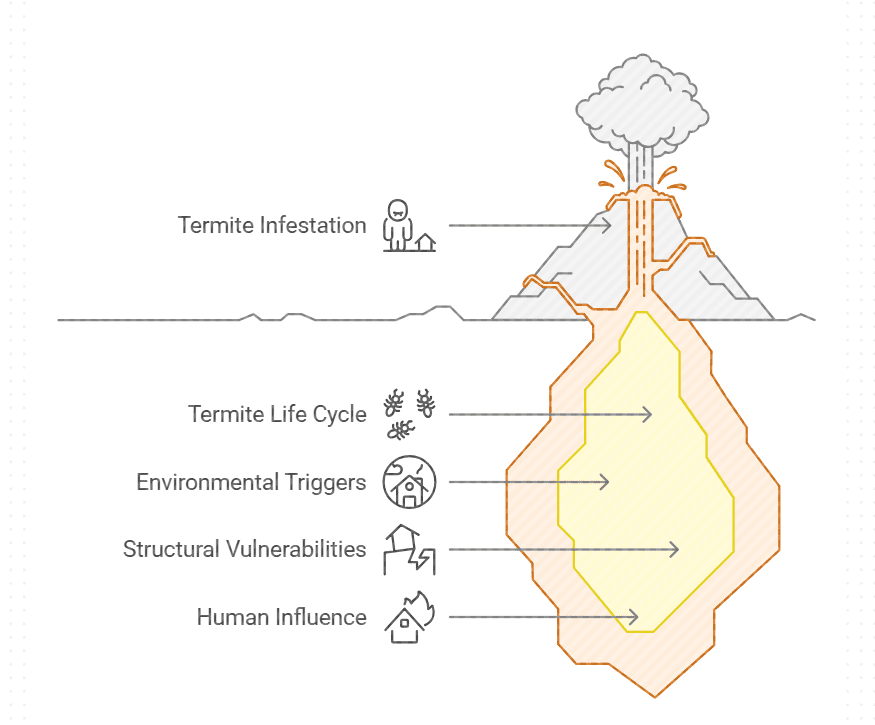
Termite Life Cycle
The queen termite is the heart of the colony. She lays thousands of eggs. These eggs grow into workers, soldiers, and future queens. The queen can live for many years, supporting her growing colony. Colony formation begins when a king and queen find a new place. They start a nest, and their family grows quickly.
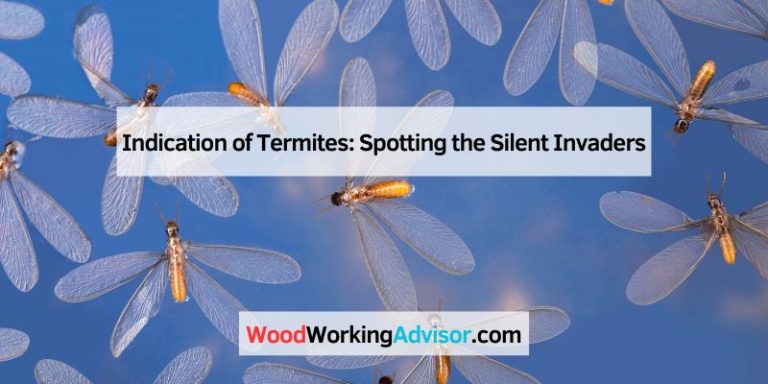
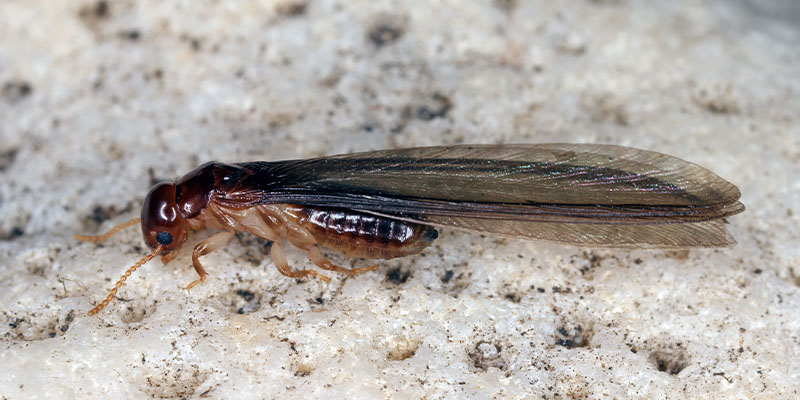
Termites are more active in warm months. Spring and summer are their favorite times. During these seasons, termites swarm to find new homes. Swarms happen when termites fly out of their nests. They are looking for new places to build colonies. Rainy weather can also trigger swarms.

Credit: www.zippests.com
Environmental Triggers
Termites love warm and moist places. High temperatures make them active. They prefer areas where humidity is high. Damp wood attracts them. Dry places keep them away. They need warmth and water. This helps them grow. They find shelter in homes. Warm seasons see more termites. Cold seasons see fewer. Termites like cozy places.
Rain brings termites out. Wet soil is perfect for them. Heavy rain creates good conditions. Water helps them thrive. They need damp places. Rain makes wood soft. Soft wood invites termites. Dry spells keep them hidden. Wet weather brings them out. Rainy seasons see more termites. Dry seasons see fewer.
Structural Vulnerabilities
Termites love wood and other cellulose materials. Homes with wooden parts attract them. They need food to survive. Wood is their favorite. Old furniture, walls, and floors can be targets. Termites find these easily. They like hidden places. They eat quietly and cause damage.
Small cracks allow termites inside. These pests are tiny. They can slip through tiny gaps. Walls, windows, and doors must be checked. If there’s a crack, termites might get in. They find these spots fast. Repairing cracks can help. Keeping them out is important. Seal entry points to stop them.
Credit: www.tradspestcontrol.com
Human Influence
Termites love wood. New buildings often have lots of wood. Fresh wood can attract termites. They come looking for food. Builders sometimes disturb termite homes. This makes termites move. They find new places to live. Construction also makes soil soft. Termites can dig easily. Landscaping adds to the problem. Moist soil helps termites. Plants and wood chips give them shade. This creates a perfect home.
Storing wood outside attracts termites. They eat wood for food. Damp wood is even better. It is soft and easy to chew. People stack wood near their homes. This is a mistake. Termites find this wood fast. They might then enter homes. Keeping wood dry is important. Store it far from houses. This keeps termites away.
Detection Methods
Termites leave mud tubes on walls. These are thin lines made of dirt. You may notice damaged wood. It may look hollow or weak. Swarms of termites can be seen around lights. They love light and gather there. Check for wings near windows. Termites shed them after swarming. Listen for tapping sounds inside walls. It might be termites eating wood. These are signs of termite activity. Be alert to protect your home.
Experts know how to find termites. They use special tools. Tools like moisture meters and thermal cameras. These tools detect heat and moisture. Termites make heat when they eat. Experts check hidden places. Places like basements and crawl spaces. They look for signs of termites. They know where termites hide. They find termites quickly. Experts give reports on termite problems. They help you understand the problem.
Prevention Strategies
Termites love moist places. Keep your home dry. Fix leaky pipes quickly. Use a dehumidifier in damp areas. Check the roof for leaks often. Don’t let water sit near the house. Make sure gutters are clean. Redirect water away from your home. This helps prevent termite infestations.
Check your home for cracks. Seal any gaps you find. Paint wood surfaces often. This keeps the wood strong. Trim plants near your house. They can hide termites. Clean your basement often. Look for signs of termites regularly. Early detection is key. Keep your home safe from these pests.
Frequently Asked Questions
Why Are Termites In My House All Of A Sudden?
Termites may invade your house due to moisture, wood contact, or existing colonies nearby. They seek food and shelter, entering through cracks or gaps. Regular inspections and sealing entry points can help prevent infestations.
Does Seeing Termites Mean Infestation?
Spotting termites often indicates an infestation. Termites are usually hidden, causing damage unnoticed. Act quickly to prevent structural harm. Consider professional inspection for accurate assessment and treatment options. Early action helps protect property and minimize repair costs. Regular checks can prevent extensive damage and ensure peace of mind.
Should I Be Worried If I See A Few Termites?
Seeing a few termites could indicate a larger infestation. It’s important to investigate and address the issue promptly. Termites can cause significant damage to your property if left unchecked. Consider contacting a pest control professional to assess and manage the situation effectively.
Do Termites Go Away On Their Own?
Termites do not leave on their own. They continuously damage wood structures until treated professionally. Early intervention is crucial to prevent extensive damage. Contact pest control experts for effective solutions to eliminate termite infestations and safeguard your property. Regular inspections can help identify issues before they escalate.
Conclusion
Termites might seem to appear out of nowhere. But they don’t. Warm weather and moisture attract them quickly. They thrive in damp, hidden areas. Wood and paper offer them food. Regular inspections help spot them early. Seal cracks and leaks to keep them away.
Maintain a dry home environment. These actions reduce termite risks effectively. Understanding their habits aids prevention. Remember, a little awareness goes a long way. Protect your home before it’s too late. Stay proactive, and termites will stay away. Simple steps make a big difference.
Stay termite-free and enjoy peace of mind.