Does Wood Mulch Cause Termites, or Just Attract Them?
Wood mulch does not cause termites on its own, but the moisture it traps against your foundation can attract termites already nearby.
Piling mulch deeper than 3 inches or letting it touch your siding gives subterranean termites a moisture bridge to your wood framing. This guide covers which mulch types actually pose a risk, the 6-inch rule, and safer alternatives.
Termites And Their Habitat
Best Termite Monitoring Pick
Advance Termite Bait Monitoring Stations, 10-Pack – $164.95
This guide recommends regular inspections wherever mulch touches your foundation — a full ring of stations around the house catches subterranean activity before it reaches your siding.
- Best for: Homeowners who want a full perimeter monitoring setup around mulched beds
- Why we picked it: 4.6 stars from 560+ ratings, an Amazon’s Choice pick from a trusted pest-control brand
- Main drawback: Monitoring only — a separate bait cartridge is needed once activity is confirmed
Compare more termite monitoring options
 Option 1 Advance Single Termite Monitor Station – $22.55
|
 Option 2 BASF Trelona Compressed Termite Bait, 6 Cartridges – $58.00
|
 Option 3 Pestoptek Termite Monitoring Stations, 6-Pack – $36.99
|
As an Amazon Associate we earn from qualifying purchases.
Termites are small insects that live in groups. They build nests and cause damage to wood structures. Understanding where termites live helps prevent problems in your home or garden.
Termites need certain conditions to survive. They look for places with moisture and food. Wood mulch is often a question because it is close to soil and wood.
Types Of Termites
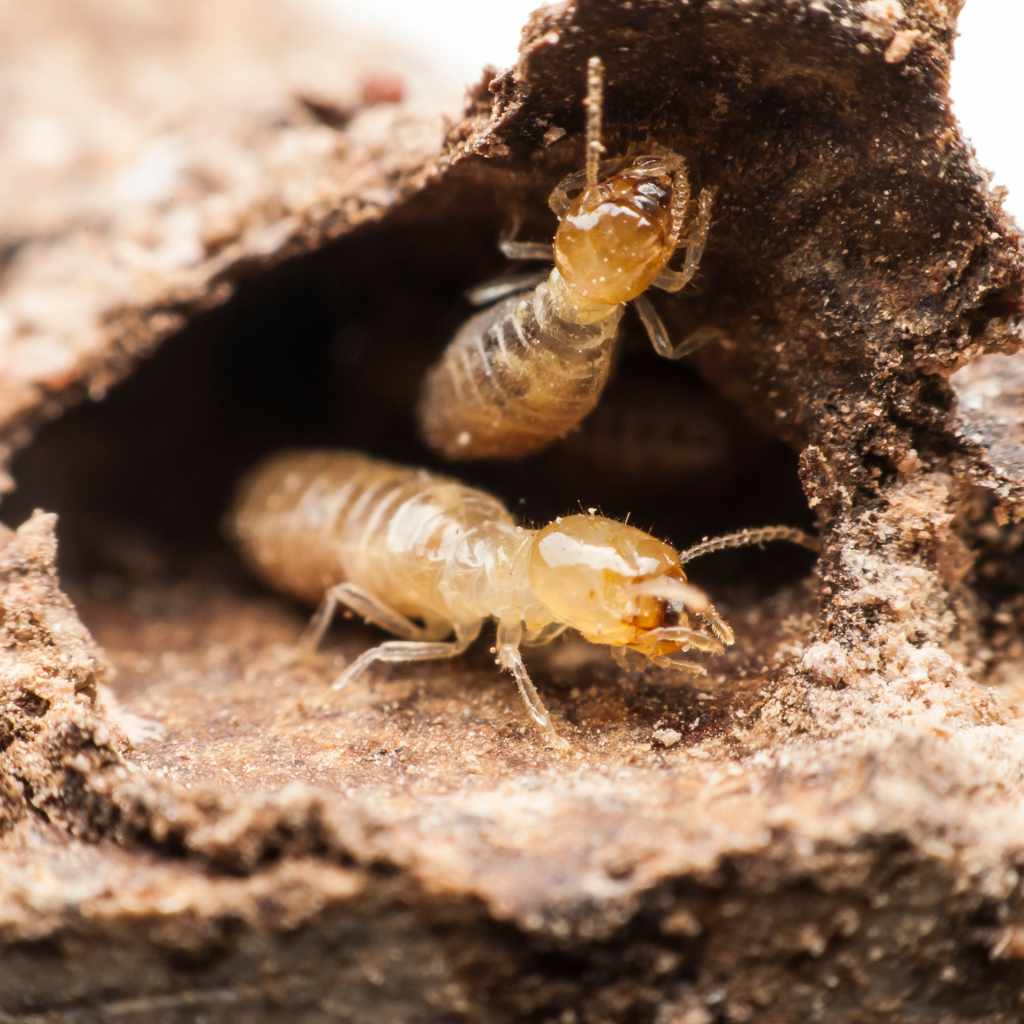
There are three main types of termites: subterranean, drywood, and dampwood. Subterranean termites live underground and build mud tubes to reach wood. Drywood termites live inside dry wood and do not need soil contact. Dampwood termites prefer wood with high moisture, like logs or decayed trees.
Preferred Living Conditions
Termites need warmth and moisture to survive. They avoid dry, cold places. Subterranean termites need contact with soil for water. Drywood termites can live without soil but need wood with some moisture. They avoid fresh, dry wood that is too hard or treated.
Mulch holds moisture and is near the soil. This may create a good environment for some termites. But mulch alone does not attract termites unless wood is touching the house or other wooden structures. See our full termite prevention and control guide for identifying and stopping an infestation early.
Wood Mulch As A Termite Attractant
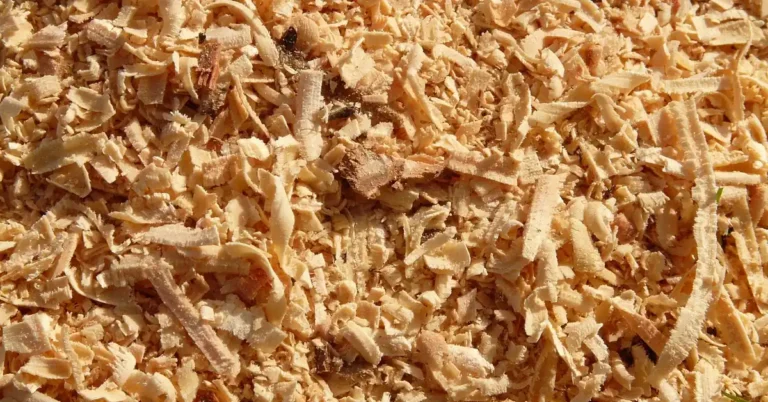
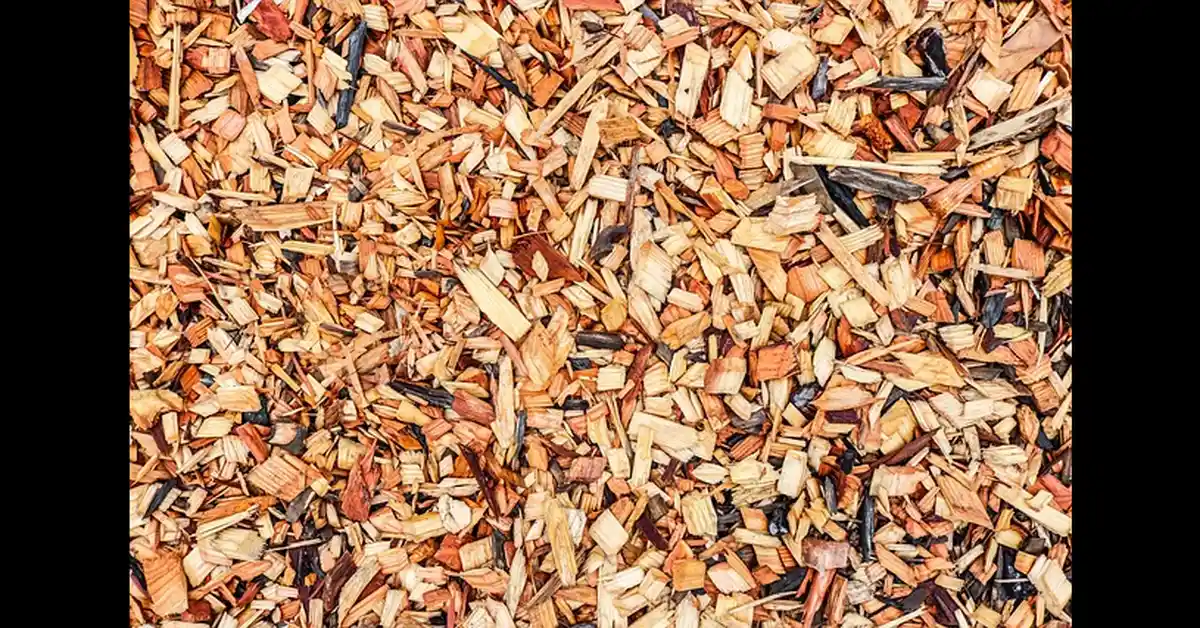
Wood mulch is a popular choice for gardens and landscaping. It helps keep moisture in the soil and controls weeds. But wood mulch can also attract termites. These insects love wood and can use mulch as a food source. Mulch near your home can invite termites closer to wooden structures. Understanding how mulch attracts termites helps protect your property better.
Why Termites Are Drawn To Mulch
Termites eat wood and plant fibers. Mulch is made from wood pieces, so it offers a ready meal. Mulch stays moist and cool, creating an ideal environment for termites. It also hides termites from predators and harsh weather. The warmth and moisture in mulch help termite colonies grow fast. Termites often travel through mulch to reach your home’s wooden parts.
Loose wood chips behave a little differently than shredded bark mulch — see our dedicated does wood chips attract termites breakdown if that is what you have in your yard.
Common Mulch Materials That Harbor Termites
Not all mulch attracts termites equally. Wood-based mulch like shredded bark and wood chips are most attractive. Pine, cedar, and hardwood mulches can all harbor termites. Mulches made from rubber or stone do not attract termites. Fresh mulch with high moisture content is especially inviting. Old, dry mulch is less appealing but can still hide termites.
Risks Of Using Wood Mulch Near Structures
Wood mulch is popular for gardens and landscaping. It helps keep soil moist and looks nice. Yet, using wood mulch near buildings carries some risks. Wood mulch can attract termites and other pests. These pests may cause damage to wooden structures. Understanding these risks helps protect your home better.
Placing wood mulch too close to your house creates a cozy spot for termites. Termites love damp, soft wood. Mulch holds moisture and stays close to wood siding or foundations. This can lead to termite problems that spread to your home.
Potential Damage To Homes
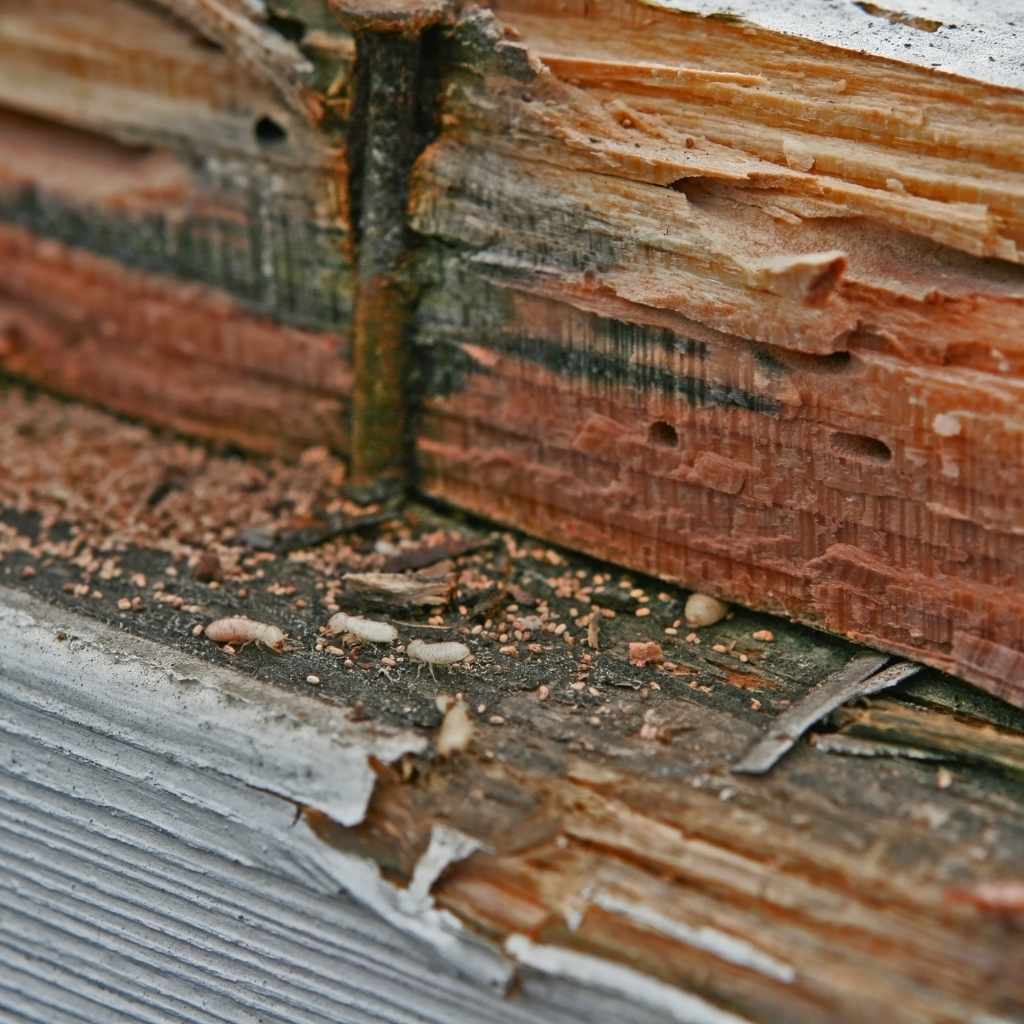
Termites feed on wood, causing serious damage over time. They can enter through cracks near mulch areas. Once inside, termites eat wooden beams, walls, and floors. This weakens the structure and may cause costly repairs. Damage often goes unnoticed until it is severe.
Wood mulch keeps soil moist, which termites need to survive. Wet mulch near a home makes it easier for termites to thrive. This increases the risk of infestations inside your house. Keeping mulch away from foundations reduces this risk.
Signs Of Termite Infestation In Mulch
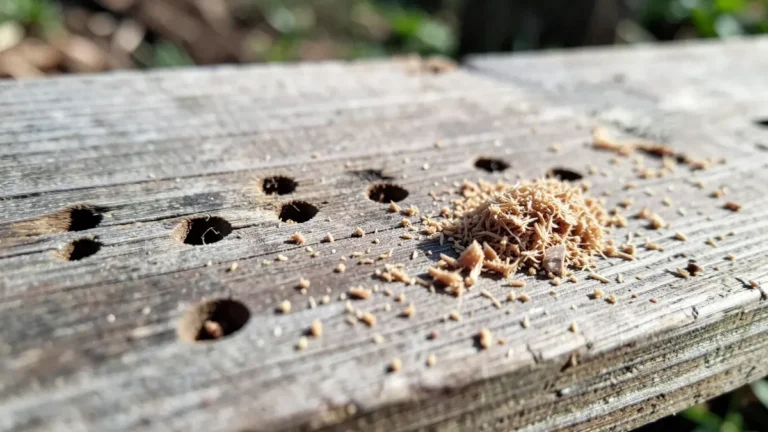
Look for small tunnels or mud tubes in the mulch. Termites build these tubes to travel safely to wood. You might see tiny holes or damaged wood pieces. Piles of wings near mulch are another sign.
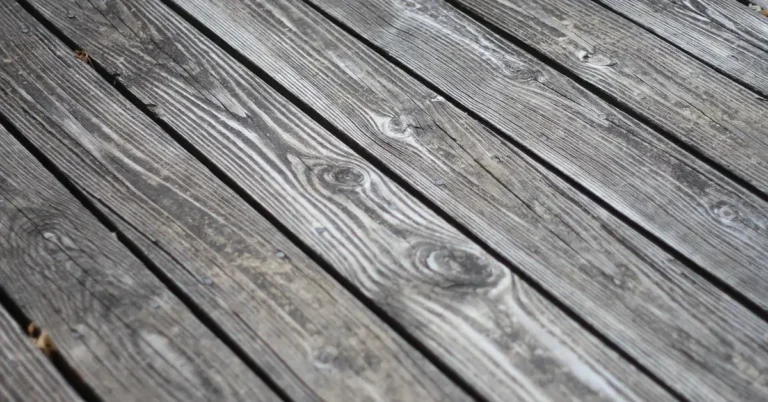
Soft or crumbling wood near mulch areas is a warning. Termites eat wood from the inside out, so damage may hide beneath the surface. Learn to recognize termite-infested wood before the damage spreads. Early detection helps stop infestations before they spread to your home.
Safe Mulch Practices To Minimize Termite Risks
Safe mulch practices help protect your home from termite damage. Proper choices and careful care reduce termite risks effectively. Mulch can improve soil health and plant growth without inviting pests.
Choosing The Right Mulch
Select mulch types that deter termites. Cedar and cypress mulch naturally repel these insects. Avoid mulch that stays wet for long periods. Fine mulch, like shredded bark, can attract termites more than coarse types. Choose mulch that dries quickly and does not hold moisture.
Proper Mulch Installation And Maintenance
Keep mulch at least 6 inches away from building foundations. This prevents termites from traveling directly to your home. Spread mulch in a thin layer, about 2 to 3 inches thick. Thick mulch layers can trap moisture and attract pests. Regularly check mulch for signs of termite activity. Replace or turn the mulch to keep it dry and fresh. Clean up fallen leaves and debris near mulch areas to avoid hiding spots for termites.
Alternative Mulching Options
Choosing the right mulch is important for healthy plants and pest control. Wood mulch can attract termites and other insects. Many gardeners explore alternative mulching options to avoid this risk. These alternatives can protect your home and garden while keeping soil healthy.
Non-wood Mulch Materials
Non-wood mulch materials include rubber, gravel, and cocoa shells. Rubber mulch comes from recycled tires and lasts a long time. It does not attract insects or decompose quickly. Gravel mulch helps with drainage and keeps weeds away. Cocoa shells add nutrients but require care as they can attract animals. These options do not support termite growth like wood mulch.
Benefits Of Inorganic Mulch
Inorganic mulches like stones and rubber reduce pests and last for years. They do not break down or provide food for termites. These mulches help keep soil moist and prevent erosion. They need less frequent replacement than organic mulches. Using inorganic mulch can be a safe choice near homes and wooden structures.
Termite Prevention And Control Strategies
Termite prevention and control strategies help protect your home and garden. These strategies reduce the risk of termite damage. Understanding how to prevent and control termites keeps wood mulch safe to use. These methods focus on early detection and effective treatment.
Regular Inspections
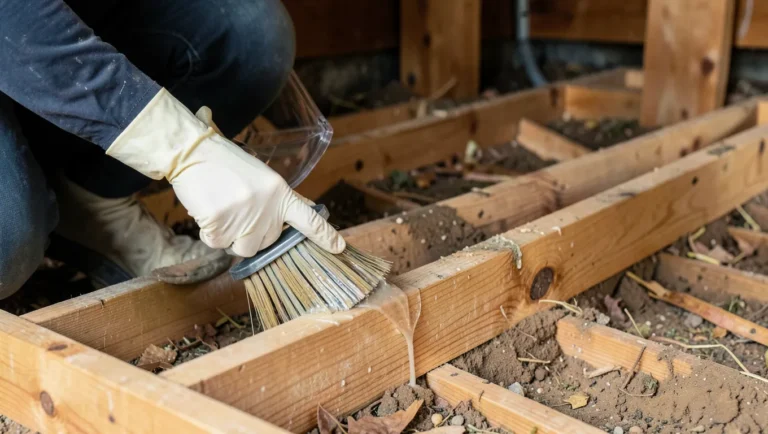
Inspect your property often for signs of termites. Look for mud tubes, damaged wood, or discarded wings. Check areas where mulch touches the house — a pile of dirt near a baseboard is one of the clearest indoor warning signs. Early detection stops termites from spreading. Regular inspections save money on costly repairs later. Keep mulch a few inches away from wooden parts of your home. This simple step lowers termite risk.
Professional Treatment Options
Pest control experts offer safe and effective termite treatments. They use chemicals that termites cannot survive. Treatments include soil barriers and wood sprays. Professionals can spot termite problems you may miss. They know which treatment fits your situation best. If you want to try a DIY approach first, see how to kill termites already in wood. Call a pest control expert if you suspect termites. Professional help ensures complete termite control and peace of mind.
Frequently Asked Questions
Does Wood Mulch Attract Termites To My Garden?
Wood mulch can attract termites because it provides a moist, food-rich environment. However, proper mulch management reduces this risk significantly.
How Can I Prevent Termites When Using Wood Mulch?
Keep mulch at least 6 inches away from your home’s foundation. Regularly turn the mulch to keep it dry and avoid termite infestation.
Is There A Safer Mulch Alternative To Avoid Termites?
Yes, inorganic mulches like rubber or gravel do not attract termites. They are good options if termite prevention is a priority.
Can Termite Damage Occur Directly From Wood Mulch?
Termites usually don’t infest healthy plants but can use mulch as a bridge to wooden structures. Proper care minimizes this risk.
Conclusion
Wood mulch can attract termites if placed too close to your home. Keep mulch at least 6 inches away from walls. Choose mulch types that dry quickly to reduce termite risk. Regularly check your yard for signs of termites. Proper mulch use helps protect your home and garden.
Stay aware and take simple steps to keep termites away. Wood mulch is not always a problem with good care. Protect your home and enjoy healthy plants.
Sponsored / affiliate links. As an Amazon Associate I earn from qualifying purchases. I may earn additional commission from eligible campaigns.