Why is Wood Ash Alkaline? Unlock Its Surprising Benefits
Have you ever wondered why wood ash is alkaline? You might have noticed it in your garden or while cleaning up after a cozy fireplace evening.
This curious characteristic can do wonders for your soil, but understanding the science behind it could change the way you use it. Imagine harnessing this natural resource to boost the health of your plants and enhance your gardening experience. As you read further, you’ll discover the fascinating reasons behind wood ash’s alkalinity and learn how it can be your secret weapon in achieving a thriving, vibrant garden.
Uncover the hidden potential in what might seem like just the remnants of your last bonfire. Keep reading to unlock the secrets of wood ash and transform your outdoor space.

Credit: www.thesmartergardener.com
Chemical Composition Of Wood Ash
Wood ash has many parts. The main components are calcium, potassium, and magnesium. These make wood ash very special. Calcium is the most important. It helps plants grow strong. Potassium is also important. It helps plants make food. Magnesium is the third part. It helps plants stay green. Together, they make wood ash useful.
Calcium carbonate is a big part of wood ash. It makes wood ash alkaline. This means it can help soil. It changes the soil’s pH level. This helps plants grow. Calcium carbonate is like a helper. It makes soil better. Plants can grow stronger and healthier. This is why wood ash is good for gardens.
Factors Influencing Alkalinity
Wood ash is alkaline due to its high concentration of calcium carbonate. This compound neutralizes acids, increasing pH levels. Burning wood removes carbon dioxide, leaving behind minerals that enhance alkalinity.
Type Of Wood Burned
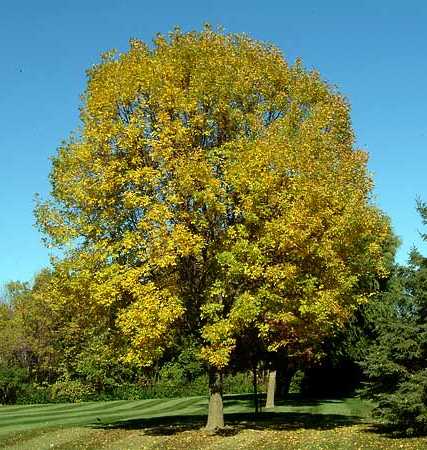
The type of wood affects the ash’s alkalinity. Hardwood trees like oak and maple produce ash with higher alkalinity. Softwoods like pine and fir result in less alkaline ash. Wood density plays a role too. Denser woods give more alkaline ash. Different trees have various minerals. These minerals influence the ash’s alkalinity. Choose hardwood for more alkaline ash.
Burning Temperature
Temperature during burning impacts ash alkalinity. High temperatures break down wood completely. This releases more alkaline compounds. Lower temperatures might leave some unburned parts. Less alkaline ash results from cooler fires. High heat ensures full combustion. It increases alkaline content in ash. Burning conditions are crucial. They define the ash’s chemical makeup.
Benefits For Soil Health
Wood ash helps to make soil less acidic. This is because it is alkaline. Plants need the right pH to grow well. Acidic soil can harm plants. When you add wood ash, it can balance the pH. It makes the soil better for growing plants. This helps plants get the nutrients they need.
Wood ash adds important nutrients to the soil. It has calcium, potassium, and magnesium. These are good for plant growth. Wood ash also provides some phosphorus. These nutrients help plants grow strong. They also improve soil structure. Healthy soil means healthy plants.

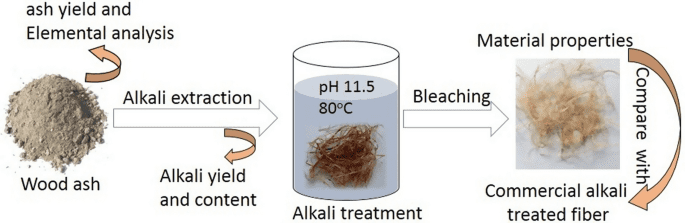
Credit: www.nature.com
Environmental Impact
Wood ash can help reduce waste. It is a natural product. Using it means less trash. People can use ash instead of throwing it away. This helps the earth. It keeps landfills smaller. Ash can be reused in many ways. It is good for gardens. It helps plants grow strong. Ash can be used for cleaning too. It is a smart choice for the environment.
Reduction Of Waste
Wood ash is a great way to cut down waste. It is used for many things. This means less waste goes to landfills. People can use it for gardens. It makes soil better. Ash can be used for cleaning as well. It is a natural cleaner. This helps reduce pollution. Choosing ash means using less chemicals. It is a step towards a greener planet.
Sustainable Practices
Using wood ash is a sustainable practice. It helps the planet. It is a natural resource. Ash can be reused. It supports green living. People can use ash for composting. It enriches the soil. This is good for plants. Ash also saves money. It reduces the need for fertilizers. People can use it instead of buying new products. Wood ash is a smart, green choice.
Household Uses
Wood ash can clean dirty surfaces. It works well on glass and metal. Mix ash with water to make a paste. Use a cloth to rub the paste on the surface. The ash helps remove stains and grease. It also shines silverware and pots. Be careful with delicate items. Ash is abrasive. Do not scratch them. Test a small area first. Clean gently for best results.
Wood ash is useful in gardens. It deters pests like slugs and snails. Sprinkle ash around plants. It keeps insects away. Ash is natural and safe. It does not harm plants. Some bugs dislike its smell. They stay away from ash-covered areas. Reapply ash after rain. It washes away with water. Ash is also good for ant hills. Pour ash to discourage ants. They move to other places.
Precautions And Considerations
Wood ash can irritate skin and eyes. Always wear gloves. Use goggles to protect eyes. Keep ash dry in a sealed container. Moisture can reduce its effectiveness. Label containers clearly. Store ash away from children and pets. It can be harmful if ingested.
Wood ash can change soil pH. It can make soil too alkaline. Plants may struggle to grow. Ash can damage surfaces. Keep it away from sensitive areas. Ash can create dust. Dust is harmful if inhaled. Use masks if needed.
Frequently Asked Questions
Do Wood Ashes Make Soil Alkaline?
Wood ashes increase soil alkalinity due to their high calcium carbonate content. They neutralize acidity effectively, enriching soil nutrients. Use sparingly for balanced pH levels to avoid over-alkalization. Ideal for acidic soil amendments, wood ashes enhance plant growth and health, providing essential minerals.
Why Is Ash Alkali?
Ash is alkali because it contains metal oxides like potassium and sodium. These oxides react with water to form alkaline solutions, increasing the pH level. This basic nature makes ash useful in various applications, such as soil amendment and cleaning agents.
Why Is Wood Ash Caustic?
Wood ash is caustic due to its high concentration of potassium carbonate, which creates alkaline properties. This chemical composition can irritate skin. Proper handling and storage are crucial to avoid potential harm. Use gloves when handling wood ash to ensure safety and minimize risks.
What Is The Alkaline Solution From Wood Ash?
Wood ash produces an alkaline solution called lye when mixed with water. This solution contains potassium carbonate and is often used for soap making or as a natural cleaner. Ensure proper handling due to its caustic nature.
Conclusion
Understanding wood ash’s alkaline nature can be helpful. It offers benefits in gardening. Neutralizes acidic soil. Boosts nutrient availability. Promotes healthy plant growth. Wood ash contains essential minerals. Calcium and potassium are abundant. Use it wisely, though. Too much can harm plants.
Balance is key. Test soil pH before adding. Wood ash is versatile. Not just for gardening. Useful in cleaning and pest control. Explore its uses. But always handle with care. Follow safety guidelines. Wood ash, a natural resource. A sustainable option.
Embrace its potential. Make informed choices. Your garden will thank you.