Will a Hair Dryer Dry Spray Paint Faster? (Safe Settings)
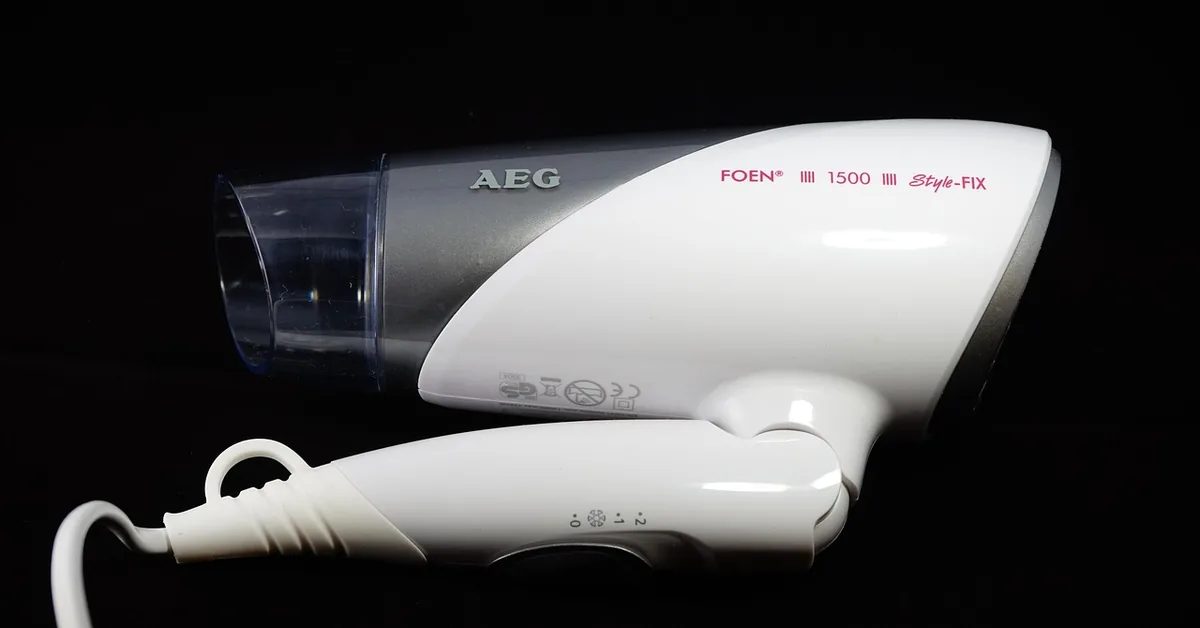
A hair dryer on its cool or low-heat setting speeds spray paint drying by evaporating solvents faster — but hot air held closer than 8 inches can blister the finish or overheat a pressurized can rated to roughly 120°F. Get it wrong and you risk a cracked topcoat or, with certain aerosols, a fire hazard from ignited fumes. This guide covers safe hair dryer settings and distance, how it compares to a heat gun, and faster alternatives that skip the risk entirely.
Insert your Affiliate Disclosure reusable block here
Does a Hair Dryer Actually Make Spray Paint Dry Faster?
Best Heat Gun Pick
SEEKONE 1800W Heat Gun, Variable Temp 122–1202°F
A dial-controlled heat gun gives finer control than a hair dryer’s fixed settings — useful once you outgrow hair-dryer speed for bigger painted projects.
- Best for: larger painted panels and furniture where a hair dryer is too slow
- Why we picked it: variable dial (not just high/low) lets you dial in low heat, avoiding the blistering risk of a fixed high setting
- Main drawback: full power (1202°F) is far too hot for direct use on fresh paint — it demands more caution than a hair dryer, not less
Compare more heat gun options
 Option 1 SEEKONE Heat Gun, 752°F / 1112°F 2-Setting
|
 Option 2 AcmyslaT Heat Gun, 572°F–932°F Dual Temp
|
 Option 3 Mini Handheld Hot Air Gun, 300W
|
As an Amazon Associate we earn from qualifying purchases.
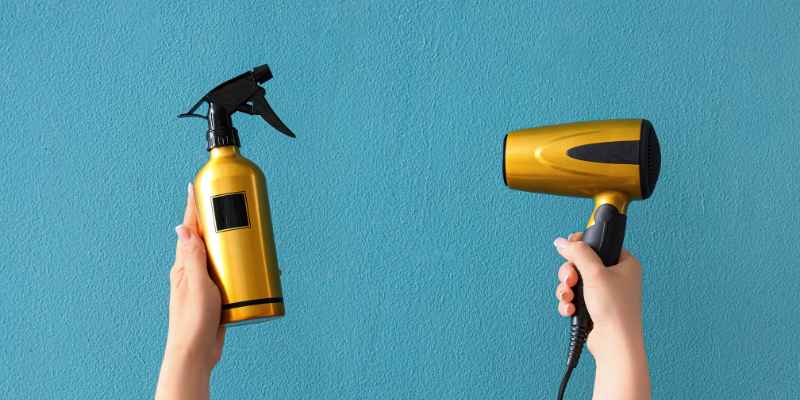
Yes — a hair dryer makes spray paint dry faster, because moving warm air speeds up solvent evaporation, which is the actual mechanism behind spray paint “drying.” The paint isn’t curing on a timer; it’s losing solvent to the air, and airflow plus gentle heat accelerates that. The catch is how much heat and how close: too much, too fast, and the surface skin sets before the solvent underneath has escaped, trapping it as bubbles, wrinkles, or a soft, tacky layer under a dry-looking top coat.
That trade-off is why the technique works well for touch-up spots and small hobby pieces but badly for large panels or thick coats — the surface dries into a shell while the paint underneath is still wet, and it can crack or wrinkle later. For general information on typical dry times by product and weather, see our guide to making spray paint dry faster, which covers the full range of methods beyond a hair dryer alone, or browse our full wood paint and finishing hub for prep, priming, and technique guides.
Hair Dryer Heat vs. the Aerosol Can’s Safety Limit
Here’s the number most articles on this topic skip: a hair dryer on its high setting already runs hotter than the temperature aerosol manufacturers warn against. Most spray paint can labels — and the OSHA-recognized aerosol product labeling standard — caution against storing or exposing the can to heat above roughly 120°F, since the propellant inside (usually propane or butane) is pressurized and can build enough internal pressure to rupture or vent violently above that point. A hair dryer’s high-heat output falls right at or above that line.
| Heat Source | Typical Output | Safe Near a Painted Surface / Can? |
|---|---|---|
| Hair dryer – cool/no-heat setting | ~70–90°F (ambient airflow) | Yes — safest option, still speeds evaporation |
| Hair dryer – low heat | ~100–140°F | Yes, if kept moving and 8+ inches away |
| Hair dryer – high heat | ~140–160°F (up to 212°F on some models) | Borderline — already meets or exceeds the ~120°F can-safety threshold |
| Craft/low-temp heat gun | ~300–400°F | No — never aim at a can or hold close to fresh paint |
| Standard heat gun (high) | ~950–1,100°F | No — well past scorching or ignition risk |
The practical takeaway: cool or low heat is where the real safety margin is. High heat isn’t automatically dangerous if you keep the dryer moving and hold real distance, but it removes the buffer a lower setting gives you — especially if the can itself, not just the painted piece, ends up in the airflow.
How to Safely Speed Up Drying With a Hair Dryer
- Finish spraying and step away first: let the paint flash off for 2–3 minutes before introducing any airflow — hitting wet-on-can paint with a hair dryer immediately can push solvent-laden air right back at the can.
- Set the dryer to cool or low heat: skip the high setting on your first pass; cool airflow alone still cuts solvent evaporation time meaningfully.
- Hold it 8 to 12 inches away: closer than that on any heat setting risks blistering the surface before you can react.
- Keep the dryer moving constantly: sweep back and forth rather than holding it on one spot — a stationary dryer is what causes localized bubbling.
- Work in short passes: 30–60 seconds at a time, checking the surface between passes for tackiness, bubbling, or a matte haze (a sign of trapped solvent).
- Ventilate the whole time: open a window or door and keep the aerosol can itself well away from the airflow path, not just the painted piece.
Heat Gun vs. Hair Dryer: Which Is Safer for Spray Paint?
A hair dryer is the safer default for spray paint because its hottest setting (140–212°F) still lands in a range most cured coatings can tolerate briefly with distance and movement. A heat gun’s low setting alone (300–400°F) is already 2–3 times hotter, and its high setting (950–1,100°F) is hot enough to scorch paint, melt plastic substrates, or ignite fumes almost instantly if it’s held too close.
| Hair Dryer | Heat Gun | Best For | |
|---|---|---|---|
| Temp range | ~70–212°F | ~300–1,100°F | Hair dryer for anything fresh-painted |
| Control | 1–2 fixed settings | Dial or multi-setting on better models | Heat gun for large, thick, or resin/epoxy work |
| Ignition risk near fresh paint | Low if kept moving and 8+ inches away | High — never used this close on fresh aerosol coats | Hair dryer, cool or low setting, is the safer daily tool |
Fire and Fume Safety When Using Heat Near Spray Paint
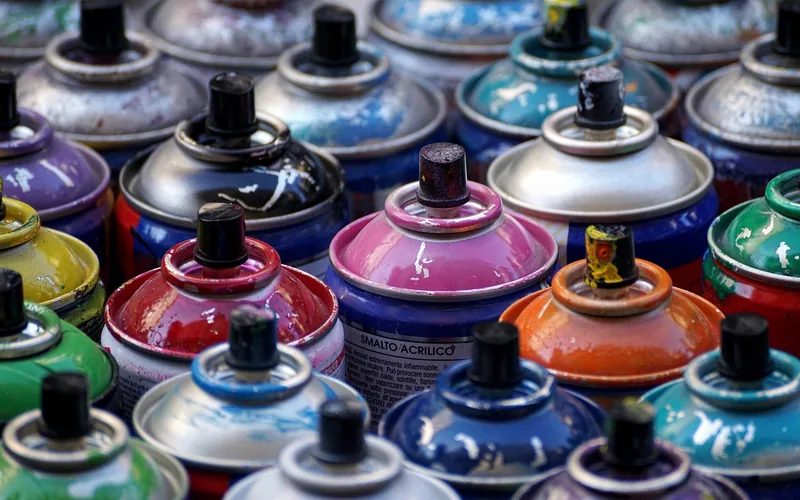
Spray paint propellant — usually propane or butane — has a flash point far below room temperature (propane’s is around -155°F), which means any fumes still in the air near a freshly sprayed surface are flammable, not just theoretically but immediately, if they meet a spark or an overheated element. A hair dryer’s heating coil isn’t an open flame, but it is a hot surface, and running it directly over wet paint in an unventilated space concentrates both heat and fumes in the same spot.
- Never point a hair dryer or heat gun directly at the can itself — aerosol cans are commonly labeled against heat exposure above roughly 120°F, and a can that ruptures under pressure is a genuine hazard, not just a mess.
- Work in a ventilated space — open windows or a door, or move the piece outdoors, so solvent fumes don’t pool around the heat source.
- Never use a hair dryer or heat gun on spray paint near open flames, pilot lights, space heaters, or anything else that could ignite concentrated fumes.
- If the surface starts to bubble, blister, or smell strongly of solvent, stop immediately — that’s trapped vapor, and continued heat makes it worse, not better.
Other Ways to Speed Up Spray Paint Drying
A hair dryer is one option among several, and it isn’t always the fastest or safest. Cross-ventilation (open windows on opposite sides of a room) moves as much air as a hair dryer without any heat risk at all. A cardboard-box “hot box” with a low-wattage bulb creates gentle, even ambient heat rather than a concentrated hot stream. And drying in direct sun works well outdoors, provided the surface temperature doesn’t climb past the same ~120°F range that makes a hair dryer’s high setting risky.
Paint type matters too — lacquer spray paint dries touch-safe in around 20 minutes even without any assistance, while enamel spray paints can take hours regardless of airflow. If you’re working specifically with a common retail brand, our breakdown of Rust-Oleum spray paint drying times covers stage-by-stage timing for that product line specifically.
Common Mistakes to Avoid
- Starting with high heat right away: begin cool or low; you can always increase heat, but you can’t undo blistering.
- Holding the dryer in one spot: this is the single most common cause of bubbled or wrinkled finish — keep it moving.
- Drying too soon after spraying: hitting wet paint before it flashes off for a couple of minutes traps more solvent than it removes.
- Skipping ventilation because it’s “just a hair dryer”: the heat source matters less than the fume concentration in the room.
- Using a heat gun out of impatience: reaching for a heat gun because a hair dryer feels slow usually means reaching for 3–9 times the heat, applied to paint that was never rated for it.
Frequently Asked Questions
Can you speed up spray paint drying with a hair dryer?
Yes. A hair dryer speeds up spray paint drying by evaporating solvents faster with moving warm air. Use the cool or low setting, hold it 8–12 inches away, and keep it moving to avoid blistering the surface or overheating the can.
How far should a hair dryer be from spray paint?
Keep a hair dryer at least 8 to 12 inches from a freshly painted surface. Closer than that, especially on a high heat setting, risks blistering, bubbling, or an uneven finish before you have time to react and pull it back.
Can a hair dryer cause spray paint to catch fire?
Directly, it’s unlikely — a hair dryer’s heating coil isn’t an open flame. The real risk is aiming heat at the aerosol can itself (labels commonly warn against roughly 120°F and up) or using it in an unventilated space where solvent fumes concentrate near any heat source.
What is the fastest way to cure spray paint?
A heat-controlled environment, like a low-wattage hot box, cures spray paint fastest without the blistering risk of concentrated heat. High-velocity cross-ventilation and choosing a fast-drying paint type, like lacquer, also cut cure time significantly.
Does heat speed up paint drying?
Yes. Heat speeds solvent evaporation, which is how spray paint dries. But too much heat too fast sets the surface before solvent underneath escapes, trapping it as bubbles or a soft layer under a dry-looking top coat.
Can I dry acrylic spray paint with a hairdryer?
Yes, using the same cool-or-low setting and 8–12 inch distance as any other spray paint. Between coats, a brief low-heat pass can shorten recoat wait time, but avoid high heat, which can melt or distort thin acrylic layers on plastic substrates.
Conclusion
A hair dryer does make spray paint dry faster — the airflow and mild heat genuinely speed up solvent evaporation. The safe way to use one is cool or low heat, 8 to 12 inches away, kept moving, in a ventilated space, with the can itself out of the airflow. Reach for a heat gun only once you understand it runs several times hotter and demands more caution, not less. For projects where speed matters more than a hair dryer can deliver, pairing good ventilation with the right paint type will usually get you there faster and safer than more heat ever will.
Sponsored / affiliate links. As an Amazon Associate I earn from qualifying purchases. I may earn additional commission from eligible campaigns.