Will a Wood Stove in the Basement Heat the House: Proven Heating
Yes, a wood stove in the basement can effectively heat an entire house if positioned and operated correctly. Proper airflow, heat distribution, and stove selection are key to maximizing basement wood stove heating efficiency for your whole home.
Ever wondered if that cozy wood stove tucked away in your basement could really warm up the whole house? Many folks worry about cold spots or just how to get that fire’s warmth to reach every room. It can feel like a puzzle, but the good news is, it’s very achievable! We’re going to walk through this step-by-step, making sure you understand exactly how to turn your basement wood stove into a powerful heating solution for your entire home. You’ve got this!
The Basics: How a Basement Wood Stove Heats Your Home
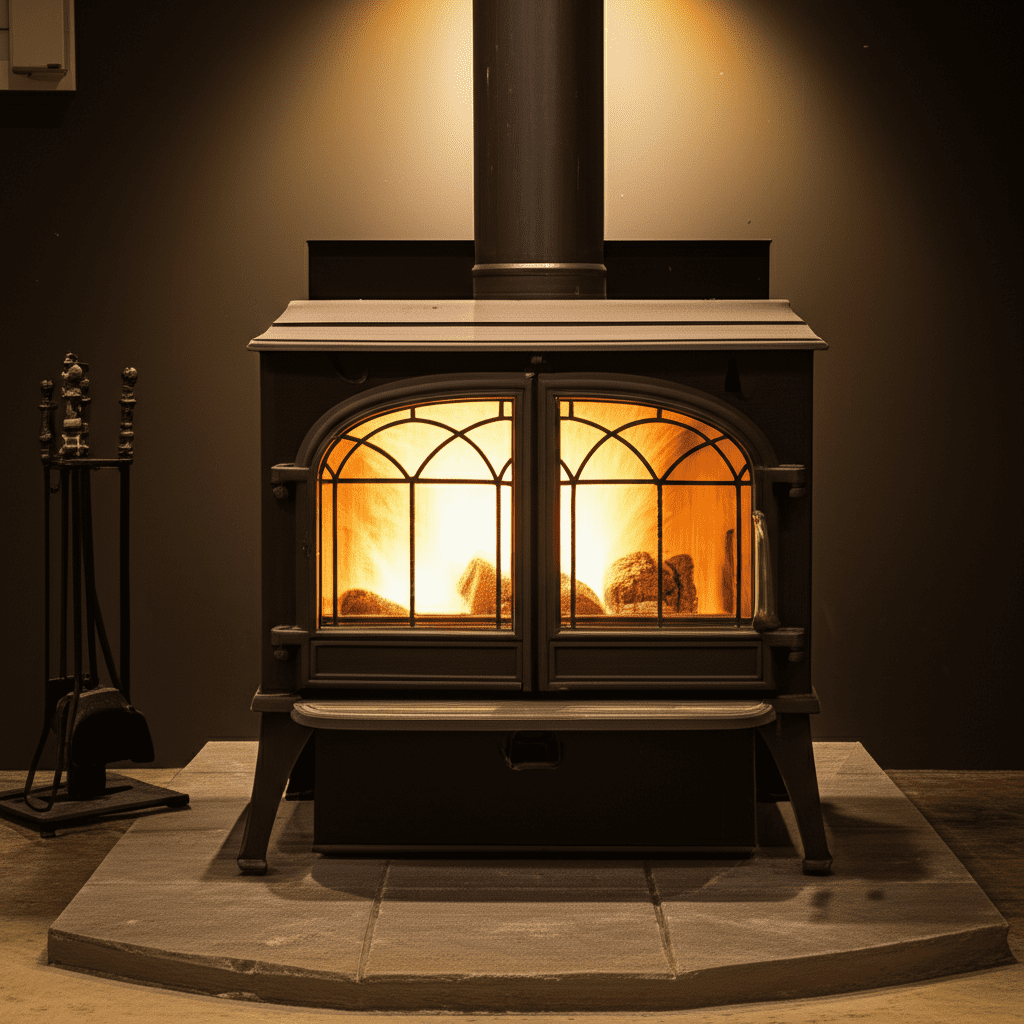
A wood stove works by burning fuel to create heat. This heat then radiates outwards and heats the air around it. When this happens in a basement, the warm air naturally rises due to convection. Think of it like a hot air balloon – hot air is lighter and floats upwards. This rising warm air moves through your home, circulating and warming the spaces above. The effectiveness of this depends on a few key factors:
- Location of the stove: Central basements often work best.
- Airflow: How easily can warm air move up and out of the basement?
- Stove efficiency: Newer, EPA-certified stoves produce more heat with less wood.
- Home insulation: A well-insulated house holds heat better.
Getting the warmth to travel isn’t magic; it’s basic physics combined with smart setup. We’ll explore each of these points to make sure your basement stove is working its hardest for you.
Key Factors for Effective Basement Wood Stove Heating
To ensure your basement wood stove successfully heats your entire house, several important elements need to be in sync. Let’s break down what makes this work:
1. Stove Placement Matters
The location of your wood stove within the basement is crucial. Ideally, you want the stove placed in a relatively central part of the basement, allowing warm air to rise and spread more evenly throughout the house’s main living areas. If your basement is large or L-shaped, consider how air might flow. Sometimes, a slightly off-center placement that feeds into a main stairwell can be more effective than a corner spot.
Consider proximity to main staircases or any existing air returns from your central heating system. These can act as natural pathways for the warm air to travel upwards. Avoid placing the stove in a far corner if that corner doesn’t have a direct path to the main living spaces.
2. Airflow and Circulation
This is perhaps the most critical component. Without good airflow, the warm air generated in the basement will simply stay in the basement. Warm air rises, but it needs a path to get out and circulate. Here’s how to encourage that:
- Stairwells: Ensure the stairwell leading from the basement to the main floor is open. Don’t block it with furniture or doors.
- Ceiling Fans: A strategically placed ceiling fan on the main floor, set to blow air downwards, can help pull warm air from the ceiling and mix it with cooler air nearer the floor, creating a more consistent temperature throughout.
- Ventilation: While you need to manage ventilation for safe operation, an overly sealed house can trap heat in the basement. You might need a slightly more open approach to air movement.
- Passive vents: Some homeowners install small passive vents in the ceiling of the basement that lead to rooms above, but this requires careful planning.
3. Stove Efficiency and Sizing
Not all wood stoves are created equal. Modern, EPA-certified wood stoves are designed for maximum heat output and minimal emissions. They burn wood more completely, extracting more heat from each log and producing less smoke and creosote. This translates to needing less wood and getting more warmth.
Sizing your stove correctly is also important. An oversized stove can overheat your basement and still struggle to send enough heat upstairs efficiently, while an undersized one will constantly be running at its limit without achieving whole-house warmth. A good rule of thumb is to consult with the stove manufacturer or a qualified installer to match the stove’s BTU output to your home’s square footage and insulation levels.
For reference, check out the EPA’s guidelines on efficient wood heating, which can offer insights into stove technologies and performance: Energy Star Wood Stoves.
4. Home Insulation and Sealing
Your home’s ability to retain heat is fundamental. A well-insulated house, especially the floors and walls above the basement, will keep the warmth circulated from the stove from escaping. Pay attention to:
- Basement ceiling insulation: While some heat needs to escape, excessive heat loss through poorly insulated floors/ceilings can be counterproductive.
- Drafts and air leaks: Seal up any drafts around windows, doors, and electrical outlets on the main floors.
- Window coverings: Heavy curtains or blinds can help insulate windows at night, preventing heat loss.
A leaky or poorly insulated home will make your wood stove work much harder and less effectively. Think of it as trying to fill a bucket with holes in it!
Setting Up Your Basement Wood Stove for Maximum Heat Distribution
Once you understand the principles, the next step is the practical setup. This involves a few key considerations to ensure safety and efficiency:
Step-by-Step Setup Guide
Assuming your wood stove is already installed according to all safety codes (which is paramount!), here’s how to optimize for heat distribution:
- Clear the Area: Ensure the immediate area around the stove is clear of any combustible materials. Keep at least 3 feet of clearance around the stove, following manufacturer specifications.
- Check the Chimney: Make sure your chimney is clean and drawing properly. A well-functioning chimney is essential for safety and efficiency. Schedule annual chimney inspections and cleanings.
- Manage Basement Air: Ensure there’s a source of fresh air for combustion. Modern, tightly sealed homes might require a dedicated outside air kit for the stove to prevent back-drafting and ensure proper burning.
- Control Basement Temperature: While you want the heat to rise, you don’t want the basement to become excessively hot. Some ventilation might be needed, but be mindful of losing too much heat down there. A small basement fan can help move air around if needed.
- Encourage Upward Airflow: Open all internal doors (if safe to do so) that lead from the basement stairwell to the living areas to allow warm air to flow freely.
- Utilize Fans Strategically: Place a floor fan at the base of the basement stairs, blowing gently up the stairs and into the main living area. This actively pushes the warm air where you want it. Alternatively, as mentioned, a ceiling fan on a low setting in the main living area can help mingle air.
- Monitor and Adjust: Keep an eye on the temperatures in different parts of your house. You might need to adjust the fan direction, open/close basement doors, or even the way you load your stove (e.g., larger logs for longer, slower burns).
Safety First: Essential Precautions
Wood stoves, especially in basements, require strict adherence to safety practices. Never compromise on safety:
- Carbon Monoxide Detectors: Install CO detectors on every level of your home, including the basement, and check their batteries regularly.
- Smoke Detectors: Similarly, ensure working smoke detectors are in place.
- Proper Clearances: Always adhere to the manufacturer’s recommended clearances from combustible materials (walls, furniture, wood storage).
- Heat Shields: Use appropriate heat shields if required by code or manufacturer instructions.
- Wood Storage: Store firewood at least 10 feet away from the stove, and never store it in the basement near the stove itself.
- Creosote Buildup: Regularly inspect and clean your chimney and stove pipes to prevent dangerous creosote buildup, which can cause chimney fires.
- Fire Extinguisher: Keep a fire extinguisher rated for Class A fires (wood, paper, cloth) readily accessible in the basement.
Familiarize yourself with the National Fire Protection Association (NFPA) guidelines for safe wood-burning appliances.
Optimizing Heat Distribution with Fans and Vents
Fans are your best friends when it comes to actively moving heat from the basement upwards. Here’s a deeper dive into using them effectively:
Fan Strategies
- The “Up-the-Stairs” Fan: This is the most straightforward. Place a robust, but quiet, floor fan at the very bottom of the basement stairs, angled to blow air directly up the stairwell. This is your primary heat mover.
- The “Air Mixer” Fan: On the main floor, a ceiling fan set to the winter mode (usually run clockwise at a low speed) can help push the rising warm air down the walls and mix it with cooler air, creating a more uniform temperature.
- Circulating Basement Air: If your basement is large, a small fan placed on the floor in the basement can help direct warmer air towards the stairwell, preventing pockets of stagnant cool air.
Understanding Ventilation and Air Movement Needs
It’s a balancing act. While you want warm air to circulate, you also need adequate fresh air for the fire to burn efficiently and safely. An older home with natural drafts might have enough air infiltration. However, newer, tightly sealed homes might require something more:
- Outside Air Kits: Many modern stoves can be fitted with an outside air kit. This pipe directly supplies combustion air from outside the house, preventing the stove from drawing air from your living space and potentially causing dangerous back-drafting of exhaust. This is especially important if you find your home feels “stuffy” or you have CO alarms that occasionally chirp.
- Balancing Airflow: If your basement becomes too warm, you might need to open a small window or door briefly to vent some super-heated air, or ensure there’s a slight passive air exchange happening. However, this should be done cautiously as it can also exhaust heat you want to keep.
Properly installed air intake systems are detailed in many building codes, like those provided by the International Code Council (ICC). Always ensure your installation complies with local building and fire codes.
Troubleshooting Common Issues
Even with the best setup, you might encounter a few snags. Here are common problems and how to fix them:
Problem: Cold Spots Upstairs
- Cause: Poor airflow, insufficient stove output, or inadequate insulation.
- Solution: Reposition your fans. Ensure the stairwell is clear. Check if your stove is large enough for your home. Improve home insulation, especially around the basement ceiling.
Problem: Basement is Too Hot, Upstairs is Not Warm Enough
- Cause: Heat is trapped in the basement.
- Solution: Increase the speed of your “up-the-stairs” fan. Open internal doors more. Consider a ceiling fan on the main floor to help distribute air. If the basement still gets too hot, you might be overheating the stove or the stove is too large for efficient distribution.
Problem: Stove Doesn’t Seem to Put Out Enough Heat
- Cause: Wet wood, insufficient airflow to the stove, or a chimney not drawing well.
- Solution: Ensure you are burning seasoned, dry wood (moisture content below 20%). Check that stove air intakes are open and clean. Have your chimney inspected for blockages or a poor draft.
Problem: Smoke Smells in the House
- Cause: Back-drafting, leaky stove or flue pipe, or poor chimney draw.
- Solution: Ensure an adequate air supply for combustion (consider an outside air kit). Check all seals on the stove door and flue connections. Have your chimney professionally inspected.
Wood Stove Performance Comparison Table
Understanding how different stove types perform can help you appreciate the nuances of basement heating:
| Stove Type | Pros for Basement Heating | Cons for Basement Heating | Typical BTU Output (approx.) |
|---|---|---|---|
| Traditional Cast Iron | Radiates heat well, durable. | Can be slow to heat up, less efficient burn. | 40,000 – 70,000 BTU/hr |
| Modern EPA-Certified Steel/Steel & Firebrick | Highly efficient burn, cleaner emissions, more heat from less wood, longer burn times. | Can be more expensive initially, faster heat release might require quicker distribution setup. | 50,000 – 100,000+ BTU/hr |
| Catalytic vs. Non-Catalytic | Catalytic: More complete combustion, cleaner burn, longer heat. | Catalytic: Requires catalyst maintenance, might require higher initial burn temps. | Varies by model |
| Wood/Gas Boiler (for hydronic systems) | Can heat home directly via radiators/baseboards, very even heat. | Requires a water system, more complex installation, not a direct radiant stove. | 60,000 – 150,000+ BTU/hr |
When choosing a stove, consider its efficiency rating. EPA-certified stoves are generally designed to burn cleaner and hotter, making them excellent choices for maximizing heat output and minimizing wood consumption. Prioritizing a stove that meets current environmental standards is always a wise move for both performance and responsibility.
Feasibility and Efficiency: Is It Worth It?
Heating your home with a basement wood stove is often a very feasible and cost-effective option, especially if you have access to affordable or free firewood. Modern stoves are significantly more efficient than older models, meaning you’ll use less wood to generate more heat.
The efficiency of this method boils down to:
- Fuel Cost Savings: If you can source firewood cheaply, the savings compared to electricity or propane can be substantial.
- Heat Distribution: As we’ve discussed, strategic use of fans and open pathways is key to enjoying that heat throughout your home.
- Primary vs. Supplemental Heat: A basement wood stove can function as a primary heat source in a well-insulated home, or as a powerful supplemental source to reduce reliance on your main heating system during peak cold.
- Home Value: A well-installed and functioning wood stove can add appeal and perceived value to a home.
The initial investment in a good stove and proper installation can be significant, but over time, the savings in fuel costs and the reliable warmth can make it a very worthwhile endeavor. Resources like the Association of Firewood Marketers often highlight the economic benefits of wood heating.

Frequently Asked Questions (FAQ)
Here are some common questions people have about heating with a basement wood stove:
Does a wood stove in the basement dry out the air?
Yes, burning wood can sometimes lower the humidity in your home. If you notice the air becoming too dry, consider using a humidifier on your main living floor. Proper stove operation and moderate burn rates can also help manage humidity levels compared to a very “fierce” burn.
How often do I need to feed the wood stove when using it for whole-house heat?
This varies greatly depending on the stove, the wood quality, and how cold it is. With a modern, efficient stove and good dry wood, you might get 6-10 hours of burn time from a single load. You’ll likely need to refuel it once or twice a day to maintain consistent heat, potentially more on very cold nights.
What kind of wood is best for a basement wood stove?
Hardwoods like oak, maple, and ash are ideal because they burn longer and produce more heat than softwoods like pine or fir. Always use seasoned (dried for at least 6-12 months) firewood with a moisture content below 20%. Wet wood burns poorly, creates more smoke, and leads to creosote buildup.
Can I leave a wood stove in the basement burning overnight?
Yes, you can leave a modern, EPA-certified wood stove burning overnight, but it must be done safely. Aim for a slow, steady burn with larger pieces of seasoned hardwood. Never bank the fire so high that it could overflow the firebox or leave the door slightly ajar. Always ensure your CO detectors are functioning and your chimney is in good condition.
Is it safe to have a wood stove in a finished basement?
Yes, it is safe to have a wood stove in a finished basement, provided it is installed according to all local building codes and manufacturer safety specifications. This includes proper clearances, heat shielding, a safe hearth pad, and correctly installed stovepipe and chimney. Ensure there are no combustible materials too close to the stove.
How do I prevent the basement from getting too hot?
To prevent the basement from overheating, ensure good airflow from the basement to the upper floors. You can also manage the stove’s output by not overloading it, using smaller loads on milder days, or adjusting the air intake settings to achieve a more moderate burn. A small fan can help circulate air within the basement to prevent hot spots right around the stove.
Conclusion
Heating your home with a wood stove in the basement is a fantastic way to save money, stay warm, and add a wonderful cozy ambiance to your living space. By understanding the principles of heat distribution, focusing on proper stove placement and sizing, and utilizing simple tools like fans, you can effectively turn your basement wood stove into a whole-house heating powerhouse. Always remember that safety is paramount—ensure your stove and chimney are properly maintained, and always have working carbon monoxide detectors. With a little effort and attention to these details, you’ll be enjoying consistent, comfortable warmth throughout your entire home, all winter long. Happy building and happy heating!