Can You Use Wood Glue on Painted Wood? Yes, But Bare Wood Bonds Stronger
Yes, wood glue bonds to painted wood, but the paint film gets in the way — standard PVA wood glue only reaches 20-60% of its bare-wood bond strength on a painted surface, depending on the paint type and prep. For light repairs (small cracks, hooks, knobs) that’s plenty. For anything structural or load-bearing, sand down to bare wood first or switch adhesives.
This guide covers what actually changes the bond strength, which glue holds best directly on paint, and when to reach for a construction adhesive instead of wood glue entirely.
📊 PVA wood glue reaches only 20-60% of bare-wood bond strength on painted surfaces — the exact percentage depends on paint type (latex holds better than oil-based/glossy) and cure time. Source: woodworking adhesive testing roundups, 2026.
Why Paint Weakens the Bond
Best Pick for Gluing Over Paint
Gorilla Original Polyurethane Glue
Bonds to non-porous surfaces like paint far better than PVA wood glue, and it’s waterproof once cured.
- Best for: Joining two painted or finished wood pieces directly
- Why we picked it: Doesn’t need bare wood fibers to grip like PVA does
- Main drawback: Expands as it cures — clamp firmly and clean squeeze-out before it sets
For heavier, structural joints
|
Construction Adhesive Liquid Nails Heavy-Duty Construction Adhesive
|
As an Amazon Associate we earn from qualifying purchases.
Wood glue is made of polymers and resins that need to soak into the wood’s porous fibers to cure into a strong bond — which is also why wood glue fails on certain surfaces entirely. Paint sits on top of those fibers as a sealed film, so the glue never actually touches bare wood — it’s bonding to the paint layer instead, and that bond is only as strong as the paint’s own grip on the wood underneath.
| Paint Type | Effect on Glue Bond |
|---|---|
| Latex / water-based (matte or flat) | Best case — more porous, better glue penetration |
| Oil-based / glossy / enamel | Worst case — smooth, slippery, blocks penetration most |
| Fresh paint (not fully cured) | Volatile compounds can interfere with the bond — wait for full cure first |
Bottom line: even under ideal conditions, wood glue on painted wood will not match a bare-wood joint. If the project needs full strength, remove the paint at the glue joint first.
Best Glue for Bonding Over Paint
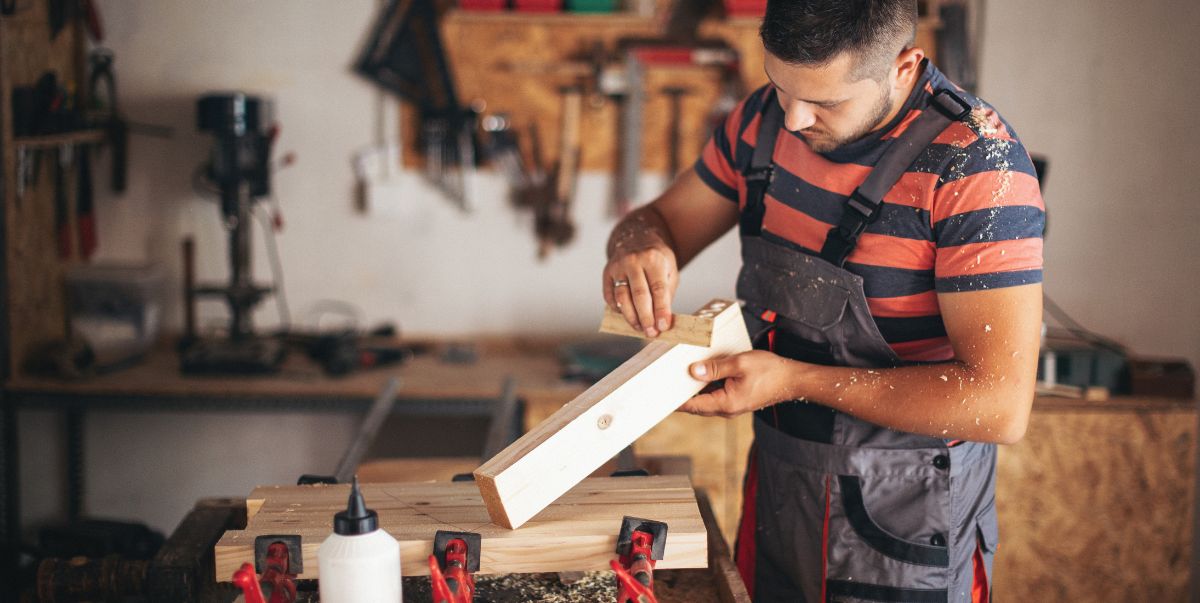
If the joint is painted on both sides and you want the strongest possible hold without stripping the finish, standard PVA wood glue isn’t the top performer — polyurethane glue and construction adhesive outperform it directly on paint, since they don’t rely on soaking into open wood fibers the way PVA does.
Best Practices If You Use Wood Glue Anyway
PVA wood glue is still the right call for light-duty repairs — small cracks, reattaching a knob, craft projects. To get the most out of it:
- Clean the surface: Remove dirt, dust, or grease so nothing sits between the paint and the glue.
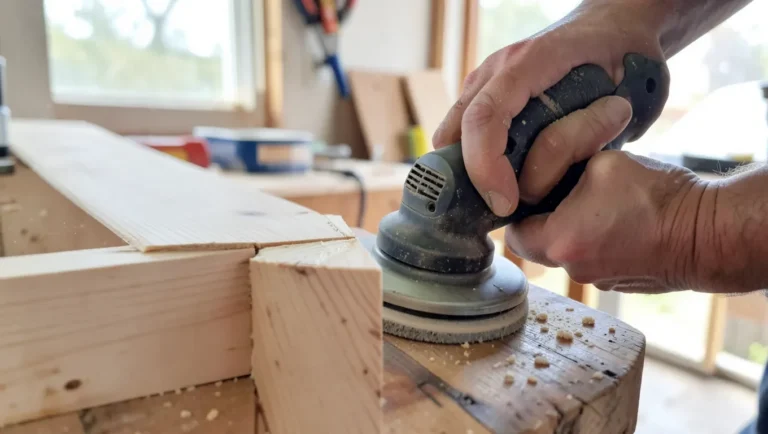
- Scuff-sand the joint: Light sanding with fine-grit paper on a glossy or enamel finish roughens the surface for better grip — only where the joint will be, not the whole piece.
- Confirm the paint is fully cured: Fresh paint can still off-gas and weaken the bond — wait the full cure time on the paint can’s label, not just dry-to-touch.
- Apply evenly and clamp: Even glue coverage with proper clamp pressure matters more on a painted joint, since you’re not getting the extra grip from open wood fibers.
- Extend the drying time: Give a painted joint 36-48 hours instead of the usual 24 — the paint film slows the moisture migration PVA needs to cure.
When to Skip Wood Glue Entirely
Wood glue on paint isn’t the right call in a few specific situations:
- Peeling or flaking paint: Glue needs an intact surface — strip loose paint back to solid material first.
- High-moisture areas: Bathrooms, exteriors, anywhere the joint gets wet regularly — moisture weakens an already-compromised bond further.
- Structural or load-bearing joints: Add mechanical fasteners (screws, nails) alongside the glue, or strip the paint at the joint and glue to bare wood.
Frequently Asked Questions
What Kind Of Glue Will Stick To Painted Wood?
PVA wood glue works for light-duty repairs, but polyurethane glue or a construction adhesive like Liquid Nails bonds directly to paint more reliably since they don’t depend on soaking into open wood fibers.
Can You Glue Over The Paint?
Yes — make sure the paint is fully cured, clean, and dry first. Lightly sanding a glossy finish at the joint improves the bond noticeably.
Will Liquid Nails Work On Painted Wood?
Yes, and it’s one of the stronger options directly on paint — construction adhesives like Liquid Nails outperform standard wood glue on painted surfaces for heavier, structural joints.
Will Gorilla Wood Glue Stick To Paint?
Yes, Gorilla Wood Glue (PVA) sticks to paint, though at reduced strength like other wood glues. Gorilla’s polyurethane formula (Gorilla Original Glue, not the wood glue) bonds painted surfaces more reliably.
How Much Weaker Is Wood Glue On Painted Wood Compared To Bare Wood?
Roughly 20-60% of bare-wood bond strength, depending on the paint type and how well the joint was prepped. Latex paint and proper scuff-sanding land at the higher end; glossy oil-based paint with no prep lands at the lower end.
Conclusion
Wood glue works on painted wood for light repairs and craft projects, but it never fully matches bare-wood strength — the paint film is the barrier. For anything structural, either strip the paint at the joint or switch to a polyurethane glue or construction adhesive, both of which bond directly to paint better than standard PVA wood glue. For a complete step-by-step process, see our guide on how to glue painted wood step by step.
Sponsored / affiliate links. As an Amazon Associate I earn from qualifying purchases. I may earn additional commission from eligible campaigns.