Wood Stoves and Accessories Buyer’s Guide
Thinking about a wood stove? It can seem like a lot to learn at first. There are many types of stoves and things to go with them.
This guide, the Wood Stoves and Accessories: Complete Buyer’s Guide, makes it super simple. We’ll walk through everything step by step so you can pick the best fit for your home. Get ready to learn without any fuss.
Choosing the Right Wood Stove
Picking the perfect wood stove is a big decision. It’s not just about how it looks, but also how well it heats your home and how easy it is to use. This section breaks down the different kinds of wood stoves available today.
We will look at their features and what makes each one a good choice for different needs. You will learn what to consider so you can make a smart pick for warmth and comfort.
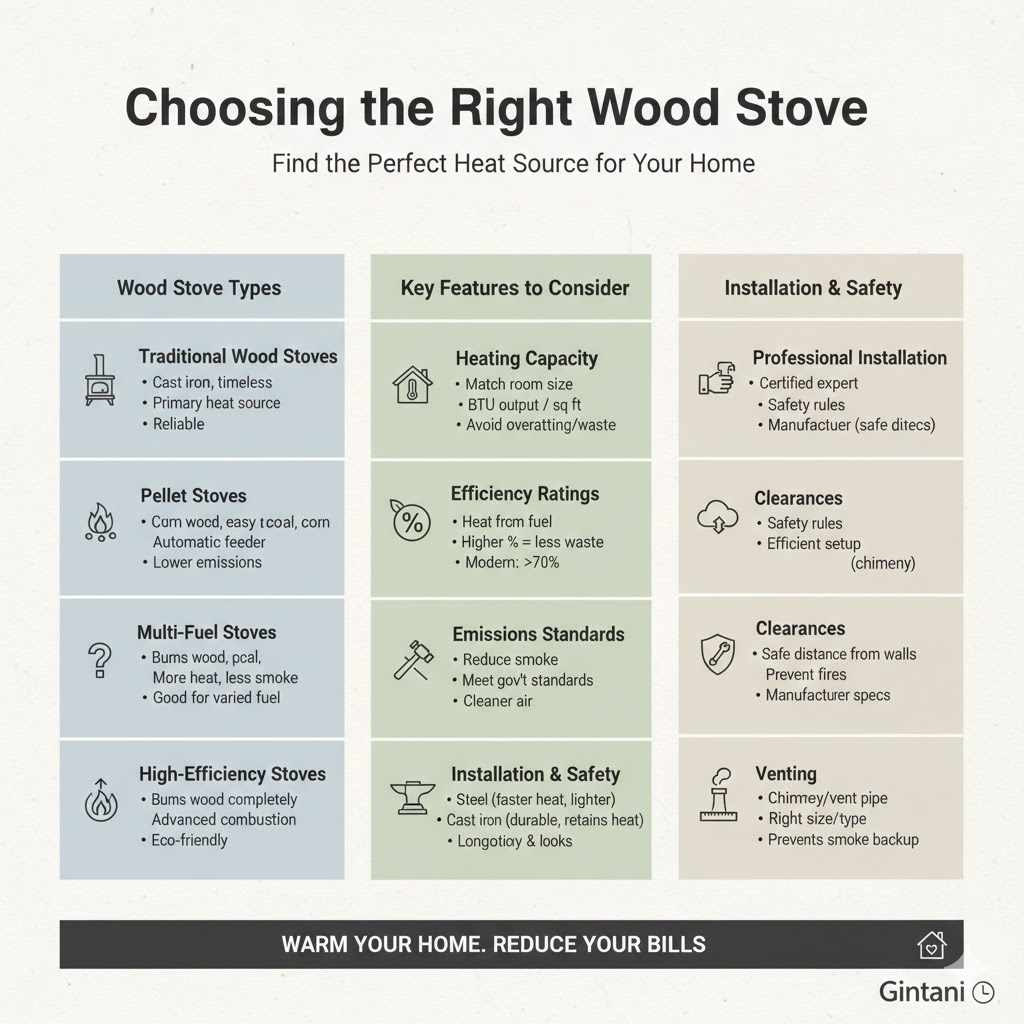
Understanding Different Wood Stove Types
Wood stoves come in various designs, each offering unique benefits. Knowing these differences helps you find the one that best suits your space and heating needs. We will explore the main categories to help you make an informed choice.
Traditional Wood Stoves
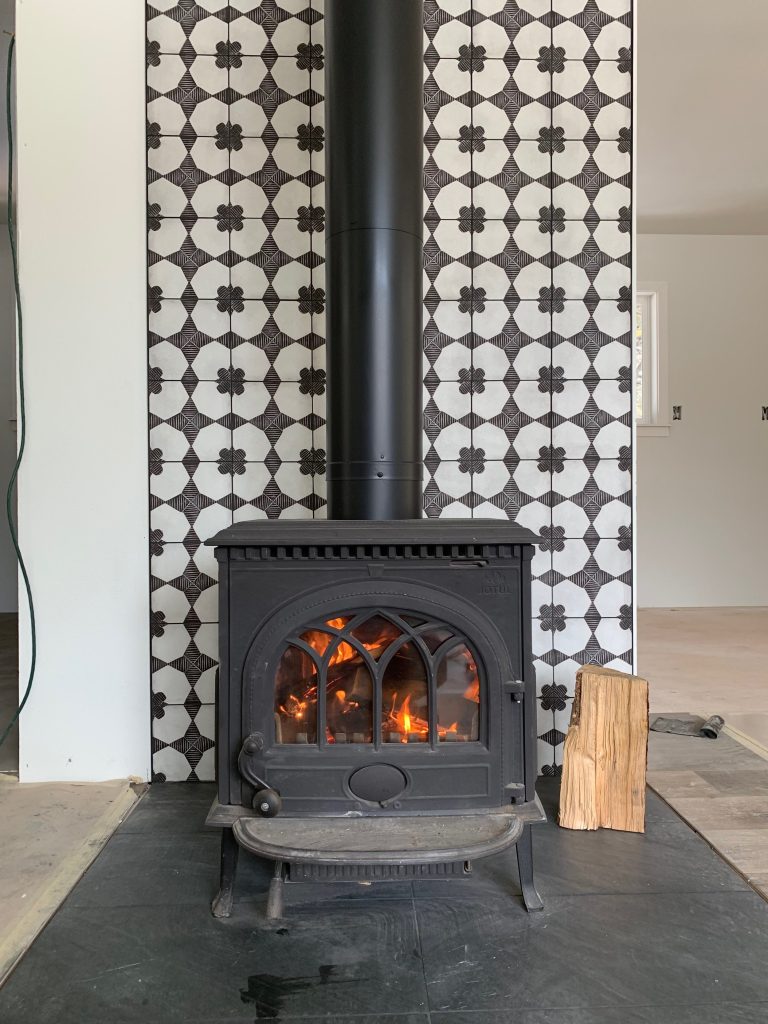
These are the classic wood stoves you might picture. They are usually made of cast iron or steel. Traditional stoves are known for their durable build and timeless appeal.
They can be a great primary heat source for a room or even a whole house. Their simplicity means fewer parts to break, making them reliable.
Pellet Stoves
Pellet stoves use compressed wood pellets as fuel. These pellets are made from sawdust and other wood waste. Pellet stoves are often more efficient and easier to operate than traditional wood stoves.
They typically have an automatic feeder and thermostat control, making them set-and-forget friendly. They also produce fewer emissions.
Multi-Fuel Stoves
As the name suggests, multi-fuel stoves can burn more than just wood. They can often burn coal, dried corn, or special fuel pellets. This offers flexibility if one fuel source becomes hard to get.
They are a good option for areas where wood might not always be readily available.
High-Efficiency Stoves
These stoves are designed to burn wood more completely. This means they produce more heat from less wood and create less smoke. They often have advanced combustion systems, like secondary burn tubes, that re-burn smoke.
High-efficiency stoves are better for the environment and can save you money on fuel.
Key Features to Consider
When looking at wood stoves, pay attention to certain features. These details can make a big difference in performance and user experience. Thinking about these points now will help you avoid issues later.
Heating Capacity
Stoves are rated by the square footage they can heat. This is called their heating capacity. You need a stove that matches the size of the room or house you want to warm.
A stove that’s too small won’t be enough. One that’s too big might overheat the space and waste fuel. Always check the BTU output or square footage rating.
Efficiency Ratings
Efficiency tells you how much heat a stove produces from the wood it burns. Higher efficiency means less fuel used and less waste. Look for stoves with high efficiency ratings, often measured as a percentage.
Many modern stoves are over 70% efficient.
Emissions Standards
Wood stoves produce emissions, or smoke. Newer stoves are built to meet strict emission standards set by government agencies. Lower emissions mean cleaner air.
Choosing a stove that meets current standards is good for your health and the environment.
Material and Durability
Stoves are often made of steel or cast iron. Cast iron is very durable and retains heat well. Steel stoves heat up faster and are often lighter.
Both can be good choices. Think about how long you want the stove to last and how it will look in your home.
Installation and Safety
Proper installation is vital for safety and performance. A poorly installed stove can be a fire hazard. Always follow manufacturer instructions and local building codes.
- Professional Installation: It’s often best to have a certified professional install your wood stove. They know all the safety rules and how to connect it correctly. This ensures your stove works safely and efficiently.
- Clearances: Wood stoves get very hot. You need to keep them a safe distance from walls, furniture, and anything that can burn. These distances are called clearances and are specified by the stove maker.
- Venting: Stoves need a chimney or vent pipe to carry smoke outside. This system must be the right size and type for your stove and house. A good vent system prevents smoke from backing up into your home.
Essential Wood Stove Accessories
To get the most out of your wood stove, you will need some accessories. These items help with burning, cleaning, and safety. Having the right tools makes using a wood stove much easier and more enjoyable.
Fuel Handling and Storage
Getting and storing your firewood is a key part of using a wood stove. How you do this affects how well your stove burns.
Kindling and Fire Starters
Kindling is small, dry wood used to start a fire. Without good kindling, it’s hard to get your fire going. Natural fire starters, like wax-dipped wood shavings, can also help light the kindling.
Always use products made for starting fires safely.
Firewood Carts and Carriers
Moving wood from your storage area to your stove can be a chore. Firewood carts have wheels to help you move larger amounts at once. Carriers, usually made of canvas or leather, are good for smaller loads you bring inside.
They help keep your floors clean.
Wood Racks and Storage Solutions
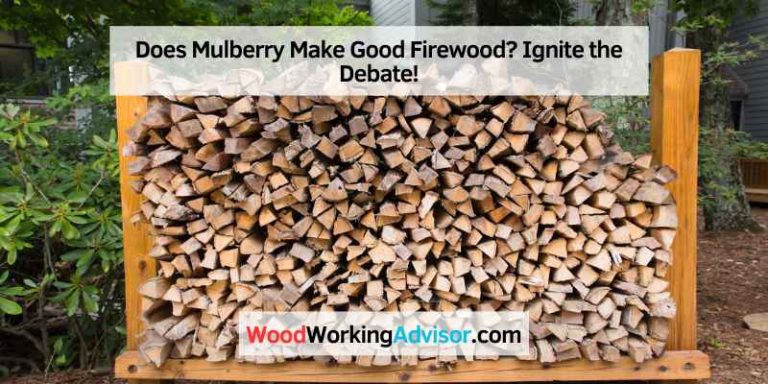
Proper firewood storage is important. Wood needs to be dry, or “seasoned,” to burn well and cleanly. Outdoor wood racks keep wood off the ground and allow air to circulate, helping it dry.
Indoor log holders keep a small supply of wood near the stove.
Tools for Operation and Maintenance
Keeping your stove running smoothly involves regular cleaning and tending. The right tools make these tasks simple.
Fireplace Tools Sets
These sets typically include a poker, tongs, brush, and shovel. A poker is used to move logs and stoke the fire. Tongs help safely reposition burning wood.
A brush and shovel are used to clean out ashes. A sturdy tool set is essential.
Ash Buckets and Pans
Ashes build up in the firebox. An ash bucket with a tight-fitting lid is needed for safe removal. Many buckets are made of metal to prevent sparks from escaping.
Ash pans sit under the stove to catch any spilled ashes.
Gloves and Safety Gear
Handling hot tools and wood requires protection. Heat-resistant gloves are a must. Eye protection is also a good idea when cleaning out ashes.
Always prioritize safety when working around a hot stove.
Heat Distribution and Air Quality
Some accessories help spread the heat better or keep your air cleaner.
Stove Fans
Heat-powered stove fans sit on top of the stove. They use the stove’s heat to spin a fan, which helps push warm air away from the stove and into the room. This can make your heating more even.
They don’t use electricity.
Carbon Monoxide Detectors
Carbon monoxide is a dangerous gas that can be produced by burning fuel. A carbon monoxide detector is a vital safety device. It will sound an alarm if dangerous levels are detected, giving you time to get to fresh air.
Air Filters and Dampers
Some advanced stoves have built-in air filters to clean the air before it’s vented. Dampers are controls that regulate the airflow into the stove, affecting how fast it burns and how much heat it produces.
Maintaining Your Wood Stove for Longevity
A well-maintained wood stove works better and lasts longer. Regular care prevents problems and ensures you get the most heat. This section covers the essential maintenance steps.
Regular Cleaning Routines
Cleaning is key to a safe and efficient stove. Ashes and creosote can build up and cause issues.
Ash Removal
You should remove ashes regularly, usually when the stove is cool. Leave a small layer of ash (about an inch) on the firebox floor. This helps insulate the next fire.
Use your ash bucket and shovel for this task.
Firebox Cleaning
The inside of the firebox should be kept clean. Remove any large pieces of unburned wood or debris. A stiff brush can help clean the walls.
This ensures good airflow for your fire.
Glass Door Cleaning
The glass on the stove door can get covered in soot. A common and safe way to clean it is using a damp paper towel dipped in the wood stove’s own ashes. Rub the soot spots, then wipe with a clean damp cloth.
Chimney and Vent Maintenance
The chimney is crucial for safely venting smoke. It needs regular attention.
Creosote Buildup
Creosote is a tar-like substance that forms from burning wood smoke. It can build up inside your chimney. If it gets too thick, it can catch fire, causing a chimney fire.
Chimney Sweeping
You need to have your chimney swept regularly, usually once a year. A chimney sweep will remove creosote and check for any damage. This is a critical safety measure.
Inspecting the Flue
The flue is the inside passageway of the chimney. Inspect it visually for cracks or blockages. Soot and creosote are the usual suspects for blockages.
Performing Basic Stove Inspections
A quick check now and then can catch small problems before they become big ones.
Gasket Checks
The gaskets are seals around the stove door and glass. They ensure the stove is airtight when closed properly. A bad gasket lets heat escape and can affect how the stove burns.
You can test them by closing the door on a piece of paper. If you can pull the paper out easily, the gasket might need replacing.
Heat Exchanger Inspection
Some stoves have heat exchangers or baffles inside. These parts help get more heat from the smoke. Make sure they are in place and not cracked or damaged.
Refer to your stove’s manual for their location and care.
External Stove Check
Look over the outside of your stove for any signs of rust or damage. Check the legs and the stovepipe connections. Small repairs now can prevent bigger issues later.
Wood Stoves and Accessories: Complete Buyer’s Guide for Different Homes
This section ties it all together, showing how wood stoves and their accessories fit into different living situations. The Wood Stoves and Accessories: Complete Buyer’s Guide needs to consider your unique home. Whether you have a cozy cabin or a larger family home, there’s a wood stove solution.
We will look at how to pick the right stove and accessories based on your space and needs.
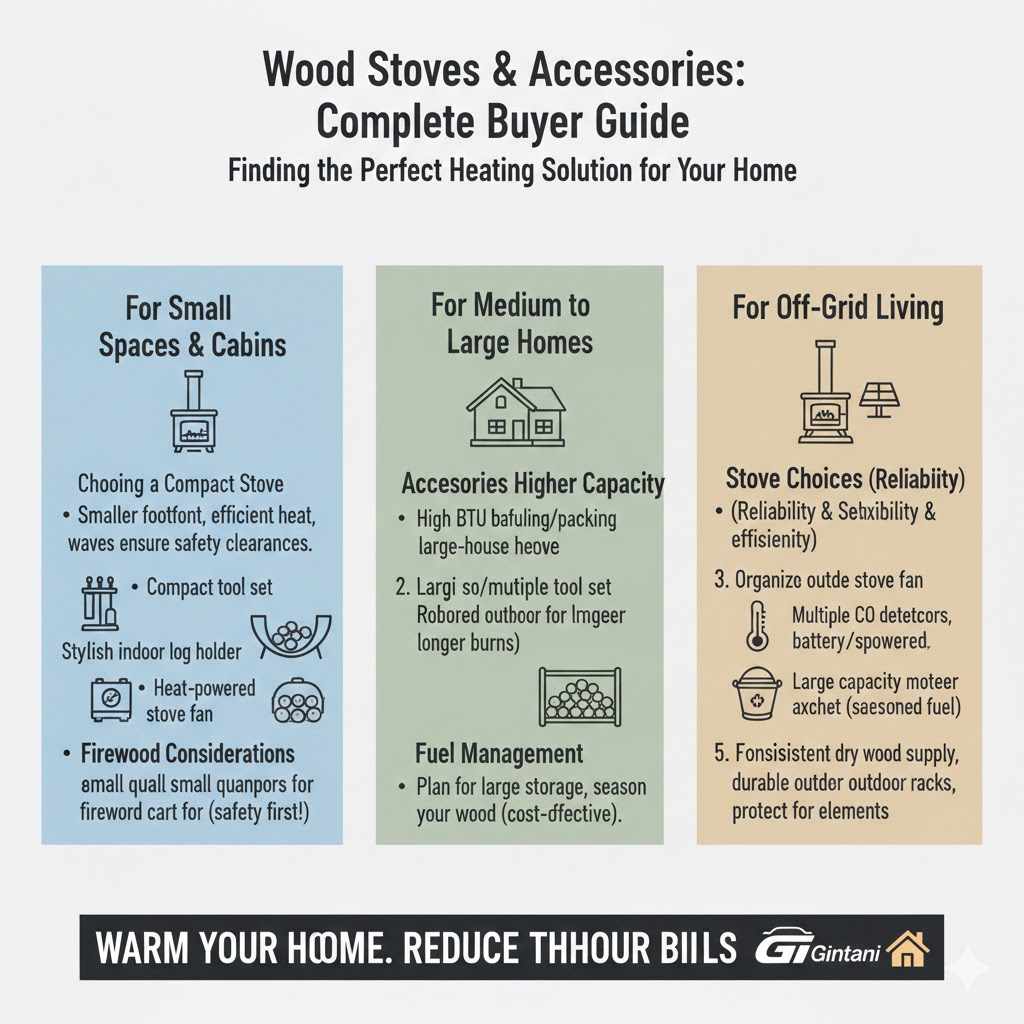
Wood Stoves for Small Spaces and Cabins
Small homes and cabins need efficient heating that doesn’t take up too much room. Compact wood stoves are ideal here.
Choosing a Compact Stove
Look for stoves with a smaller footprint. These are often called “apartment stoves” or “cabin stoves.” They provide ample heat for their size. Ensure they meet safety clearances even in tight spaces.
Essential Accessories for Small Spaces
In a small space, multi-function accessories are best.
- A good quality, compact tool set that can be stored neatly.
- A stylish indoor log holder that also serves as decor.
- A heat-powered stove fan to help distribute heat efficiently.
- A reliable carbon monoxide detector is non-negotiable for safety.
Firewood Considerations
Storing large amounts of wood might be difficult. Consider buying seasoned firewood in smaller quantities as needed. A firewood cart can still be helpful for bringing wood inside.
Wood Stoves for Medium to Large Homes
Larger homes require more powerful heating solutions. Wood stoves can effectively warm multiple rooms or even an entire house.
Selecting a Higher Capacity Stove
You’ll need a stove with a higher BTU output and heating capacity. Consider models designed for whole-house heating. A stove with a larger firebox can hold more wood for longer burns.
Accessories for Enhanced Heating
To maximize heat distribution in larger homes:
- Consider a larger or multiple heat-powered stove fans.
- Invest in a robust fi
- Ensure you have adequate, well-organized outdoor wood storage with a good wood rack system.
- A stovepipe thermometer can help you monitor burn temperature for optimal efficiency.
Fuel Management for Larger Homes
You will burn more wood, so fuel management is key. Plan for larger firewood storage. Seasoning your own wood can be cost-effective if you have the space and time.
Wood Stoves for Off-Grid Living
For those living off the grid, wood stoves are often a primary heat source. Reliability and efficiency are paramount.
Robust and Efficient Stove Choices
Prioritize high-efficiency stoves that produce maximum heat from minimal fuel. Look for models known for durability and simple operation. Multi-fuel stoves can offer flexibility in fuel choices.
Crucial Accessories for Off-Grid Use
Safety and self-sufficiency are key.
- Always have multiple, reliable carbon monoxide detectors. Battery-powered ones are essential if electricity is intermittent.
- A comprehensive fireplace tool set for regular fire tending and cleaning.
- A good quality, large capacity ash bucket with a secure lid for safe ash disposal.
- Consider a wood moisture meter to ensure your fuel is properly seasoned for best burning.
Fuel Sourcing and Storage
You’ll need a consistent supply of dry wood. Invest in good outdoor wood storage solutions like durable wood racks and covers to protect your fuel from the elements. If you are cutting your own wood, ensure you have proper safety gear and tools for processing it.
Frequently Asked Questions
Question: How often should I clean out the ashes from my wood stove?
Answer: You should remove ashes regularly, typically when the stove is cool. Leaving a small layer of ash on the bottom helps insulate the next fire. If ashes build up too much, they can block airflow and reduce efficiency.
Question: Is it safe to use lighter fluid to start my wood stove fire?
Answer: No, it is not safe to use lighter fluid or other flammable liquids. These can cause dangerous flare-ups or even an explosion. Use kindling and proper fire starters instead.
Question: How do I know if my wood stove needs professional servicing?
Answer: Signs include reduced heating efficiency, visible smoke coming from stovepipe joints, unusual noises, or if you notice damage to the stove or chimney. Annual professional inspections are also recommended.
Question: What is creosote and why is it dangerous?
Answer: Creosote is a flammable tar-like substance that forms from smoke. It builds up in chimneys and can catch fire, leading to a dangerous chimney fire.
Question: Can I use my wood stove as my only heat source?
Answer: Yes, many people use wood stoves as their primary heat source, especially in rural areas or for supplemental heating. It depends on the stove’s capacity and your home’s insulation.
Conclusion
Choosing the right wood stove and accessories is simple with this guide. You learned about different stove types and what features matter most. We covered essential accessories for fuel, operation, and safety.
Proper maintenance ensures your stove works well for years. Now you can pick the perfect setup for your home, whether it’s small or large. Enjoy cozy warmth.