How to Check Moisture Content of Wood Without a Meter
You can estimate wood moisture without a meter using visual, touch, sound, and weight cues — none are as precise as an actual meter, but combined they’re reliable enough for most shop and firewood decisions. This guide covers seven no-meter methods, when a real moisture meter is still worth the ~$20-30, and the specific moisture ranges that matter for woodworking versus firewood.
Visual Inspection Techniques
Best Moisture Meter Pick
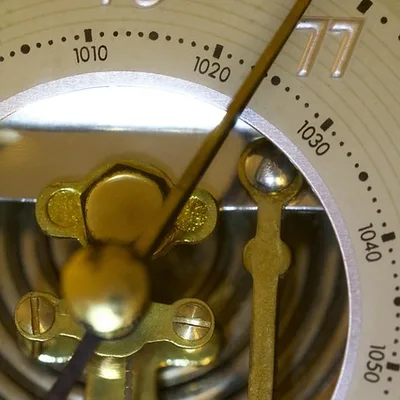
General Tools MMD4E Digital Moisture Meter
A pin-type meter with a 4-pin sensor that reads wood moisture from 5.5% to 33.5%, giving you an exact number instead of a guess.
- Best for: firewood, lumber, and framing checks before finishing or building
- Why we picked it: simple single-button operation and a large LCD readout, no calibration needed
- Main drawback: the pins leave small holes, so avoid it on finished/visible surfaces
Compare more moisture meter options
 Option 1 General Tools MM8 Pinless Moisture Meter
|
 Option 2 Klein Tools ET140 Pinless Moisture Meter
|
 Option 3 General Tools MMH800 Pin/Pinless Combo Meter
|
As an Amazon Associate we earn from qualifying purchases.
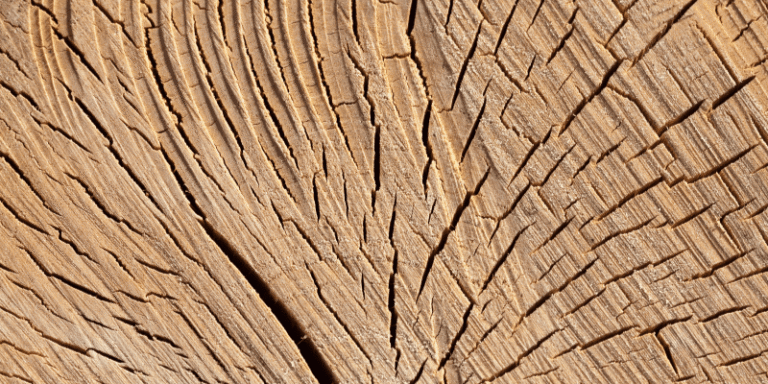
Wood lightens in color as it dries — fresh-cut or wet wood tends to look darker, while dried wood is noticeably paler. Cracks, splits, and surface checking are also reliable dryness signs, since wood shrinks as it loses moisture and that shrinkage shows up as visible cracking, especially at the end grain.
Touch And Feel Methods
Press your fingers into the wood — if the surface gives easily, moisture content is likely higher; dry wood feels firm and hard. Wet wood also feels noticeably cooler to the touch than dry wood does, since evaporating surface moisture pulls heat away, similar to the cooling effect of a damp cloth.
Sound Evaluation Methods
Tap the wood gently and listen. Wet wood sounds dull and soft; dry wood produces a sharper, higher-pitched sound and a more noticeable hollow echo when tapped at different spots.
Weight Comparison Techniques
Wet wood is measurably heavier than dry wood of the same size, since it’s holding water in the cell structure. For a rough at-home version of the industry oven-dry test: weigh a piece before and after air-drying for a few weeks, and the weight difference is roughly proportional to the moisture that’s left. Without a scale, comparing two similar-sized pieces by hand — heavier and darker usually means wetter — gets you a rough read.
By the numbers: freshly cut (“green”) hardwood typically holds 30-60% moisture content by weight, while wood dried for indoor woodworking needs to reach 6-8% — roughly matching the equilibrium moisture content inside a heated home. That’s why a board that feels “dry” to the touch in a garage can still be far too wet to use for furniture.
Smell And Odor Analysis
A musty, damp odor usually signals excess moisture, while properly dried wood has a cleaner, milder natural scent rather than a heavy, wet smell.
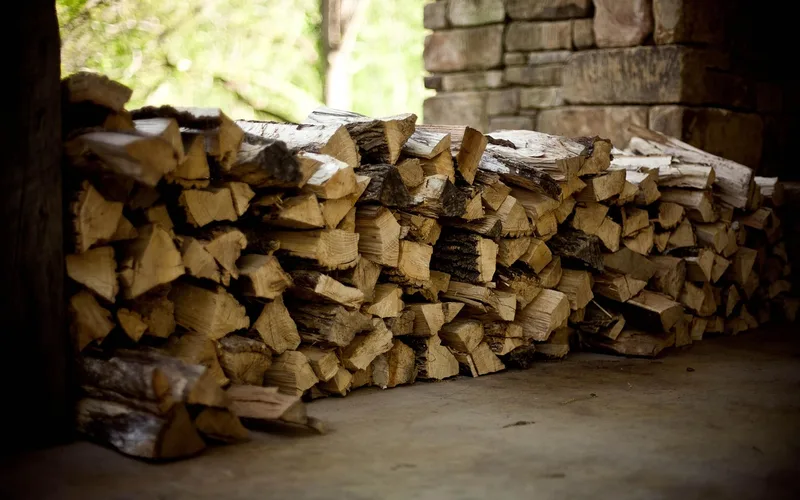
Environmental Indicators
Wood equalizes with the humidity around it over time — high ambient humidity keeps wood moisture higher, while a dry spell or heated indoor space pulls it down. If a piece has been sitting in a damp basement or outdoors through rain, assume its moisture content is elevated regardless of how it looks or feels on a dry day. For a broader look at when wood is actually ready for a project (not just how to test it), see how to tell if wood is dry enough for woodworking.
Traditional Methods
Two low-cost folk tests: sprinkle table salt on the surface and check after a few hours — clumping salt means the wood is pulling moisture into it, dry salt means the surface is dry. Or leave a small pile of uncooked rice on the wood overnight; rice that’s gone soft or stuck together has absorbed moisture from a damp board. Neither is precise, but both are free sanity checks alongside the other methods above.
“I’ve been burned before by wood that felt bone-dry on the outside but hissed and sizzled the second it hit the woodstove. Now I always combine at least two of these checks — usually the weight-and-tap combo — before trusting a piece for anything that matters. A $25 meter would’ve saved me the guesswork years ago, but these tricks still get me close enough for firewood.”
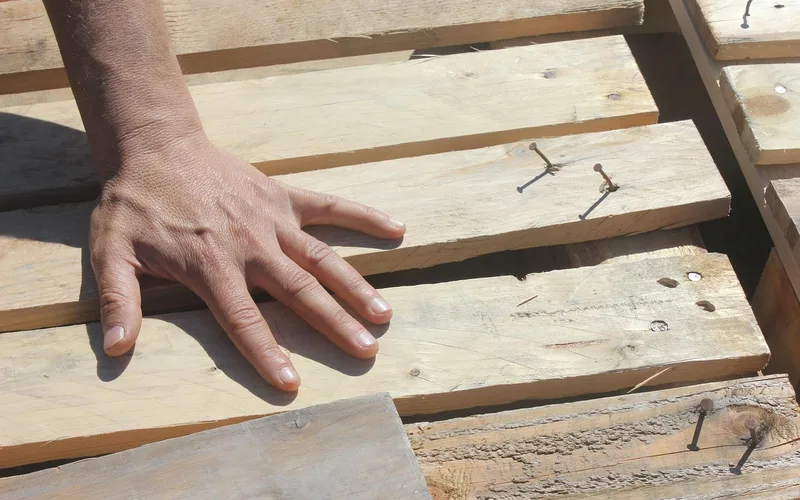
If these manual checks leave you unsure, a basic pin-type moisture meter removes the guesswork for under $30 — worth it for any project where getting it wrong means a cracked or warped finished piece.
Frequently Asked Questions About Checking Wood Moisture Without a Meter
How can you tell if wood is dry without a moisture meter?
Combine several checks: look for cracks and a lighter color, tap it and listen for a sharper sound, and compare its weight and warmth against a piece you know is dry. No single test is definitive, but together they give a reliable read.
What moisture content is acceptable for indoor woodworking?
Most indoor woodworking projects target 6-8% moisture content, matching the equilibrium moisture content of a typical heated home. Firewood is different — aim for under 20% for efficient, clean burning. For flooring, framing and exterior targets, see our wood moisture content chart by use.
Are pinless moisture meters accurate?
Yes, for surface-level readings — pinless meters use electromagnetic sensing and are generally accurate, though results can vary by wood species and thickness. Pin-type meters read moisture at the exact pin depth and are usually considered more precise for a single spot-check.
Can I use a multimeter to test wood moisture?
No. A standard multimeter measures electrical resistance/voltage, not calibrated to wood’s moisture-resistance curve the way a dedicated wood moisture meter is. It might show some difference between wet and dry wood, but the reading won’t correspond to an actual moisture percentage.
Conclusion
No single no-meter test is definitive on its own, but combining two or three — color and cracking, weight, sound, and temperature — gets you a reliable enough read for firewood, framing, or general shop use. For anything where precision actually matters, like furniture or flooring that needs to hit a specific 6-8% range, a $20-30 pin-type meter removes the guesswork entirely and pays for itself the first time it saves a finished project from warping.
Sponsored / affiliate links. As an Amazon Associate I earn from qualifying purchases. I may earn additional commission from eligible campaigns.
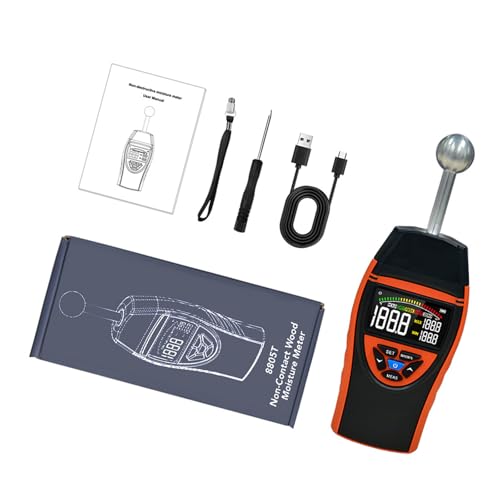 Digital Meter with Fast LCD Display for Wood Brick Wall and Building Materials High Accuracy Digital Meter for Wood Brick and Wall with Fast Readout LCD Display Portable Design
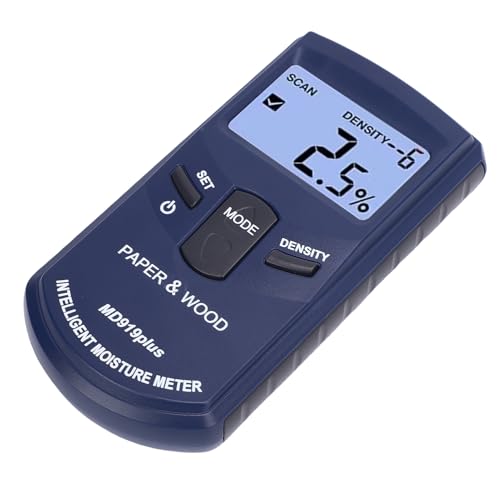 HaloVerde Wood Water Meter with 2-80% Range, Digital Concrete Water Detector with 25mm Depth for Building Materials, Paper, and Drywall Leak Detection