Zinsser vs Kilz Primer: Stain-Blocking, Odor & Cost (2026)
Zinsser and Kilz both sell water-based and oil-based primers, so the brand matters less than which can you grab. For ordinary repainting, water-based Zinsser Bulls Eye 1-2-3 and Kilz 2 are close. For bare wood, knots, and heavy stains, the oil-based Zinsser Cover Stain, Kilz Original, or Zinsser’s shellac B-I-N do the work. One surprise from Zinsser’s own data sheet: water-based Bulls Eye 1-2-3 is rated to seal cedar and redwood tannin, as long as you wait 24 hours before topcoating.
Affiliate disclosure: This post contains Amazon affiliate links. We may earn a commission on qualifying purchases at no extra cost to you.
Zinsser vs Kilz Primer: Which Can Fits Which Job
Best Bare-Wood Primer Pick
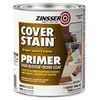 |
Zinsser Cover-Stain Stain-Blocking Primer, Quart, $17.59 An oil-based alkyd primer that Zinsser’s data sheet calls an excellent tannin blocker for bare cedar and redwood, and it recoats in about an hour, the dry-time pattern the table below compares.
|
As an Amazon Associate we earn from qualifying purchases.
Each brand sells several formulas for different jobs, and the numbers below come from the manufacturers’ own technical data sheets rather than from store shelf labels. Two things stand out. First, nearly every formula here dries to the touch in about 30 minutes and recoats in about an hour, so dry time rarely decides the winner. Second, the real differences are the resin, the VOC level, whether it is rated outdoors, and what it cleans up with.
| Primer | Base | Touch dry / recoat | Coverage per gallon | VOC | Where it is rated |
|---|---|---|---|---|---|
| Zinsser Bulls Eye 1-2-3 (liquid) | Water-based styrenated acrylic | 30 min / 1 hour | 400-450 sq ft | Under 100 g/L | Interior and exterior |
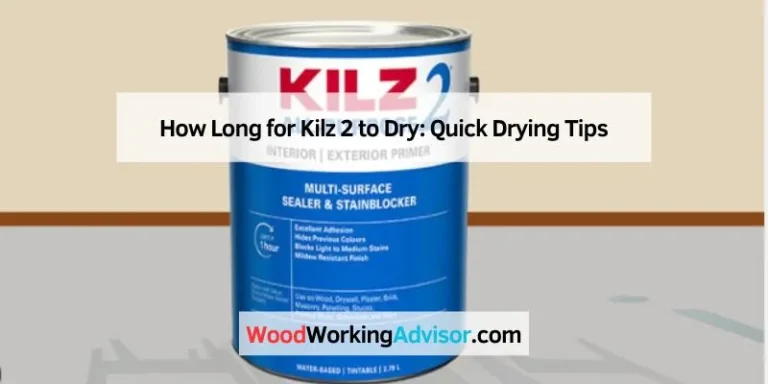
| Kilz 2 All-Purpose | Water-based | 30 min / 1 hour | 300-400 sq ft | Listed under 50 g/L | Interior and exterior |
| Kilz 3 Premium | Water-based acrylic | 30 min / 1 hour | 300-400 sq ft | Under 5 g/L | Interior and exterior |
| Zinsser Cover Stain | Oil-based alkyd | 30 min / 1 hour | 400-450 sq ft | 450 g/L | Interior and exterior |
| Kilz Original (No. 1000) | Oil-based alkyd | 30 min / 1 hour | 300-400 sq ft | 443 g/L | Interior (older data sheet) |
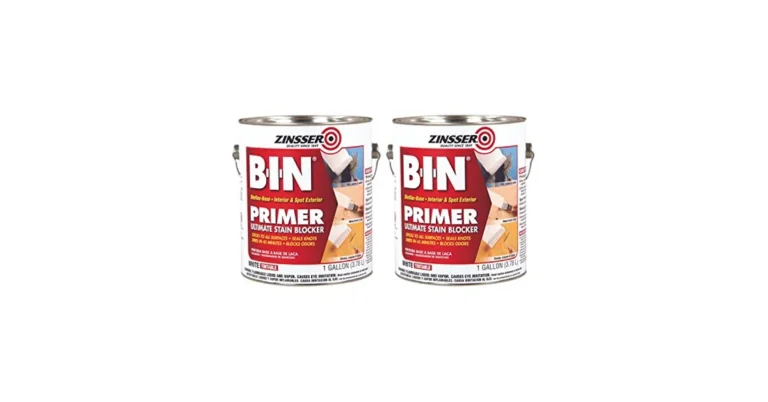
| Zinsser B-I-N | Shellac, denatured alcohol solvent | 20 min / 45 min | About 500 sq ft | Up to 550 g/L | Interior; exterior spot priming only |
That table corrects a common claim. A popular line says one brand dries much faster than the other, but on paper the water-based and oil-based pairs are within minutes of each other. Only B-I-N is clearly quicker, at 45 minutes to recoat. Cure is a separate clock: Bulls Eye 1-2-3 and Cover Stain both take about 7 days to reach full hardness, B-I-N takes 1 to 3 days, and tint or cool, humid air stretches all of them.
What the Data Sheets Say That Most Comparisons Get Wrong
Reading the technical data sheets side by side turns up several details that roundups, including our earlier version of this page, tend to flatten.
- Water-based does not automatically mean weak on tannin. Zinsser’s data sheet for the water-based Bulls Eye 1-2-3 lists cedar and redwood tannin bleed among the stains it seals, with a 24-hour dry time over cedar before painting. Kilz 2 is positioned for light-to-medium stains and does not list tannin, while Kilz 3 Premium and Kilz Original both list it.
- Kilz Original is an interior primer on the data sheet we read. It says to use it on interior surfaces, while Zinsser Cover Stain is rated for interior and exterior. Kilz sells separate interior/exterior Original versions, so check the can you are actually buying.
- B-I-N is not an exterior primer. Zinsser limits it to spot priming outdoors, such as knots and sap streaks, before a full coat of water-based or oil-based primer.
- Glossy surfaces need different prep. Zinsser says Bulls Eye 1-2-3 and Cover Stain bond to glossy varnish and enamel without sanding or deglossing. The Kilz Original data sheet recommends scuff sanding glossy surfaces for maximum adhesion.
- The spray can is not the same product as the liquid. The Bulls Eye 1-2-3 aerosol data sheet lists acetone, aliphatic hydrocarbons, and xylene as solvents and tells you to clean up with xylene or mineral spirits, while the liquid cleans up with soap and water.
- Tinting hurts stain blocking. The Kilz data sheets say not to tint when you are blocking stains. Zinsser allows up to 2 ounces of colorant per gallon on Cover Stain, which helps the topcoat hide but is better skipped on a stain-blocking coat.
If you are choosing between shellac formulas specifically, our best shellac-based primer comparison goes deeper than B-I-N alone.
Priming Bare Wood: Tannin, Knots and Sap
This is where a woodworking shop cares most, because raw lumber is the hardest surface to prime. Tannins in species like cedar, redwood, and oak dissolve in water and migrate into a water-based topcoat, leaving brown or yellow blotches. Resin in pine knots can push through even good primer over time. The right choice depends on which of these you are fighting.
| Problem | First choice | Backed by |
|---|---|---|
| Knots and sap streaks in pine or fir | B-I-N on the knots, then a full coat of Cover Stain or a water-based primer | Zinsser’s Cover Stain data sheet says to spot prime knots and sap with B-I-N first |
| Bare cedar or redwood tannin | Cover Stain, or Bulls Eye 1-2-3 with a 24-hour wait | Both data sheets list cedar and redwood tannin |
| Heavy water or fire stains | B-I-N | B-I-N data sheet recommends it for heavy fire and water stains and odors |
| Light water ring, pencil or marker | Kilz 2 or Bulls Eye 1-2-3 | Kilz 2 data sheet lists light-to-medium stains |
| Glossy varnished table or cabinet | Cover Stain or Bulls Eye 1-2-3 | Zinsser says no sanding or deglossing needed |
| Exterior fence, trim or siding | Cover Stain, Bulls Eye 1-2-3, or Kilz 3 Premium | All three are rated for exterior use; B-I-N is spot priming only |
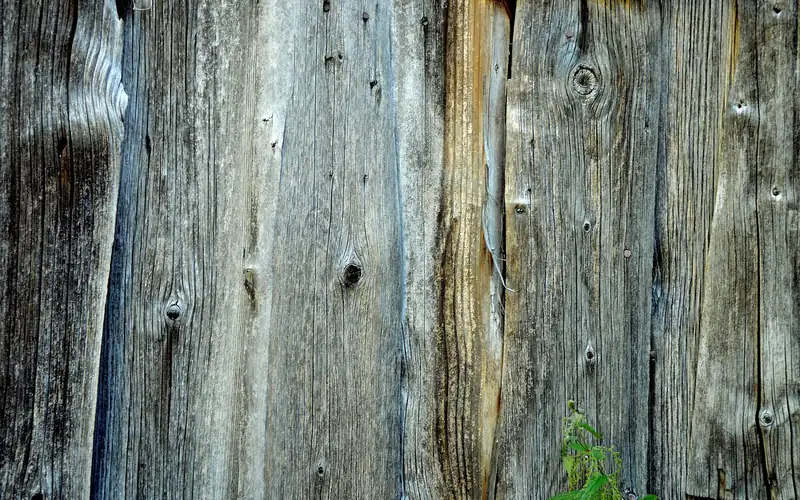
A practical note on raw wood: a water-based primer can raise the grain, so plan on a light scuff with fine sandpaper after the first coat dries. Both Zinsser and Kilz say to test for bleed-through by topcoating a small patch before finishing the whole piece, and to add a second primer coat if stain shows through.
For more on picking an undercoat for raw lumber, see our guide to the best wood primer and undercoat, and if your piece already carries a clear finish, check whether you can paint over polyurethane on wood first.
Smell, VOCs and Fire Safety
The VOC column in the table above is the biggest practical gap between these primers. Kilz 3 Premium lists under 5 g/L, Bulls Eye 1-2-3 under 100 g/L, and the oil and shellac formulas sit between 443 and 550 g/L. Low VOC does not mean zero smell or zero ventilation, but it does make the water-based cans the sensible choice for a bedroom, nursery, or closed shop.
📊 Cover Stain is rated at 450 g/L VOC, while the water-based Bulls Eye 1-2-3 is under 100 g/L. Source: Zinsser Cover Stain technical data sheet and Bulls Eye 1-2-3 technical data sheet
Safety points the data sheets spell out, plus one common-sense addition:
- Flammability: flash points are 54 F for B-I-N, 75 F for Kilz Original No. 1000, and 83 F for Cover Stain, which means vapors can ignite near a pilot light, heater, or spark at normal room temperature. Ventilate and keep ignition sources away.
- Old paint: sanding or scraping paint on a pre-1978 piece can release lead dust. Every Zinsser and Kilz data sheet carries this warning, so test the old finish and use a NIOSH-approved respirator if lead is possible.
- Cleanup: Bulls Eye 1-2-3 and Kilz 3 clean up with soap and water, Cover Stain and Kilz Original with mineral spirits, and B-I-N with denatured alcohol or an ammonia-water solution.
- Oily rags: rags soaked with oil-based primer can self-heat, so spread them flat outdoors to dry or seal them wet in a metal container of water before disposal.
If mold is the problem rather than stains, none of the general-purpose cans above are antimicrobial treatments. Our Zinsser mold killing primer vs Kilz comparison covers that separate product pair.
What a Quart Actually Costs Per Square Foot
Price per can is misleading, because coverage differs. Using the data-sheet coverage and the Amazon listing prices we checked on 2026-10-07, Zinsser Cover Stain at $17.59 a quart covers about 100 to 112 square feet per coat, or roughly 16 to 18 cents per square foot. The Kilz Original Low Odor quart at $28.52 works out to about 29 to 38 cents per square foot if it matches the 300 to 400 square feet per gallon rating of standard Kilz Original, so it costs roughly double per coat for the same job. Prices move daily, but the gap is the useful part.
For scale, a 4 by 8 foot sheet of plywood is 32 square feet per face, or 64 square feet for both faces before counting the edges. One quart of Cover Stain at the high end of its coverage rating primes about one and a half sheets on both faces, one coat. Very porous bare wood can soak up primer and may need a second coat, which cuts those coverage numbers.
Quick Picks by Project
- Repainting a smooth, previously painted surface: Bulls Eye 1-2-3 or Kilz 2, whichever is cheaper that week.
- Bare cedar, redwood, or an oak table: Cover Stain, or Bulls Eye 1-2-3 if you can wait the 24 hours.
- Knotty pine paneling or trim: B-I-N on the knots, then a full coat of Cover Stain or a water-based primer.
- Smoke or heavy water damage: B-I-N, which even Zinsser’s own Bulls Eye 1-2-3 data sheet points to for severe water and smoke stains.
- Bedroom or nursery: Kilz 3 Premium for the lowest VOC listed here, with the room ventilated until the smell is gone.
- Using primer as the only coat: it is not designed for that, and our guide on whether Kilz primer can be used as paint explains why. For application basics, see how to use Kilz primer.
“Spot prime knots and sap streaks with B-I-N” before priming the whole surface with Cover Stain.
Frequently Asked Questions
Is Zinsser or Kilz better for blocking stains?
Neither brand wins outright. For heavy water, smoke, or fire stains, Zinsser B-I-N shellac is the strongest option either brand lists. For ordinary stains, Zinsser Cover Stain and Kilz Original perform similarly, and for moderate stains the water-based Bulls Eye 1-2-3 and Kilz 3 Premium both list water stain and tannin blocking.
Can Bulls Eye 1-2-3 block cedar and redwood tannin?
Yes. Zinsser’s data sheet lists cedar and redwood tannin among the stains Bulls Eye 1-2-3 seals, and it specifies a 24-hour dry time over cedar before painting. For heavy tannin or knots, an oil-based primer or B-I-N is the safer choice.
Does Zinsser or Kilz dry faster?
They are close. Zinsser Bulls Eye 1-2-3, Kilz 2, Kilz 3 Premium, Zinsser Cover Stain, and Kilz Original all list about 30 minutes to touch and about 1 hour to recoat at room temperature. Zinsser B-I-N is quicker at 20 minutes to touch and 45 minutes to recoat.
Can I use Kilz primer outdoors?
Check the exact can. Kilz 2 and Kilz 3 Premium are sold as interior/exterior water-based primers, while the standard Kilz Original data sheet we read is for interior use. Kilz sells separate interior/exterior Original versions, so confirm the label before using it on a fence or siding.
Which primer should I use on knots in pine?
Use Zinsser B-I-N on the knots first. Zinsser’s Cover Stain data sheet says to spot prime knots and sap streaks with B-I-N before priming the whole surface, and B-I-N lists knots and sap streaks among the stains it seals.
The Bottom Line
Pick by chemistry, not by logo. Water-based Bulls Eye 1-2-3, Kilz 2, or Kilz 3 Premium cover most repainting with low odor. Oil-based Cover Stain or Kilz Original handle bare wood and glossy surfaces. B-I-N is the specialist for knots, smoke, and heavy water stains. Read the can for interior or exterior use, test a small patch for bleed-through, and ventilate.
Sponsored / affiliate links. As an Amazon Associate I earn from qualifying purchases. I may earn additional commission from eligible campaigns.