1 2 Vs 3 4 Plywood For Cabinets: The Ultimate Guide to Choosing the Strongest Option
1 2 Vs 3 4 Plywood For Cabinets: The choice between 1/2 and 3/4 plywood for cabinets depends on the budget and strength requirements. When it comes to selecting plywood for cabinets, the decision between 1/2-inch and 3/4-inch thicknesses is crucial.
1/2 plywood is a more cost-effective option, suitable for lightweight applications and tight budgets. On the other hand, 3/4 plywood provides extra strength and durability, making it ideal for heavy-duty cabinets and long-lasting installations. Assessing the intended use, budget, and desired longevity of the cabinets will help determine the best choice between 1/2 and 3/4 plywood.
It’s important to consider not only the immediate cost but also the long-term performance to ensure you make an informed decision for your cabinet project.
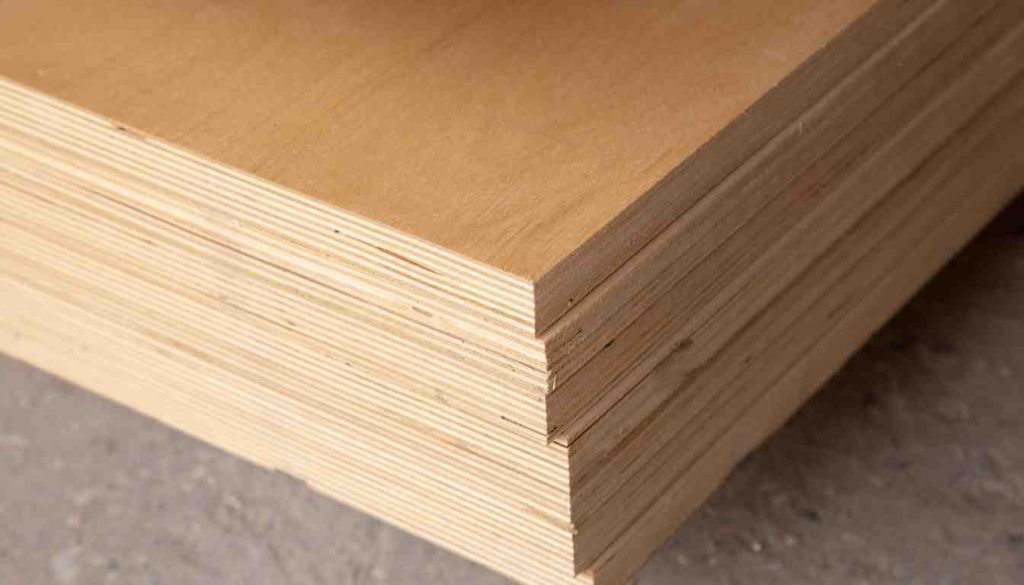
1/2″ vs 3/4″ Plywood: Side-by-Side Comparison

| Factor | 1/2″ Plywood | 3/4″ Plywood |
|---|---|---|
| Weight (per 4×8 sheet) | ~40–48 lbs | ~60–70 lbs |
| Cost (relative) | Lower | 20–35% higher |
| Sag resistance (shelving) | Needs support every 24″ or less for heavy loads | Spans further without sagging |
| Best cabinet use | Cabinet backs, drawer boxes, interior dividers | Cabinet boxes, load-bearing shelves, countertop substrate |
| Screw/fastener holding | Adequate but less forgiving of stripped holes | More holding power for hinges and hardware |
| Ease of handling | Easier to cut and maneuver solo | Heavier, often a two-person sheet |
How to Choose Between 1/2″ and 3/4″ Plywood by Cabinet Part
- Cabinet boxes (sides, top, bottom): 3/4″ is the standard choice. It holds screws and cabinet hardware (hinges, drawer slides) securely and resists racking better than thinner stock.
- Cabinet backs: 1/2″ or even 1/4″ is common and sufficient, since backs are rarely load-bearing and mainly provide squareness and a mounting surface.
- Shelves: 3/4″ for anything holding books, dishes, or other heavy items across a span of 30″+. 1/2″ works for lighter loads or shorter spans, but expect some sag over time without added edge banding or a support rail.
- Drawer boxes: 1/2″ is the typical standard — strong enough for drawer contents while keeping the box lightweight and maximizing interior storage space.
- Face frames and doors: Usually built from solid wood or 3/4″ plywood if using a frameless/slab design, since anything thinner tends to flex and look insubstantial on a cabinet front.
Cost Difference in Real Terms
For a typical kitchen with 10–15 cabinet boxes, building everything from 3/4″ plywood instead of a mixed 1/2″/3/4″ approach (3/4″ for boxes, 1/2″ for backs and drawer boxes) can add several hundred dollars to material costs on a full kitchen — a meaningful jump for a modest strength gain in parts that don’t actually need it. Matching thickness to the job, rather than defaulting to 3/4″ everywhere, is the more cost-effective approach most cabinet builders use.
Common Mistakes Choosing Plywood Thickness
- Using 1/2″ for all cabinet boxes to save money. It can work for light-duty cabinets, but hinges and drawer slides mounted to 1/2″ stock are more prone to loosening over years of use compared to 3/4″.
- Using 3/4″ everywhere, including backs. This adds unnecessary weight and cost without a meaningful strength benefit for a non-structural panel.
- Ignoring plywood grade. Thickness matters less than grade for appearance and stability — a cabinet-grade (A or B face) 3/4″ sheet with voidless core will outperform a construction-grade sheet of the same thickness in both looks and durability.
- Not accounting for actual (not nominal) thickness. Plywood sold as 3/4″ is often actually closer to 23/32″, which can throw off tight-tolerance joinery like dado grooves if you cut to the nominal size instead of measuring the actual sheet.
Plywood Grades Worth Knowing
Thickness is only half the equation — the plywood’s core and face grade determine how well it machines, how flat it stays, and how good it looks once finished:
- Cabinet-grade (A/B or better face veneer): Smooth, mostly void-free surface ideal for cabinet exteriors and anything that will be stained or clear-coated.
- Void-free/Baltic birch core: Made from thin cross-laminated veneers with no internal gaps, giving cleaner edges when cut — a strong choice for drawer boxes and any edge that will remain visible.
- Construction/sheathing grade (CDX): Fine for structural or hidden applications like cabinet backs mounted against a wall, but not intended for a finished appearance.
- MDF-core plywood: Extremely flat and stable, a good substrate for painted cabinet doors, though heavier than veneer-core sheets of the same thickness.
Pairing the right grade with the right thickness — 3/4″ cabinet-grade for boxes and doors, 1/2″ void-free for drawer boxes, and construction-grade 1/2″ for hidden backs — gets the durability of higher-end material only where it’s actually visible or load-bearing, keeping the overall project budget in check.
A Quick Rule of Thumb
If you only remember one guideline from this comparison: use 3/4″ plywood for anything structural or holding hardware — cabinet boxes, doors, and heavily loaded shelves — and drop to 1/2″ (or thinner) for backs, drawer boxes, and dividers where strength matters less than keeping weight and cost down. Mixing thicknesses by part, rather than picking one thickness for the whole project, is how most professional cabinet shops balance durability against material cost.
Frequently Asked Questions On 1 2 Vs 3 4 Plywood For Cabinets
Should I Use 3 4 Or 1 2 Plywood For Cabinets?
For cabinets, it is recommended to use 3/4 plywood. It is stronger and more durable than 1/2 plywood. This thickness is better for holding the weight of the cabinets and their contents.
What Thickness Plywood Should I Use For Cabinets?
For cabinets, a plywood thickness of ¾ inch is commonly used. This provides the necessary strength and durability for cabinet construction.
Can You Use 1 4 Plywood For Cabinet Doors?
Yes, 1/4 plywood can be used for cabinet doors. It is a thinner option but can work for lightweight doors.
Is 1 2 Inch Plywood Strong Enough For Shelves?
Yes, 1/2 inch plywood is strong enough for shelves. It provides enough support for typical shelf items and is easy to work with. However, for heavy or bulky items, opting for thicker plywood may be a better choice to ensure added strength and durability.
Conclusion
To sum up, the choice between 1 2 and 3 4 plywood for cabinets boils down to individual preferences and requirements. While 1 2 plywood may offer cost savings, 3 4 plywood tends to be stronger and more durable. Ultimately, it is essential to weigh factors like budget, usage, and design before making a decision.
Consulting a professional in the field can provide valuable insights and ensure that you choose the right plywood for your cabinet needs.
Sponsored / affiliate links. As an Amazon Associate I earn from qualifying purchases. I may earn additional commission from eligible campaigns.
 Baltic Birch Plywood Sheets Box of 45 - Laser Engraving Cutting, Scroll Saw Nature Veneer Color, Stronger Than Basswood, A/A Grade,12 x 12 x 1/8”, 3mm Thickness Perfect for Wood Burning
 Baltic Birch Plywood 1/8'' x 12'' x 18'', 6 Pack, B/BB Grade, Void-Free Core, Laser Cutting Ready, Flat Sheets for CNC, Engraving, DIY Crafts, Art Painting, Wood Burning, Staining