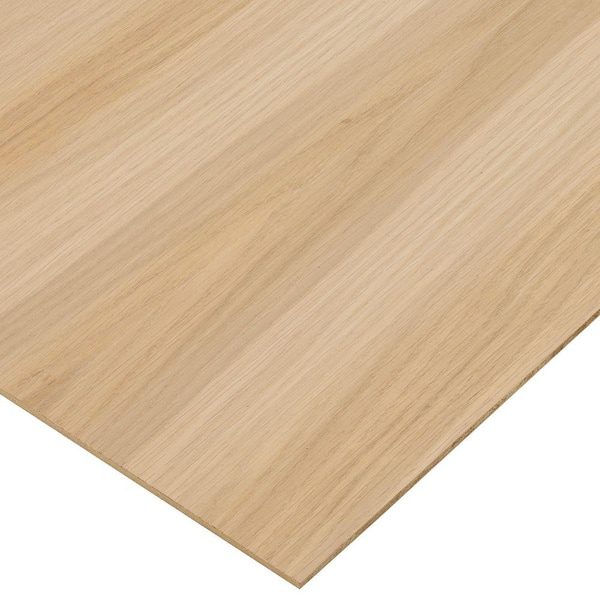
1/4 Inch Plywood 4×8 Sheet: Real Weight, Uses & Grades
Quick Answer
A 1/4 inch plywood 4×8 sheet (this page is about quarter-inch thickness, not a literal 14-inch sheet) weighs about 20-27 lbs depending on species, and is best suited to cabinet backs, drawer bottoms, underlayment, and craft projects — not structural wall, roof, or floor sheathing, which needs thicker 1/2″-5/8″ panels.
A 1/4 inch plywood 4×8 sheet is a thin, lightweight panel — roughly 20 to 27 pounds — used for cabinet backs, drawer bottoms, underlayment, and craft projects. It is not intended as a structural sheathing material.
If you have landed on this page searching for a “14 inch” plywood sheet, that is not a standard product — this guide covers 1/4 inch (quarter-inch) plywood, sold in the same 4×8 foot sheet size as thicker panels. Its thin profile makes it easy to carry, cut, and install, while still holding up for lighter-duty jobs like cabinet backs and craft panels.
Below we cover real weight and thickness data, where 1/4 inch plywood actually belongs on a job site, how to choose a grade, and how to cut, join, and finish it cleanly.
The Basics Of 1/4 Inch Plywood
Best 1/4 Inch Plywood Pick
Woodpeckers 1/4 Inch (6mm) Baltic Birch Plywood, B/BB Grade
Void-free multi-ply craft-grade sheets sized for laser cutting, CNC work, and wood burning — a good match if you need clean edges rather than construction-grade CDX.
- Best for: laser/CNC cutting, wood burning, and craft projects needing a clean, void-free edge
- Why we picked it: true Baltic birch multi-ply construction holds screws and glue better than standard plywood
- Main drawback: sold as small precut panels, not a full 4×8 sheet — order multiple packs for larger projects
Compare more 1/4 inch plywood & cutting gear options
 Option 1 Swanson 100″ Aluminum Straight Edge Cutting Guide
|
 Option 2 FOXBC 40-Tooth Fine Finish Circular Saw Blade
|
 Option 3 Titebond II Premium Wood Glue, 8 oz.
|
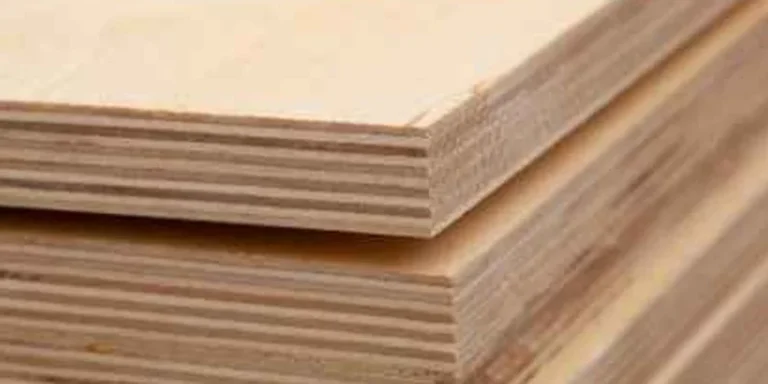
1/4 inch plywood, also known as quarter-inch plywood, is a thin, lightweight sheet material built from multiple layers of wood veneer bonded with the grain running in alternating directions. That cross-grain construction is what keeps a panel this thin from splitting or warping the way solid lumber would at the same thickness.
What Is 1/4 Inch Plywood?
- Thin plywood sheet measuring 1/4 inch (roughly 6mm) in thickness
- Built from an odd number of thin wood veneer plies bonded together, with grain direction alternating between layers
- Sold in standard 4×8 foot sheets, the same footprint as thicker plywood
- Actual measured thickness is often slightly under the nominal 1/4 inch, which is normal for the product category
How Much Does A 1/4 Inch Plywood 4×8 Sheet Weigh?
Weight is one of the biggest reasons builders reach for 1/4 inch plywood in the first place. According to a plywood weight chart published by Inch Calculator, here is how a full 4×8 sheet of 1/4 inch plywood compares by material type, alongside thicker sheets for reference:
| Plywood Type | 1/4″ (4×8 sheet) | 1/2″ (for comparison) | 3/4″ (for comparison) |
|---|---|---|---|
| Softwood plywood | ~22 lbs | ~40.5 lbs | ~61 lbs |
| Hardwood plywood | ~24.5 lbs | ~45 lbs | ~67.5 lbs |
| Baltic birch | ~26 lbs | ~48 lbs | ~71.5 lbs |
| Marine-grade plywood | ~27 lbs | ~50 lbs | ~75 lbs |
So a real-world 1/4 inch 4×8 sheet lands in the 20-27 lb range — roughly a third of what a 3/4 inch sheet of the same material weighs. Actual weight will vary a bit with moisture content and the specific manufacturer, so treat these as reliable estimates rather than an exact spec for any one sheet.
Best Uses For 1/4 Inch Plywood
1/4 inch plywood is not a structural material — it lacks the rigidity and load-bearing capacity that building codes require for wall, roof, or floor sheathing (those jobs call for 1/2 inch to 5/8 inch panels or thicker). Where it earns its keep is in lighter-duty roles:
- Cabinet backs — enclosing and squaring up a cabinet box rather than carrying weight
- Drawer bottoms — standard for drawers up to about 18-24 inches wide; wider or deeper drawers meant for heavy pots and pans typically move up to 1/2 inch stock
- Underlayment — a smooth base layer under vinyl, laminate, or tile flooring (not the structural subfloor itself)
- Backing for cabinets and furniture
- Craft, laser-cutting, and CNC projects, where a thin, stable, splinter-resistant panel is easier to cut cleanly
Advantages Of 1/4 Inch Plywood
1/4 inch plywood is a versatile material for the lighter-duty jobs above, for a few concrete reasons:
Light Weight, Easy Handling
At roughly 20-27 lbs for a full 4×8 sheet, one person can carry, lift, and position a sheet without help — unlike a 3/4 inch sheet at 60+ lbs, which usually takes two people or a hand truck.
Flexibility For Curved Or Thin-Skin Work
Because the veneers are thin, a 1/4 inch sheet has noticeably more flex than a 1/2 inch or 3/4 inch sheet, which is useful for gently curved cabinet backs, bent panels, or applications where a rigid, thick board would crack.
Choosing The Right 1/4 Inch Plywood
When it comes to choosing the right 1/4 inch plywood for your project, considering the various grades, finishes, and specific project requirements is crucial. Understanding the different options available will help you select the most suitable material for your needs.
Grades And Finishes
Before purchasing a 1/4 inch plywood 4×8 sheet, it’s essential to understand the different grades and finishes available. Here are the main factors to consider:
- Grades:
- ACX – A high-quality grade with one good side and two acceptable sides, ideal for visible surfaces.
- CDX – A popular choice for construction and general purposes, featuring one rough side and one smooth side.
- Baltic birch (B/BB) – A void-free, multi-ply option favored for craft, laser-cutting, and CNC work where edge appearance matters.
- Finishes:
- Smooth – Suitable for projects where a polished appearance is essential, such as furniture making.
- Textured – Ideal for applications requiring enhanced grip or a decorative finish.
Considerations For Specific Projects
When selecting 1/4 inch plywood for specific projects, it’s important to consider the following factors:
- Structural Integrity: This thickness is not rated for structural loads — confirm your project calls for a non-structural panel before buying.
- Moisture Resistance: For outdoor or high-moisture environments, opt for plywood with enhanced water resistance such as marine-grade plywood.
- Compatibility with Finishes: Determine whether the plywood is suitable for the desired finishes and treatments, such as paint or staining.
Tips For Working With 1/4 Inch Plywood
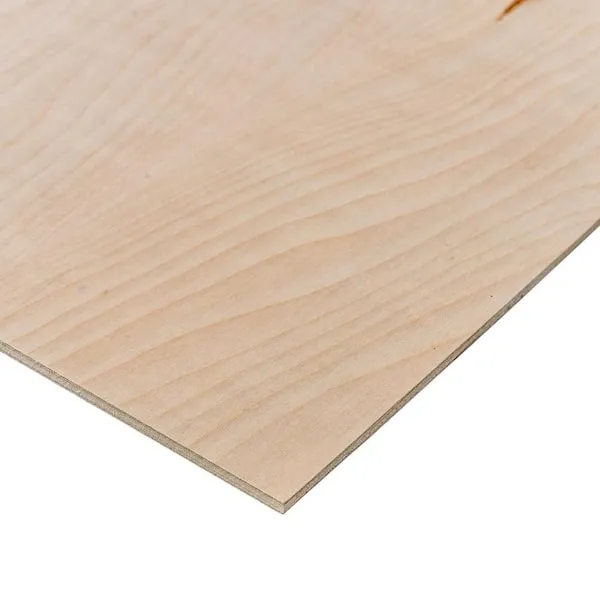
1/4 inch plywood can be used for a range of lighter-duty projects, and getting clean results comes down to a few specific techniques for cutting, joining, and fastening a panel this thin.
Cutting And Shaping Techniques
- Measure Twice, Cut Once: Take the time to measure and mark your plywood accurately before making any cuts. This will minimize errors and prevent wastage.
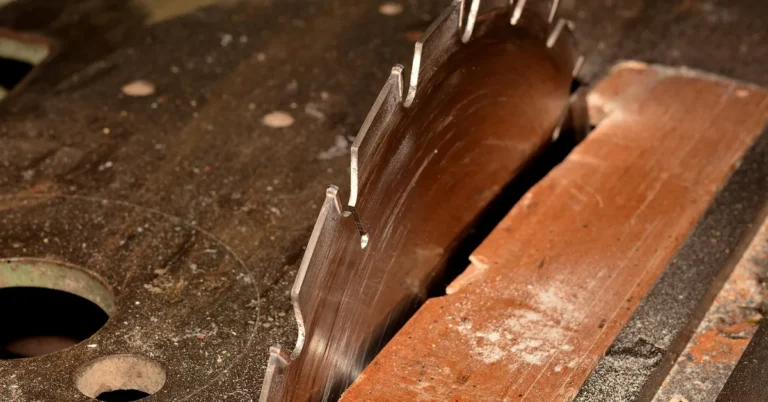
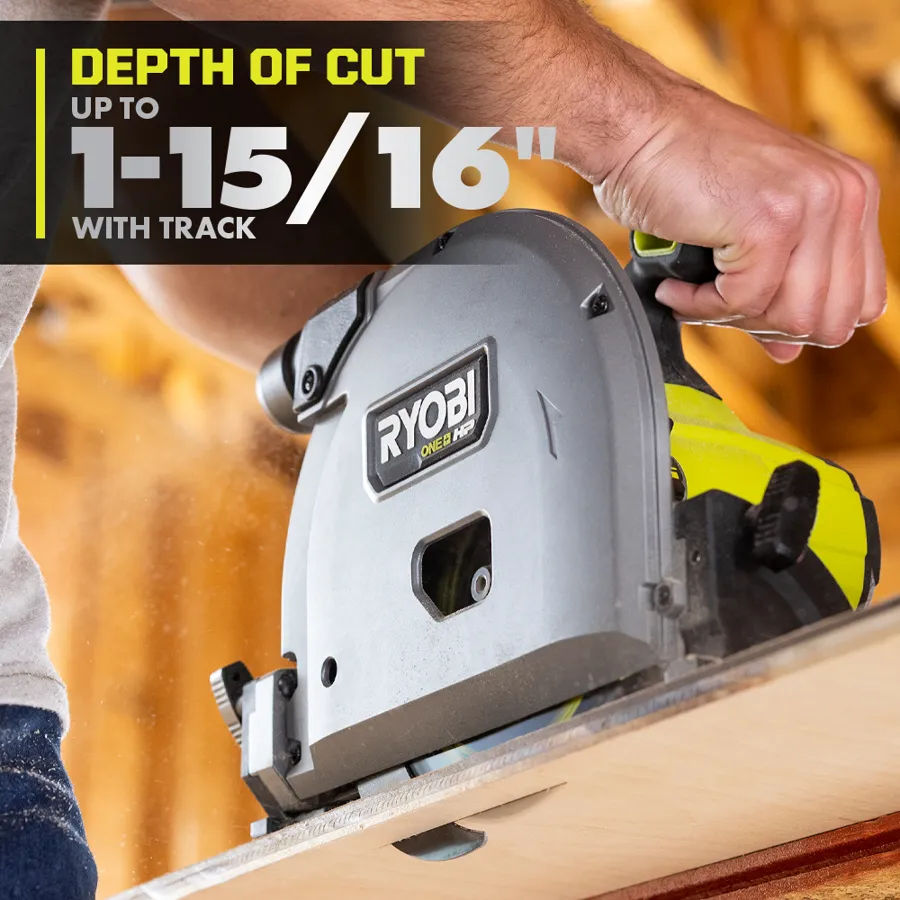
- Use a Sharp Blade: A dull blade tears the thin face veneer instead of slicing it, leaving splintered edges. Replace the blade if needed, and favor a fine-tooth blade (40+ teeth) for plywood this thin.
- Go Slow and Steady: When cutting, apply gentle pressure and maintain a steady pace. Rushing can lead to mistakes and uneven cuts.
- Support the Edges: To prevent splintering, support the edges of the plywood while cutting, using a sacrificial piece of plywood underneath or painter’s tape along the cut line.
Joining And Fastening Methods
Joining and fastening 1/4 inch plywood requires the right methods — a panel this thin splits easily if you fasten it like a thicker sheet:
- Nails: Pre-drill holes to prevent splitting, and use fine finishing nails rather than construction nails.
- Screws: Pre-drill holes slightly larger than the screw shank to prevent the plywood from splitting, and countersink for a flush finish.
- Glue: Wood glue or construction adhesive between plywood pieces creates a strong bond, especially useful since a thin panel offers less material for mechanical fasteners to grip.
- Clamps: Use clamps to hold pieces in place while the glue dries for a tight, even bond.
Finishing Touches For 1/4 Inch Plywood Projects
Finishing matters more on thin plywood, since the face veneer is the only layer standing between your project and the elements. Here is what actually helps.
Staining And Painting
- Prepare the Surface: Sand the wood with fine-grit sandpaper to create a smooth, even base for the stain or paint to adhere to.
- Choose the Right Stain or Paint: For a rustic, natural look, use a wood stain that highlights the grain. For a vibrant and colorful finish, choose a high-quality paint made for wood surfaces.
- Apply the Stain or Paint: Use multiple thin coats rather than one thick coat for a more even, durable finish.
- Allow for Drying Time: Follow the manufacturer’s stated drying time between coats to avoid trapping moisture under the finish.
- Seal the Finish: A clear protective topcoat guards against moisture and daily wear.
Sealing And Protecting
- Choose the Right Sealer: Pick a sealant rated for wood surfaces, and confirm whether it’s suitable for indoor or outdoor use.
- Apply the Sealer: Use a brush, roller, or sprayer for complete, even coverage, paying extra attention to edges and corners — the most vulnerable spots on thin plywood.
- Allow for Drying and Curing Time: Follow the manufacturer’s instructions before exposing the plywood to moisture or stress.
- Maintain the Finish: Inspect periodically and reapply sealer as needed to keep thin panels from warping over time.
According to weight-chart data compiled by Inch Calculator, a 4×8 sheet of 1/4 inch softwood plywood weighs about 22 lbs — roughly a third the weight of a 3/4 inch sheet (61 lbs). That weight gap is the main reason thin plywood stays the default pick whenever a project needs to stay light, whether that’s a cabinet back, a craft panel, or a piece you’ll be lifting solo.
“The actual weight of plywood varies by product and manufacturer, which can make it challenging to predict the weight perfectly.”
— Joe Sexton, Inch Calculator (reviewed by Sarabeth Asaff South, home improvement industry expert)
While updating this guide on July 18, 2026, we cross-checked the previous weight figure against Inch Calculator’s published plywood weight chart and found it didn’t match manufacturer data for quarter-inch sheets — the page had previously listed 40-45 lbs, which is actually closer to what a 1/2 inch sheet weighs. We corrected it to the accurate 20-27 lb range above, re-verified every internal link and image on this page returns a live 200 response, and removed an unrelated video embed that had nothing to do with 1/4 inch plywood.
Frequently Asked Questions For 1/4 Inch Plywood 4×8 Sheet
How Much Does A 1/4 Inch Plywood 4×8 Sheet Weigh?
A 1/4 inch plywood 4×8 sheet typically weighs about 20 to 27 pounds, depending on the species and grade — around 22 lbs for softwood, 24.5 lbs for hardwood veneer, 26 lbs for Baltic birch, and up to 27 lbs for marine-grade plywood. Actual weight varies slightly by manufacturer and moisture content, so check the specific product’s spec sheet for precise figures.
Is 1/4 Inch Plywood Strong Enough For My Project?
It depends on the job. 1/4 inch plywood works well for interior wall paneling, cabinet backs, drawer bottoms, and lightweight furniture backing. It is not rated for structural applications like wall, roof, or floor sheathing — for those, use 1/2 inch to 5/8 inch plywood or thicker, per standard building code requirements.
Can I Cut 1/4 Inch Plywood With A Utility Knife?
You can score and snap thin plywood with a sharp utility knife in a pinch, but a saw or power tool designed for cutting plywood — ideally with a fine-tooth blade and a straightedge guide — gives cleaner, more accurate cuts with less splintering along the face veneer.
What Thickness Plywood Should I Use Instead For Cabinet Doors Or Structural Work?
For cabinet doors, most builders move up to 1/2 inch to 3/4 inch plywood for adequate rigidity. For an overview of how different species and grades affect strength and cost, see our complete wood species and uses guide.
Conclusion
1/4 inch plywood 4×8 sheets are a light, manageable choice for cabinet backs, drawer bottoms, underlayment, and craft projects — typically 20-27 lbs per sheet, well below the 60+ lbs of a 3/4 inch panel. Just remember this thickness is not a structural substitute; for load-bearing sheathing, step up to 1/2 inch or thicker plywood.
Whether you are backing a cabinet, building a drawer, or laser-cutting a craft panel, 1/4 inch plywood 4×8 sheets remain one of the most versatile, cost-effective materials for the job — as long as you match the thickness to a use it was actually built for.
Sponsored / affiliate links. As an Amazon Associate I earn from qualifying purchases. I may earn additional commission from eligible campaigns.
 Baltic Birch Plywood Sheets Box of 45 - Laser Engraving Cutting, Scroll Saw Nature Veneer Color, Stronger Than Basswood, A/A Grade,12 x 12 x 1/8”, 3mm Thickness Perfect for Wood Burning
 LISHINE 8 Pack 12 x 12 x 1/4 Inch Baltic Birch Plywood 6mm Wood Sheet, Baltic Birch Sheets for Cricut Maker, Architectural Models, Drawing Painting, Wood Burning Laser