5/8 Exterior Plywood: Actual Thickness Explained (19/32″)
5/8 exterior plywood (usually CDX or ACX grade) works for roof sheathing, wall cladding, and single-layer subfloors on joists up to 16″ on center — but its actual thickness is 19/32″, not a true 5/8″. Installing it without accounting for that 1/32″ gap can throw off span-rating assumptions on tight rafter spacing. This guide covers CDX vs. ACX vs. marine grade, correct fastening and sealing, and how to keep cut edges from swelling.
What Is 5/8 Exterior Plywood?
Best Exterior Wood Sealant Pick
Thompson’s WaterSeal Clear Wood Sealer (1 Gal) – $19.94
Matches the edge-sealing step above — a clear penetrating sealant for the cut edges and exposed faces after fastening, without hiding the grain.
- Best for: General-purpose sealing of cut edges and faces before or after install
- Why we picked it: Widely stocked, dries clear, and covers the exterior-grade sealant step this guide recommends
- Main drawback: Needs reapplication every 1–2 years in full sun or heavy weather exposure
Compare more exterior wood sealant options
 Option 1 Seal-Once Nano+Poly Wood Sealer (1 Gal) – $49.99
|
 Option 2 Eco Advance Exterior Wood Siloxane Waterproofer (1 Gal) – $26.99
|
 Option 3 Olympic WaterGuard Clear Sealer (11 oz) – $6.98
|
As an Amazon Associate we earn from qualifying purchases.
Construction and Composition
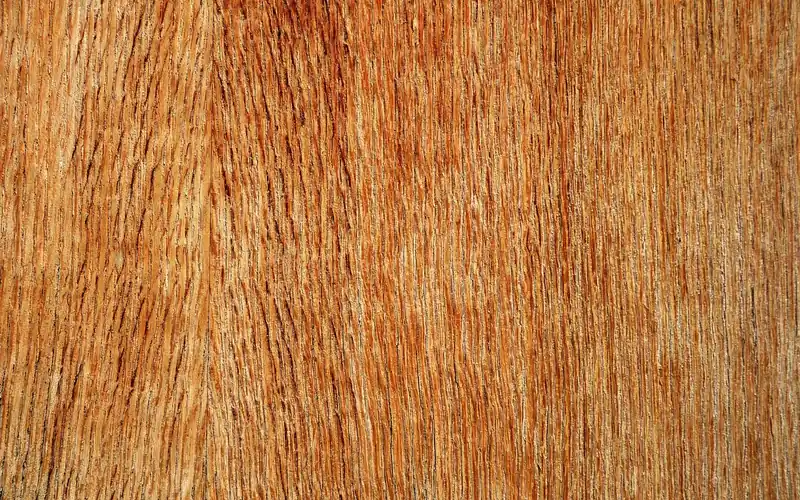
5/8 exterior plywood is built from multiple layers of thin wood veneer glued together with a waterproof adhesive. Each layer, or ply, runs with its grain perpendicular to the layer beneath it, which is what gives the panel its strength and resistance to warping in both directions.
Actual Thickness vs. Nominal Size (Read This Before You Buy)
5/8 plywood is a nominal size — a labeling convention, not a guaranteed dimension. The actual thickness of a panel sold as “5/8 exterior plywood” is 19/32″ (0.594″), not a true 0.625″. Manufacturing and sanding remove roughly 1/32″ from most softwood plywood grades, so the panel is always slightly thinner than the number on the label.
This matters for two things: span-rating calculations that assume a specific structural thickness, and any application where you’re shimming or matching plywood against dimensional lumber cut to an exact fraction. The same nominal-vs-actual gap shows up at other thicknesses too — see how it plays out for 3/4-inch plywood, sold as 23/32″ actual.
📊 Nominal 5/8″ plywood measures 19/32″ (0.594″) actual — about 1/32″ under the labeled size. Source: APA – The Engineered Wood Association, panel thickness standards
Usage and Application
5/8 exterior plywood is commonly used for roof sheathing, wall sheathing, and exterior cladding. For roof-specific span and rafter-spacing rules, see our full 5/8 plywood for roof guide. Its weatherable core makes it a reasonable choice anywhere it will see direct moisture exposure, provided cut edges are sealed.
CDX vs. ACX vs. Marine Grade: Which 5/8″ Panel Should You Buy?
Not every panel stamped “5/8 exterior” is built the same way. The grade stamp on the edge tells you what’s actually inside — and it changes what the panel should be used for.
| Grade | Face Quality | Best For |
|---|---|---|
| CDX | C-grade face, D-grade back, exterior glue | Roof and wall sheathing (gets covered) |
| ACX | A-grade sanded face, C-grade back | Exposed siding, soffits, painted surfaces |
| Marine grade | A-grade both faces, no voids, waterproof glue | Boat hulls, constant water contact |
CDX is the cheapest and most common choice because it’s meant to be covered by roofing or siding, so face appearance doesn’t matter. ACX costs more but is worth it anywhere the panel stays visible. Marine grade is overkill — and roughly double the price — for anything that isn’t in constant standing water.
Benefits of 5/8 Exterior Plywood
Durability and Strength
5/8 exterior plywood holds up under load better than thinner sheathing grades, which is why it’s an accepted single-layer subfloor option at standard joist spacing in most building codes.
Resistance to Environmental Factors
The exterior-rated glue line resists moisture, rot, and insect damage far better than interior-grade plywood — but only on faces and edges that are actually sealed. An unsealed cut edge absorbs water the same way regardless of grade.
Choosing the Right 5/8 Exterior Plywood
Picking the right panel comes down to matching grade and standard to the job, not just grabbing whatever’s stacked closest to the door.
Quality Standards
Look for panels stamped to APA (The Engineered Wood Association) standards, which verify the panel meets its stated structural and exposure rating. A panel with no grade stamp is a gamble on both thickness and glue quality.
Consideration of Project Requirements
Decide whether the panel will be used for sheathing, subflooring, or exposed siding before you buy — that decision determines whether you need CDX, ACX, or a pressure-treated panel. If cost is the deciding factor, check current 5/8 plywood pricing and how it compares to 5/8 vs. 3/4 plywood before committing to a thickness.
Installation Techniques for 5/8 Exterior Plywood
Surface Preparation
Before installing your 5/8 exterior plywood, prepare the surface to get a secure, long-lasting bond:
- Clean the surface thoroughly to remove dust, dirt, or debris that could impair adhesion.
- Inspect for cracks, holes, or unevenness. Fill gaps with a suitable filler and sand down high spots.
- Confirm the surface is dry before proceeding — moisture at install time compromises the panel from day one.
Proper Fastening and Sealing
Fastening and sealing 5/8 exterior plywood correctly is what actually prevents warping and moisture damage down the line:
- Choose corrosion-resistant fasteners: use stainless steel or hot-dipped galvanized nails or screws rated for exterior use.
- Space fasteners evenly: place them along the edges and across the field of the panel for consistent holding strength.
- Apply exterior wood adhesive: bond the panel to the surface to reduce the risk of water working its way underneath.
- Seal all cut edges and exposed faces: exposed end grain absorbs water fastest, so seal it immediately with an exterior-grade sealant rather than waiting until the whole project is finished.
Maintaining 5/8 Exterior Plywood
Preventive Measures
- Inspect the plywood regularly for cracks, warping, or rot.
- Confirm fasteners stay secure — loosening lets moisture work behind the panel.
- Reapply a waterproof sealant or paint on schedule, not just when damage is already visible.
- Provide shade or coverings where direct sun exposure is unavoidable.
- Clear debris and leaves from the surface so moisture doesn’t sit against it.

Repair and Refinishing Tips
- Assess the extent of any damage before deciding whether to patch or replace.
- For minor cracks or splits, fill with wood putty and sand smooth once cured.
- For extensive rot or delamination, replace the affected section rather than patching over it.
- Clean and lightly sand the surface before refinishing so the new coating adheres.
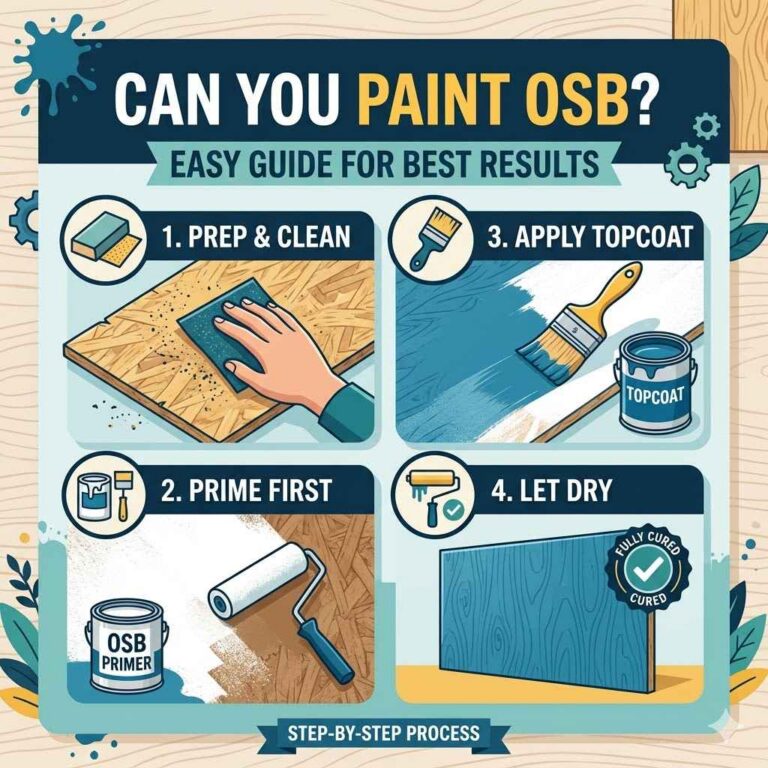
- Apply an exterior-grade primer, then finish with exterior paint or stain rated for plywood.
Frequently Asked Questions About 5/8 Exterior Plywood
What Is 5/8 Exterior Plywood Used For?
5/8 exterior plywood is commonly used for structural purposes such as subflooring and roof sheathing. Its durability and weather resistance also make it suitable for fences, sheds, and other outdoor structures.
Is 5/8 Plywood the Same as 19/32 Plywood?
Yes. “5/8″ is the nominal (labeled) size; 19/32″ is the actual measured thickness after manufacturing and sanding. They refer to the same panel — 19/32” is just the number you’d get if you measured it with calipers.
What’s the Difference Between CDX and ACX Plywood?
CDX has a C-grade face and D-grade back, meant to be covered by roofing or siding. ACX has a sanded A-grade face over a C-grade back, intended for surfaces that stay visible, like exposed soffits or painted panels. ACX costs more but looks better once finished.
How Do I Choose the Right Grade of 5/8 Exterior Plywood?
Match the grade to whether the panel will be seen. For general sheathing that gets covered, CDX is sufficient. For exposed siding or painted surfaces, choose ACX or better. Always confirm the panel is exterior-rated with proper moisture resistance regardless of grade.
Can 5/8 Exterior Plywood Be Painted or Stained?
Yes. Clean, dry, and lightly sand the surface first, then use a suitable primer and an outdoor-grade paint or stain. Regular reapplication is needed to preserve the finish over time.
Is 5/8 Exterior Plywood Resistant to Water Damage?
It’s water-resistant, not waterproof. It’s designed to withstand exposure to rain and moisture, but prolonged standing water can still cause damage. Sealing edges and applying a protective finish substantially improves its durability.
Conclusion
5/8 exterior plywood is a dependable choice for sheathing, subfloors, and outdoor structures — as long as you buy the right grade for the job and remember its actual thickness is 19/32″, not a full 5/8″. Seal every cut edge, fasten with corrosion-resistant hardware, and the panel will outlast most of what it’s covering.
Sponsored / affiliate links. As an Amazon Associate I earn from qualifying purchases. I may earn additional commission from eligible campaigns.